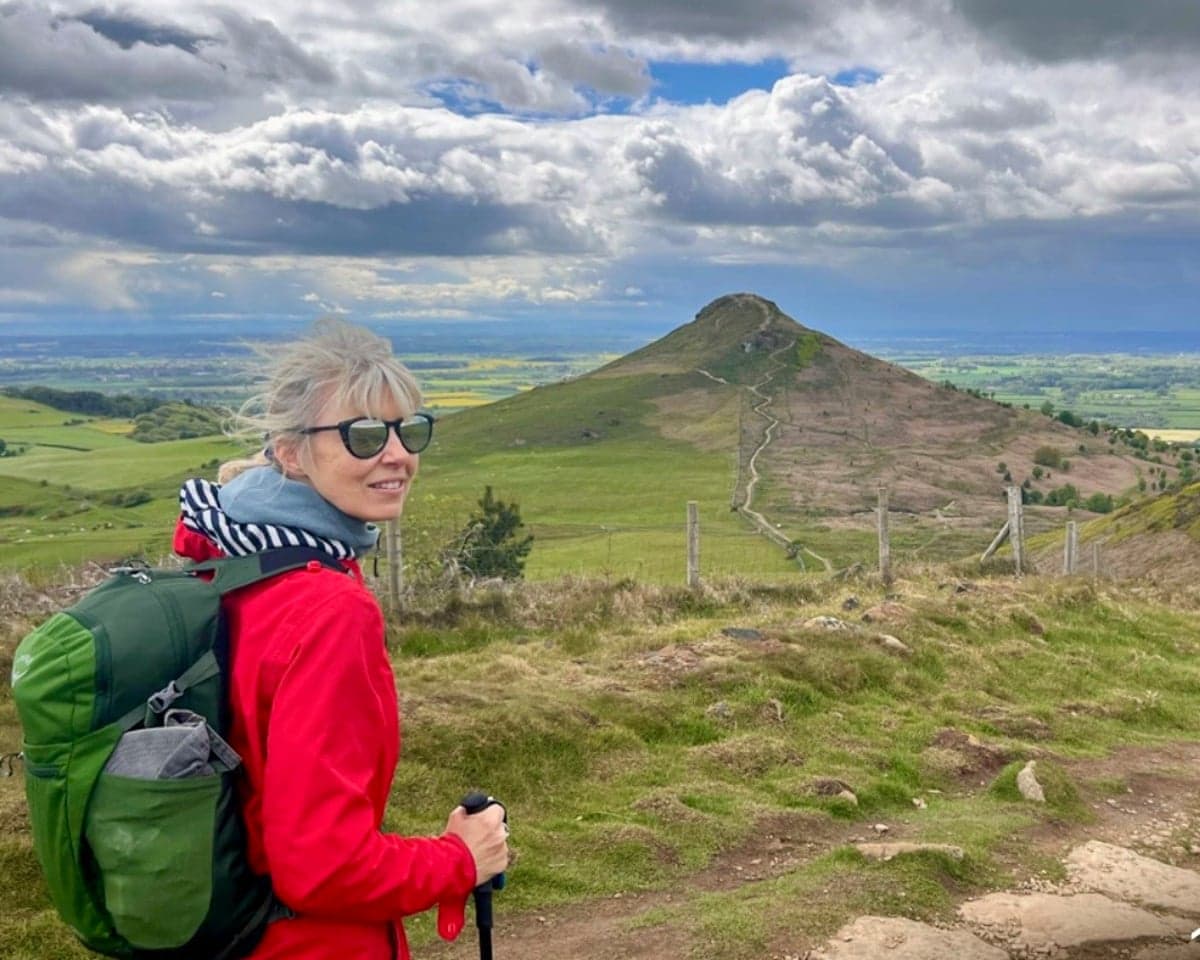
Walking alone through the countryside offers profound joy and freedom, yet many women find the prospect daunting. The good news: with thoughtful planning and the right route, solo hiking can be an empowering, restorative experience—and autumn is the ideal season to begin.
The author undertook her first solo hike during a sunny September seven years ago. After months of managing four teenagers and their friends, she craved solitude and the chance to walk at her own pace through quiet landscapes. Her initial hesitation stemmed not from loneliness but from practical anxieties: the risk of injury with no one nearby, encounters with strangers, or becoming hopelessly lost. Yet her desire for uninterrupted silence outweighed these concerns, and she set out anyway.
This experience mirrors a broader trend. Between 2020 and 2022, the proportion of women undertaking solo hikes in the UK increased by 27%. Across America, significant numbers report regularly walking alone. However, many women remain reluctant despite their interest. Research into solo female walkers reveals that 30% of women surveyed would like to hike solo but feel hesitant about doing so.
Women have a long, often overlooked history of solitary walking. Religious pilgrims, shepherds, and 19th-century adventurers have wandered alone through wild terrain for centuries. For those new to the practice, the most effective remedy for anxiety is simply to begin—and to do so thoughtfully.
What makes a good solo walking route?
The author's first hike followed a French canal—beautiful but sometimes isolating, with limited facilities and complicated access to accommodation. Over seven years of autumn walks, she has identified key features that transform a route from nerve-wracking to genuinely enjoyable: wide-open landscapes such as ridgeways, cliffs and hilltops; excellently waymarked, well-maintained paths like national trails; navigation-lite routes that follow rivers, canals or coastlines; and regions with established hiking traditions. She now avoids stretches of urban wasteland and selects landscapes that feel calming rather than threatening. The result: every walk has left her exhilarated, revitalised and confident in her own capability.
Why is autumn the best season for solo walking?
Autumn offers ideal conditions for solo hiking. Falling leaves improve visibility, temperatures remain pleasant, and daylight lasts long enough to reach your destination before dark. Importantly, the season attracts other walkers—enough to provide reassurance without the overwhelming summer crowds. The landscape itself becomes crisp and colourful, adding visual reward to the physical challenge.
How should you prepare for your first solo walk?
Beginners should start with a single day hike. Those considering multi-day walks should either pay for luggage transport or use a specialist tour operator to arrange routes, accommodation and bag transfers. Pack as lightly as possible, carry a non-digital map and walking poles, and always inform someone of your expected arrival time. Study your route thoroughly—including transport links and weather forecasts—before departure.
Safety considerations are important. According to government research, almost 9 in 10 female respondents reported feeling unsafe when walking alone after dark, highlighting the value of routes with good daylight hours and well-lit accommodation. The United Kingdom is ranked #31 safest country for solo female travellers, with an overall safety rating of 4.5 out of 5, and Europe occupies eight of the top ten spots in 2026's global safety rankings for women travellers, led by Iceland, Denmark and Ireland. These statistics underscore why European routes feature prominently in recommendations for women new to solo walking.
The Bernese Oberland, Switzerland
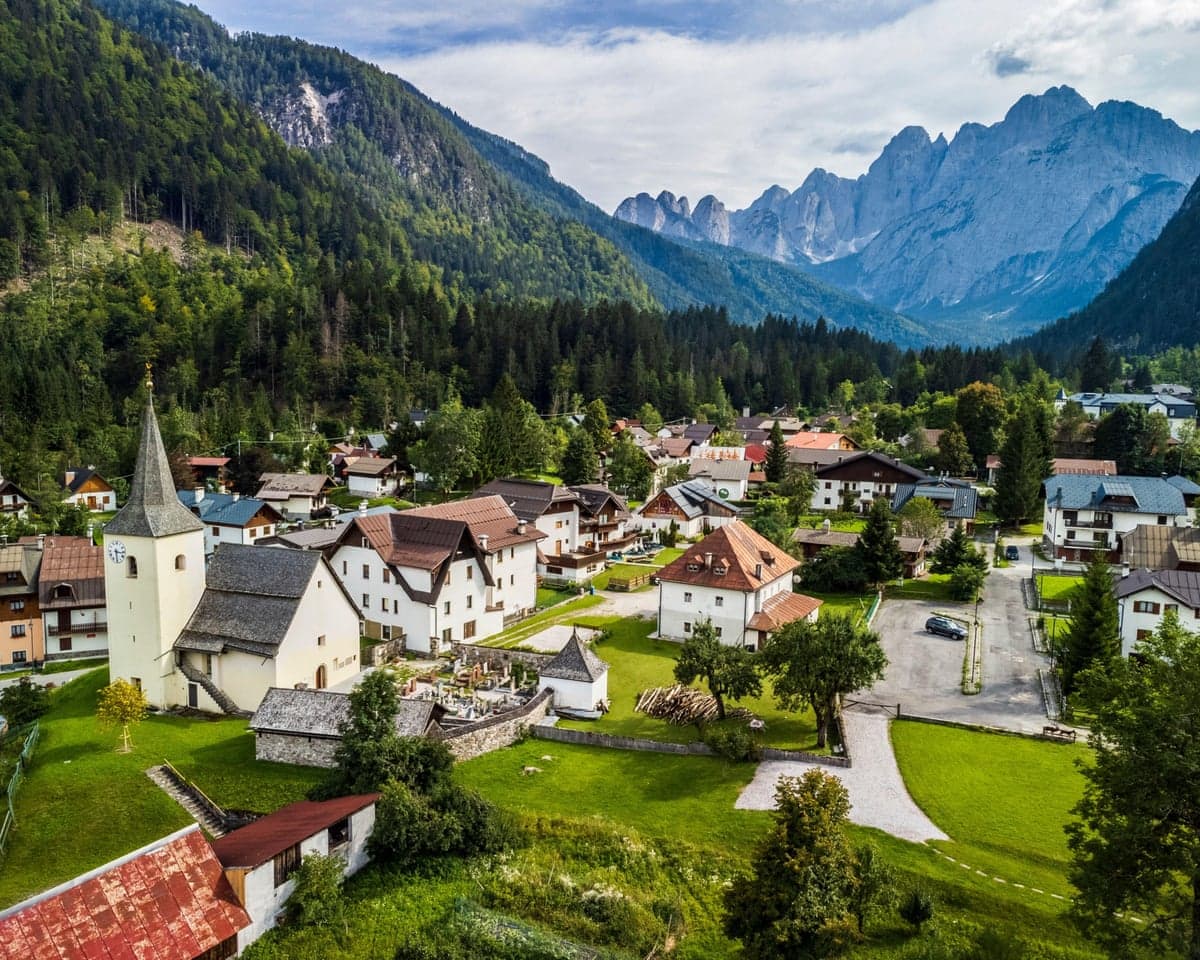
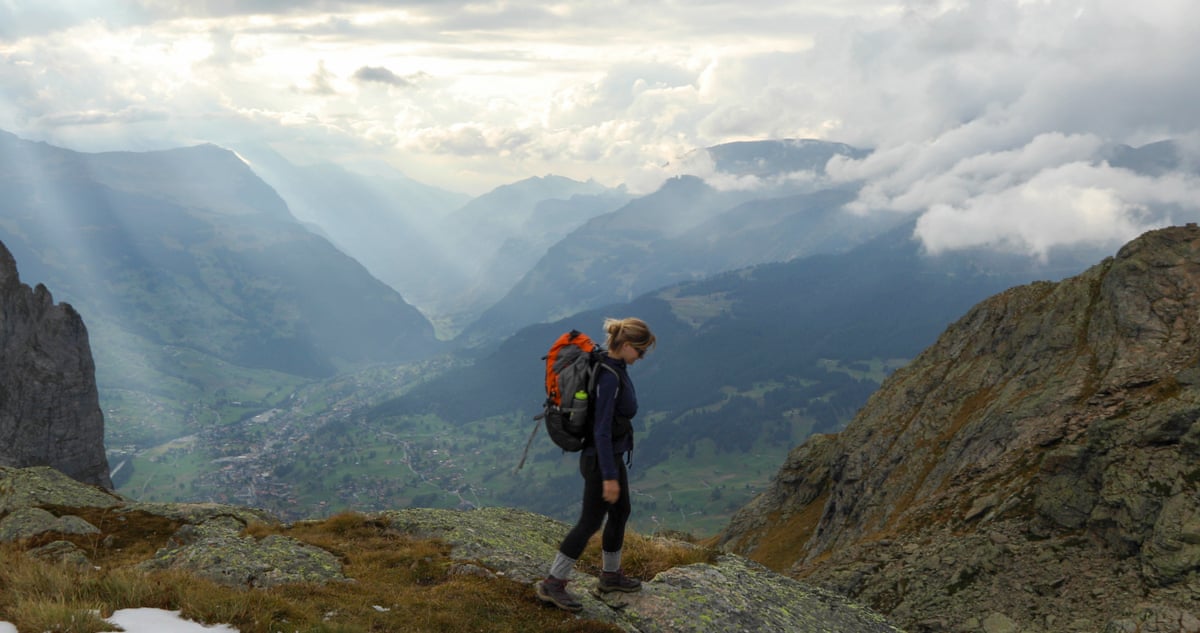
The Swiss Alps rank among the finest destinations for solo female walkers. Swiss women embrace solo hiking as a normal activity, so a lone female hiker attracts no attention. Waymarking is exceptional, scenery is breathtaking, and because Switzerland has a strong culture of farming and hiking, other people and phone signals are reliably present. Yet the mountainous terrain creates a genuine sense of wilderness and solitude. While summer brings tourist crowds, autumn transforms the landscape into a peaceful realm. Base yourself in the car-free villages of Wengen or Mürren, where farm-cafes serve homemade cakes and honesty boxes appear in the most remote locations. You will walk in the footsteps of dozens of 19th-century women who came here specifically to hike alone.

The South Downs Way, England
From Eastbourne to Kingston, near Lewes: 19 miles over 2 days
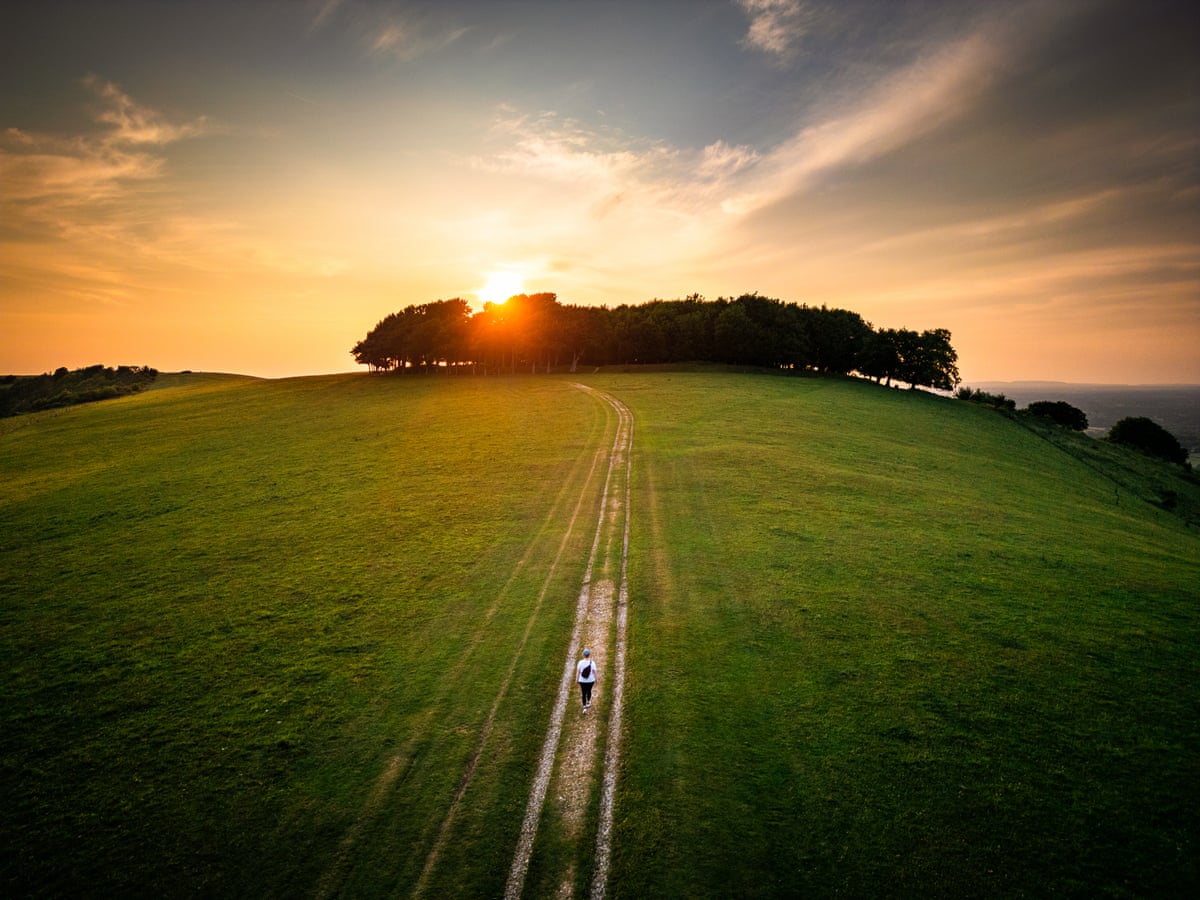
The UK offers numerous well-maintained trails, but the South Downs Way stands out for its expansive, clearly signposted route. In summer, the clifftop stretch from Eastbourne to Alfriston teems with visitors, but autumn brings a handful of dog walkers and panoramic views of dazzling sea and dramatic chalk cliffs. Just steps from the trail lie cultural destinations including the pretty village of Alfriston, Charleston Farmhouse (the museum home of the Bloomsbury set), and Rodmell, where Virginia Woolf's house welcomes visitors. This proximity to cultural landmarks ensures you never feel completely disconnected from civilisation while enjoying genuine solitude.
The Cleveland Way, Yorkshire
From Saltburn to Filey: 52 miles over 4 days
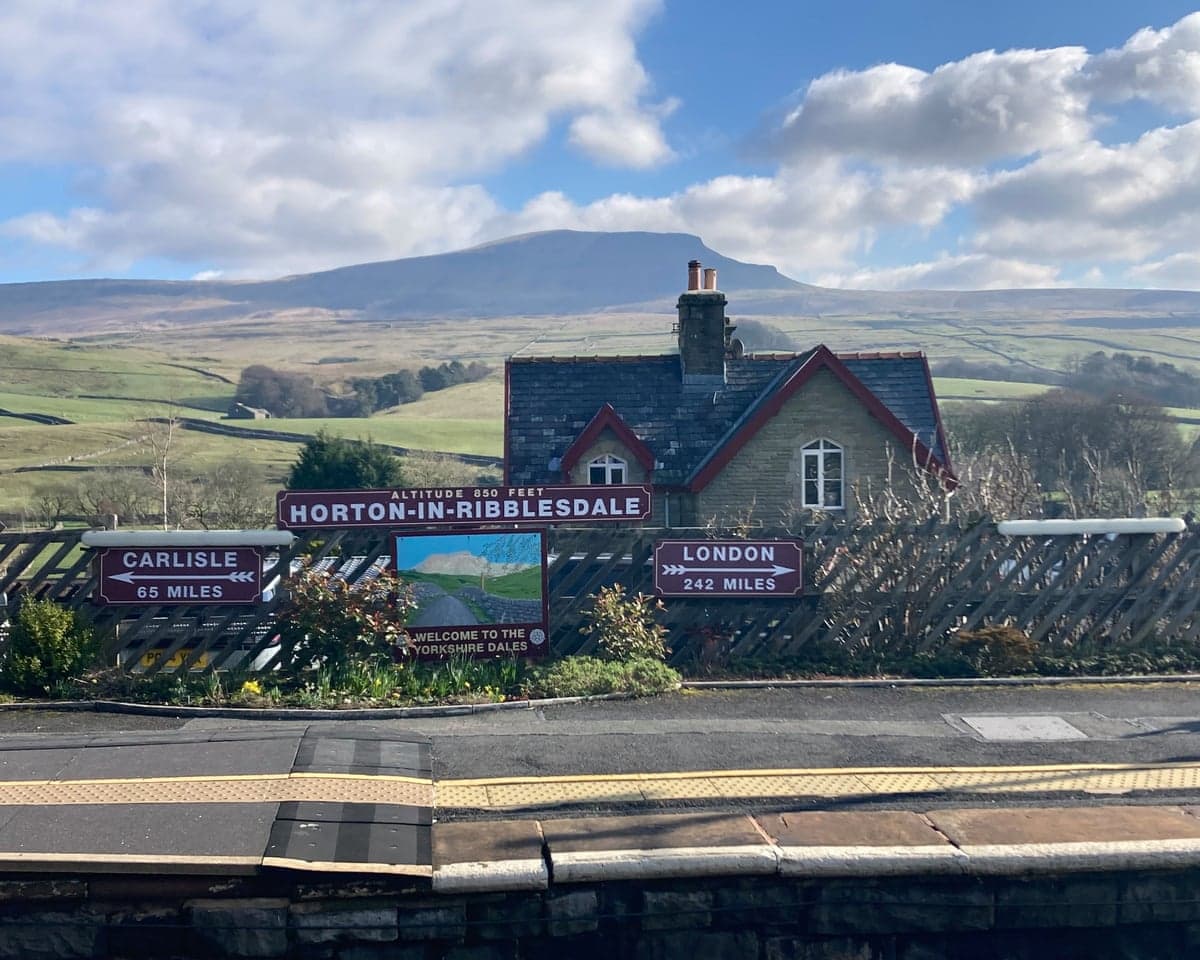
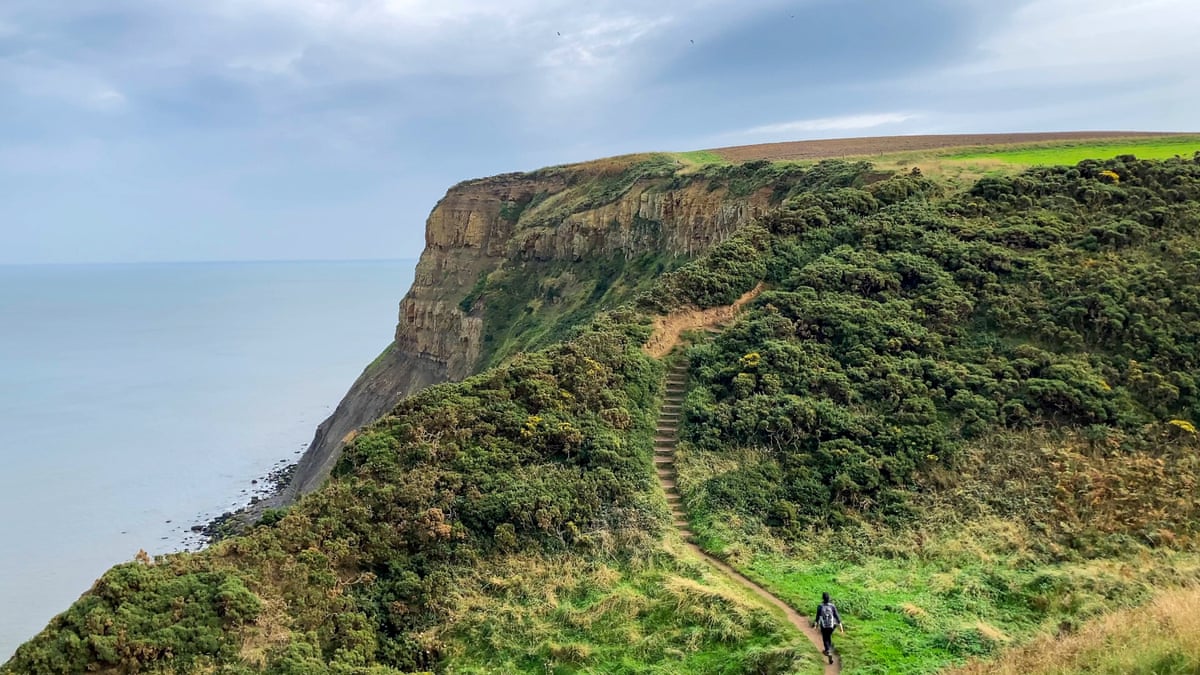
The Cleveland Way was the UK's second official national trail, guaranteeing well-maintained routes, excellent signage and glorious scenery spanning coastline and windblown moors. The moors can feel bleakly exposed in poor weather, so the four-day coastal section from Saltburn to Filey offers a superior experience, with quirky towns and villages providing interest and shelter. This is Yorkshire, where passing walkers offer plenty of conversation and the landscape delivers a romantically windswept atmosphere—an intoxicating blend for the solo hiker seeking solitude without complete isolation.
The Fishermen's Trail, southern Portugal
From Praia da Luz to Sagres: 27 miles over 3 days
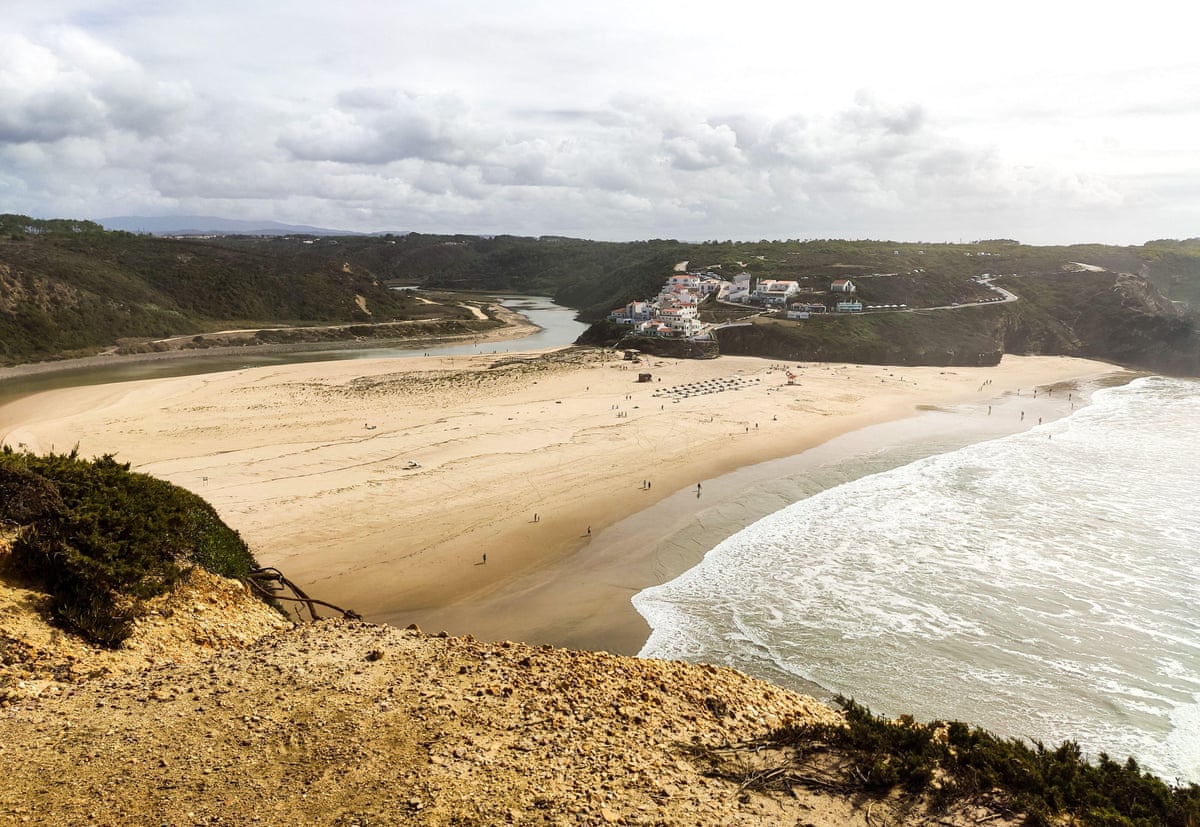
The Fishermen's Trail becomes uncomfortably hot in summer, but visited in autumn or early winter, temperatures are ideal and the sea remains warm enough for swimming. The route features enough rocky scrambling to feel adventurous and sufficient sandy coves for afternoon rest. This chain of old fishing villages offers abundant, inexpensive accommodation and fresh seafood. Like all sea-hugging routes, it is mostly impossible to get lost—simply follow the coastline. Notably, the author observed enough solo female hikers on the trail to feel pleasantly companioned rather than isolated.
The history and future of women's solo walking
Women's solo walking has deeper roots than contemporary culture often acknowledges. Recent solo hiking adventures in the Scottish Highlands continue a tradition stretching back centuries. Research into women undertaking solo pilgrimage walking and its impact on wellbeing demonstrates that the psychological and physical benefits of solitary walking are well-documented. The 19th-century writer Mathilde Blind captured the essence of this experience when, aged 19, she walked alone through the Bernese Oberland in 1860 without modern conveniences:
For once I felt truly free.
Her words, written without phone, GPS, waterproof clothing or modern safety equipment, resonate across generations. Today's solo female walkers inherit her legacy while benefiting from better routes, clearer signage, and a growing community of women who understand that solitude in nature is not something to fear but something to celebrate.
Annabel Abbs is the author of The Walking Cure and Windswept: Why Women Walk. She was a guest of specialist tour operators on their Coastal Algarve and Fishermen's Trail route, and on their Highlights of the Bernese Oberland route.