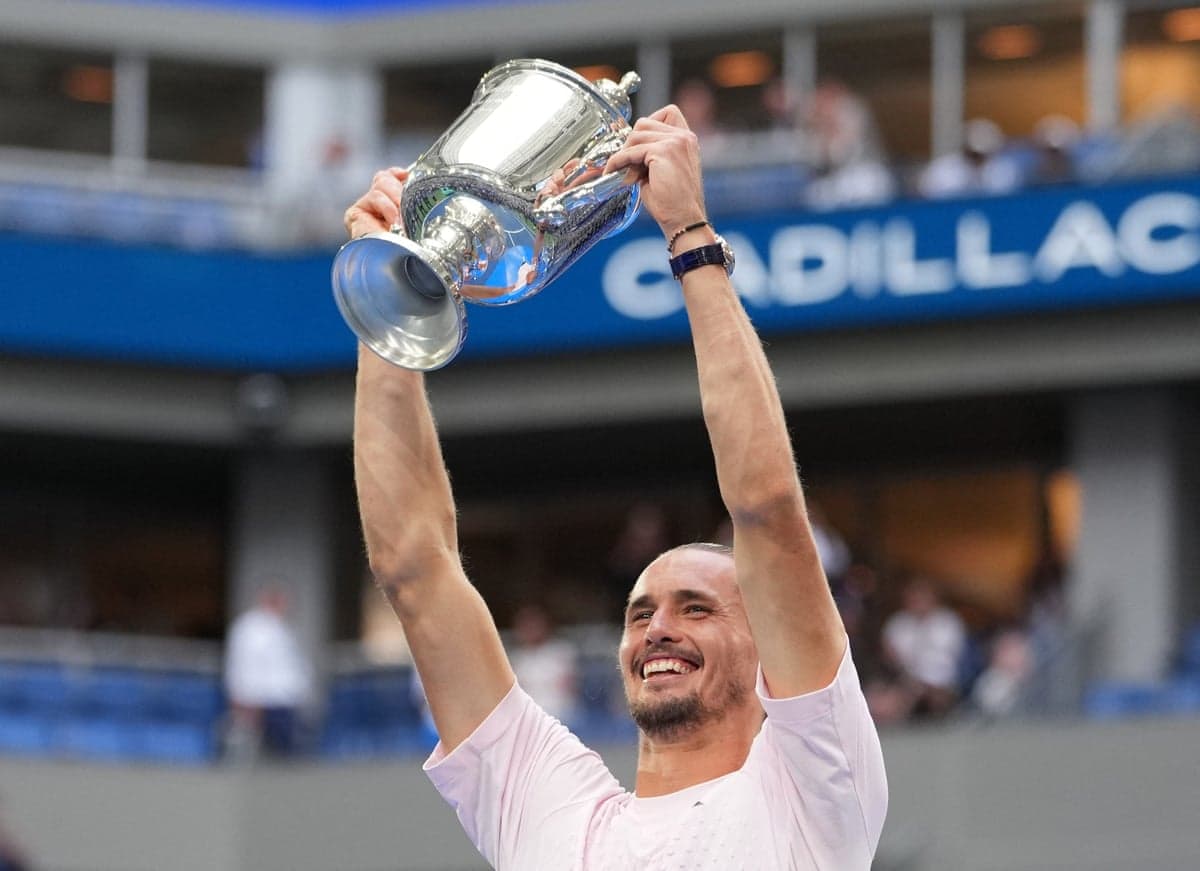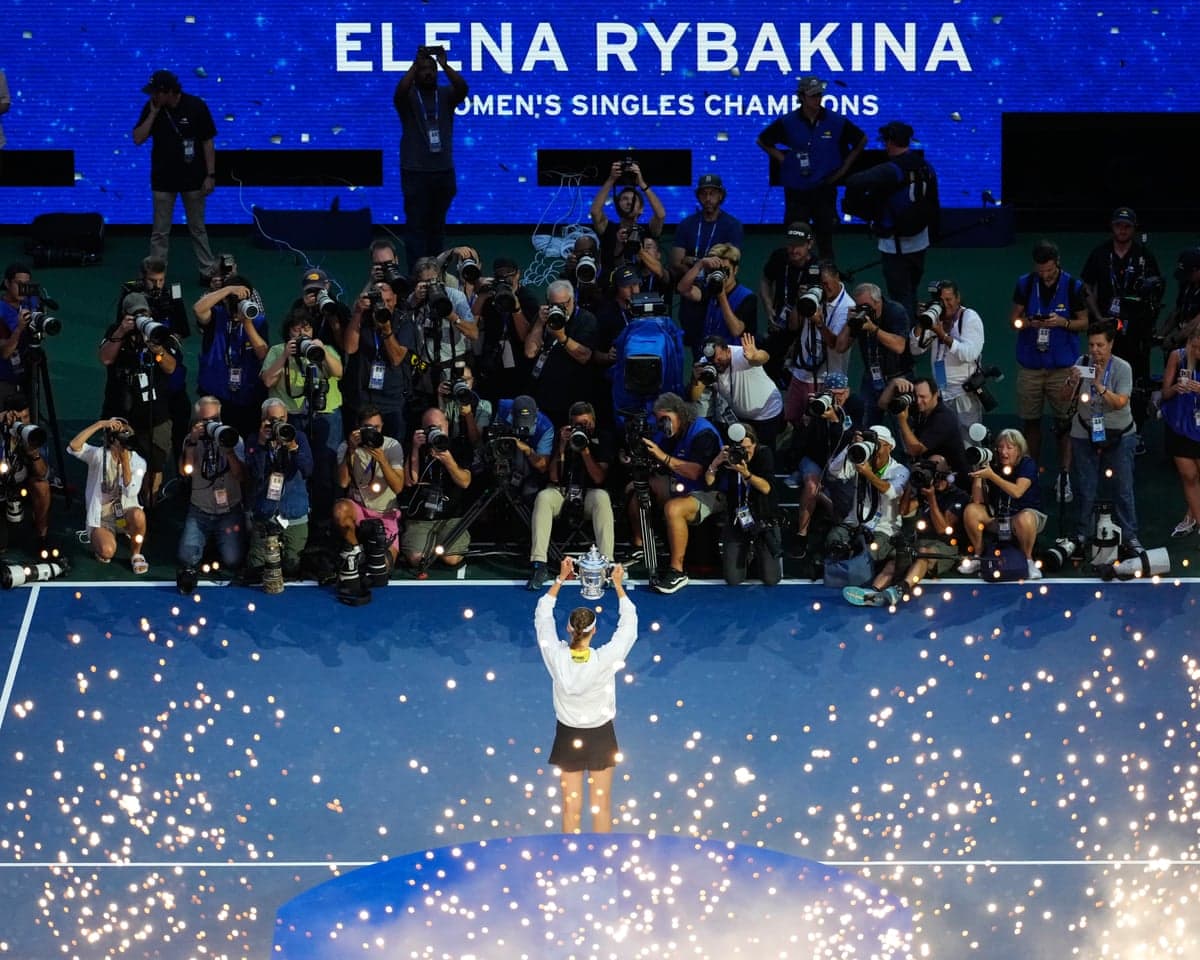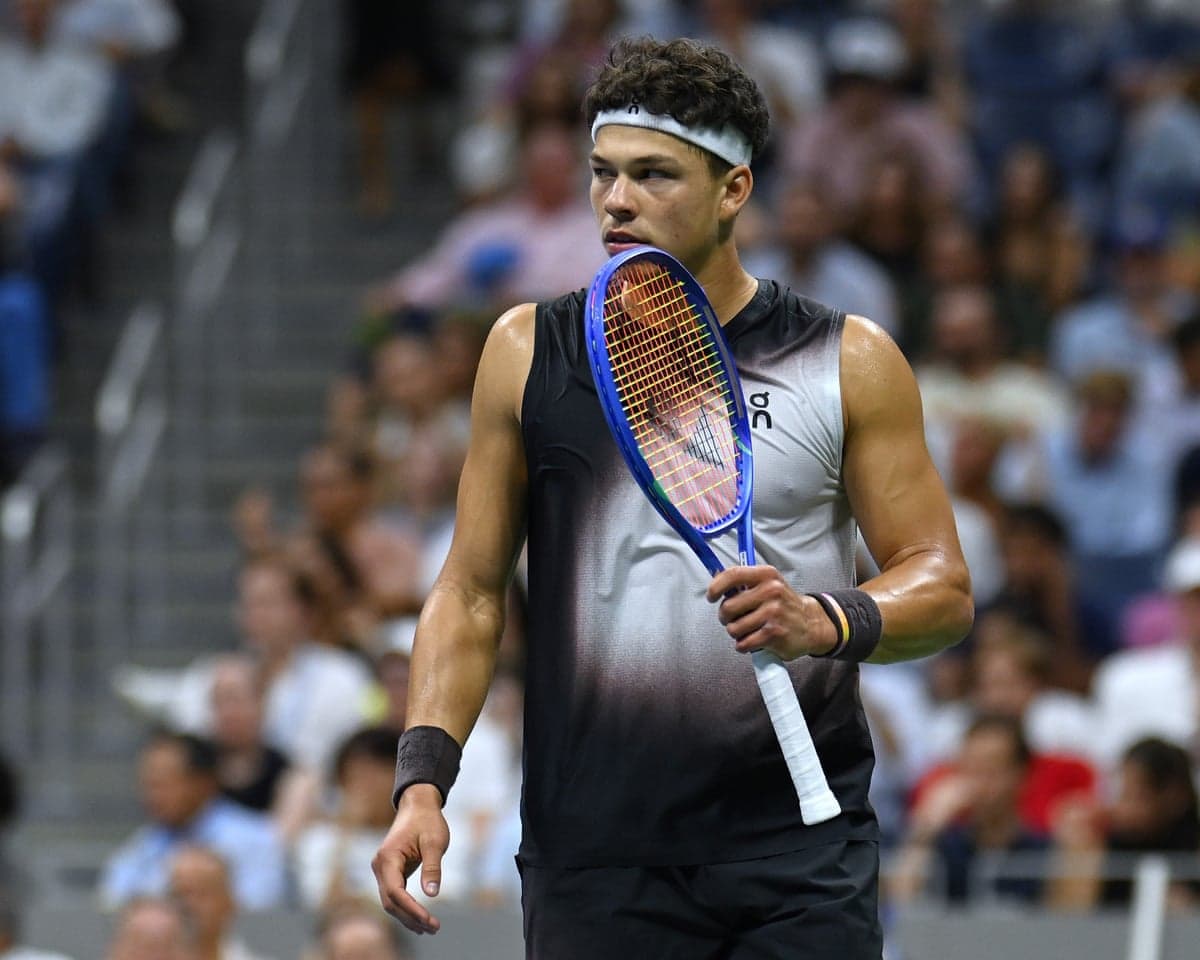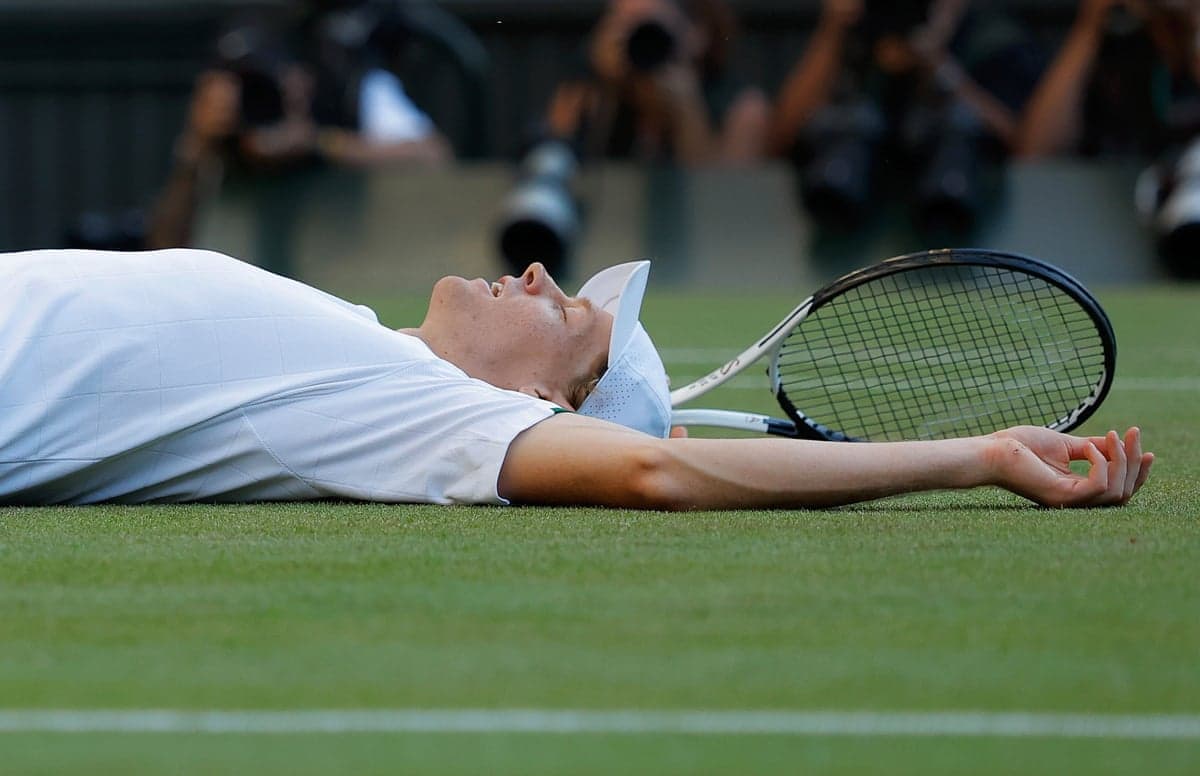
The world's leading tennis players have announced an end to their 18-month campaign against the grand slam tournaments over prize money, player welfare and consultation rights. The truce was declared in a statement released after the men's US Open final on Sunday, bringing to a close a dispute that included a media boycott at the French Open and a threatened action at Wimbledon.
Jannik Sinner and US Open finalist Aryna Sabalenka emerged as the most prominent voices advocating for the players' position, though Carlos Alcaraz stepped back from the campaign last month. The players had been pressing for three main concessions: a larger share of tournament revenues directed to prize money, financial contributions to player welfare and pension schemes, and formal representation through a dedicated player council.
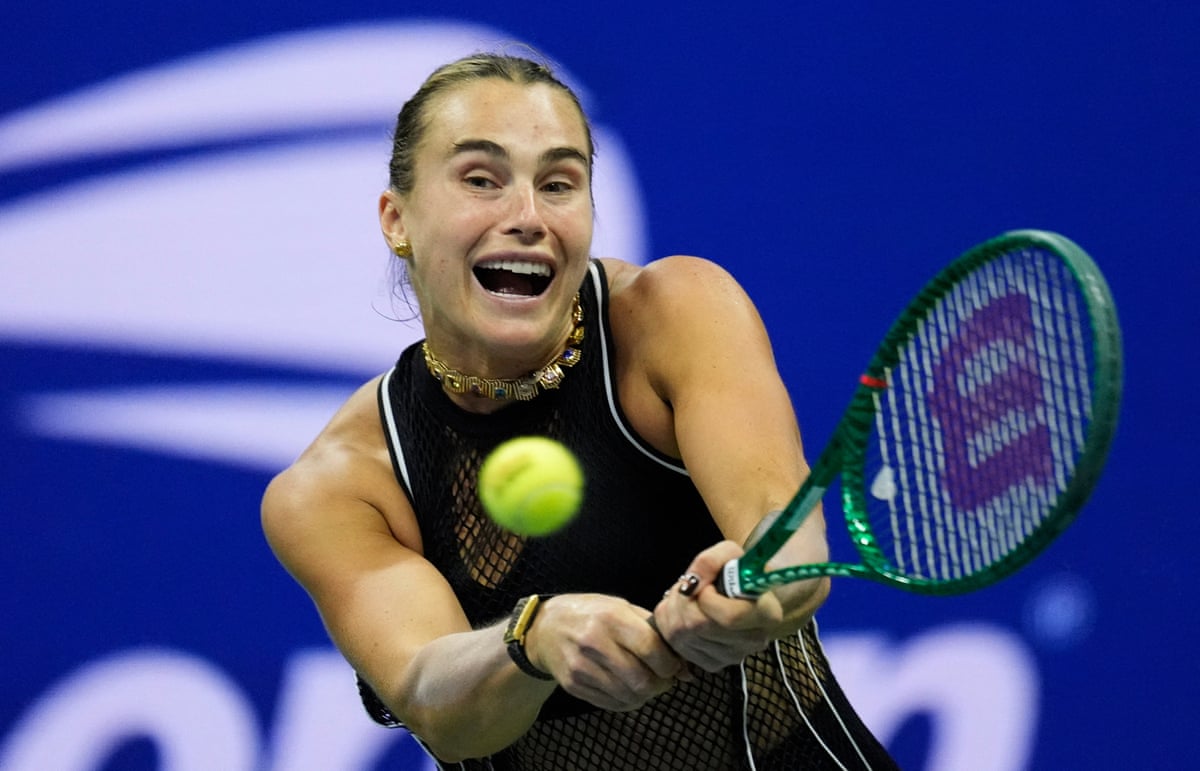
The breakthrough came after all four grand slam tournaments agreed to establish a formal advisory structure. According to , the four Grand Slam tournaments formally announced a Grand Slam Player Advisory Council set to launch after the 2026 US Open, with players invited to apply for seats on it. This development appears to have been the decisive factor in persuading players to suspend their public campaign.
What did players achieve?
The players claimed victories across all three areas of their campaign. The US Tennis Association committed to a $2 million contribution toward player welfare at the US Open this year, while prize purses across the grand slams have grown substantially, with the US Open's 2026 prize pool reaching a record $108 million. However, their target of allocating 22 percent of grand slam tournament revenues to prize money remains unmet, with the current figure standing at approximately 15 percent across all four tournaments. The French Open is the only grand slam to have indicated it will introduce a revenue-sharing formula.

Since the players submitted their formal proposal on 31 July 2025, prize money across the grand slam tournaments has grown to $415.6 million in total. Players estimate that more than $30 million of that increase reflects gains beyond the growth trajectory that existed before the campaign began.
How will the new council work?
The council was presented as a way to give players a direct forum with each grand slam individually on prize money, welfare and broader tournament matters, rather than requiring them to negotiate only through the ATP and WTA. Players will now work directly with the grand slams to establish the council structure, through which they will be directly consulted and able to negotiate on an ongoing basis.
In their statement, the players said:
"Now that a formal council exists to carry this work forward, the public phase of the campaign led by the unified group of top players comes to a close."They added that
"Players reserve the right to restart the campaign should the Council fail to deliver on these aims."
What happens next?
The council is expected to launch after the US Open, with its initial composition, framework and operating structure still being finalised with player input. The players have committed to working directly with tournament organisers on these details and have pledged to make no further public comment as a unified group on these issues at this time.
Key Facts
- The 18-month campaign included a media boycott at the French Open and a planned action at Wimbledon that was called off after concessions were made
- Prize money across the four grand slams has grown to $415.6 million since the formal proposal was submitted on 31 July 2025
- Players estimate more than $30 million of recent prize money increases reflect gains directly attributable to their campaign
- The target of 22 percent of grand slam revenues allocated to prize money remains unachieved, with the current figure at approximately 15 percent
- The new Grand Slam Player Advisory Council will launch after the 2026 US Open with player-selected representatives