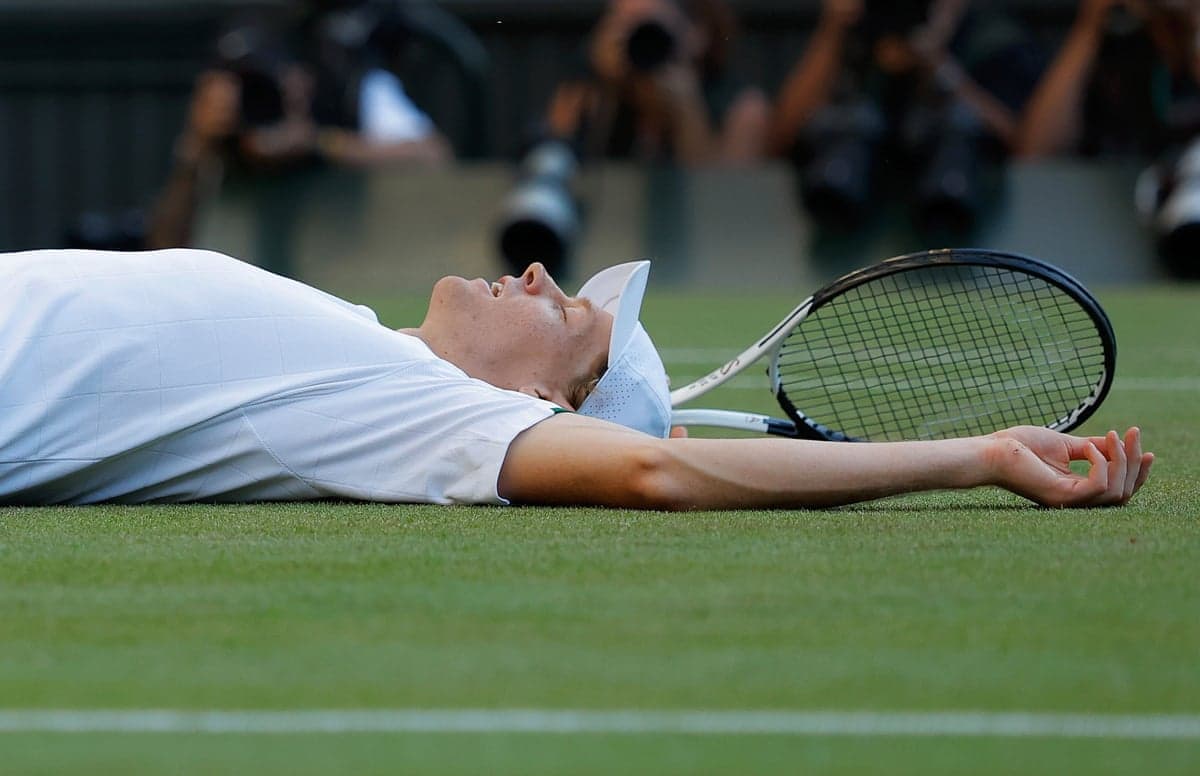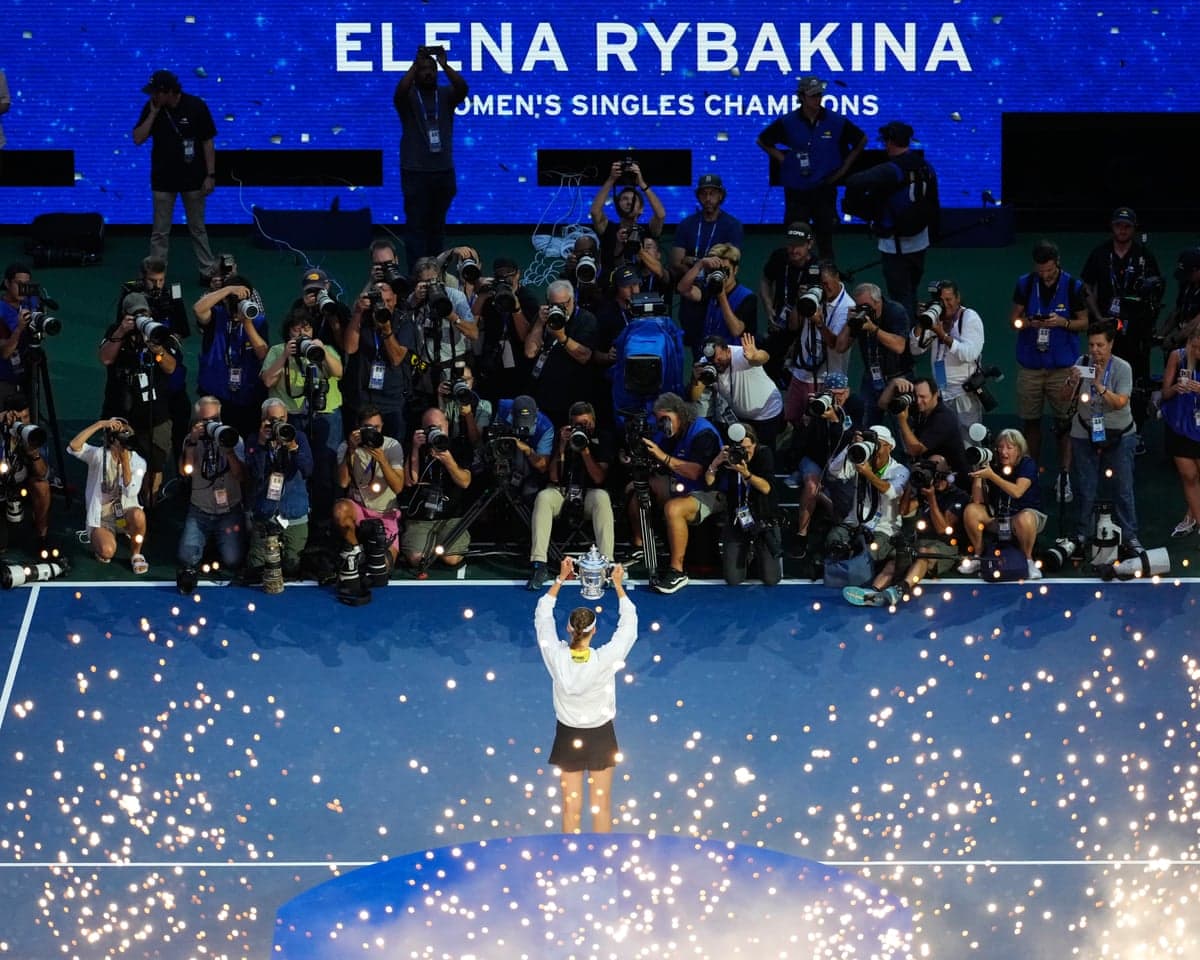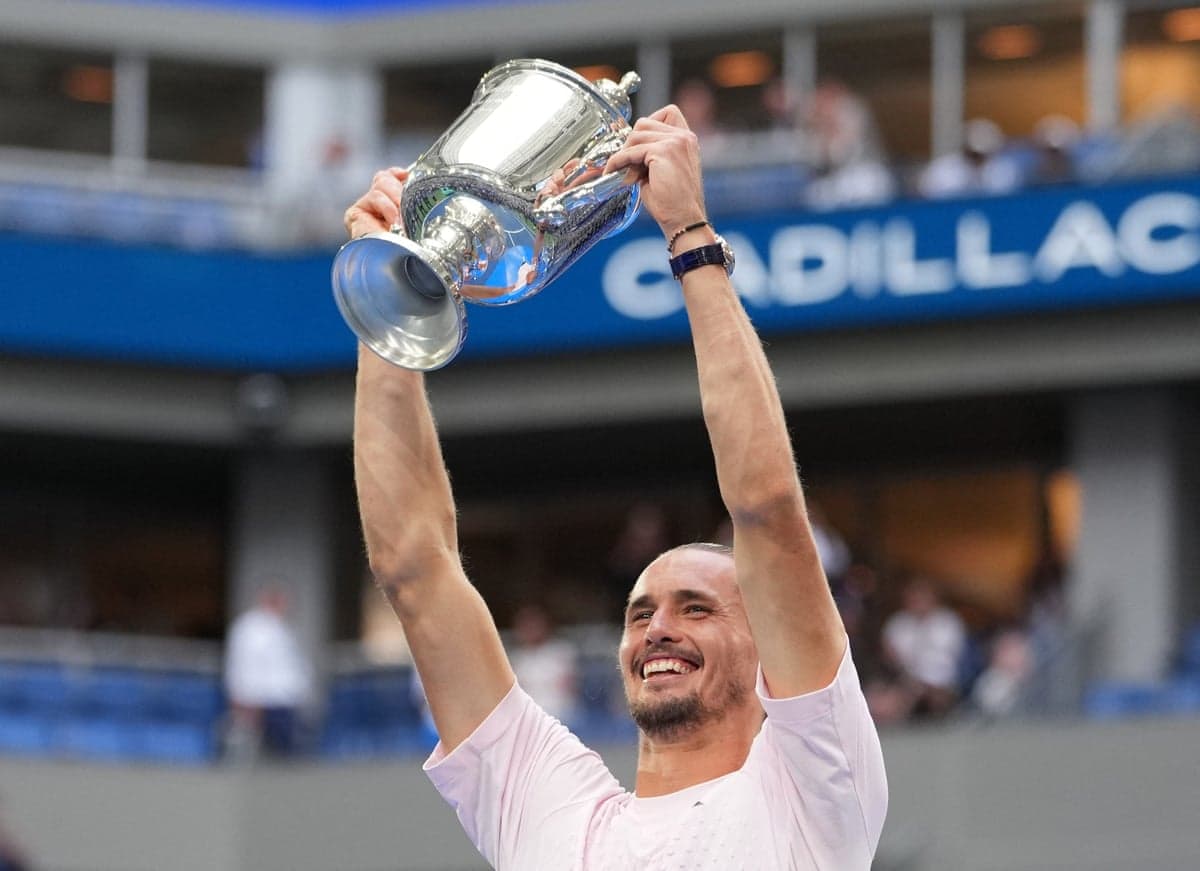
Alexander Zverev, the tournament's top seed, captured his first US Open championship on 13 September at Arthur Ashe Stadium, defeating American Ben Shelton 6-3, 7-6 (7-2), 5-7, 6-2 in a match that lasted nearly three hours. The victory marked Zverev's second Grand Slam title of 2026, cementing his status as one of the year's dominant forces in men's tennis and delivering what the 29-year-old German described as the culmination of years of struggle and dedication to the sport.
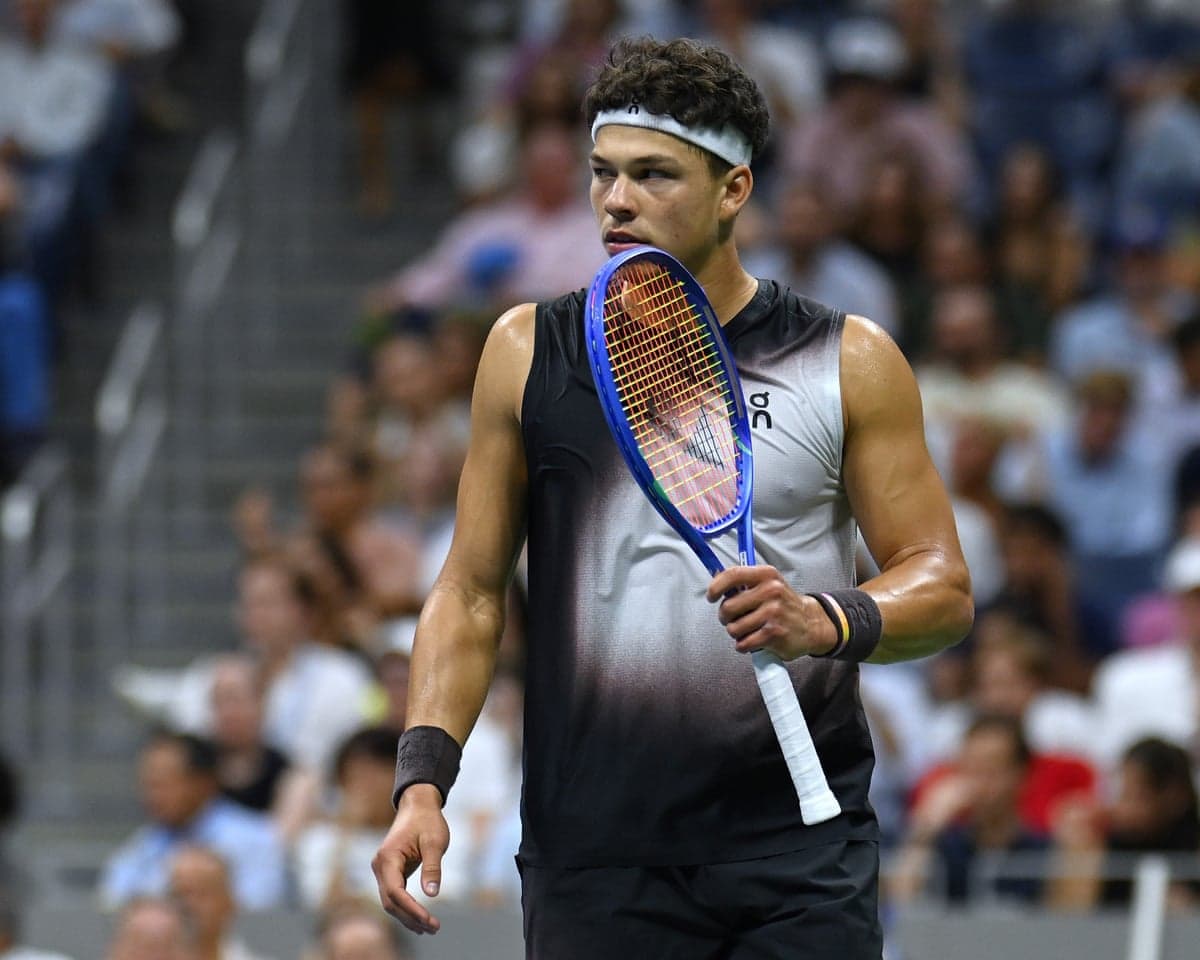
Shelton's hopes of becoming the first American man since Andy Roddick in 2003 to win the US Open were extinguished in the fourth set. The 24-year-old had mounted a spirited comeback to force a deciding set after trailing by two sets, but could not sustain the momentum against Zverev's superior serving and baseline consistency. Shelton became the first Black American man to reach the US Open final since Arthur Ashe in 1972, a historic achievement despite the loss.
Shelton had reached the final by defeating Frances Tiafoe 4-6, 6-3, 6-3, 7-5 in the semifinals, while Zverev advanced past Karen Khachanov 6-3, 7-6(9-7), 7-6(8-6) in his own semifinal. The American's path to the final had included a stunning five-set victory over defending champion Carlos Alcaraz in the quarterfinals, a result that guaranteed an American finalist for the first time since 2003.
Zverev did not immediately recognise he had secured victory when Shelton's return went long on championship point, only breaking into a broad smile after his team pointed out the score to him. Addressing his coaching team, which is led by his father Alexander senior and brother Mischa, Zverev said:
We went 30 years without winning a Grand Slam title and now won two in the span of three months. I think God has seen how hard we have work, how hard we have suffered and how much pain we went through. I think 2026 is the outcome of all the years that happened before.
How did Zverev dominate the early stages?
Zverev's superior serving proved decisive from the opening game. A visibly tense Shelton committed critical errors at crucial moments in the first set, double-faulting on break point in the opening game and again on set point to gift Zverev two breaks of serve. The German's first-serve percentage of 69% and first-serve point-winning rate of 85% established immediate control. Shelton's forehand, typically a weapon, proved erratic and unreliable against Zverev's elite two-handed backhand, which consistently neutralised the American's attacking opportunities.
The second set followed a similar pattern, with Shelton managing to build rhythm behind his service games and force a tiebreak, but Zverev's composure in the decisive moments proved overwhelming. The German seized the first mini-break with an excellent forehand passing-shot winner off a timid approach from Shelton, then clinched the second mini-break with a vicious down-the-line forehand. Two unreturned serves later, Zverev led 5-0 in the tiebreak, effectively deciding the set. Unlike in the 2020 US Open final when he lost from a two-set lead, Zverev kept his composure in the pressure moments to secure a commanding position.
What sparked Shelton's comeback attempt?
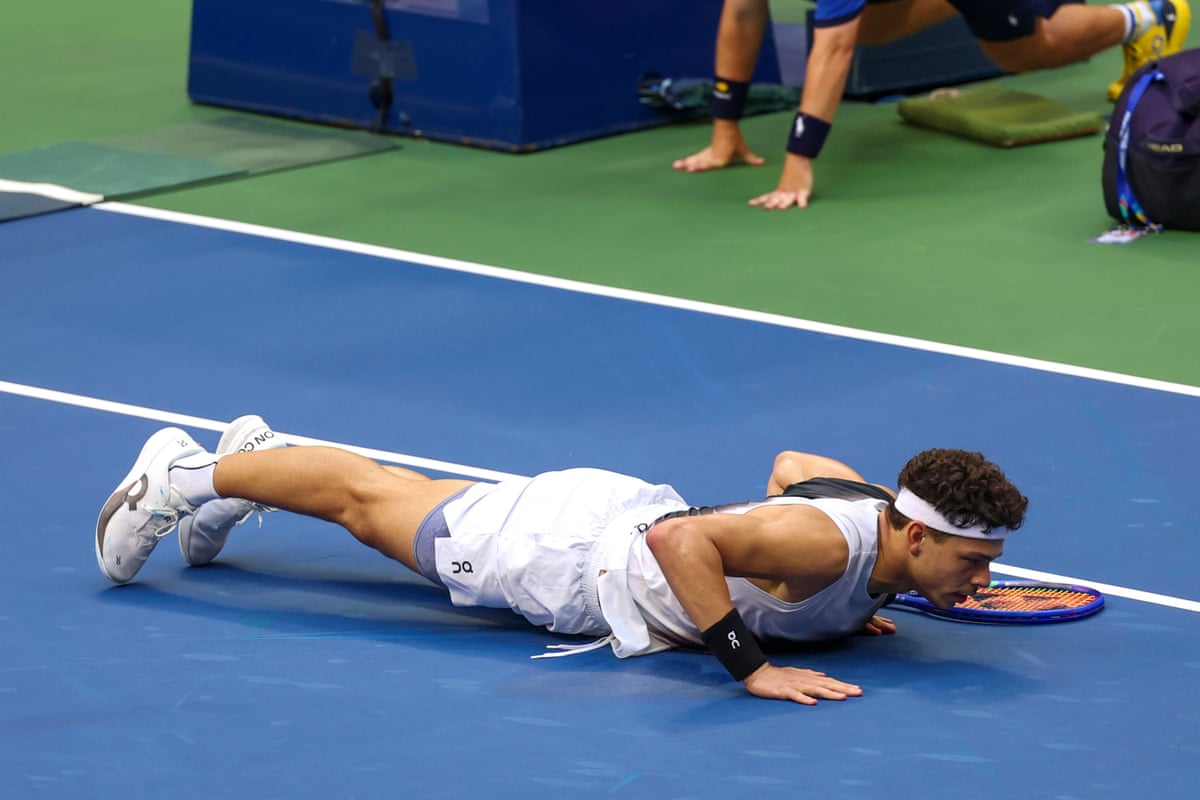
After nearly three hours of being outserved and outplayed, Shelton found an unexpected lifeline at 6-5 in the third set. One game from defeat, the American finally broke through Zverev's service, bursting into the return game with aggressive forehand strokes and forcing a fourth set. He pumped his fist and cupped his ear to the crowd, attempting to initiate a dramatic momentum shift that briefly suggested a potential comeback. The momentum shift provided encouragement to the partisan crowd at Arthur Ashe Stadium, but Zverev quickly reasserted his authority early in the fourth set.
However, the fourth set revealed the fragility of Shelton's resurgence. He opened the set with a shaky service game, immediately losing his serve at the start of the set. Although he worked hard throughout the remainder of the match, Zverev's consistency proved insurmountable, and the German closed out victory with a 6-2 fourth-set scoreline.

What does this achievement mean for Zverev's season?
Zverev has become just the fourth man in the Open Era, after Jimmy Connors, Guillermo Vilas and Jannik Sinner, to win his first two Grand Slam titles in the same season. Having begun 2026 desperately searching for his maiden major championship, the German has demonstrated remarkable consistency and mental strength in major tournaments. At the start of the season, few observers would have backed Zverev to win two Grand Slams, with the German having already lost three major finals in a career which looked in danger of not living up to expectation.
The German's success comes during a season disrupted by injuries to top rivals. Carlos Alcaraz returned to competition at this tournament following a lengthy injury layoff, while Jannik Sinner faced physical challenges throughout the year and was ruled out of the US Open. These circumstances presented numerous players at the sport's elite level with opportunities to compete for major titles, yet few managed to position themselves in genuine contention. Zverev's ability to capitalise on these openings underscores his improved consistency at the highest level. A below-par Zverev scraped through the opening rounds at Flushing Meadows in a series of early-morning finishes, but he gradually improved over a fortnight where he did not play a top-20 opponent until Shelton.
Following his US Open triumph, Zverev will remain as world number two but has closed the gap on Sinner at the top of the rankings.
How does this match reflect their head-to-head record?
Zverev now leads Shelton 6-0 in their head-to-head record, a comfortable matchup for the German throughout their rivalry. The disparity reflects fundamental differences in their games: Zverev's superior serving, steadier baseline play and elite two-handed backhand have consistently neutralised Shelton's attacking strengths. The American's return of serve and ground game, while improving, remain areas where elite opponents can exploit weaknesses. Zverev had not dropped a set against Shelton in all five of their previous meetings before this final.
What is the significance of Shelton's run?
Despite the loss, Shelton's 2026 US Open campaign represents a watershed moment in his career. The 24-year-old captured his second Masters 1000 title at the Canadian Open earlier in the summer, reached his first Grand Slam final and achieved a new career-high ranking of No. 4. His semifinal victory over Tiafoe was only the second all-American men's US Open semifinal in the past two decades and the first-ever meeting between Black men at that stage of the tournament.
Shelton's trajectory demonstrates continued improvement after a difficult Wimbledon campaign, where he exited in the first round to Otto Virtanen. His success at the US Open, despite the final loss, is testament to his development as a player and suggests significant potential for future major championship runs. At 24 years old, deficiencies in his ground game and return of serve remain correctable through continued refinement and experience against elite opposition.
What are the broader implications for Zverev?
For many tennis fans and viewers worldwide, Zverev's on-court success remains complicated by off-court allegations. He has been accused by two former girlfriends, Olya Sharapova and Brenda Patea, of physical abuse. In June 2024, during his run to the French Open final, Zverev settled an assault case in Germany with his ex-girlfriend and the mother of their daughter, with a court spokesperson stating:
The truth remains open.Zverev has consistently denied all allegations against him. At the Australian Open in 2025, he was heckled by a fan before his trophy ceremony speech, with the spectator declaring:
Australia believes Olya and Brenda.However, his three Grand Slam finals appearances in 2026 have progressed without incident, and he remains a popular player at major tournaments.
Prize money and financial implications
The winner's prize money for the 2026 US Open men's singles title was set at $5.5 million, with the runner-up receiving $2.8 million, according to tournament prize distribution.
Key Facts
- Zverev won 6-3, 7-6 (7-2), 5-7, 6-2 on 13 September at Arthur Ashe Stadium in New York
- The German became the fourth man in the Open Era to win his first two Grand Slam titles in the same season
- Shelton's loss ended his bid to become the first American man to win the US Open since Andy Roddick in 2003
- Shelton became the first Black American man to reach the US Open final since Arthur Ashe in 1972
- Zverev leads Shelton 6-0 in their head-to-head record