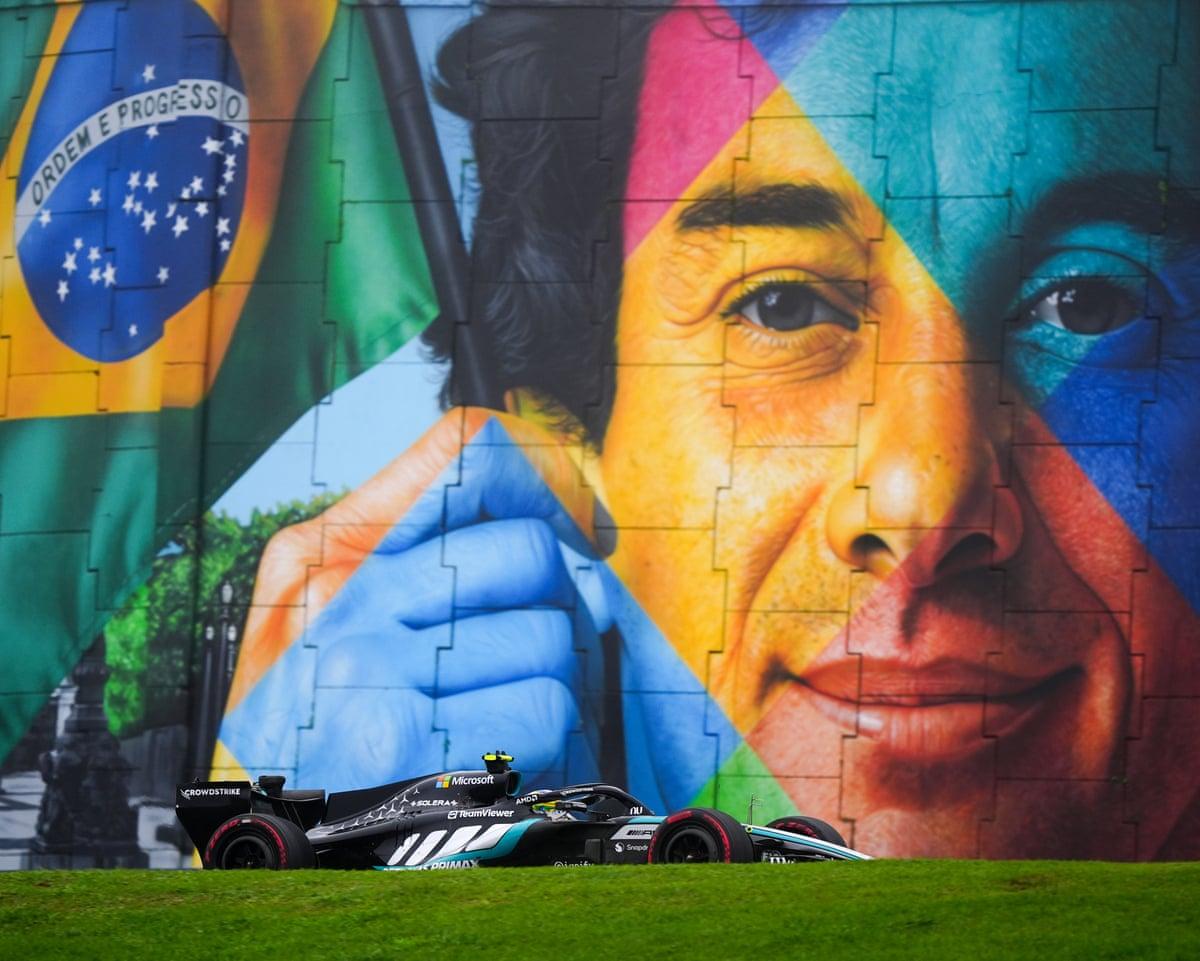
Mercedes team principal Toto Wolff has cautioned that it remains premature to draw parallels between his newly crowned world champion Kimi Antonelli and Ayrton Senna, though he acknowledged the Italian driver may eventually develop into a figure worthy of such comparison. According to The Guardian, Wolff expressed concern about placing excessive pressure on the 20-year-old by invoking the legacy of the Brazilian legend who claimed three world titles before his fatal crash at Imola in 1994.
Antonelli secured his maiden Formula One world championship at the Mexican Grand Prix, where he finished fifth and helped Mercedes clinch their ninth constructors' championship alongside their first drivers' and constructors' double since 2020. According to AP News, the Italian became Formula 1's youngest-ever world champion at 20 years and 68 days old, and is the first Italian driver to win the F1 drivers' title since Alberto Ascari in 1953.
The young driver has long admired Senna, growing up by watching footage of the Brazilian's races. Antonelli selected car number 12 in homage to the number Senna employed during the early stages of his career, and has already confirmed he will retain this number for the upcoming season rather than switching to number 1, which is customarily available to the reigning world champion.
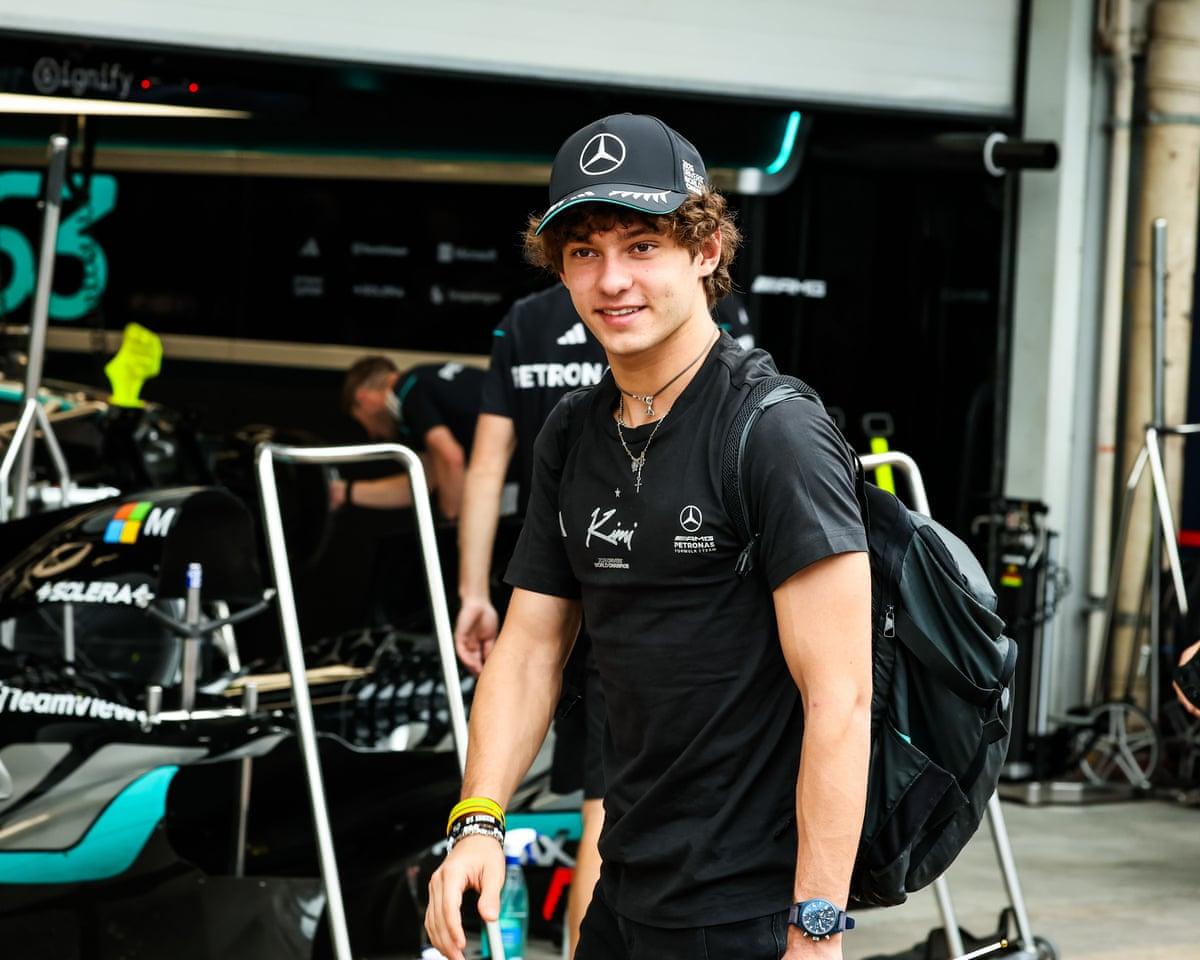
During a visit to Brazil ahead of the São Paulo Grand Prix, Antonelli met with members of the Senna family at their estate, where he paid respects at the Brazilian's grave. He shared an image on social media showing himself seated in Senna's Lotus 98T, the vehicle the Brazilian piloted to victories at the Spanish and Detroit Grands Prix in 1986 and which displays the number 12.
I will carry these memories with me forever,Antonelli posted alongside the photograph.
Senna's niece Paula presented Antonelli with a sculpture she had crafted of her uncle and expressed her delight at observing what she characterised as Antonelli's
special character.The Senna family has embraced the Italian driver, affectionately referring to him as Senninha—Portuguese for
little Senna—a term also used as the title of a comic book series inspired by the Brazilian driver.
Why Wolff Resists Direct Comparisons
Wolff articulated his reservations about drawing direct parallels between Antonelli and Senna, emphasising that such comparisons risk burdening a young athlete with unrealistic expectations.
Comparing Kimi to Senna? I was always not very keen in having this comparison because Senna is a giant of the sport,Wolff stated.
Who he was as a person, who he was as a racing driver and I feel that setting these standards for a 20-year-old driver is a lot of pressure.He continued by saying,
That's why I want to, how can I say, not compare him at this stage. He's Kimi; Senna was Senna.
However, Wolff acknowledged the Senna family's perspective on the matter, noting their warm reception of the Italian.
It's sweet to see that how the Senna family embraces him. They say that it's the first time that it looks like there is a second Senna,Wolff observed.
And that is the first time that you can say, OK, he's a little bit like him. But maybe at that stage he's a Senninha and not a Senna yet. So let the Senninha develop, let him become a Senna.
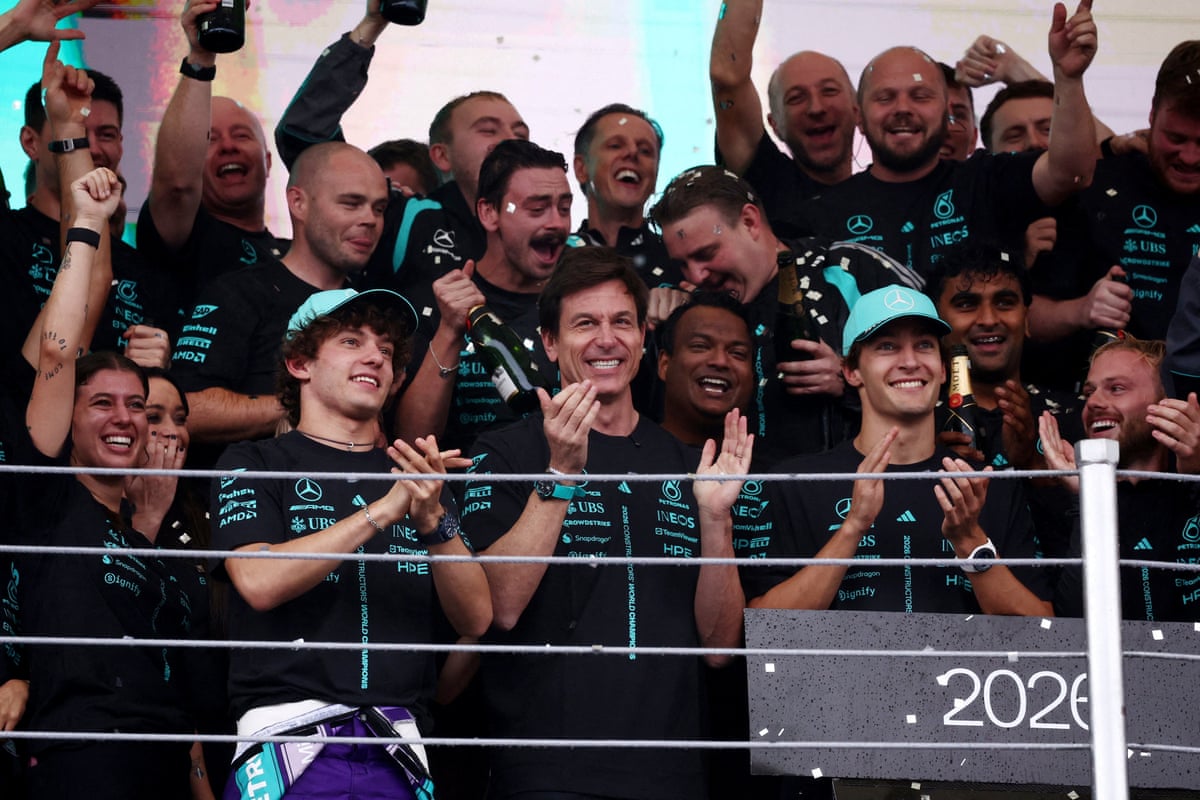
Antonelli's championship triumph has generated considerable expectations that he will accumulate multiple world titles throughout his career. Yet Wolff cautioned against assuming Mercedes will enter a sustained period of dominance comparable to their previous era of success, when the team secured eight constructors' championships and seven drivers' titles between 2014 and 2021.
What Does Mercedes' Future Competitiveness Look Like?
Despite clinching both titles with three races remaining and operating the quickest car during the first half of the season, Wolff does not anticipate Mercedes will experience another extended run of unchallenged superiority. The team has faced intensifying competition from Red Bull, McLaren, and Ferrari as the season progressed.
It looks like the most maybe competitive era that is about to start, because the teams have become so professional in capability, in resource, that these kind of runaway seasons, I don't see them any more,Wolff explained.
He illustrated the volatility of modern Formula One by describing how rapidly circumstances can shift.
You can see how quickly it goes from being dominant and within a few races you realise that your upgrade doesn't work and you fall back and you're just third on the road. It's great for the sport. I wished it was the era of Mercedes and me running away with another few championships. I don't think it's the reality.This assessment reflects the increasingly balanced nature of contemporary Formula One competition, where technological parity among leading teams has narrowed performance margins considerably.
Antonelli's ascent has been remarkable throughout the 2026 season. Earlier in the campaign, he surged from 19th position to victory at the Italian Grand Prix, a performance that extended his championship lead and prompted Wolff to compare his development to artificial intelligence. More recently, Wolff has praised Antonelli as a role model for modern Formula One, contrasting his integrity and humility with other drivers on the grid.
What Happens Next?
The next scheduled race is the Las Vegas Grand Prix, taking place November 19–21, 2026. With the championship already decided, the final races of the season will determine the final constructors' standings and provide opportunities for other drivers to secure victories before the campaign concludes.