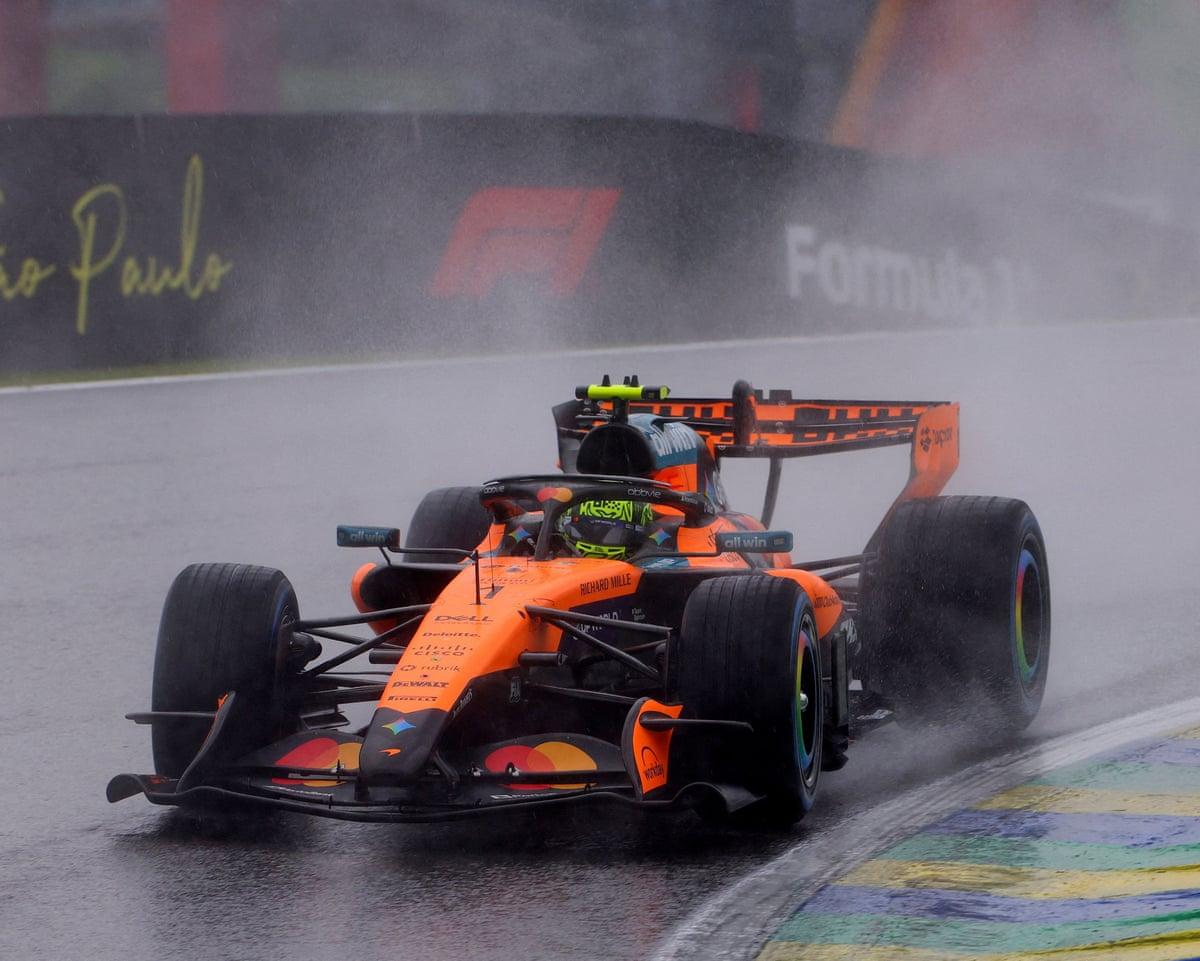
Lando Norris claimed pole position for McLaren at the São Paulo Grand Prix on Saturday, 7 November 2026, setting a time of 1 minute 27.470 seconds in treacherous wet conditions at Interlagos. According to The Guardian, George Russell of Mercedes finished second in qualifying but faces a five-place grid penalty, which will shuffle the front row significantly before Sunday's race.
The qualifying session extended to two and a half hours due to persistent heavy rain and standing water on the track. Russell's penalty promotes Ferrari's newly crowned world champion Kimi Antonelli to second on the grid, with Racing Bulls driver Liam Lawson moving to third. According to Motorsport Week, Norris's winning margin over Russell was 0.204 seconds.
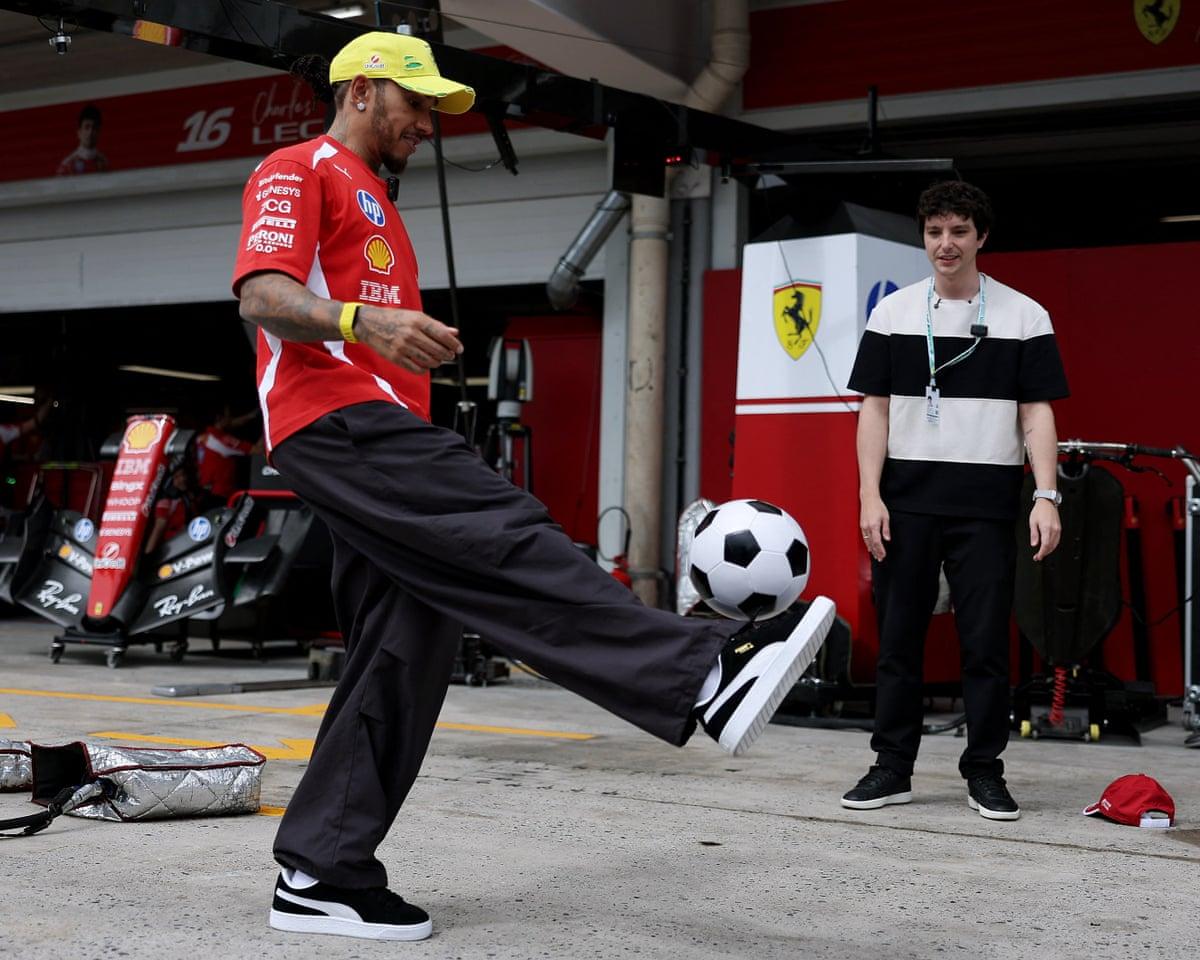
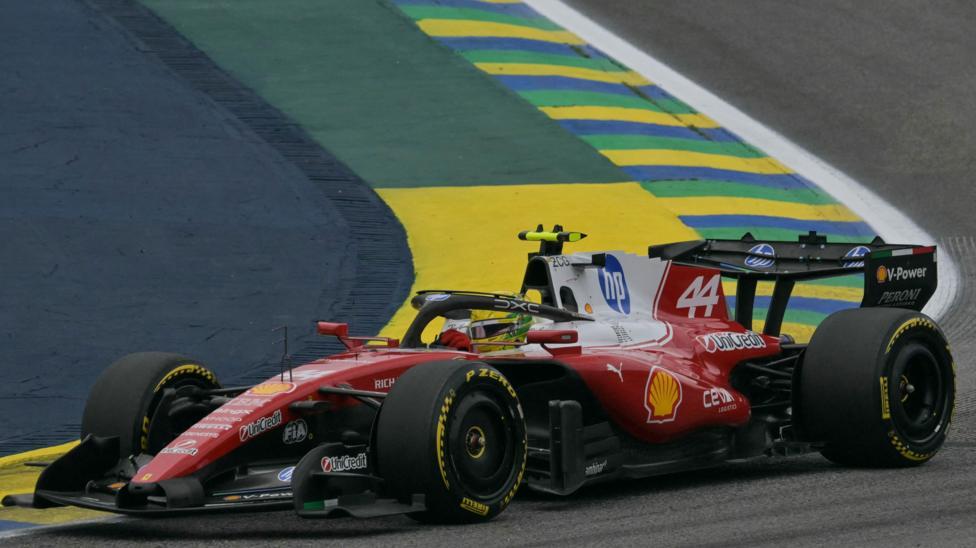
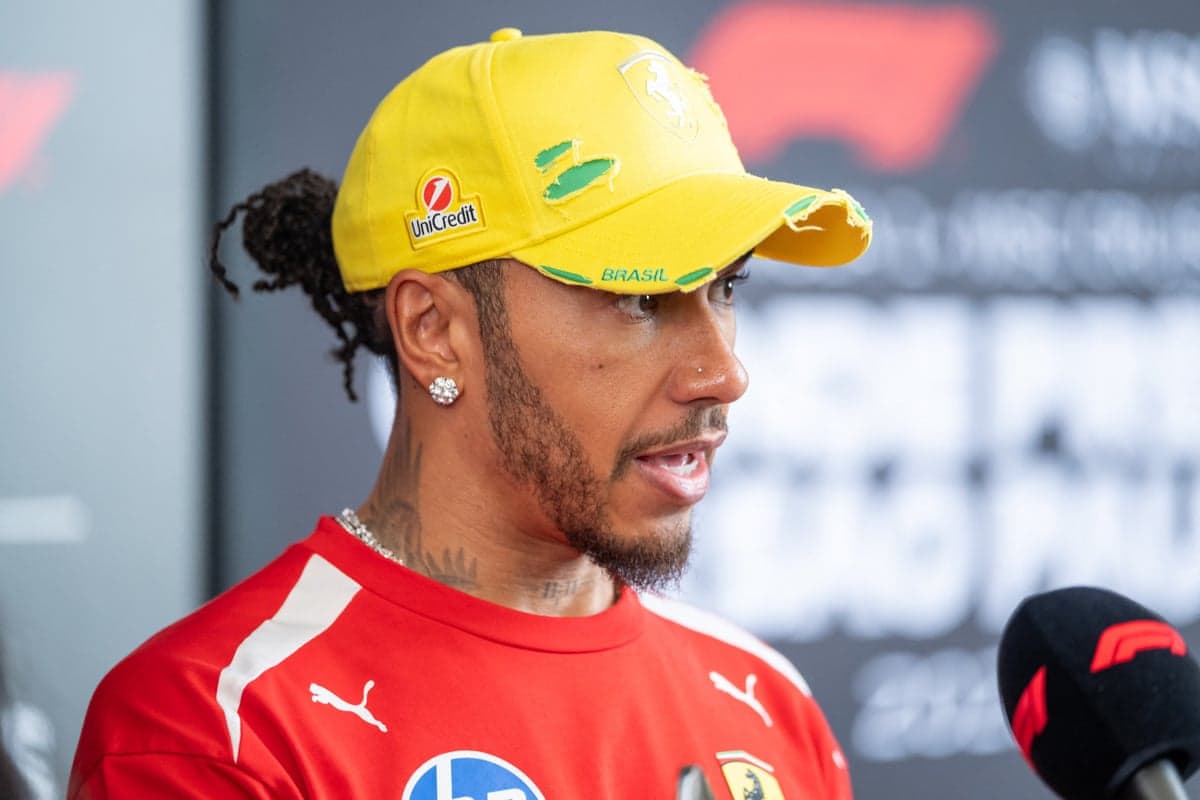
Multiple drivers incurred engine-related grid penalties that will reshape the starting order. Max Verstappen took a full set of new engine components amounting to a 30-place penalty and chose not to set a time after the first qualifying session to preserve tyres for the race, meaning he will start from 21st. Lewis Hamilton required a complete range of engine components after his new internal combustion engine suffered a failure during final practice, forcing him to start from 20th. Charles Leclerc, who finished fourth in qualifying, faces a 10-place penalty for taking a new ICE and will start from 13th according to Telegraph Sport.
These penalties position Mercedes favourably in the constructors' championship battle. The team can clinch their ninth constructors' title if they outscore Ferrari by three points in Brazil on Sunday. Having already secured the drivers' championship with Antonelli the previous weekend, a constructors' title would mark their first double since 2020.
Norris's pole position continues his strong form at this venue. He won the previous São Paulo Grand Prix, carrying momentum into this weekend's competition. McLaren brought what was expected to be the final major upgrade package to this race, focusing on a new front wing designed with their 2027 car in mind while addressing the narrow balance window of the current model. Norris reported feeling the developments were working effectively.
How did the qualifying session unfold?
The first qualifying session began after a delay of one hour and thirty minutes, with rain still falling and water pooling across the circuit. Drivers initially circulated cautiously to assess grip levels, with lap times improving as the track began to dry. In the second session, as conditions improved further, competitors switched to intermediate tyres for their runs.
The decisive final session took place with the track still wet and heavier rain approaching. Fernando Alonso set an initial time, but Norris proved quicker before Russell briefly moved ahead. As conditions deteriorated and rain arrived, Norris found additional pace to reclaim the top spot. His 1:27.470 proved decisive as the rain intensified, preventing further improvements from other drivers.
Russell expressed frustration after the session, believing his final quick run was compromised when his team instructed him to back off. The British driver felt he had the pace to set the fastest time, a confidence boost that would have been valuable heading into Sunday's race.
What are the implications for the championship battle?
Despite facing a 30-place penalty, Verstappen has demonstrated exceptional wet-weather performance at Interlagos historically. In 2016, he recovered from 16th to finish third in the rain. Last year, he also claimed third place after starting from the pit lane. In 2025, he won the race from 17th on the grid, suggesting he remains a threat despite his starting position.
Hamilton similarly possesses a strong record in Brazil. In 2021, he mounted two comebacks in the same weekend, recovering from 20th to fifth in the sprint race and then from 10th to win the grand prix. However, his task this time appears considerably more challenging, as Ferrari's power deficit has been exposed at Interlagos. During long runs in practice, the Scuderia trailed Mercedes significantly, particularly on the full-throttle section from Junção corner to the finish line, where they lost as much as three-tenths of a second to Antonelli. This deficit may be partially offset if Sunday's race runs in wet conditions.
Rafael Câmara, the Brazilian Ferrari junior driver replacing Esteban Ocon at Haas for the remainder of the season with a full-time drive confirmed for next year, made a positive impression on his Formula 1 debut at his home grand prix by advancing to the second qualifying session. However, he crashed out during Q2, ending his session prematurely. Cadillac's Sergio Pérez also took a complete set of new engine components and will start at the back of the grid.
What happens next?
The 71-lap São Paulo Grand Prix is scheduled for Sunday, 8 November 2026, at 14:00 local time (17:00 GMT), according to Formula 1. Rain is forecast for race day, which could significantly influence strategy and performance, particularly benefiting drivers starting from the back who have shown strong wet-weather credentials.