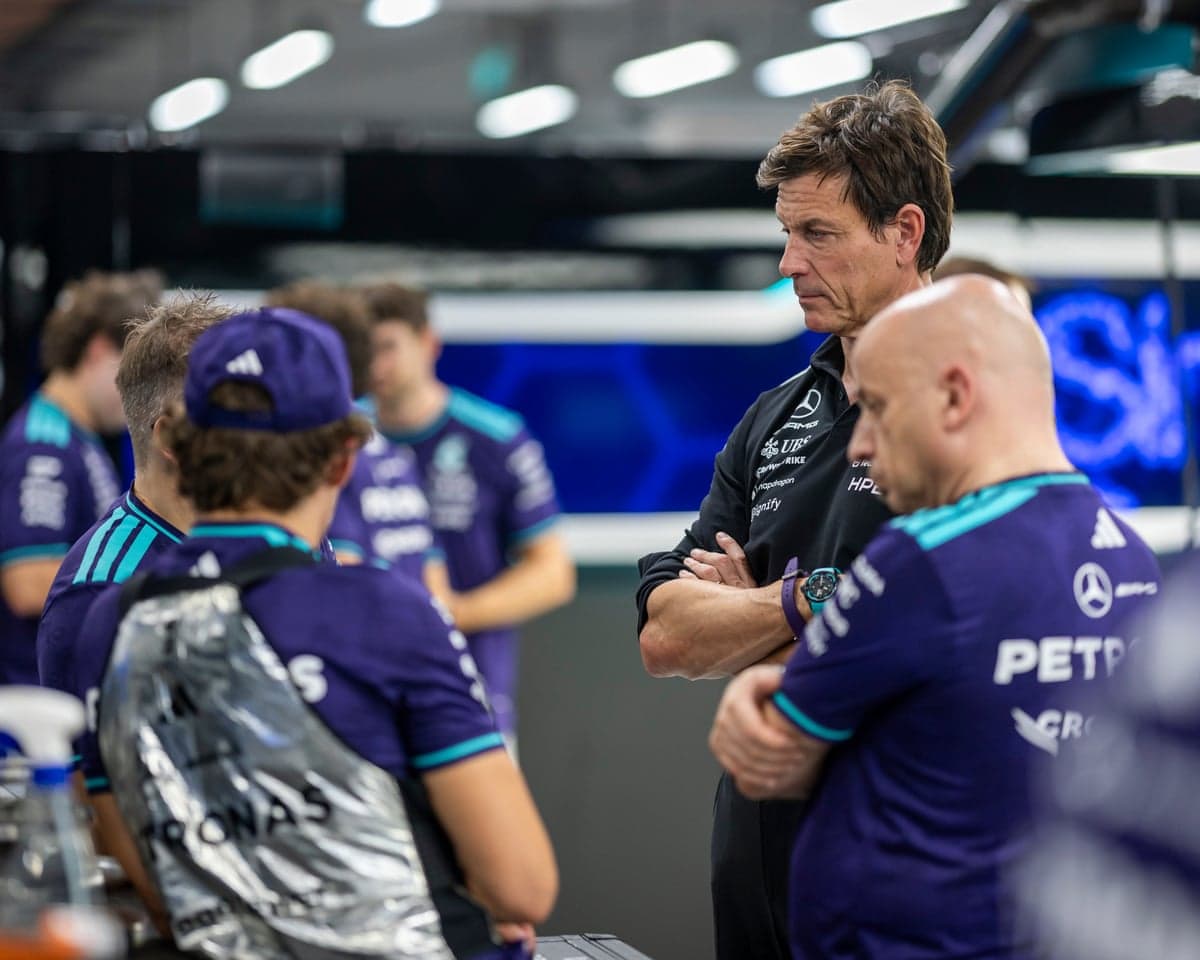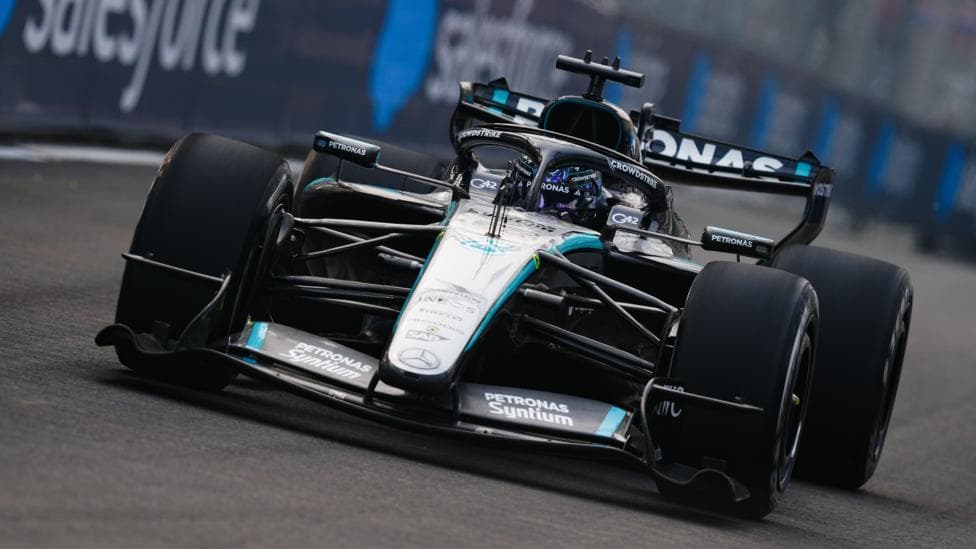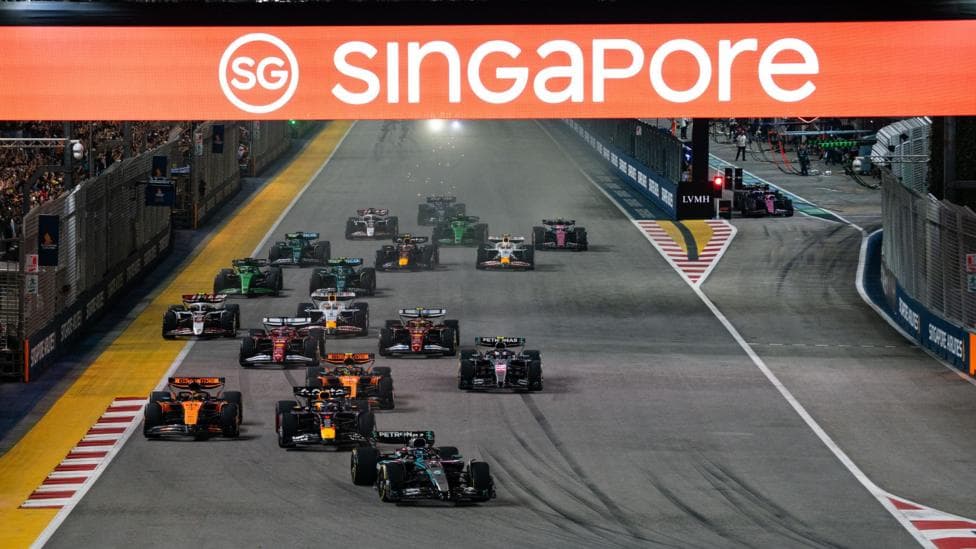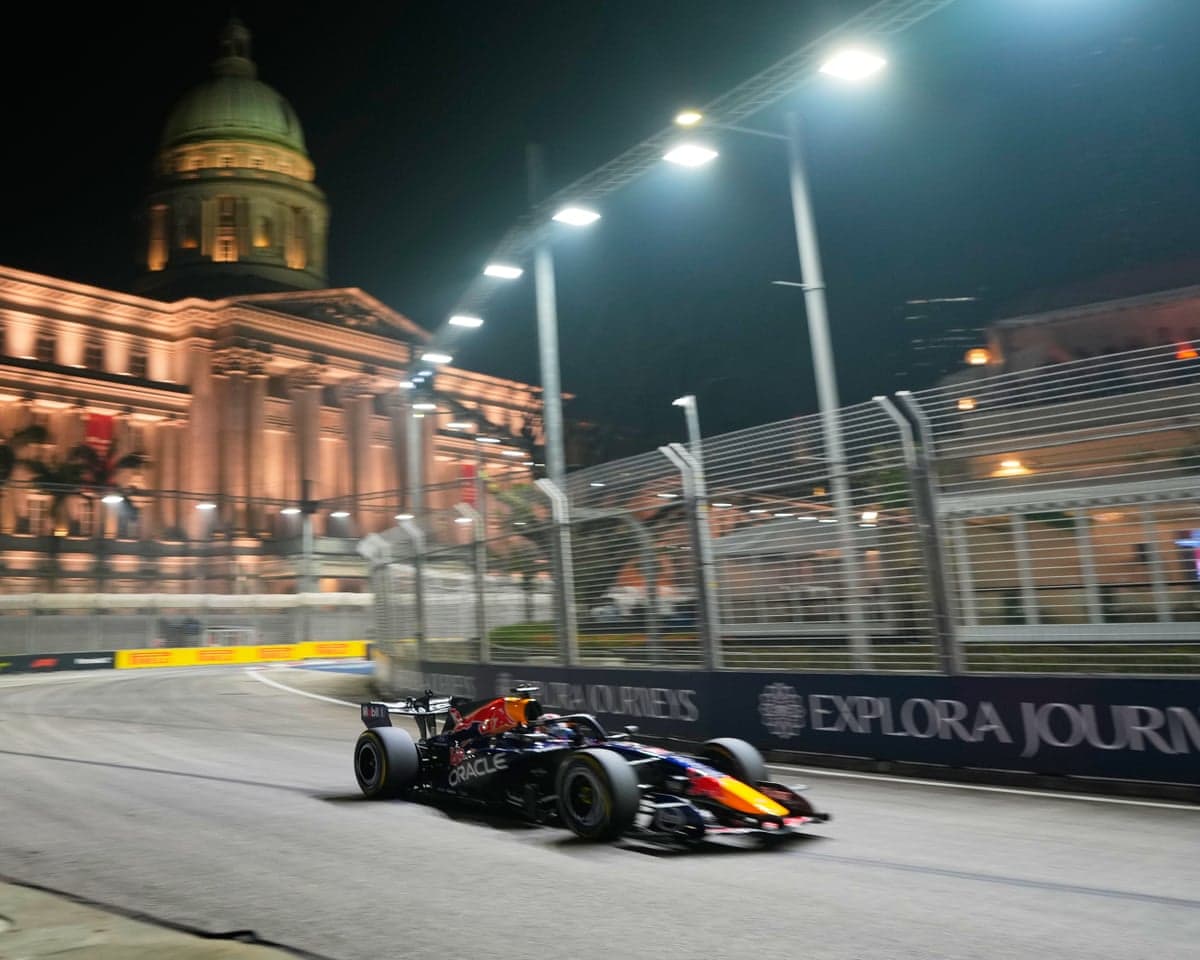
The opening sprint qualifying session at the Singapore Grand Prix descended into chaos on 10 October when a human error in the FIA's Race Control room inadvertently gave some drivers a competitive advantage through the temporary activation of overtake mode. The mistake, which affected competitors at different stages of the session, has reignited criticism of the sport's operational standards following similar technical failures at the preceding Malaysian round.
Max Verstappen secured pole position for the sprint with a lap time of 1:31.156, ahead of George Russell in the Mercedes, who clocked 1:31.276. Charles Leclerc in the Ferrari rounded out the top three with 1:31.399, while Oscar Piastri and Lando Norris completed the top five for McLaren. Lewis Hamilton, also driving for Ferrari, qualified sixth. The grid featured four different manufacturers in the top four positions, reflecting the competitive nature of qualifying.
The controversy centred on a technical malfunction that occurred after Sergio Pérez's Cadillac struck a barrier, triggering a red flag. When the session resumed, an FIA official failed to properly manage the reactivation of overtake mode—a system that provides drivers with additional engine power during qualifying. The FIA confirmed the error was caused by human error in Race Control rather than a software fault, with the system remaining active for 27 seconds before being switched off for the remainder of the session.

How did the overtake-mode error affect the field?
Drivers who were setting their fastest lap during the 27-second window when overtake mode was active gained approximately half a second in engine performance compared to those who completed their qualifying runs when the system was disabled. The FIA stated that the second and third sprint-qualifying periods were unaffected by the error, meaning the disruption was confined to the opening phase of qualifying.
Carlos Sainz, who will start from the pit lane after work was performed on his Williams during the parc fermé period, expressed frustration at the inconsistency.
"Half of the cars did the lap with half a second quicker engine than the others. There was another software issue with the cars this time around and we were on the bad end of it,"Sainz said.
"For whatever reason, the FIA, like in Malaysia, didn't decide to do sporting equity and were happy to do half of the cars in quali with higher power than the other half of the cars. So a bit confused why the sport keeps doing different things depending on who is out in Q1 or who is out in lap one."
What is overtake mode and why does it matter?
Overtake mode is a system that grants drivers temporary access to increased engine performance during qualifying and racing. The system is automatically disabled whenever a red flag is deployed to pause a session, and it must be manually reactivated by an FIA official when racing resumes. The failure to properly manage this reactivation meant that some drivers benefited from the additional power while others did not, creating an unequal competitive environment.
How does this fit into a broader pattern of FIA operational issues?
The Singapore incident represents the latest in a series of technical and administrative failures affecting the sport's governance. The Malaysian Grand Prix, held days earlier, had been marred by rain and rule interpretation issues that left competitors frustrated with the FIA's handling of the event. A separate timing-data problem also disrupted the first sprint-qualifying period, compounding the operational difficulties.
George Russell, the Mercedes driver who qualified second for the sprint, has endured a difficult run of circumstances in recent races. An engine failure in Bahrain left him with no points, and he was subsequently relegated to the back of the grid for the main race in Malaysia. The new power unit he has taken for Singapore will not last until the end of the season, meaning he faces an additional grid penalty at a future round. Despite these setbacks, his second-place qualifying position represents a recovery in performance.
What happens next?
The Singapore Sprint is scheduled to take place on 10 October at 10:00 local time, with Grand Prix qualifying to follow at 14:00 the same day. The results of the sprint will determine the starting order for the main Grand Prix race, which takes place on 12 October.
Key Facts:
- Max Verstappen qualified on pole for the sprint with a time of 1:31.156, ahead of George Russell and Charles Leclerc
- A human error in FIA Race Control inadvertently activated overtake mode for 27 seconds during the first sprint-qualifying session, giving some drivers a half-second performance advantage
- The error affected drivers based on their position and lap timing during the malfunction window
- Carlos Sainz will start from the pit lane after car repairs in parc fermé
- The sprint race begins at 10:00 local time on 10 October, with qualifying for the main Grand Prix at 14:00