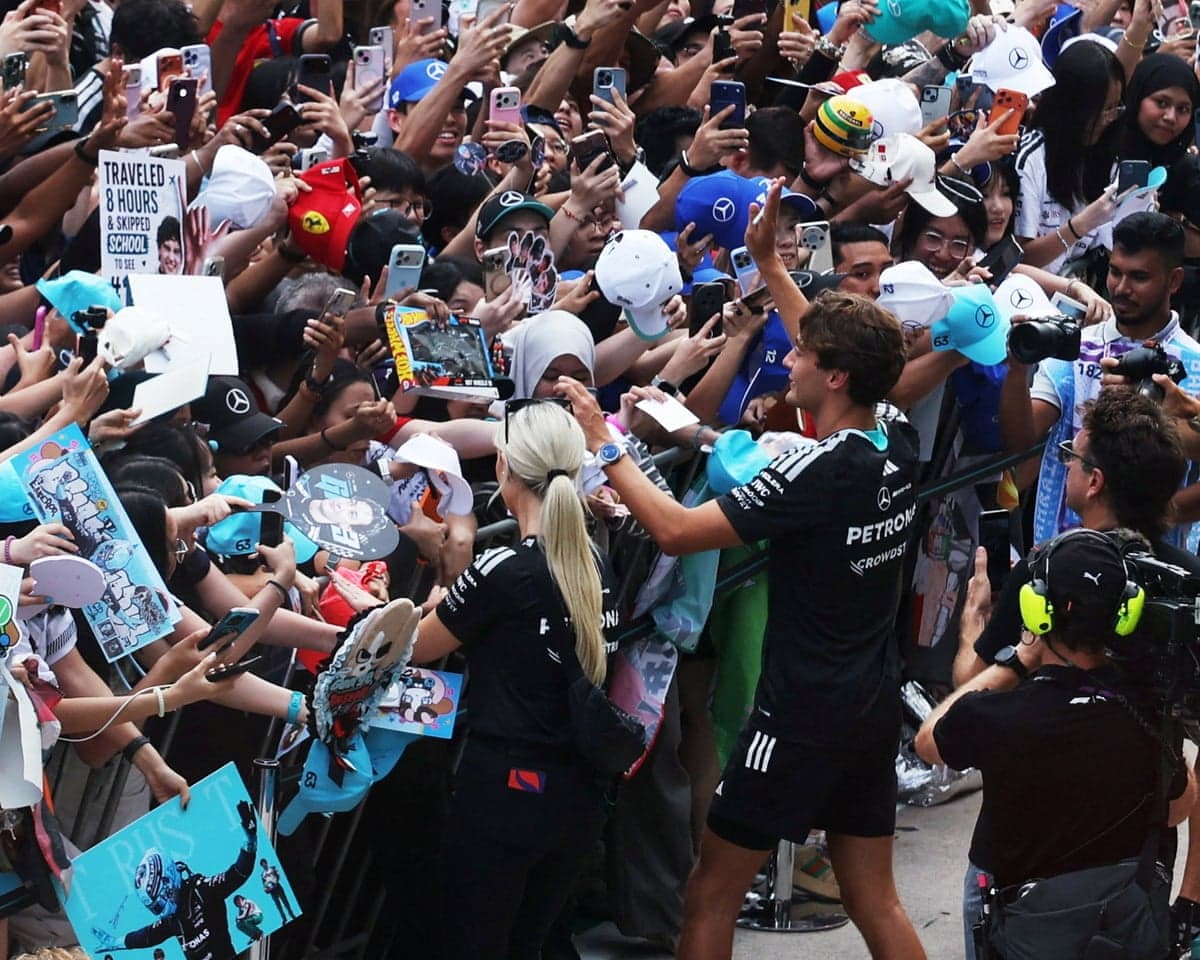
Formula One returns to the Sepang circuit for the first time since 2017 this weekend, though the event carries an unusual designation: the "Bahrain Grand Prix in Malaysia." The nomenclature reflects a one-off substitution for the Bahrain Grand Prix, which was relocated due to the war in the Middle East. Despite the Bahraini branding, trophy and themed activities at the circuit, the pole position and victory will be decided on Malaysian soil, a quirk that will likely perplex Formula One's statisticians for years to come.
The championship battle takes centre stage as Kimi Antonelli, the series leader, and his Mercedes teammate George Russell prepare for a critical encounter. Antonelli holds a 66-point advantage with eight rounds remaining—a substantial margin, yet one that narrowed considerably at the previous round in Baku. There, Russell dominated the weekend while Antonelli made a qualifying error and finished fifth, a result he described as his "worst" of the season. Russell's resurgence has injected genuine uncertainty into what appeared to be a procession, and both drivers will be eager to assert themselves in Malaysia.
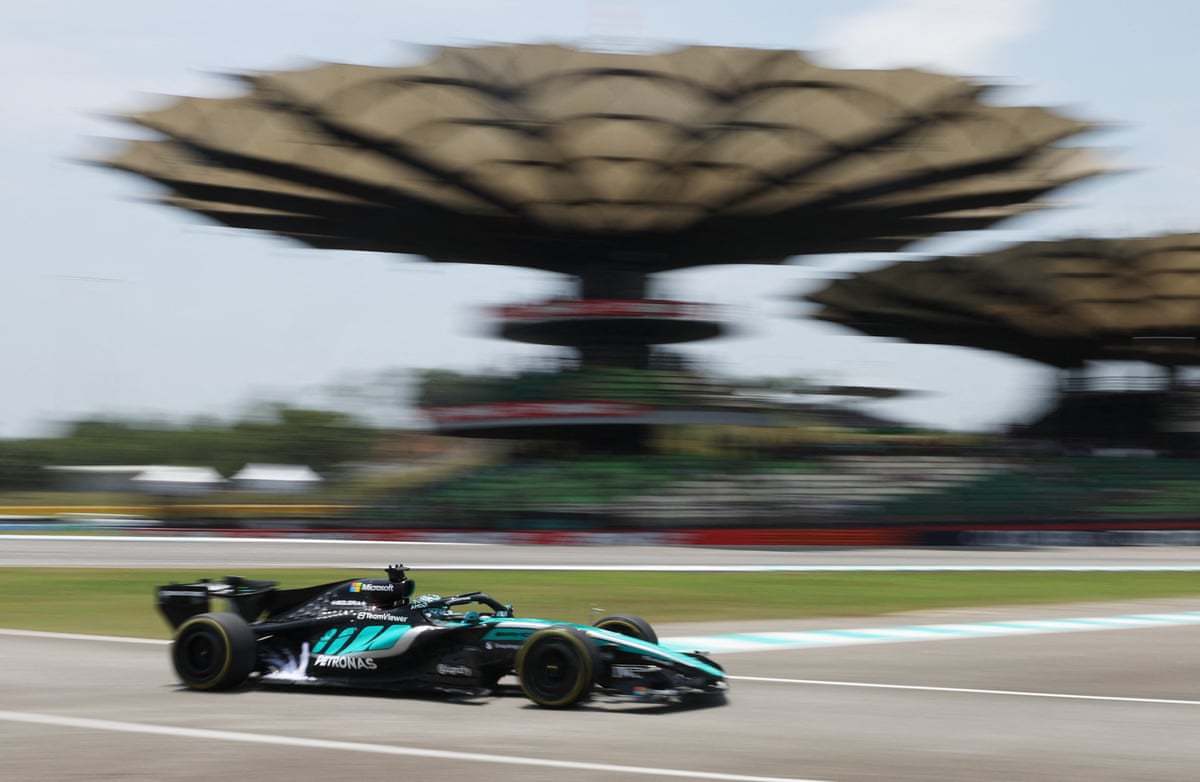
Sepang presents a formidable challenge. The circuit, which first hosted Formula One in 1999, is respected by drivers for its technical demands but feared for its oppressive heat and humidity. The abrasive surface causes severe tyre degradation, a factor that will likely determine race strategy and pit-stop decisions. Teams may need to execute two or even three stops, making tyre management a critical variable in the outcome.
How will Mercedes manage its competing title contenders?
Mercedes has faced this dilemma before. In 2017, the last time Formula One raced at Sepang, the team was navigating the fractured relationship between Lewis Hamilton and Nico Rosberg—a partnership that had ended acrimoniously. Now, with Russell applying pressure to his 20-year-old teammate in only his second season, the team must balance competitive fairness with championship ambitions.
Team principal Toto Wolff addressed the tension directly:
"Does it [Russell finding form] change the dynamic? I think from the overarching philosopher's standpoint, no. Because we want to give both drivers equal opportunity and to go for a championship. But the team comes first. That has always been the Mercedes philosophy."The statement underscores Mercedes' commitment to supporting both drivers while maintaining institutional priorities.
What upgrades has Mercedes brought to Malaysia?
Mercedes has introduced substantial technical developments to Sepang, only their second major upgrade package of the season. The modifications include alterations to the floor edge, sidepods and rear diffuser, along with adjustments to the rear suspension and bodywork. However, Friday's practice sessions revealed immediate challenges. According to Formula One's official report, Russell and Antonelli finished seventh and eighth in the second session after both lost their soft-tyre runs—Russell went wide at the final corner while Antonelli's lap was deleted for exceeding track limits.
Russell acknowledged that the extra downforce promised by the upgrades was being undermined by tyre overheating and degradation in the Malaysian conditions. The team will need to refine its setup and operating window before Saturday's qualifying session to unlock the potential of the new components.
Where does Red Bull stand after its recent improvements?
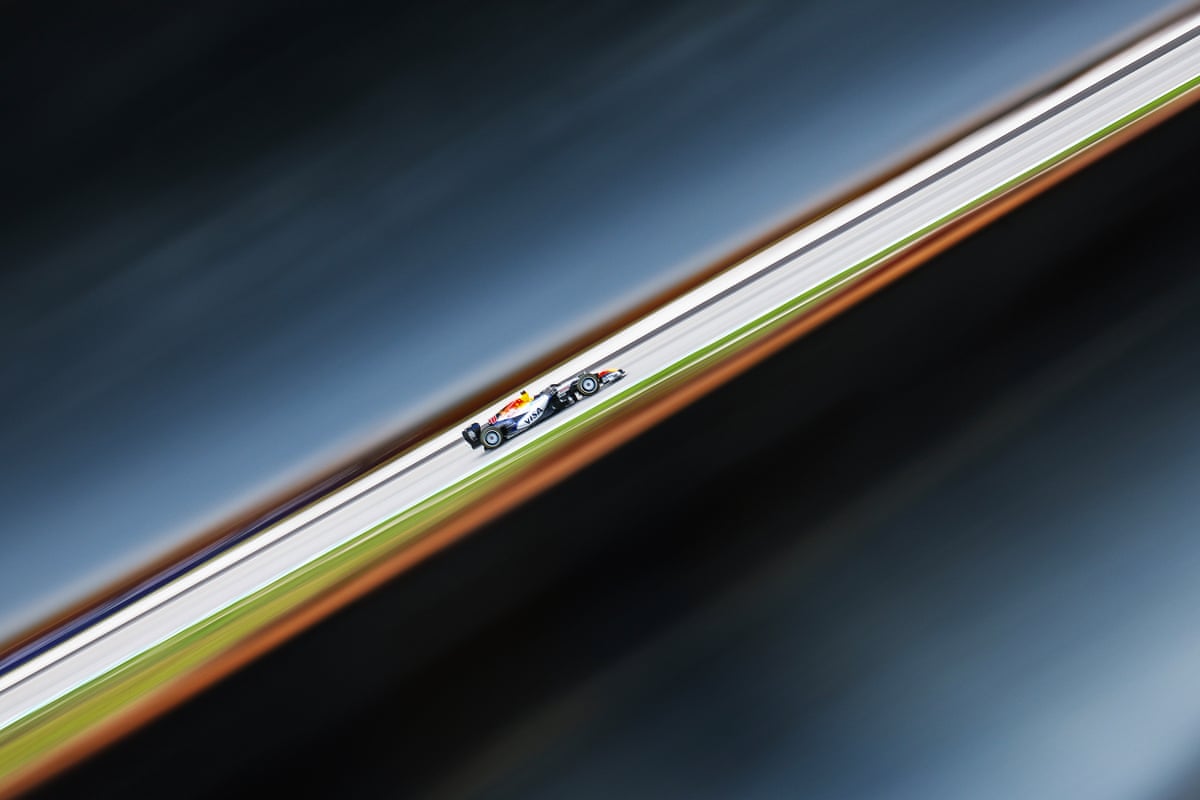
Red Bull has emerged as a genuine threat following its upgrade at the previous round in Baku. Max Verstappen, the four-time champion, topped the opening practice session on Friday with a time of 1:37.520, finishing 0.383 seconds ahead of Russell. According to the FIA's official timing, Antonelli was fifth, 1.060 seconds off the pace, while Isack Hadjar placed third for Racing Bulls and Charles Leclerc fourth for Ferrari.
Verstappen has yet to record a victory this season, and while the championship is mathematically beyond his reach, he remains fiercely competitive. He described the Red Bull's performance in Malaysia as "positive" and a "decent start"—measured praise that suggests genuine progress after weeks of wrestling with a difficult car. The Dutchman did not set a qualifying simulation time on soft tyres during second practice, indicating he has additional pace in reserve. A win in Malaysia would mark his second victory in a decade, a milestone that would underscore Red Bull's resurgence.
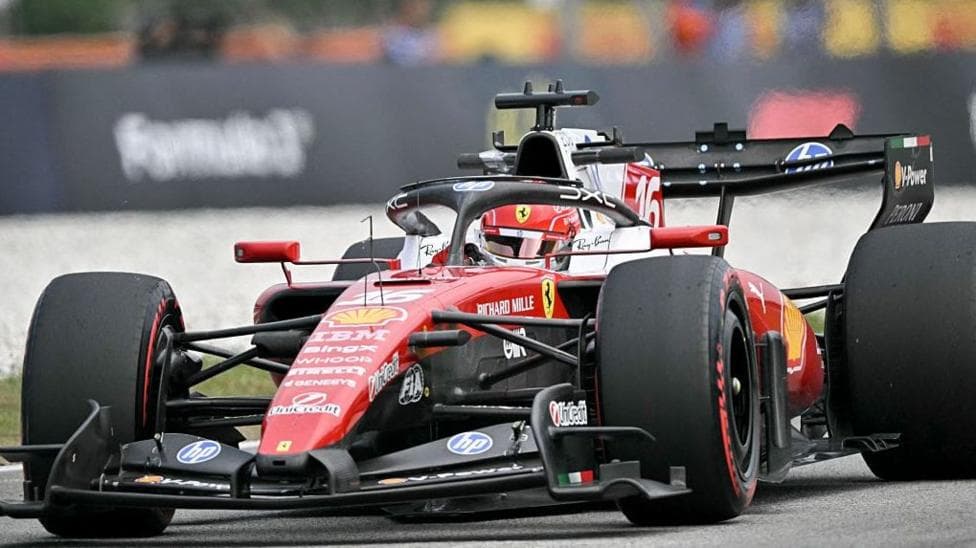
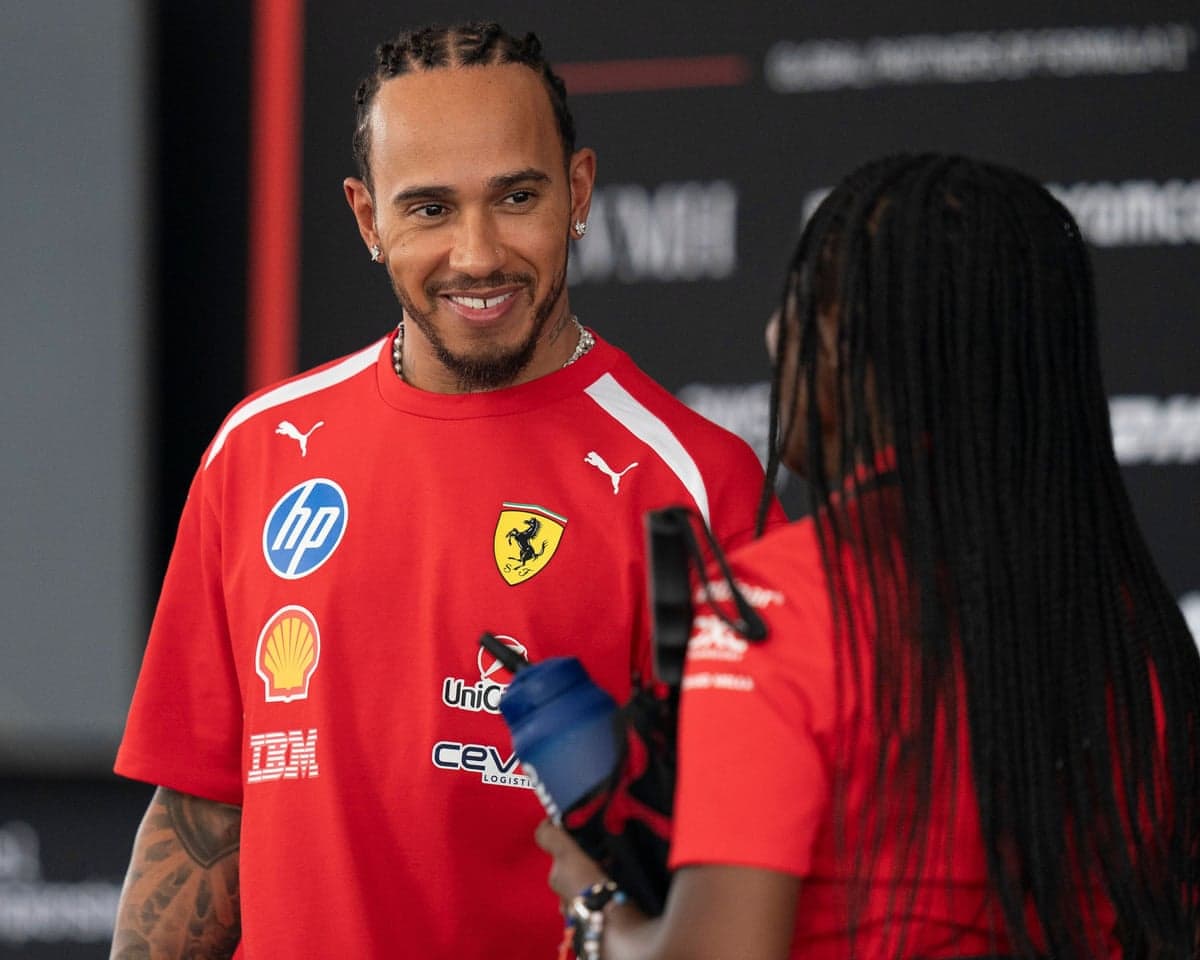
Ferrari also showed strong form, with Leclerc taking the top spot in second practice ahead of Verstappen's teammate Hadjar by a tenth of a second. Lewis Hamilton rounded out the top six in the opening session, suggesting a competitive field is taking shape.
What happens next?
Final practice is scheduled for Saturday, October 3, at 12:30 local time, followed by qualifying at 16:00. The race is set for Sunday, October 4, at 15:00 local time. For Antonelli and Russell, the weekend represents a pivotal moment in their championship battle. For Mercedes, it is a test of both technical execution and team management—delivering upgrades that work while maintaining harmony between two drivers with conflicting ambitions. For Verstappen and Red Bull, it is an opportunity to demonstrate that recent improvements can translate into race-day success. The Malaysian heat and tyre degradation will punish any team that fails to adapt.