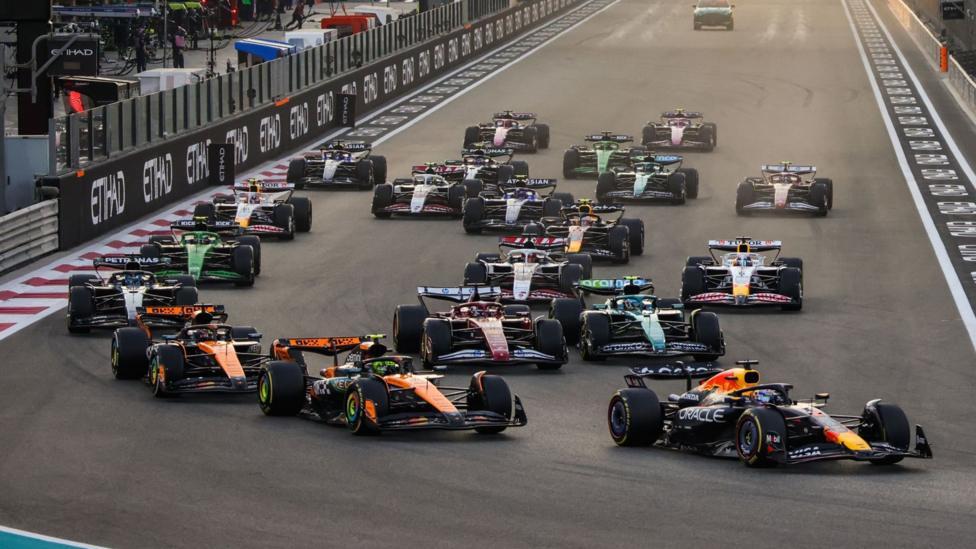
Max Verstappen claimed victory at the 2025 Abu Dhabi Grand Prix as Formula 1 confirmed it will proceed with its planned season-ending races in the Middle East. The sport has informed the Imola circuit in Italy that it will not serve as a backup venue for the two concluding events, signalling confidence in the scheduled calendar despite ongoing regional security concerns.
According to BBC Sport, F1 intends to hold races in Qatar on 27-29 November and Abu Dhabi in the United Arab Emirates on 4-6 December. The decision to press ahead comes amid the continuing conflict between the United States and Israel against Iran, which had prompted earlier calendar disruptions.
Imola had been placed on standby to host a grand prix on the Abu Dhabi dates should the two Middle Eastern races become impossible to stage. On Tuesday, the Italian circuit was instructed to cease its contingency preparations. Nevertheless, F1 stated that should conditions in the region deteriorate significantly in the weeks ahead, it remains prepared to cancel both races and prioritise safety.
Earlier in 2025, the sport experienced substantial calendar upheaval. The Saudi Arabia Grand Prix and Bahrain Grand Prix, both originally scheduled for April, were cancelled and postponed respectively following the outbreak of hostilities. The Bahrain event was eventually relocated to Malaysia's Sepang circuit and held in October.
An F1 spokesperson explained the rationale for proceeding:
If the situation develops negatively in the coming weeks before the events in the Middle East, we will not hesitate to do the right thing and the safety of everyone will always be the priority.
The decision to maintain Qatar and Abu Dhabi as the default conclusion to the season reflects F1's assessment that conditions in both countries have remained stable. The sport cited continued government travel advisories permitting travel, valid insurance coverage, ongoing business activity, and the return of normal operations as supporting factors. F1 also noted that all teams have endorsed completing the season as scheduled.
The decision gains additional weight from parallel developments in motorsport. MotoGP, which shares ownership with F1 under the same United States-based parent company, successfully held a race in Qatar in the preceding weekend, demonstrating that major sporting events can proceed in the region.
Safety concerns remain among F1 personnel
Despite the official decision, several senior figures within F1 have privately expressed reservations to BBC Sport regarding the races' location. Both Qatar and Abu Dhabi sit in proximity to the Strait of Hormuz, where missile strikes continue to occur. Additionally, Saudi Arabia, which borders both racing nations, remains a target for attacks by Houthi rebels based in Yemen. Multiple events scheduled in Saudi Arabia have been cancelled or postponed in recent weeks as a result of these attacks.
Financial and commercial considerations
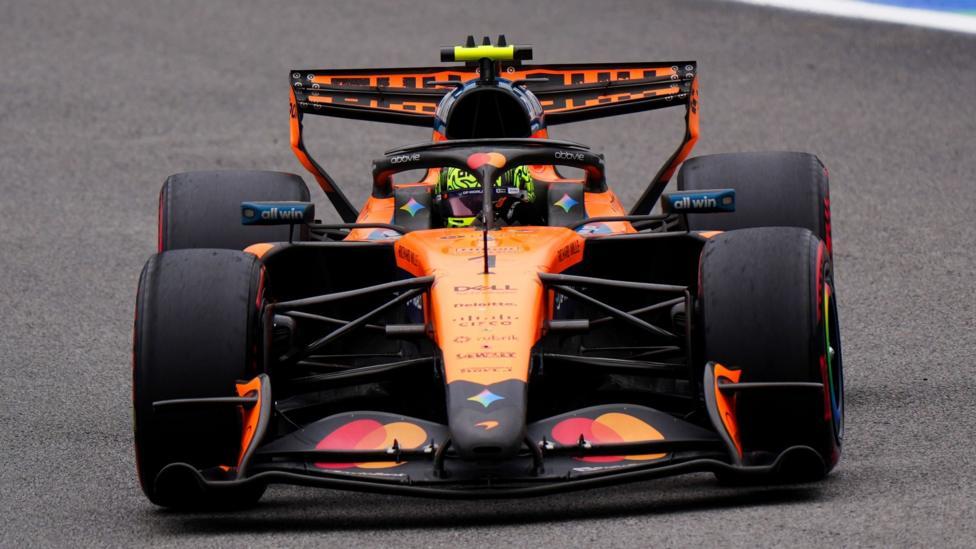
The decision reflects the complex balance F1 must strike between safety and commercial obligations. Both Qatar and Abu Dhabi represent substantial financial commitments to the sport, with significant hosting fees. Beyond their roles as race venues, both nations have become deeply embedded in F1's commercial structure through sponsorships and investment. Qatar's sovereign investment fund holds a stake in the Audi team, while Abu Dhabi maintains ownership of McLaren, underscoring the financial interdependencies that shape such decisions.
Context of earlier disruptions
The 2025 season has already demonstrated F1's willingness to adapt its calendar in response to geopolitical developments. The postponement of the Bahrain Grand Prix and its relocation to Malaysia established a precedent for flexibility when circumstances warrant. That decision, combined with the Saudi Arabia cancellation, illustrated the sport's capacity to reorganise its schedule when necessary.
Looking ahead, F1's approach to the Qatar and Abu Dhabi races will likely influence how the sport manages geopolitical risks in future seasons. The decision to maintain these events while retaining the option to cancel demonstrates an attempt to balance commercial commitments with the paramount concern for participant and spectator safety.