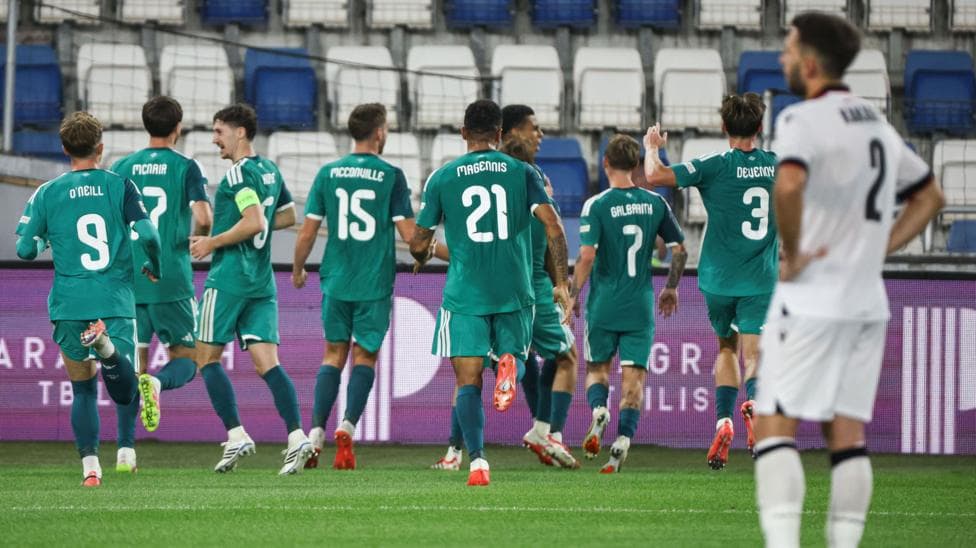
Republic of Ireland players have decided to proceed with their Uefa Nations League fixtures against Israel, with a squad vote producing a "significant majority" in favour of playing. The decision came after an extended meeting on Saturday in Hungary, during which one player withdrew from the squad in protest over the ongoing Gaza conflict.
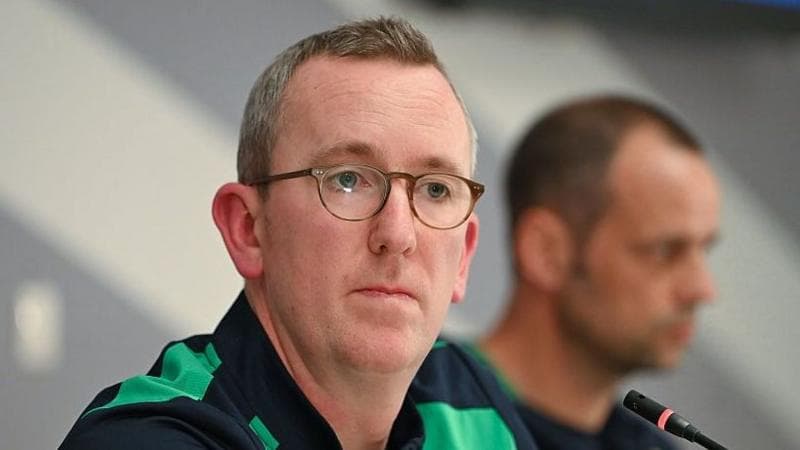
Football Association of Ireland chief executive David Courell announced the outcome at a delayed news conference, confirming that players intend to wear black armbands "in recognition of all lives lost in the [Gaza] conflict" for Sunday's away fixture in Debrecen, Hungary. The squad will also make further gestures during tomorrow's game and the return fixture scheduled for 4 October in Serbia.
The controversy surrounding these fixtures intensified after the opening Nations League match against Kosovo in Pristina, where captain Dara O'Shea indicated the squad would "come together" to discuss the Israel games. The pressure on players mounted following an open letter signed by more than 160 Irish sportspeople urging a boycott of the fixtures, and a protest held outside the team hotel in Dublin earlier in the week.
What concessions have the players secured?
Beyond wearing black armbands, the squad has negotiated several measures to express their position. Courell outlined the arrangements at Saturday's news conference:
One of their requests is to remove their media obligations for the remainder of this window. They also have the intention to wear black armbands in recognition of all lives lost in the [Gaza] conflict. There will be elements of the pre-match ceremony not be partaken in by the Republic of Ireland and it is also the intention of the players to make a significant contribution to charitable donation by virtue of both [Israel] match fees and also the fixture against Austria at the Aviva [Stadium in Dublin on Thursday].
The players will not participate in certain pre-match ceremonies and plan to donate significant sums from their match fees for both Israel games and the Austria fixture to charitable causes.
How did Saturday's meeting unfold?
Uncertainty surrounded whether the fixture would take place until late Saturday afternoon. A scheduled news conference with manager Heimir Hallgrimsson and a player, set for 09:15 BST, was postponed just 15 minutes before it was due to begin. The squad remained in a lengthy meeting at their hotel after a player—believed to be goalkeeper Gavin Bazunu—indicated an intention to withdraw, with several others expressing concerns about participation.
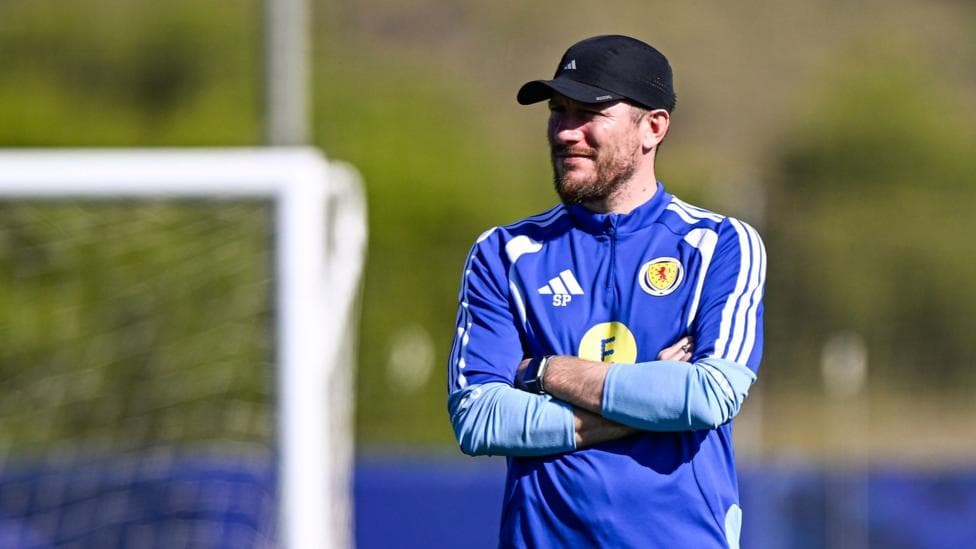
The delay stretched beyond five hours. Around 13:00 BST, players began leaving the meeting room, and Courell eventually confirmed the news conference would proceed at 14:30 at Nagyerdei Stadion, followed by training. Hallgrimsson explained the extended discussions:
This morning, a player expressed their discomfort at the fixture and indicated their intent to withdraw. This new variable required time for the rest of the squad to consider and what proceeded was another four hours of conversations, predominantly among the players, but also at times with coaching staff and the [FAI] executive. There were a lot of positions presented and the association is fully respectful of everyone's right to their respective opinion.

What is the background to this controversy?
The fixtures have been embroiled in controversy since the draw was made. UEFA grouped the Republic of Ireland and Israel together in the 2026-27 Nations League, resulting in two neutral-site matches in Hungary and Serbia rather than traditional home-and-away fixtures. The FAI had previously requested that UEFA suspend the Israel Football Association, but that request was rejected.
The armed Palestinian group Hamas attacked Israel on 7 October 2023, killing approximately 1,200 people and taking 251 hostages. In response, Israel launched a major military offensive in Gaza, during which more than 73,000 people have been killed according to the territory's Hamas-run health ministry, whose figures are considered reliable by the United Nations.
A "Stop The Game" campaign organised by the pressure group Irish Sport for Palestine gathered significant momentum, calling on players to withdraw. Former Republic of Ireland manager Brian Kerr and ex-international James McClean were among prominent figures backing calls for a boycott.
What did the manager say about the situation?
Hallgrimsson acknowledged the extraordinary pressure on his players and described the decision-making process as unprecedented.
Nobody can understand the pressure that has been going on these players.He confirmed that all remaining squad members trained on Saturday after the withdrawal.
When asked about the impact of the turbulent build-up on preparation for Sunday's match, Hallgrimsson said
we will seebut emphasised the need to minimise damage:
Nobody is comfortable but it's about limiting the damage, both personally and for Irish football, that we need to find some solution on it. There is no action we do that everyone will agree to, so we need to find a solution to limit the damage for us as a group, for Ireland as a nation and the association for football in Ireland. We don't know the consequences if we don't play the game but a lot of players share a common feeling, so there are two choices and both are tough. It's a situation you can't win.
The Irish squad had lost their opening Nations League fixture in Kosovo on Thursday, a match that was overshadowed in the build-up by the controversy surrounding the Israel games.
What happens next?
The first fixture against Israel takes place on Sunday, 27 September, in Debrecen, Hungary. The return match is scheduled for 4 October in Backa Topola, Serbia, and will be played behind closed doors. Between these two games, the Republic of Ireland will face Austria at the Aviva Stadium in Dublin on Thursday.
Hallgrimsson indicated that further discussions among the squad are likely to continue through Saturday evening and into Sunday, as the team navigates the unique circumstances surrounding these fixtures.