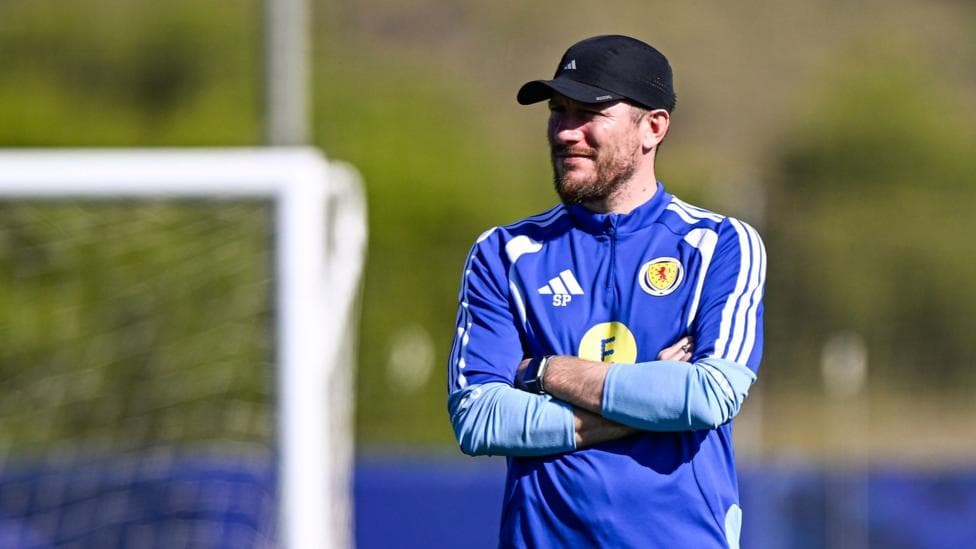
Sebastien Pocognoli takes charge of Scotland for the first time on Saturday when the team travels to Ljubljana to face Slovenia in a Nations League fixture. The Belgian manager described his emotions ahead of the match as "positive nervousness", acknowledging both the excitement and responsibility of stepping into the role vacated by Steve Clarke.
The Tartan Army are embarking on a new era after seven years under Clarke, whose tenure—despite criticism of his cautious tactical approach—lifted Scotland from international obscurity to qualification for three major tournaments. Pocognoli inherits a squad that has tasted competitive football at the highest level, but also one that will require time to adapt to a markedly different philosophy.
What makes this appointment different from Clarke's reign?
Clarke's management was defined by pragmatism rather than aesthetic appeal. His formula delivered qualifying results consistently, even if supporters found the football uninspiring. The 2022 World Cup campaign in Qatar, however, exposed the limitations of that approach: Scotland's players failed to make an impact on the tournament stage despite reaching it for the first time in 28 years, overshadowed by the travelling support rather than their own performances.
Pocognoli has signalled a shift towards a more expansive style. The 39-year-old has already earned early goodwill by refreshing the squad with younger talent and uncapped players, but that initial approval will only sustain him if the promised attacking football materialises alongside competitive results. He has acknowledged that the "foundations" remain in place, with experienced players still available to guide the emerging talent through the transition.
How significant is the squad overhaul?
The new manager has cast his net widely, selecting seven uncapped players in his first squad, a notable departure from Clarke's preference for established internationals. Twelve squad members were absent from the World Cup campaign, while eight are seeking their first cap entirely. Sevilla striker Robbie Ure, Brondby captain Luis Binks and midfielder Kristi Montgomery would likely never have received consideration under the previous regime.
Oli McBurnie, the Sheffield United forward, returns to the fold with renewed purpose after falling out of favour. Conversely, James Wilson and Findlay Curtis—both capped by Clarke, with Curtis earning two World Cup appearances—have been released to the Under-21s for their fixture against Azerbaijan on Wednesday, signalling a clear generational shift in selection philosophy.
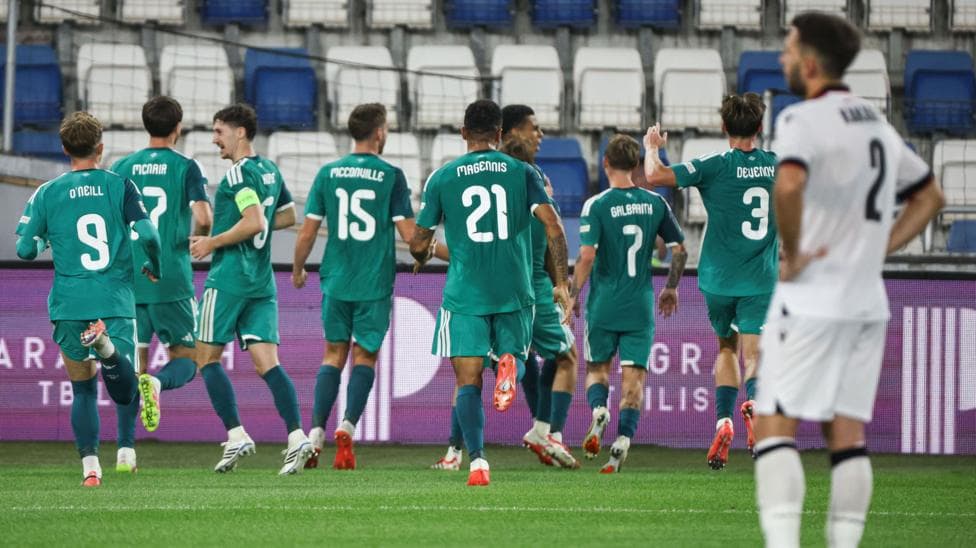
Captain Andy Robertson has been impressed by the newcomers' "energy and enthusiasm," and the skipper's backing will prove crucial. Pocognoli met with Robertson for dinner and held multiple discussions before the squad began their training camp in La Manga, Spain, where players were observed pushing themselves to maximum intensity in an effort to secure starting positions.

What tactical system will Pocognoli employ?
The prevailing expectation is that Pocognoli will deploy a 3-4-3 formation in one of its many variations—an aggressive setup designed to suffocate opponents in the final third. This represents a fundamental departure from Clarke's more conservative approach. While the squad composition may not change dramatically, the manner in which players are instructed to perform will differ substantially.
How does Pocognoli's experience compare to his predecessor?
The Belgian is considerably less experienced than Clarke at the highest level. His managerial career has encompassed just 107 games across spells at Union Saint-Gilloise and Monaco, following a playing career as a left-back that earned him 13 caps for Belgium. By contrast, Clarke had managed multiple clubs and international teams before taking the Scotland role.
Several other nations have appointed new managers since the World Cup, including Jurgen Klopp, Xavi Hernández and Zinedine Zidane, all of whom have commanded greater international attention. Pocognoli's relative anonymity on the global stage reflects his limited experience at elite level, though the Scottish Football Association evidently believed his fresh perspective and tactical philosophy outweighed his lack of pedigree.
What are the realistic expectations for this fixture?
Scotland should emerge victorious against Slovenia, who appointed former centre-back Boštjan Cesar as manager in January and have won just once in their last ten matches. The Slovenes will carry painful memories of their last meeting with Scotland: a 2-2 draw in 2017 that eliminated them from World Cup qualification, after which then-manager Gordon Strachan controversially attributed the failure to genetics.
However, the significance of this match extends beyond the three points. For Pocognoli, it represents the beginning of a learning process for both himself and a squad containing numerous players with limited international experience. The fixture will provide early indicators of whether his tactical vision can translate into competitive performance.
Why is the timing favourable for the new manager?
Pocognoli has been granted a relatively stress-free opening sequence. After the Slovenia trip, Scotland face North Macedonia away before hosting Slovenia again at Hampden on Tuesday, 6 October 2026. Crucially, Scotland are co-hosts for Euro 2028, meaning qualification is significantly more likely than elimination—there are 24 places available and only a handful of nations competing for them, plus back-door routes through the play-offs.
This context provides the new manager with a grace period that few international coaches receive. The pressure is substantially lower than it would be for a manager taking charge of a non-host nation fighting for qualification to a distant tournament. Pocognoli will be afforded time to implement his ideas and develop understanding between the new and established players, though patience from supporters and the Scottish Football Association will be tested if results do not materialise quickly.
The appointment represents a calculated gamble by the Scottish FA. Pocognoli's inexperience at the highest level is offset by his willingness to embrace a more progressive football philosophy and his ability to energise a squad that had grown fatigued under Clarke's regime. Whether he can deliver the promised style without sacrificing the substance that Clarke provided will determine the success of this transition.