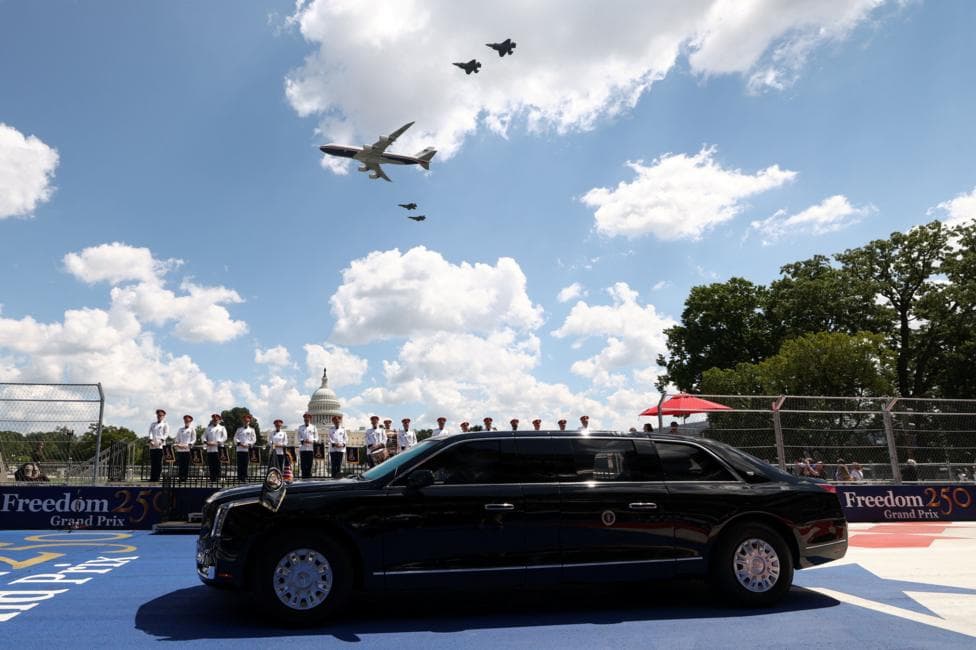
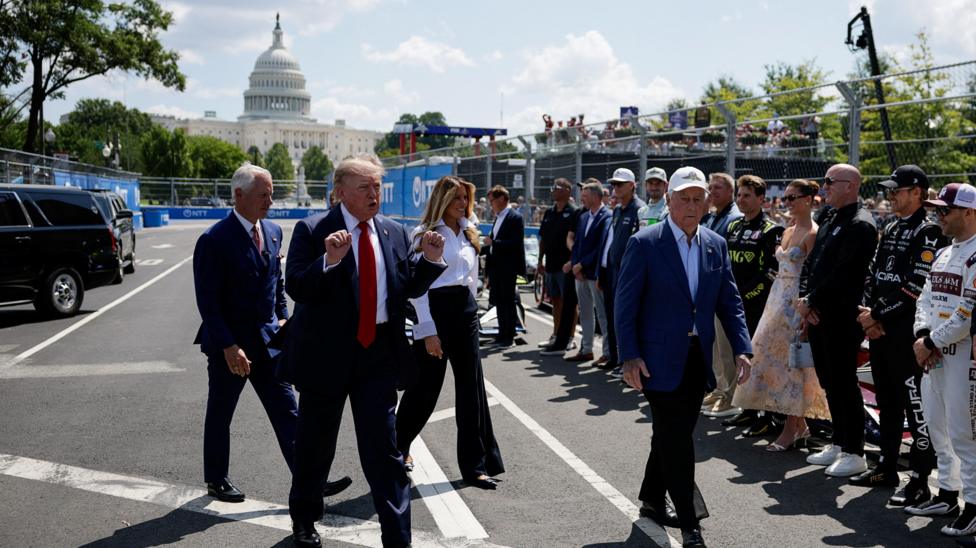
US President Donald Trump joined hundreds of spectators on Sunday to witness the Freedom 250 Grand Prix, a professional road race through Washington DC's streets that marked a historic first for the capital and served as a centerpiece of the nation's 250th birthday celebrations.
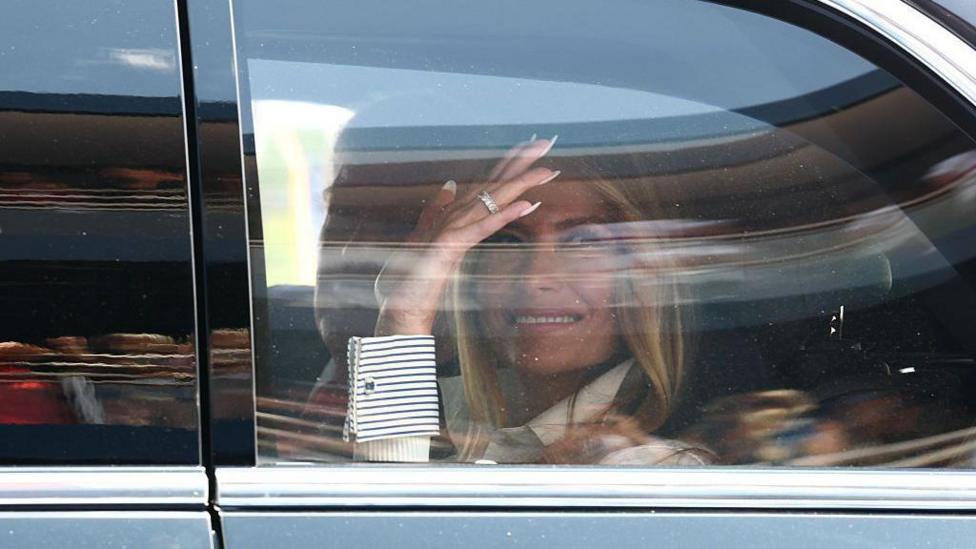
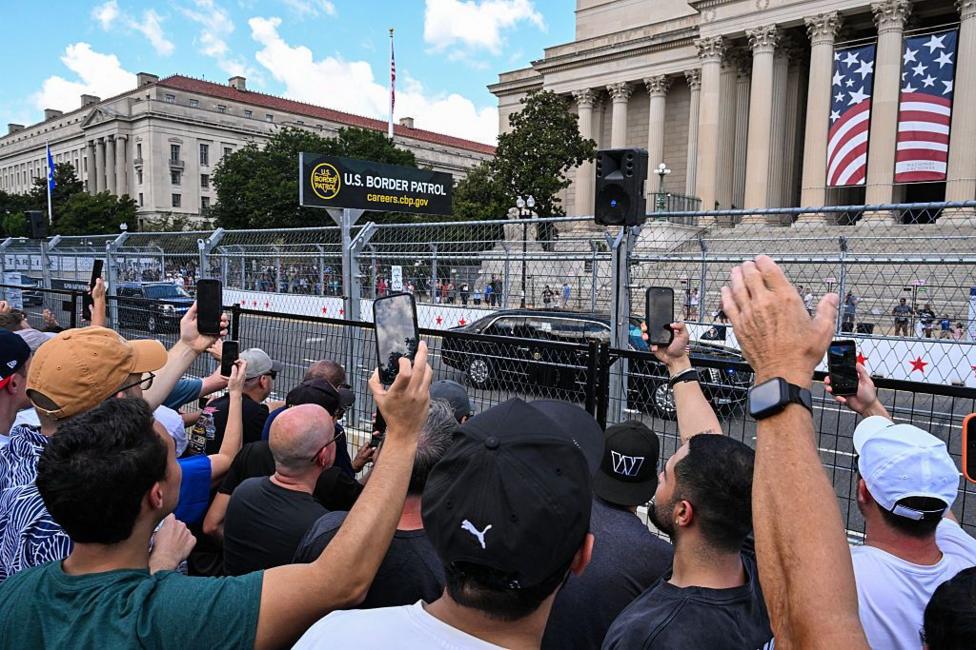
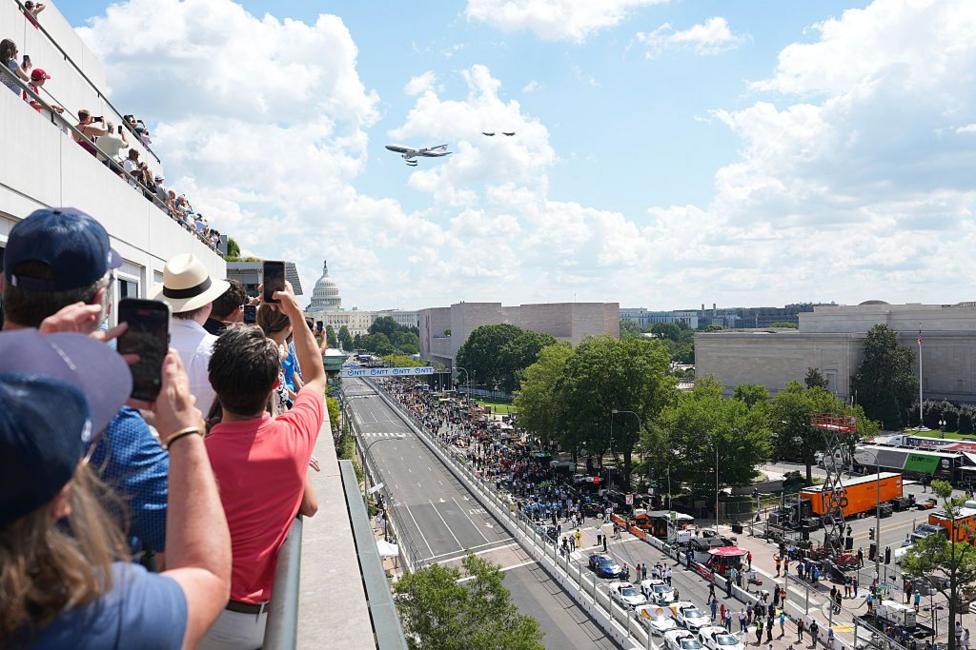
The president and First Lady Melania Trump completed a ceremonial lap around the 1.7-mile temporary circuit in his presidential limousine, The Beast, while crowds lined the route. As the couple crossed the finish line, Trump's newly configured Air Force One executed a flyover above the capital, coordinated with the race's climactic moments.
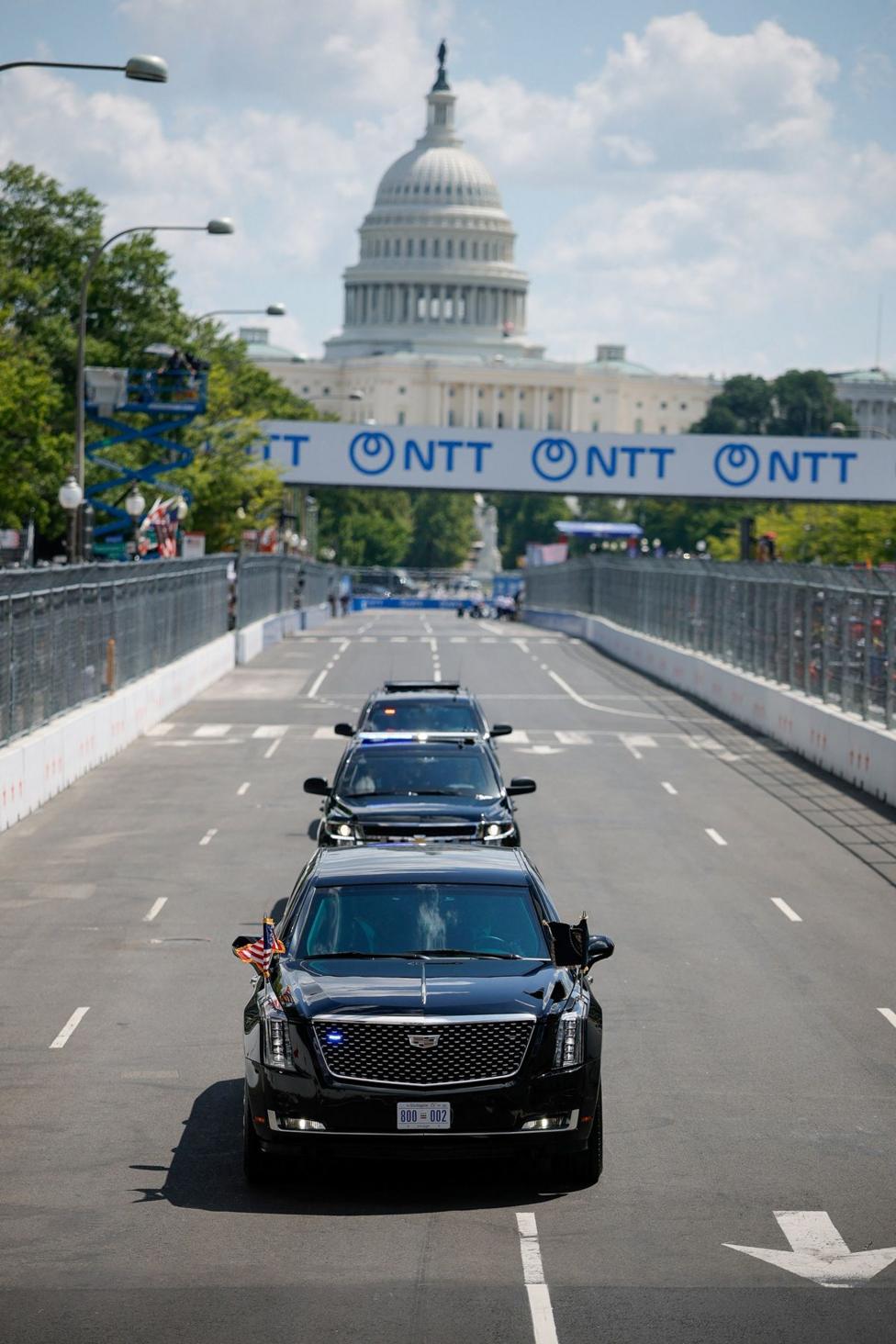
The Freedom 250 Grand Prix represented the first time professional road racing has taken place in the nation's capital. According to event organizers, the race was officially presented as the "Freedom 250 Grand Prix of Washington, D.C." and formed part of the 2026 NTT IndyCar Series calendar.
How does the track compare to normal DC streets?
Washington DC typically enforces a maximum speed limit of 55mph (89kmh), the lowest in the United States. On Sunday, however, drivers competing in the event navigated the temporary circuit at speeds reaching 190mph (306kmh), passing iconic landmarks including the Washington Monument and the museums of the National Mall before crossing a finish line framed by the US Capitol building.
What made this race unique?
Twenty-five professional drivers competed in a 250-mile course consisting of 147 laps with seven critical turns—a design that deliberately referenced America's anniversary milestone. The course looped around the east end of the National Mall and continued along Pennsylvania and Independence Avenues, according to reporting on the venue layout.

IndyCar racing operates on principles similar to Formula 1, featuring open-wheel, single-seater vehicles. A key distinction separates the two series: while Formula 1 teams design and construct their own engines, IndyCar engines come exclusively from either Chevrolet or Honda, standardizing the mechanical competition across all participants.
Who attended and how was access managed?
Organizers anticipated approximately 140,000 attendees for the event. General admission tickets were distributed through a lottery system offering free access to many spectators, though premium packages commanded $5,000 per pair of passes. The venue was described by organizers as a free-to-attend event on the streets of Washington, with public access available through the general admission allocation.
What logistical challenges did the city face?
Hosting a high-speed motorsports event in the nation's capital required extensive preparation and coordination. The city implemented widespread road closures, bolted down manholes to prevent hazards on the racing surface, and resurfaced portions of the track. The Ronald Reagan Washington National Airport, which primarily handles domestic flights, operated under a three-hour airspace closure to accommodate the US military flyover component of the event.
Where does this fit in the 250th anniversary celebrations?
The IndyCar race represented the latest major event in a summer-long series of America250 celebrations led by the Trump administration. Earlier in July, the president hosted a 250th Independence Day celebration featuring military flyovers and a record-breaking fireworks display. In June, Trump had launched the anniversary celebrations with a National Mall rally, and he also hosted an Ultimate Fighting Championship event on the White House lawn as part of the commemorative programming.
What was the race schedule?
According to event organizers, Sunday's race day began with a warmup session at 9:00 a.m. ET, followed by a pre-race show at 11:30 a.m. ET, with the race itself commencing at 1:00 p.m. ET. The event aired live on FOX and represented the culmination of a weekend that included Saturday practice and qualifying sessions. The Sunday schedule ran from 8:00 a.m. through 3:30 p.m., with final on-track activities continuing through the afternoon.
Key Facts
- The Freedom 250 Grand Prix was the first professional road race ever held in Washington DC, featuring 25 IndyCar drivers competing over 147 laps on a 1.7-mile circuit with seven turns
- Drivers reached speeds of 190mph (306kmh) on streets where the normal speed limit is 55mph, passing the Washington Monument, National Mall museums, and the US Capitol building
- Approximately 140,000 spectators attended, with general admission distributed through a lottery and premium packages priced at $5,000 per pair
- The event required extensive city coordination including road closures, a three-hour airspace closure at Ronald Reagan Washington National Airport, and road resurfacing
- The race served as a centerpiece of America's 250th birthday celebrations, following earlier events including an Independence Day celebration and a National Mall rally