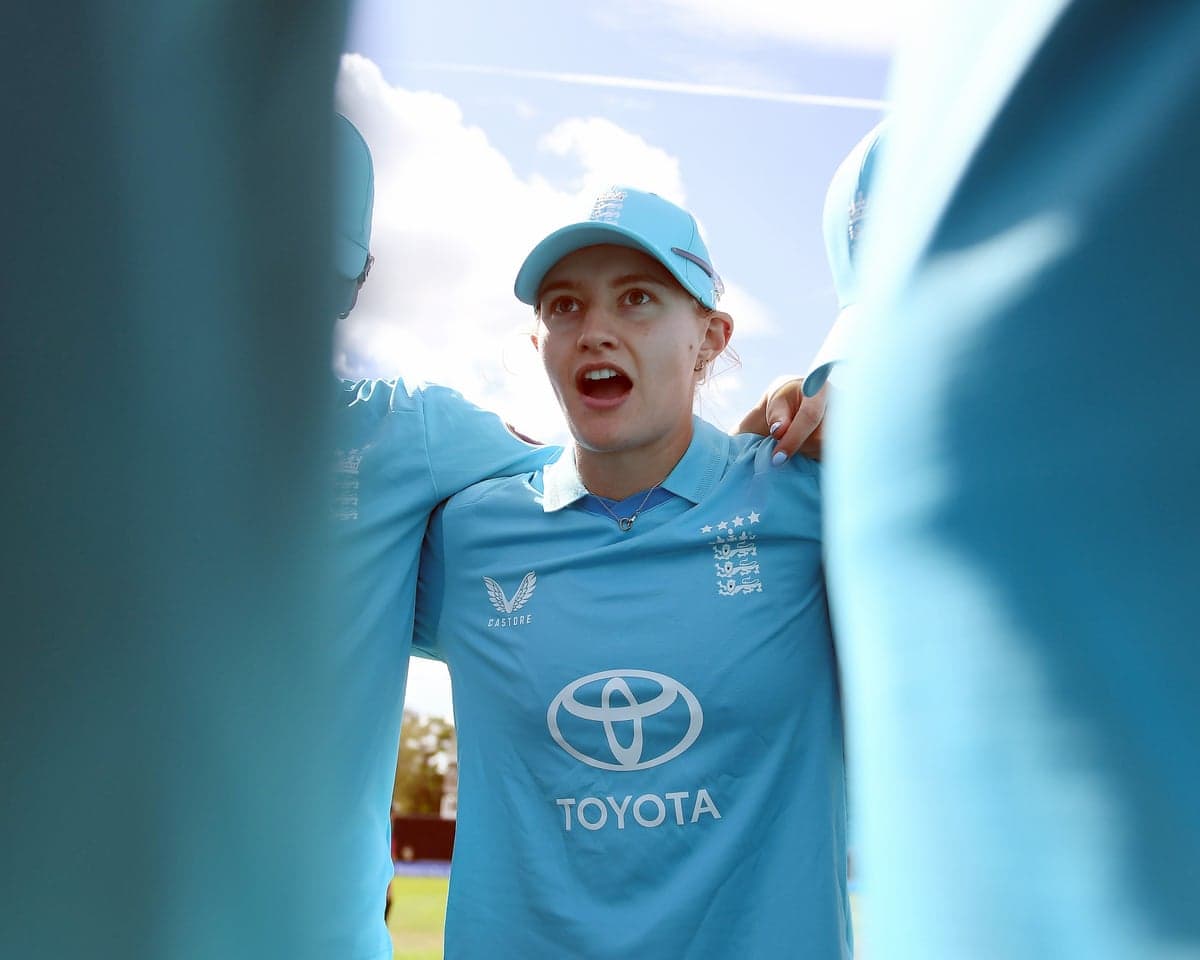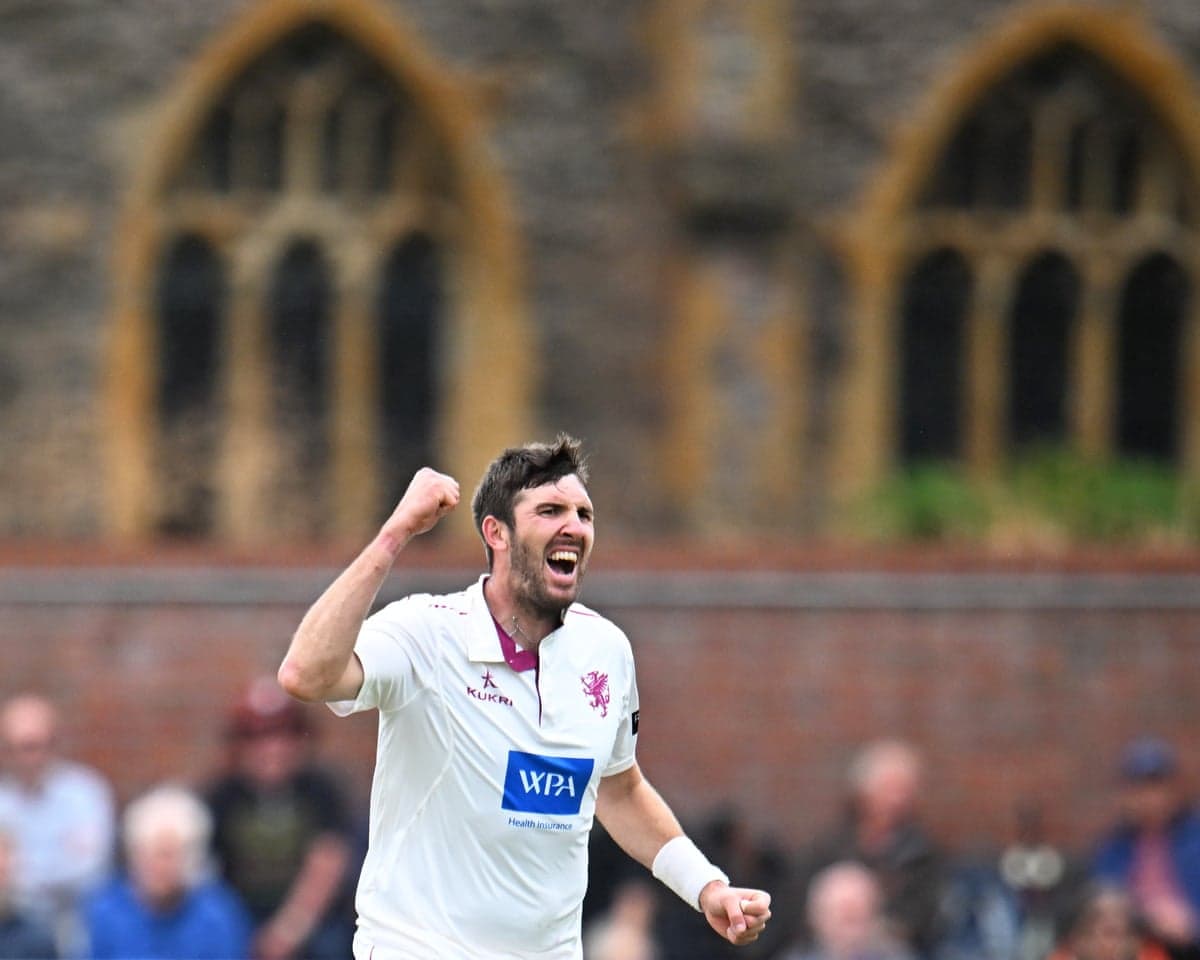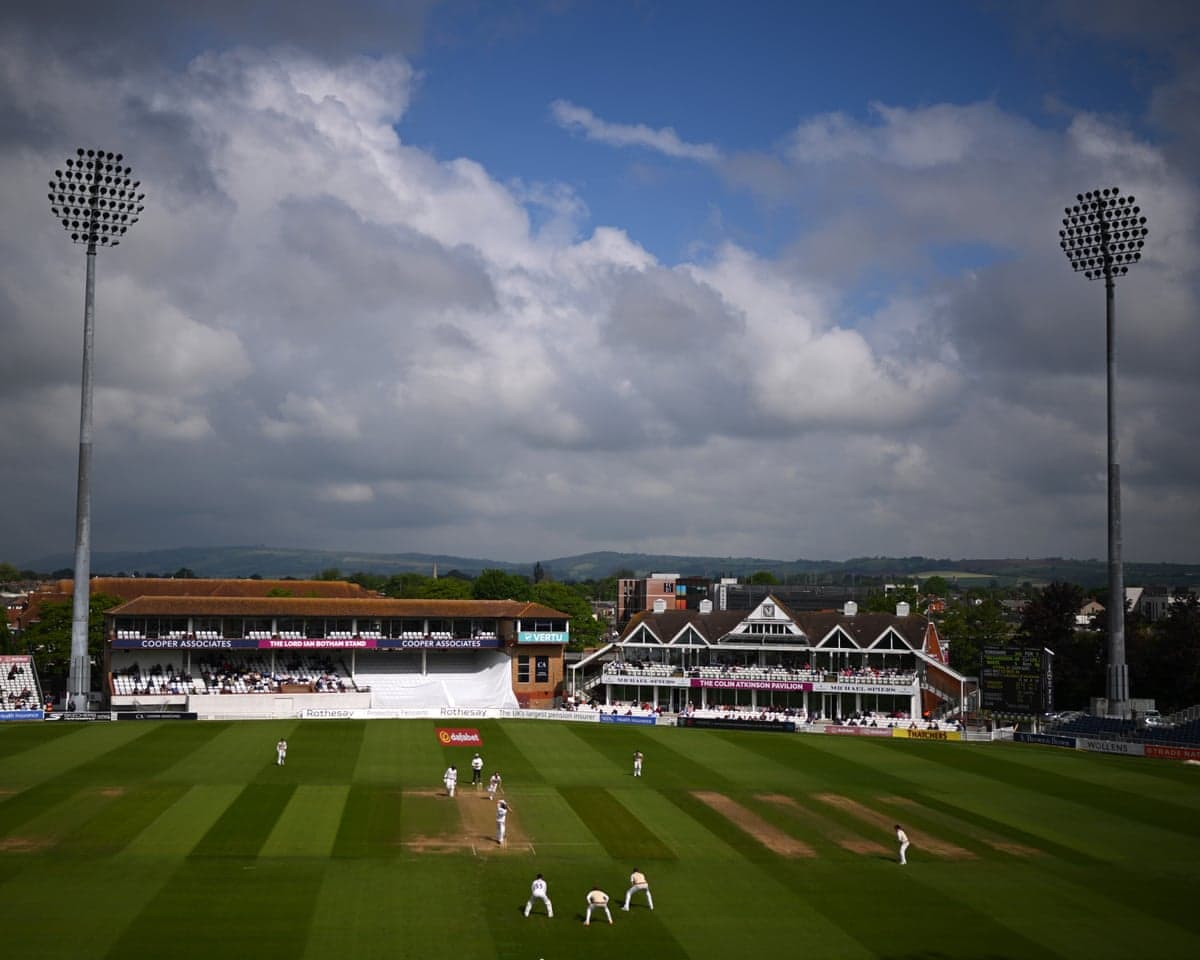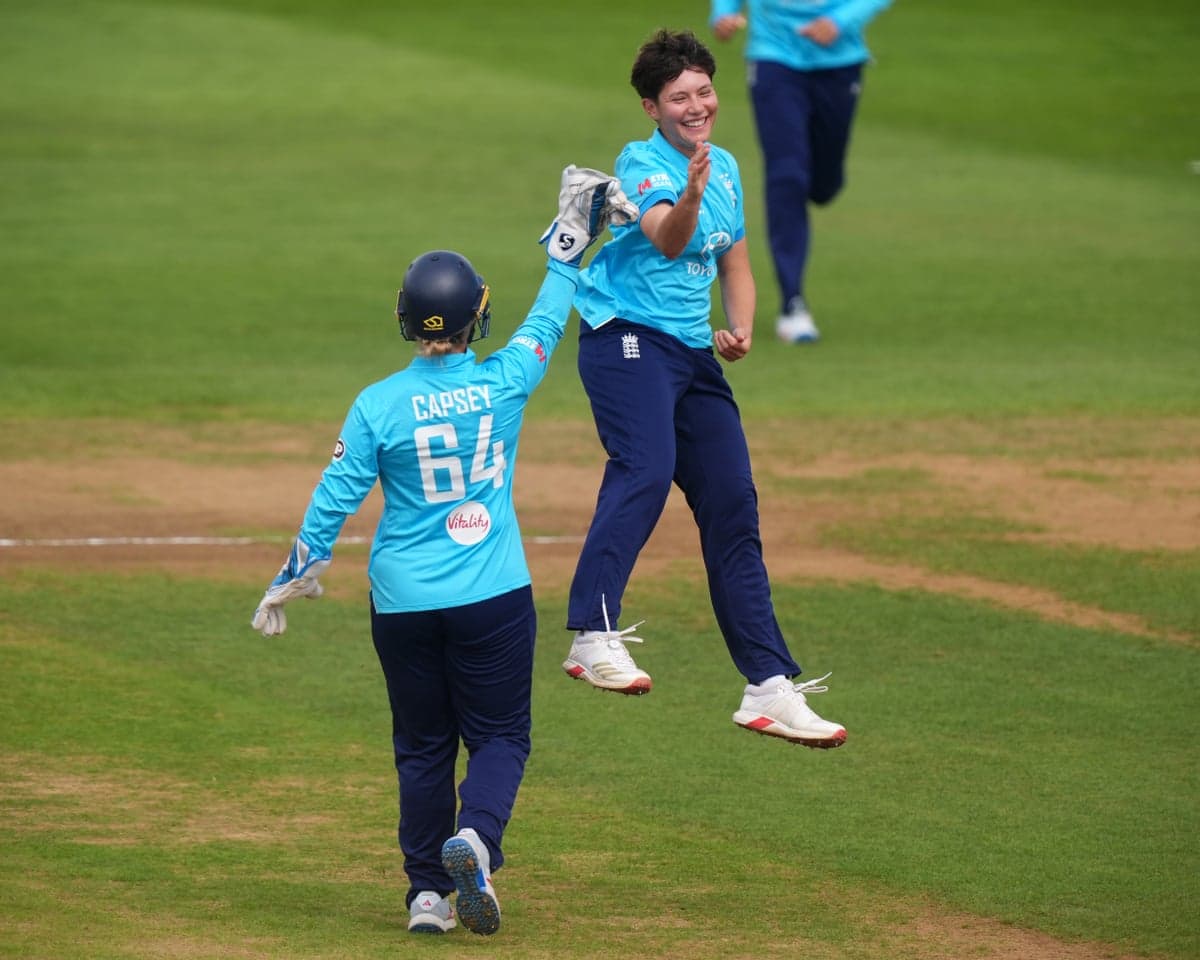
England clinched their one-day international series against Ireland with a commanding six-wicket victory at Derby on 3 September 2026, after seamer Issy Wong delivered a career-defining performance with the ball. Wong took five for 33—her maiden international five-wicket haul—to dismantle the Irish batting order and set up a win with 27 overs remaining.
The 20-year-old seamer, operating in the absence of Lauren Bell, demonstrated precision and control throughout her spell. She removed Ireland captain Gaby Lewis by bowling her leg stump, then progressed through the lower-middle order as batters attempted aggressive strokes but instead fell to her accuracy. This marked a striking turnaround from her opening ODI performance, when she had sent down four consecutive wides in her first spell, raising questions about her form after being discarded by England three years earlier.
Ireland's innings was anchored by Amy Hunter, whose determined half-century of 64 runs provided the backbone of their total. However, the visitors lost their final six wickets for just 25 runs, collapsing to 165 all out. Mady Villiers supported Wong's destructive spell by claiming the scalps of Orla Prendergast and Rebecca Stokell in consecutive overs, while also taking the catch that secured Wong's fifth victim.
How did England's chase unfold?
England's pursuit of 166 was methodical rather than dramatic, with the hosts demonstrating controlled aggression throughout their innings. Maia Bouchier's stay proved brief; she ran out her opening partner Sophia Dunkley early in the chase, then herself fell five runs short of a half-century when she holed out to short fine leg. Alice Capsey was trapped leg-before by Kia McCartney's off-break, while Jodi Grewcock contributed a patient 24 before pulling Cara Murray's delivery straight to Lewis in the field.
The decisive phase came through the partnership of Freya Kemp and Dani Gibson, who showcased England's emerging ODI talent by accelerating the run rate without recklessness. Gibson sealed the victory in the 23rd over by striking two maximums over Murray's head, completing the chase with 27 overs unused and securing the series.

What were the key moments in the field?
England's bowling setup proved highly effective in bowler-friendly conditions created by overnight rain that left the outfield waterlogged. Captain Charlie Dean's tactical changes yielded immediate results, though she herself fell victim to the damp surface when she slipped during her follow-through while fielding, badly grazing her knee. Her absence lasted only one over—the time needed to change her torn trousers—before she returned to the field.
The hosts squandered both their DLS reviews following poor communication between Dean and Capsey. Capsey also put down an edge from Louise Little's bat, a moment that will intensify scrutiny of her wicketkeeping performance. Earlier in the innings, Dunkley had executed a direct-hit run out of Alice Tector from mid-off as Ireland's batting faltered immediately, though Dunkley's own stay ended when she was run out by Prendergast from cover following a miscommunication with Bouchier.
Prendergast's dismissal to Villiers proved particularly costly for Ireland; the batter misjudged the boundary dimensions for the second consecutive match and was caught on the rope. This represented a recurring vulnerability in the Irish batting lineup across the series.
What is the broader context?
England had opened the series with a record-breaking six-wicket victory at Leicester on 1 September, when Maia Bouchier struck an unbeaten 104 to complete their highest one-day international run chase. That triumph gave England a 1-0 lead heading into Derby, and Thursday's commanding performance extended their advantage to an unassailable 2-0 with one match remaining.
The fixture forms part of the 2025–2029 ICC Women's Championship, a long-form competition designed to provide meaningful bilateral cricket between nations. England's performance in these matches reflects their status as one of the world's leading women's ODI sides, though the absence of key personnel including Nat Sciver-Brunt in the opening fixture meant the squad was not at full strength.
What happens next?
The three-match series concludes on 6 September 2026 at Worcester, with play scheduled to begin at 11:00. Although England have already secured the series, the final ODI will provide both teams with an opportunity to build momentum and test squad depth before their next international commitments. Ireland will seek to salvage pride with a victory, while England may use the match to continue evaluating their squad options in the 50-over format.