Out in Arizona, just south of Tucson, where tumbleweeds drift in search of a home, stands a town called Tombstone. On its outskirts lies Boothill Graveyard, the final resting place for countless cowboys who perished "with their boots on" during the brief but lethal gunfights of the wild west.
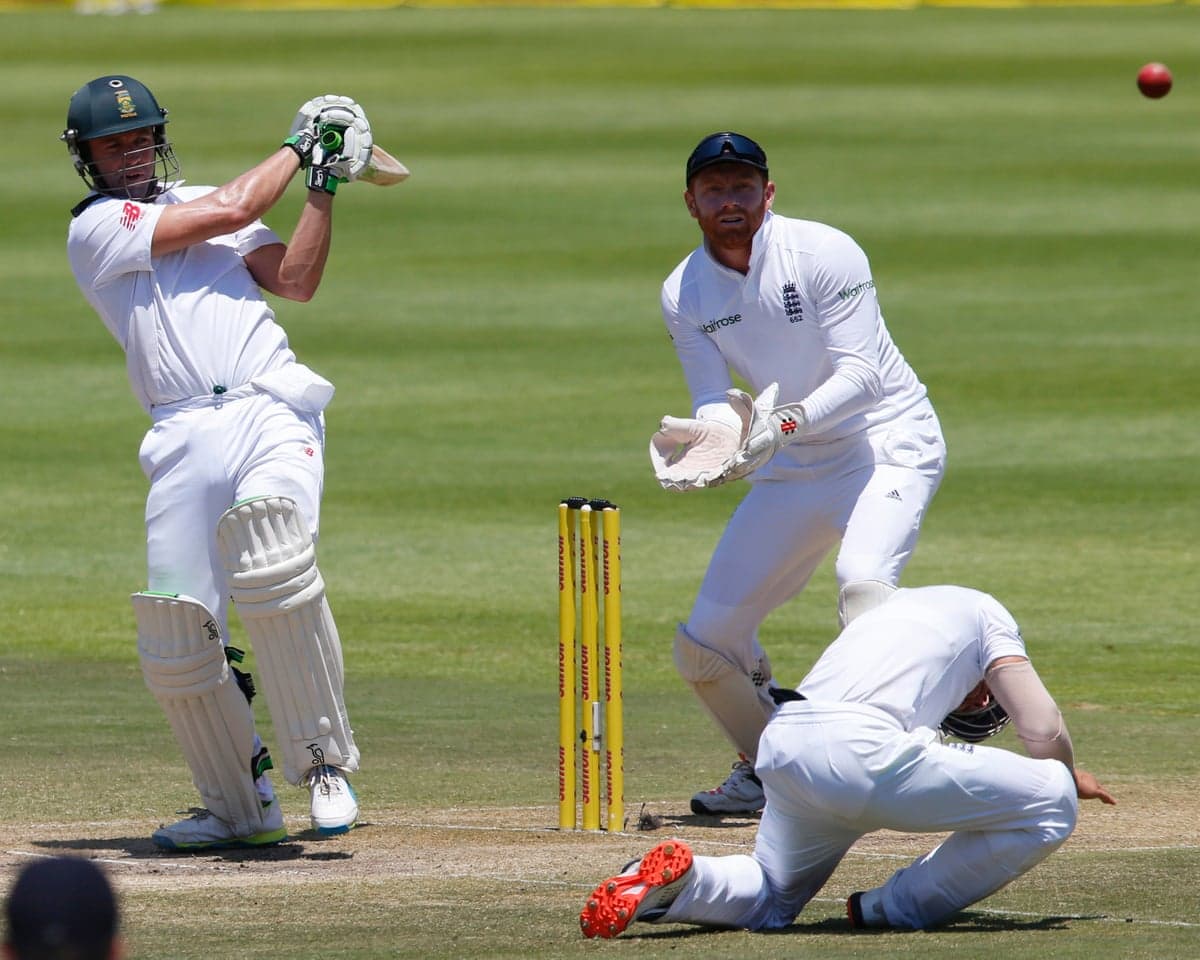
In cricket, "Boothill" is the grim nickname for the most perilous fielding position: short leg, situated directly under the batter's nose and squarely in the trajectory of any full-blooded sweep or pull shot. According to The Guardian, few players willingly volunteer for such a role. Yet James Taylor, the former England batter, was not one of them.
"I always loved it in there because you're right in the thick of the action,"Taylor explains, struggling to contain his enthusiasm while cradling his three-month-old son.
"You're so close to it and involved every ball. Honestly, you feel so alive!"
Taylor's infant son rests in a papoose strapped to his chest, occasionally stirring as his father recounts the intensity of fielding at short leg.
"There's plenty of people that – excuse my language – shit themselves when they go in there. But I was very fortunate that I didn't have that fear, I wanted the ball to come to me, be hit at me."
Two catches that changed everything
During the third Test against South Africa in Johannesburg in 2016, Taylor produced two extraordinary catches at short leg within half an hour, moments that would define his international career. According to the BBC, Taylor played all four Tests in England's series win that winter, but these two dismissals stood out as exceptional.
The former South Africa captain Graeme Smith, commentating at the time, was effusive in his praise.
"That has to be two of the most sensational catches I've ever seen on a cricket field,"Smith said after Taylor's second grab to dismiss Dane Vilas.
"I don't think you'll ever know how tough that is."
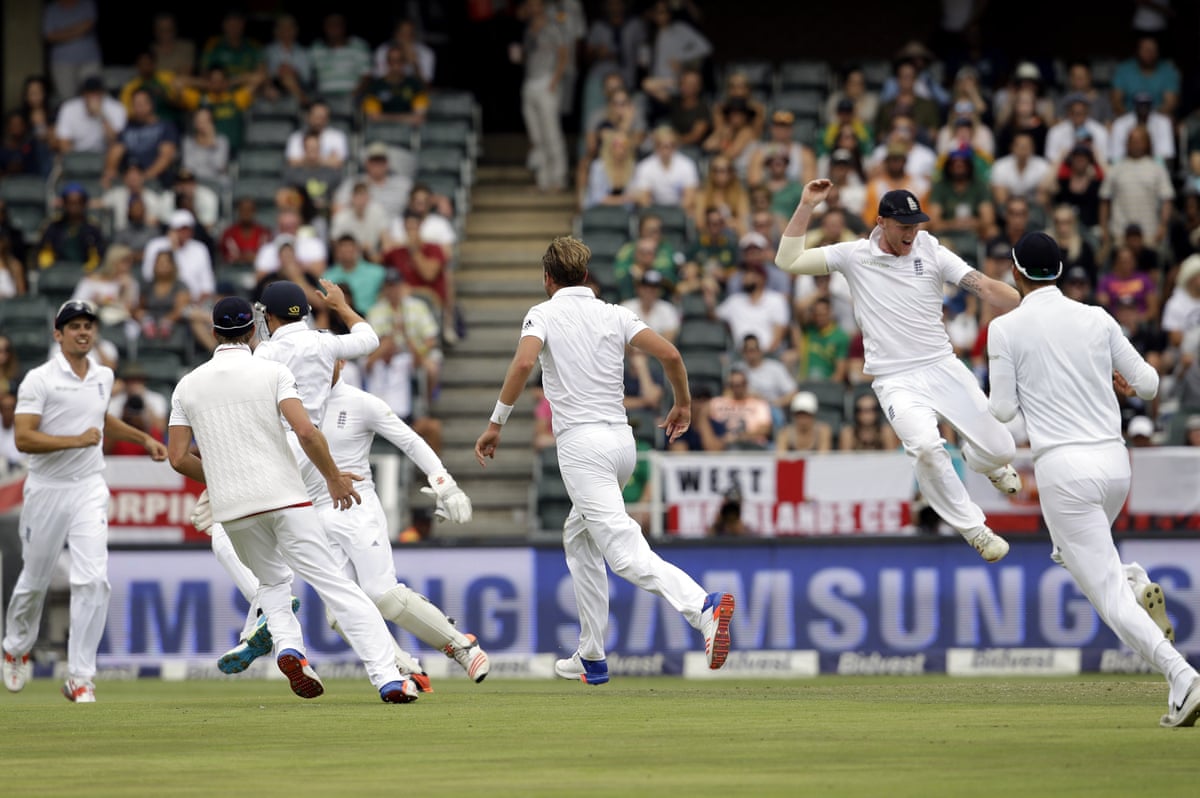
Taylor's first catch removed the perplexed Hashim Amla, who had executed a crisp front-foot flick off Stuart Broad's bowling. Positioned a few paces deeper than a conventional short leg, Taylor stayed low and grasped the catch millimetres above the turf. The entire sequence unfolded in merely 0.4 seconds.
"It's very rare in any sport, that you practise something really hard the day before and then it pays off straight away,"Taylor reflects. He had spent hours the previous day practising this exact scenario with England's then assistant coach Paul Farbrace, who would deflect balls at high velocity off a boxer's sparring pad repeatedly toward Taylor's feet.
"The Vilas catch that happened a few overs later looks better as I'm diving but actually the Amla one is the better catch because it came faster and lower."
When recounting the dismissal, Vilas takes the moment in good humour.
"Let's say I played that clip off my hips 1,000 times in my career, 999 times it's going for runs. I couldn't believe this little guy caught it."That catch would prove to be Vilas's final Test appearance; he never played another match at that level, though he went on to create
"some of the happiest memories"of his career at Lancashire, where he became club captain.
Built for the position
At 5ft 6in tall and nicknamed "Titch", Taylor seemed tailor-made for short leg.
"That's the stereotypical way it works, the smallest guy is shoved in there or the youngest guy in the team … but I was always in there! Even in schoolboy cricket when I was captain, I'd put myself there because I genuinely enjoyed it and was good at it."
While many players regard short leg as an unwelcome chore—akin to washing up or calculating the bill—others have relished fielding at such perilously close quarters. Several of these have been senior players within their teams, commanding respect through their presence and bravery.
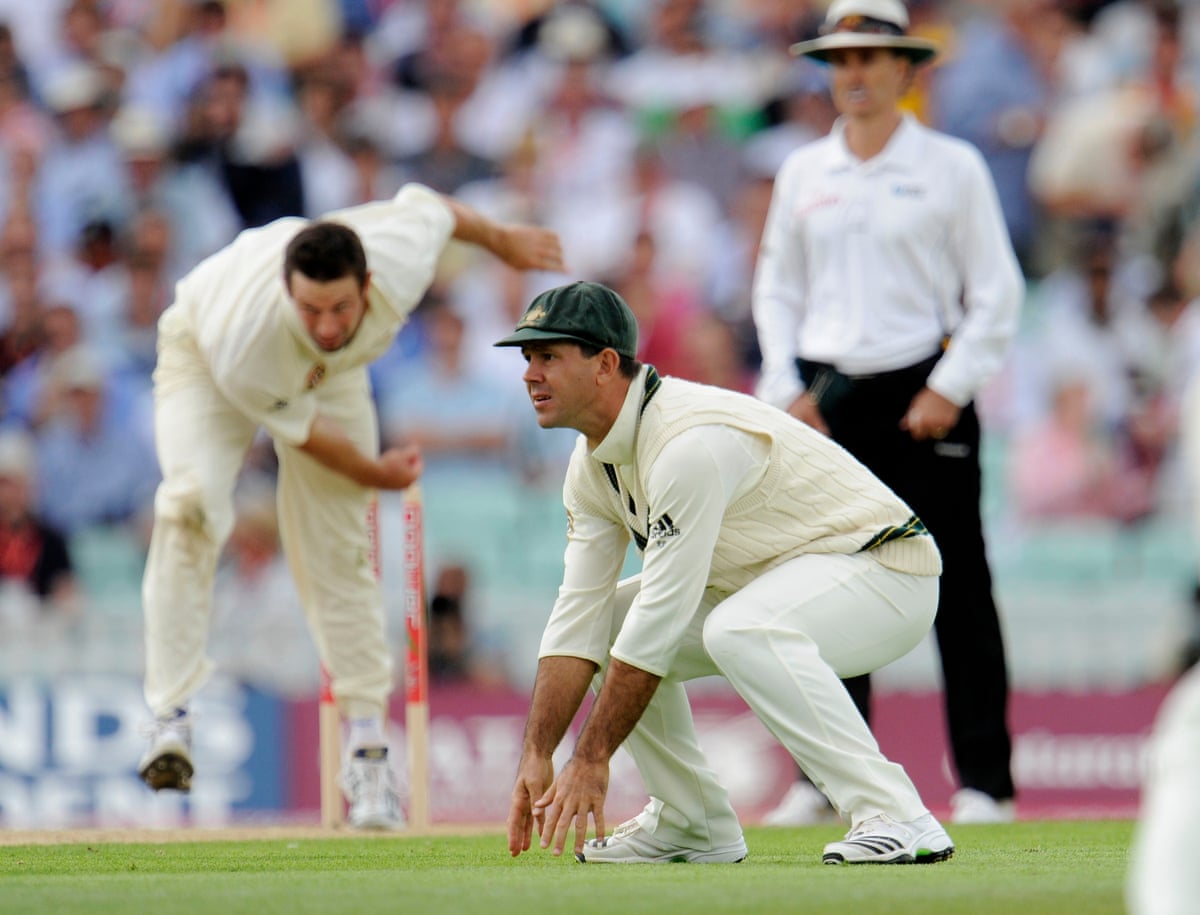
Ricky Ponting channelled the swagger of Sheriff JW Pepper, squinting and mercilessly chewing gum only a pace or two from the batter, most often at silly point, the off-side equivalent of short leg. Tony Greig deployed his 6ft 8in frame to intimidate and alter how batters would play, frequently with his size 12 shoes encroaching on the popping crease, folding himself down to stare directly into the batter's eyes.
The twisted intimacy of close fielding
Fielders who occupy these close-in positions enter into a peculiar kind of intimacy with the batter—they observe them perspire, hear them breathe, and become privy to their whispered incantations as the bowler approaches.
"It was intense in there,"Taylor recalls.
"You can see when a batter is struggling and is scared. There's a lot of eye contact. You hear exactly what the bowler is saying in his follow through. I've been in there when Jimmy Anderson has being going hard at a batter. You're thinking: 'This is really spicy and I've got front-row tickets.'"
The intensity of such moments creates a unique psychological dimension to the game. The fielder becomes not merely a spectator but an active participant in the batter's mental struggle, a presence that can unsettle even the most composed players.
A career cut short
A cruel fate awaited Taylor. A few months after the South African tour, he was forced to retire from international cricket at only 26 years old after being diagnosed with an incurable heart condition. According to the BBC, Taylor had been diagnosed with arrhythmogenic right ventricular cardiomyopathy (ARVC), a serious cardiac condition that ended his playing career prematurely.

Despite the abrupt termination of his Test career, Taylor's statistics demonstrate his potential. According to Trent Bridge's records, Taylor played seven Tests and 27 ODIs for England, accumulating 887 ODI runs at an average of 42.23, a respectable return that suggested a longer international future had injury not intervened.
He spent four years in selection roles at the ECB before becoming assistant head and lead batting coach at Leicestershire, his passion for the game undimmed by his premature retirement. The memory of those catches remains precious to him.
"To have those moments of pure elation … to be lucky enough to get two of them that day, just that feeling inside …"He pauses momentarily.
"I'm not really an emotional guy … but to have that feeling, like I can almost feel it now just talking about it. It was one of the last games I ever played. It's special. Really, really special."
His baby wakes and coos softly. Sometimes a sunset arrives in an unexpected shape.
The lineage of short-leg bravery
From the nimble hands of India's Eknath Solkar to the fearless positioning of others, short-leg fielders have thrilled audiences with their bravery, reflexes and athleticism across the decades.
David Boon, the Australian batsman-turned-fielder, offered a characteristically candid explanation for his presence at short leg.
"I started fielding at short leg because I was lazy,"Boon claimed after retirement.
"I didn't like running around the field, so at short leg, when it went past me, I could pretend I'd got hit so I didn't have to run after it."
Another uncompromising player who made the position his own was Brian Close, the hard-bitten former England captain. Close originally wanted his autobiography titled "I Don't Bruise Easily" but changed it to "I Took The Blows" because he wanted it understood that he bruised like anyone else—he simply did not feel the pain.
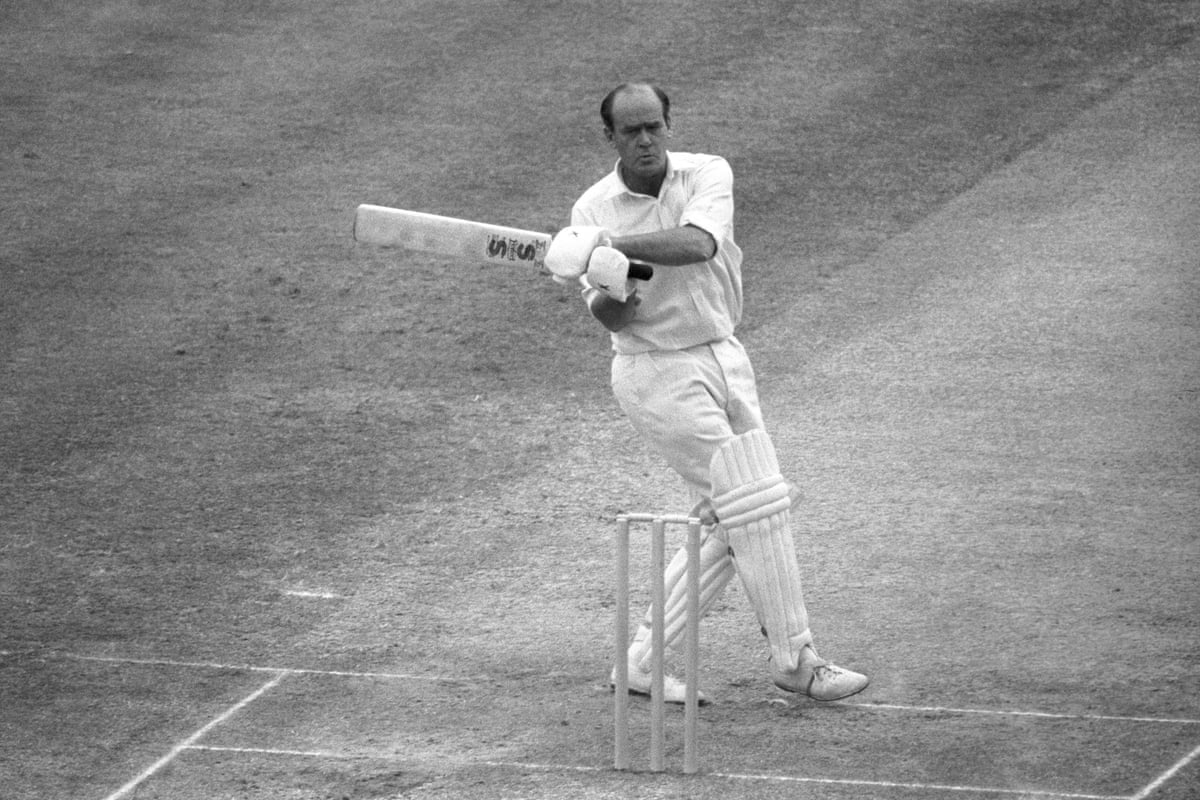
Recollections of Close's toughness border on the legendary.
"He once walked through a glass door he had not seen, and was unhurt,"one observer recalled after his death in 2015.
"On another occasion, fielding at short-leg and struck a heavy blow on the head, he shouted 'Catch it!' before falling to the ground. When other batsmen would show pain or rub a bruise he would ask, incredulously: 'How can the ball hurt you? It's only on you for a second.'"
Such attitudes seem almost incomprehensible in the modern era, yet they underscore the particular courage demanded by positions like short leg, where physical danger and psychological intensity converge in ways few other fielding roles demand.