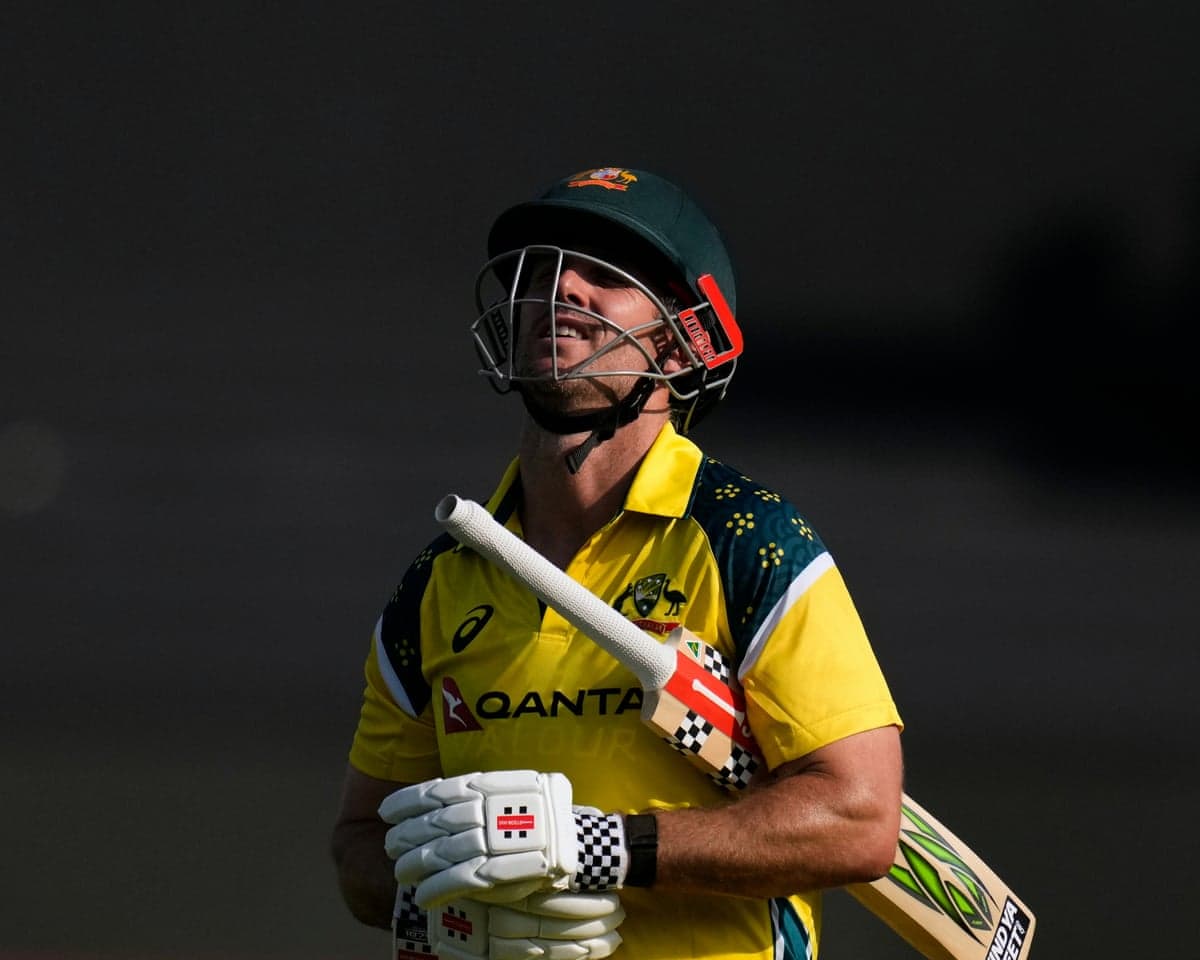
South Africa defeated Australia by 67 runs in the opening match of their three-game ODI series on 24 September 2026 at Kingsmead in Durban, with the hosts posting 297-8 before restricting the visitors to 230 all out in just 41.2 overs. The result gives South Africa a 1-0 lead in the series, which forms part of both teams' preparation for the 2027 World Cup in South Africa.
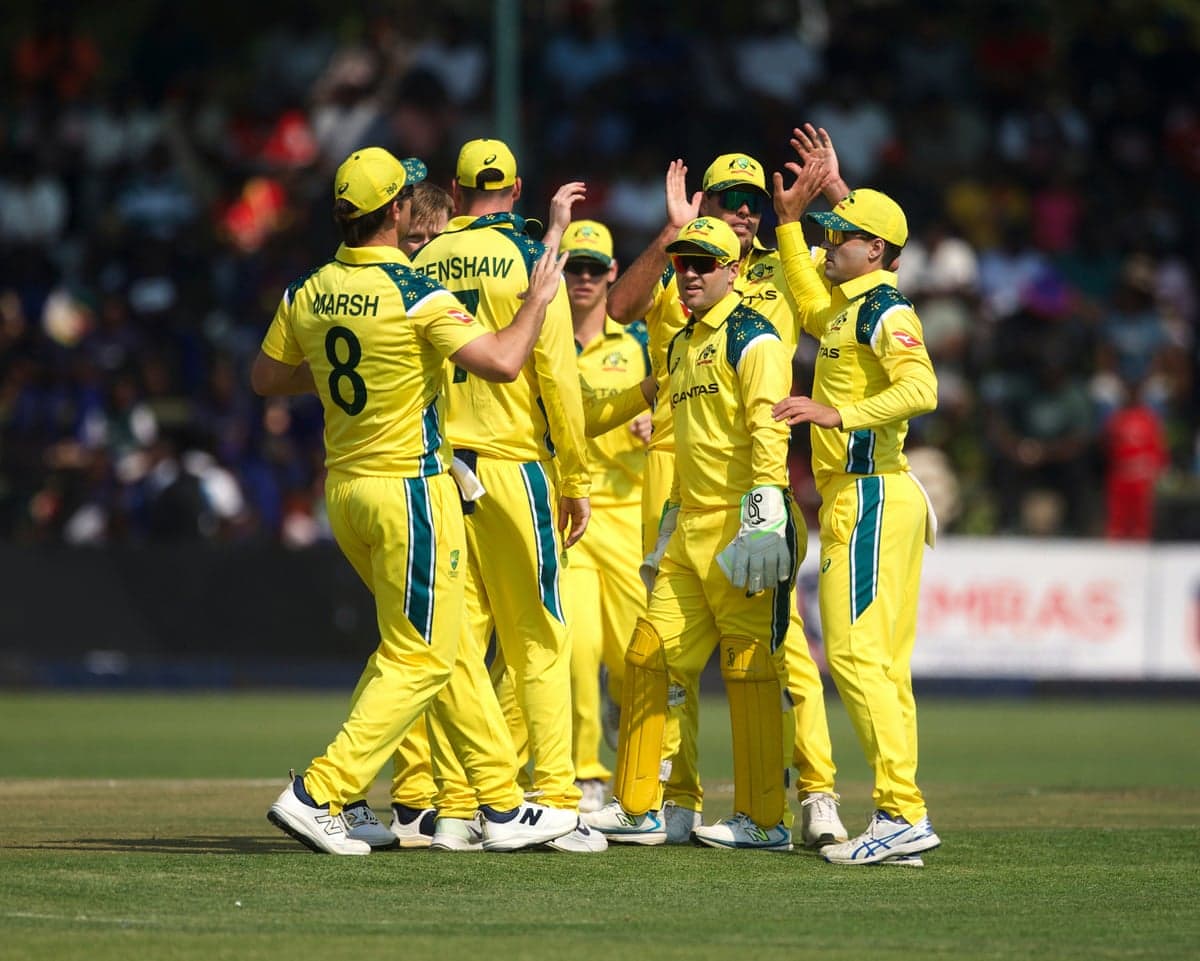
Stand-in captain Mitch Marsh struck a blistering 60 from 36 balls to lay the groundwork for a successful chase, but his dismissal to the spin of Keshav Maharaj triggered a collapse that saw Australia lose their last six wickets for only 54 runs. Marsh expressed his frustration with the manner of the defeat, acknowledging that his team had been outperformed across the match.
How did South Africa build their total?
The Proteas constructed a commanding innings after being asked to bat first. Matthew Breetzke anchored the innings with a measured 112, while pace-bowling allrounder Marco Jansen provided explosive acceleration with 75 runs from 59 deliveries. Their partnership and contributions pushed South Africa to a formidable 297-8, establishing a target that would ultimately prove beyond Australia's reach.
What went wrong in Australia's chase?
Despite Marsh's aggressive start, Australia's batting order disintegrated once the stand-in skipper fell to Maharaj's left-arm spin. Marsh had shared a rapid 90-run opening partnership with Travis Head in just 9.2 overs, but Head departed for 36 after playing an airy shot while the run rate remained manageable. Cooper Connolly, who had appeared in control with 38, and Matt Renshaw, who made 44, followed similar patterns—getting out to loose strokes when the required rate was not yet a pressing concern.
The turning point arrived when Marco Jansen produced a sensational running, diving, one-handed catch to remove Renshaw off Gerald Coetzee's bowling. Jansen stretched his long arm to scoop the ball just above the turf, leaving Australia at 215-7 with no realistic path to recovery. Josh Inglis then fell to a poorly executed reverse sweep off Maharaj, the eighth ball he faced, as the middle order crumbled.
The twin left-arm spinners Maharaj and Bjorn Fortuin dismantled Australia's chase with precision. Maharaj finished with 4-20, while Fortuin took 2-34, applying relentless pressure that the Australian batsmen could not withstand once partnerships broke down.

What did Marsh say after the match?
I'm pretty disappointed, South Africa outplayed us. It was a good game of cricket, but we fell well short. We had our opportunities, I am probably going to sound like a broken record speaking about having partnerships in our batting, but we weren't able to form many tonight.
Marsh's assessment highlighted a recurring issue for Australia. According to post-match analysis, the stand-in captain stated that Australia "need solutions with bat and ball" after the defeat, noting that South Africa "got 100 runs off the last 10 overs" to build their total. The inability to construct meaningful partnerships has become a persistent weakness, one that Marsh acknowledged must be addressed urgently.
Why was Marsh captaining instead of Pat Cummins?
Pat Cummins, Australia's Test captain, was rested for the opening ODI to prioritise preparation for the three-Test series beginning next month. According to reports, Cummins was focused on Test squad conditioning while Marsh continued to lead the ODI side. Cummins is expected to return for the second match on 27 September 2026 at The Wanderers Stadium in Johannesburg.
What is the broader context?
This series represents an early examination of both teams' World Cup credentials ahead of the 2027 tournament in South Africa. Australia have not won a bilateral ODI series against South Africa since 2014, making this an important opportunity to reverse that trend. The defeat in Durban places immediate pressure on Australia to level the series in Johannesburg, where conditions and venue dynamics may differ significantly.
The three-match series is scheduled across three venues: Durban on 24 September, Johannesburg on 27 September, and Potchefstroom on 30 September 2026. According to the tour schedule, the first two ODIs begin at 10am local time, while the third match starts at 1:30pm local time.
What happens next?
Australia must regroup quickly for the second ODI on Sunday, 27 September 2026, at The Wanderers in Johannesburg. The return of Cummins to the captaincy and potential changes to the batting order will be closely scrutinised as Australia attempt to avoid falling further behind in the series. The third and final ODI is scheduled for Wednesday, 30 September 2026, at Senwes Park in Potchefstroom.
Key Facts
- South Africa won the first ODI by 67 runs, with Matthew Breetzke scoring 112 and Marco Jansen contributing 75 to reach 297-8
- Australia collapsed to 230 all out in 41.2 overs, losing their last six wickets for 54 runs after Mitch Marsh's dismissal
- Keshav Maharaj took 4-20 and Bjorn Fortuin took 2-34 as South Africa's left-arm spinners dismantled the chase
- Pat Cummins was rested for the opener; Marsh captained and will be replaced by Cummins for the second ODI on 27 September 2026
- Australia have not won a bilateral ODI series against South Africa since 2014