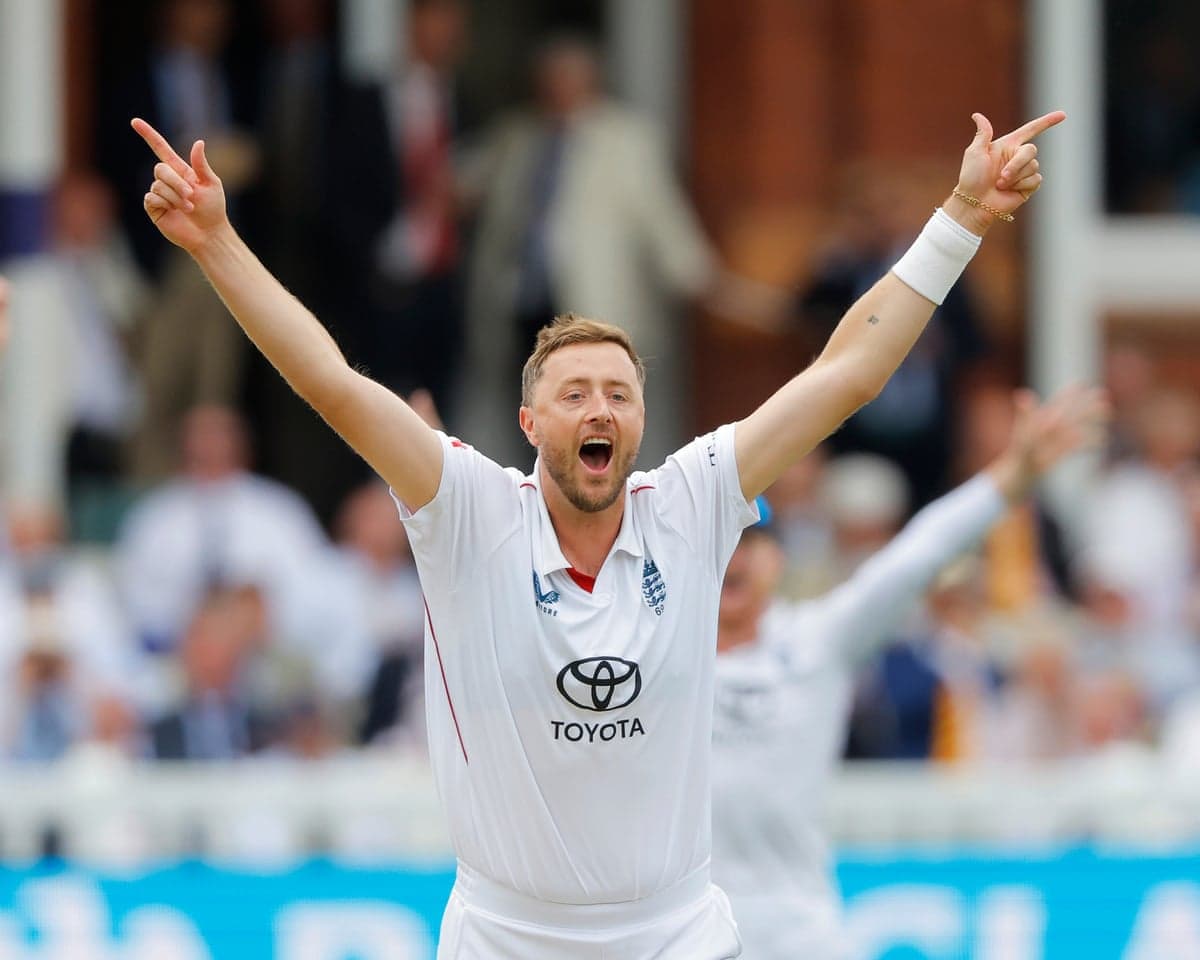
England seized control of the second Test against Pakistan at Lord's on 28 August 2026, with Ollie Robinson claiming four wickets for 11 runs to dismantle the visitors' batting lineup. After posting 290 in their first innings, England extended their advantage to 261 for three wickets in their second innings, establishing a commanding position in the three-match series.
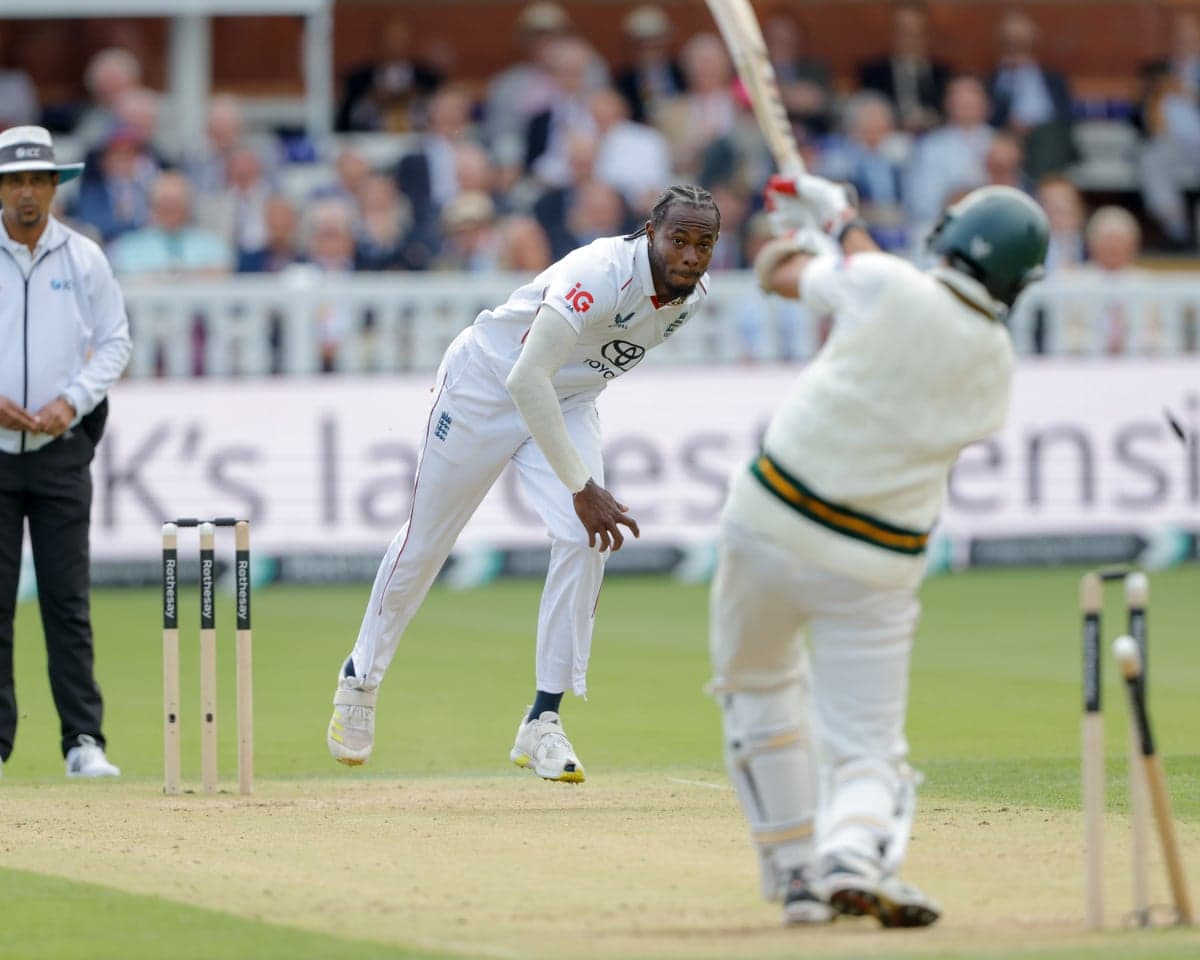
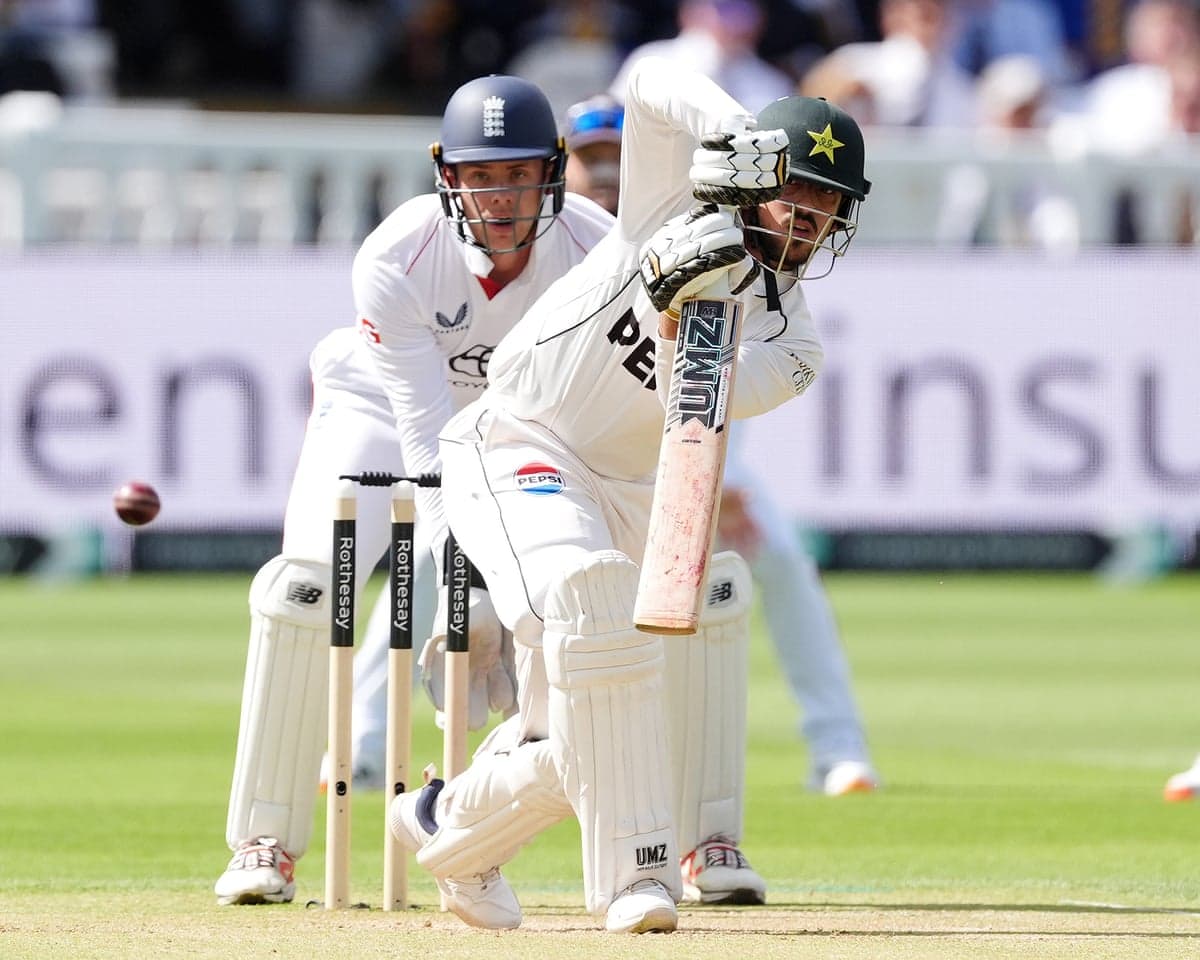
Robinson's extraordinary spell of 13 overs proved devastating as Pakistan were bowled out for 110, leaving them 180 runs adrift on first innings. Jofra Archer contributed three for 26 from 11.2 overs, while the England attack maintained relentless pressure throughout the day. Azan Awais, the 21-year-old opener, provided the only substantial resistance with 46 runs, holding firm for nearly three hours before holing out off Robinson.
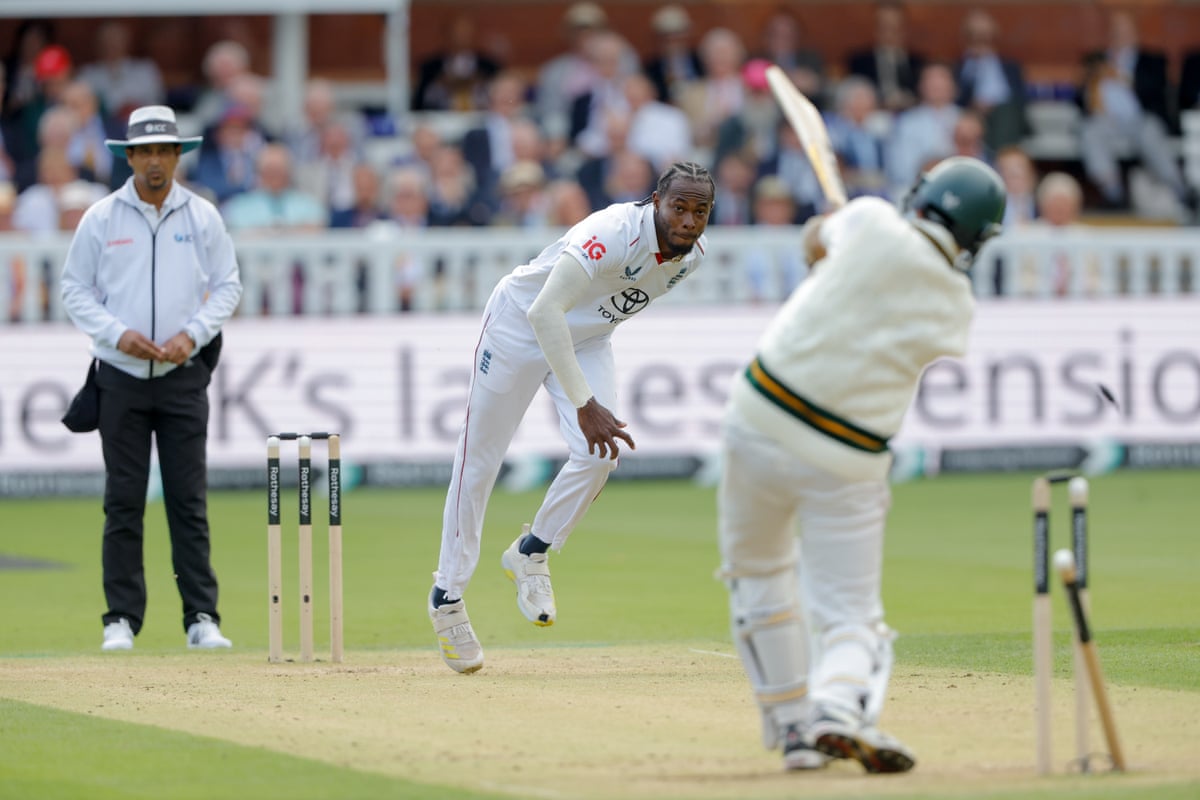
England entered the Lord's Test leading the series 1-0 following an innings-and-103-run victory at Headingley, where Robinson and Josh Tongue each took five wickets. That dominant performance set the tone for this encounter, and the pattern continued on day two as Pakistan's batsmen struggled against disciplined bowling and helpful conditions.
The morning session proved particularly punishing for Pakistan. Robinson operated from the Nursery End with metronomic accuracy, supported by Archer's pace from the opposite end. Josh Tongue removed Abdullah Shafique before lunch, leaving Pakistan at 16 for two after an hour of intense pressure. When play resumed in the afternoon, Tongue made swift work of Babar Azam, whose ambitious drive on eight flew into the cordon.
Root, captaining from mid-off, orchestrated the attack with precision. After Tongue's initial burst, Robinson returned for a second spell that proved even more destructive. His next seven overs cost just four runs and accounted for four batsmen. Saud Shakeel and Mohammad Rizwan were both trapped lbw via smart reviews initiated by Root, while Khurram Shahzad poked to slip two balls before Awais fell. Archer completed the demolition by castling Ali Usman and Mohammad Abbas.
According to live coverage from the match, Pakistan had been reduced to 77 for four in their second innings by the time England's batting began, leaving them still 213 runs behind. This deteriorating position reflected the mounting pressure Root's attack had applied throughout the day.
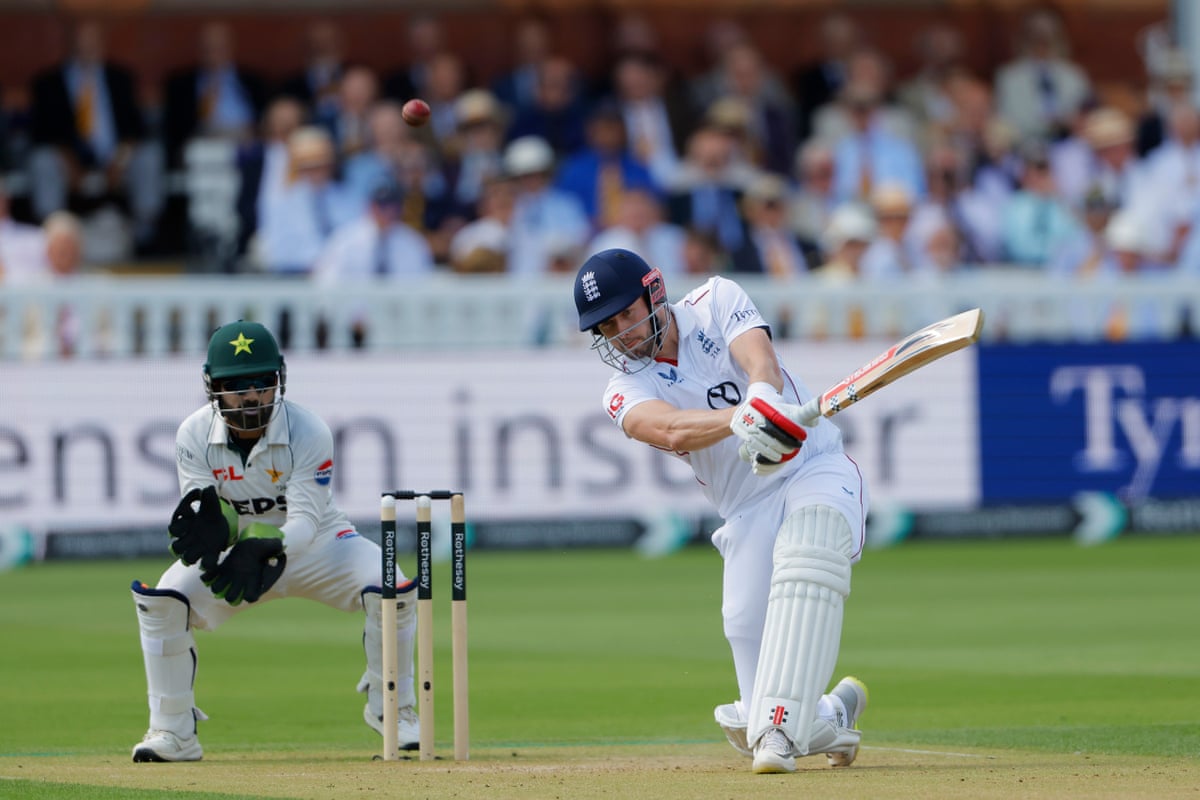
Gus Atkinson, operating in a changed role this summer after being moved away from new ball duties, remained wicketless but contributed meaningfully with the bat. His unbeaten 46 from number eight, combined with an early stand of 47 alongside Tongue, provided valuable runs that would prove significant when England batted again. Tongue's career-best unbeaten 30 in the morning session demonstrated the all-round quality emerging within Root's squad.

England's second innings began shakily when Ben Duckett chipped Khurram Shahzad to mid-off for one, and Jordan Cox fell lbw for eight. However, Root and Emilio Gay steadied the innings, with Gay reaching an unbeaten 30 as England closed the day with a substantial lead. Root himself fell to Mohammad Ali for 26 in the final hour, continuing a frustrating pattern of being pinned lbw—a technical issue he acknowledged but one that mattered little given England's commanding position.
The build-up to this Test had been dominated by the withdrawal of Brydon Carse from the squad following a nightclub incident in Derby, an affair that consumed Root's attention during what should have been a relaxation period. His father, Matt, revealed that Root spent four hours on the phone the previous Sunday dealing with the fallout. Yet any residual frustration appeared channelled into tactical acumen on the field, with Root's captaincy proving decisive in maintaining relentless pressure on Pakistan's struggling batsmen.
Root had initially resisted the prospect of permanent captaincy when it was first discussed earlier in the summer, but the arrival of Stephen Fleming as head coach—with whom he had spoken regularly before roles were confirmed—appeared to influence his decision. Watching this commanding display, and the series opener at Headingley, suggested that access to this emerging pace attack may have been another factor in accepting the role.
Pakistan's position was further weakened by a calf injury suffered by Imam-ul-Haq on day one, reducing their batting resources to nine wickets. The only genuine positive for the visitors came from Awais, whose gritty innings showed character against Archer's sustained pace, which repeatedly breached the 90mph mark. Jamie Smith, England's wicketkeeper, continued an impressive summer behind the stumps, standing up to Robinson's slower deliveries and positioning himself expertly for the quicker bowlers.
The conditions at Lord's—overcast skies providing cloud cover and a pitch offering nip despite its slow nature—favoured the England bowlers. However, the quality of the bowling attack transcended mere pitch conditions. The consistency of line and length, particularly from Robinson and Archer, suggested that even stronger opposition might have struggled. With Jimmy Anderson and Stuart Broad now retired, their portrait greeting dismissed batters on their way back to the pavilion, a potent new generation was establishing itself.
According to ' match report, Mohammad Abbas took four wickets for Pakistan during the first day, providing some encouragement for the visitors. Yet his efforts proved insufficient to prevent England's dominance from the outset.
What happens next
The Test continues through Monday 31 August 2026, with play scheduled to resume at 11:00 BST each day. England's substantial lead and Pakistan's depleted batting lineup suggest the hosts are closing in on a first series win in 18 months. With two days remaining in this five-day encounter, Pakistan face the challenge of batting again in conditions that have consistently favoured England's bowlers.