My allegiance to Pakistan's cricketers has never wavered, despite a lifetime spent largely in England. I was captivated by Shoaib Akhtar's explosive pace and entranced by Shahid Afridi's unpredictable brilliance. Perhaps this reflects a deeper search for connection to family and heritage across continents, or perhaps it simply acknowledges that Pakistan has consistently produced some of cricket's most thrilling performers. When the conditions align—the ball reversing, spinning both ways—the experience is intoxicating.
Yet that magic has been absent for an extended period, and the recent fortnight of Pakistan's tour of England has brought the despair to unprecedented levels for anyone emotionally invested in the team's fortunes. The struggle was predictable: England rarely surrender Test series at home, and they possess Joe Root and Harry Brook, who take turns as the world's premier batsmen. Their seam attack, anchored by Ollie Robinson's exceptional record, operates with a cohesion Pakistan cannot match. The visitors had not won a Test series in England for three decades and arrived having lost eight of their previous nine Tests abroad. The realistic hope was merely to secure one victory, as they had managed on previous English tours this century.
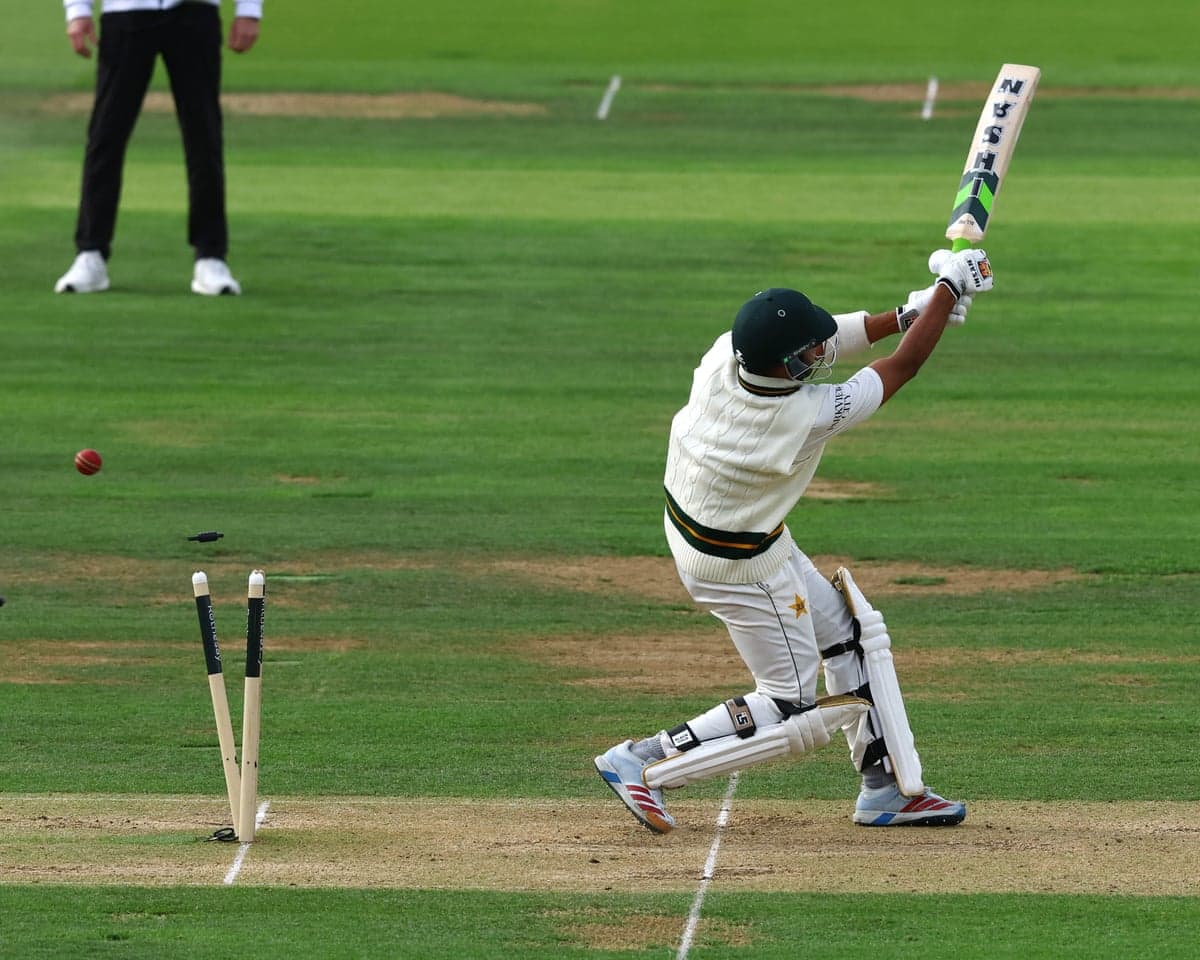
Yet even meeting modest expectations has proven demoralising. A batting unit featuring several players with Test averages exceeding 40 has repeatedly failed to reach 200 runs. The lower order offers no salvation. The bowling, meanwhile, lacks the pace bowling excellence that once defined Pakistani cricket. Mohammad Abbas, now 36 years old, has appeared as both a comfort and an indictment—a vastly underutilised talent who has played only 32 Tests across his career.
The fundamental question becomes unavoidable: how can any cricketer, regardless of talent, perform adequately while employed by the Pakistan Cricket Board? The PCB's pattern of erratic decision-making has reached new extremes with their mid-tour purge, a decision so bewildering it belongs nowhere but in a late-night spiral of desperation.
How did the PCB's squad overhaul unfold?
The scale of the disruption defies rational explanation. Sarfaraz Ahmed, appointed head coach in April 2026, managed the side for six Tests before his dismissal. Across all formats and including temporary arrangements, Pakistan has cycled through 10 head coaches in five years. Seven players were removed from the touring squad and replaced by seven alternatives ahead of the third Test, with Mike Hesson and Ashley Noffke named as successors to Sarfaraz Ahmed and Usman Gul in the backroom staff.
The departures included Mohammad Rizwan, whose batting has been inconsistent but whose wicketkeeping proved instrumental to Abbas's success at Lord's, particularly his work standing up to the stumps—a crucial tactical element for both teams throughout the series. Ali Usman was discarded despite taking five wickets at Headingley. Salman Ali Agha captained in Leeds, was dropped in London, and has now been removed entirely. Of the seven replacements, five have never played Test cricket, ensuring they enter an already hostile environment completely unprepared.

Who bears responsibility for this chaos?
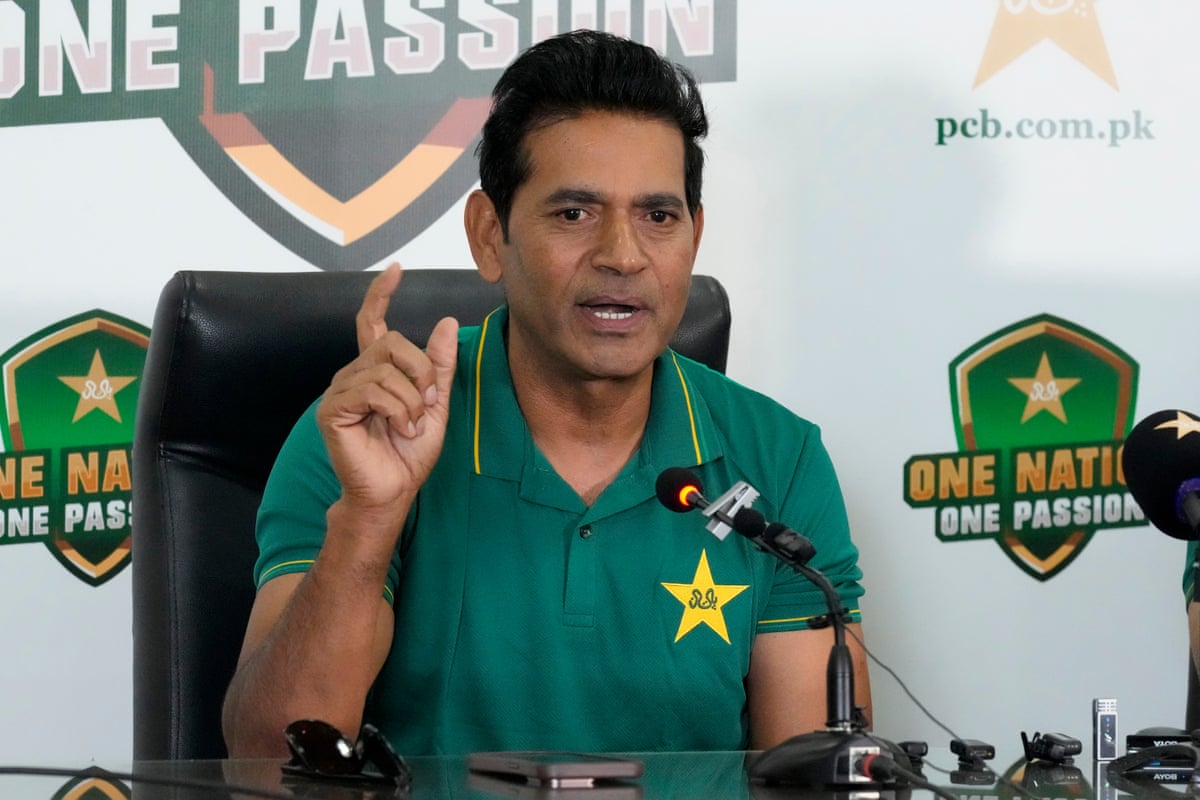
Aaqib Javed, the PCB's director of high performance and a member of the men's selection committee, briefly served as head coach last year. He defended the purge to Geo News, stating:
Someone had to take action. The world is laughing at us because we can't even compete.What Aaqib appears not to recognise is that the world's laughter is directed not at the players on the field, but at the institution managing them.
Mohsin Naqvi chairs the PCB while simultaneously serving as Pakistan's interior minister, a dual role that contradicts his stated belief that sport and politics should remain separate. In recent days, he has defended the squad purge and rejected suggestions that Pakistani cricket faces terminal decline.
Did cricket come to an end in South Africa and India after they lost to Namibia and Ireland?he asked rhetorically. The answer exposes his argument's weakness: those nations were celebrating world titles. Pakistan has won one Test series in eight under Naqvi's leadership.
What does this reveal about Pakistan's broader cricket crisis?
The dysfunction extends beyond Test cricket. White-ball tournaments—in both men's and women's cricket—reflect something more corrosive than administrative incompetence. They expose a toxic relationship with India, generating nationalist fervour, neutral venues, and an absence of the handshakes that once characterised sporting rivalry. When the cricket itself is contested, India operates on an entirely different plane, strengthened by their domestic franchise leagues.
This tour represents the latest chapter in a depressing cycle. Former Pakistan captain Azhar Ali has warned that the team's crisis extends far beyond this disastrous England tour, requiring structural reform and long-term investment rather than quick fixes. Pakistan will return to England in future years out of obligation, only to be comprehensively defeated again and again, perpetuating a pattern of institutional failure.
What happens next?
The third and final Test is scheduled to begin on 9 September 2026 at Edgbaston in Birmingham, with the newly named replacements expected to be available for selection. The match represents both a final opportunity to salvage some dignity from the tour and a test of whether the PCB's chaotic intervention will yield any positive outcome.
Where does this leave supporters?
For solace, I retreat to YouTube highlights: Pakistan's Lord's victory in 2016, documentaries chronicling Akhtar's tempestuous career. Yet even nostalgia offers no refuge. To reflect on Imran Khan, Pakistan's greatest cricketer, is to confront the reality of his imprisonment and the PCB's formal complaint to a broadcaster over an interview with his sons at Lord's, where they expressed fears for their father's wellbeing. This is a ride I desperately wish to abandon, but the heart remains tethered to it. The pain will only deepen in the days ahead.
Key Facts
- Pakistan has not won a Test series in England for 30 years and lost eight of their previous nine Tests abroad before this tour
- The PCB has employed 10 head coaches across all formats in the past five years, with Sarfaraz Ahmed lasting only six Tests
- Seven players, including Mohammad Rizwan and Salman Ali Agha, were removed mid-tour and replaced by seven alternatives, five of whom have never played Test cricket
- Pakistan has won only one Test series in eight under PCB chair Mohsin Naqvi's leadership
- The third Test begins on 9 September 2026 at Edgbaston in Birmingham