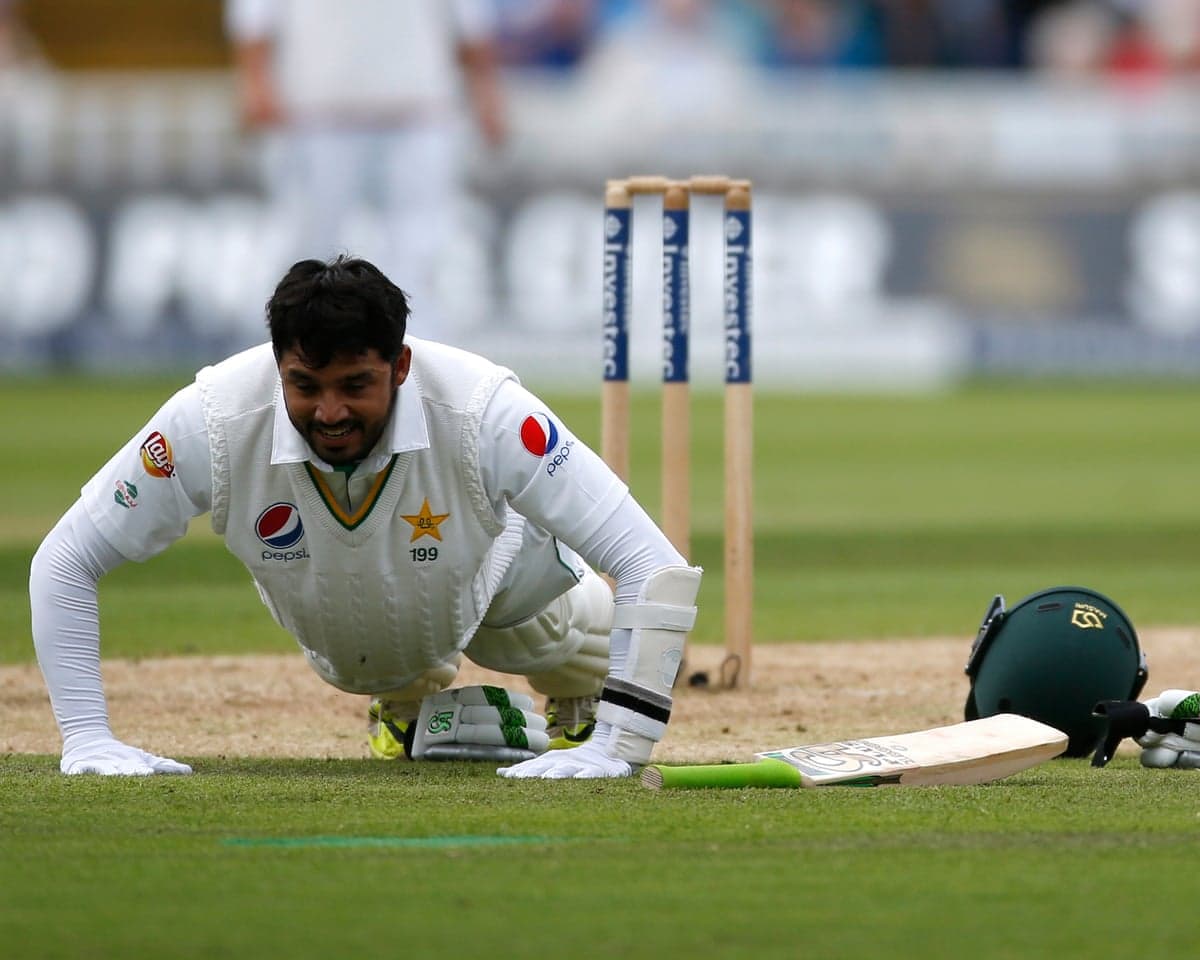
As a cornerstone of the Pakistan team that ascended from the depths of international cricket to the summit of the Test rankings six years later—all while competing overseas due to security constraints—Azhar Ali has navigated profound crises before. Yet the current state of the national side fills him with dismay, particularly following a tour of England that has unraveled catastrophically over the past week.
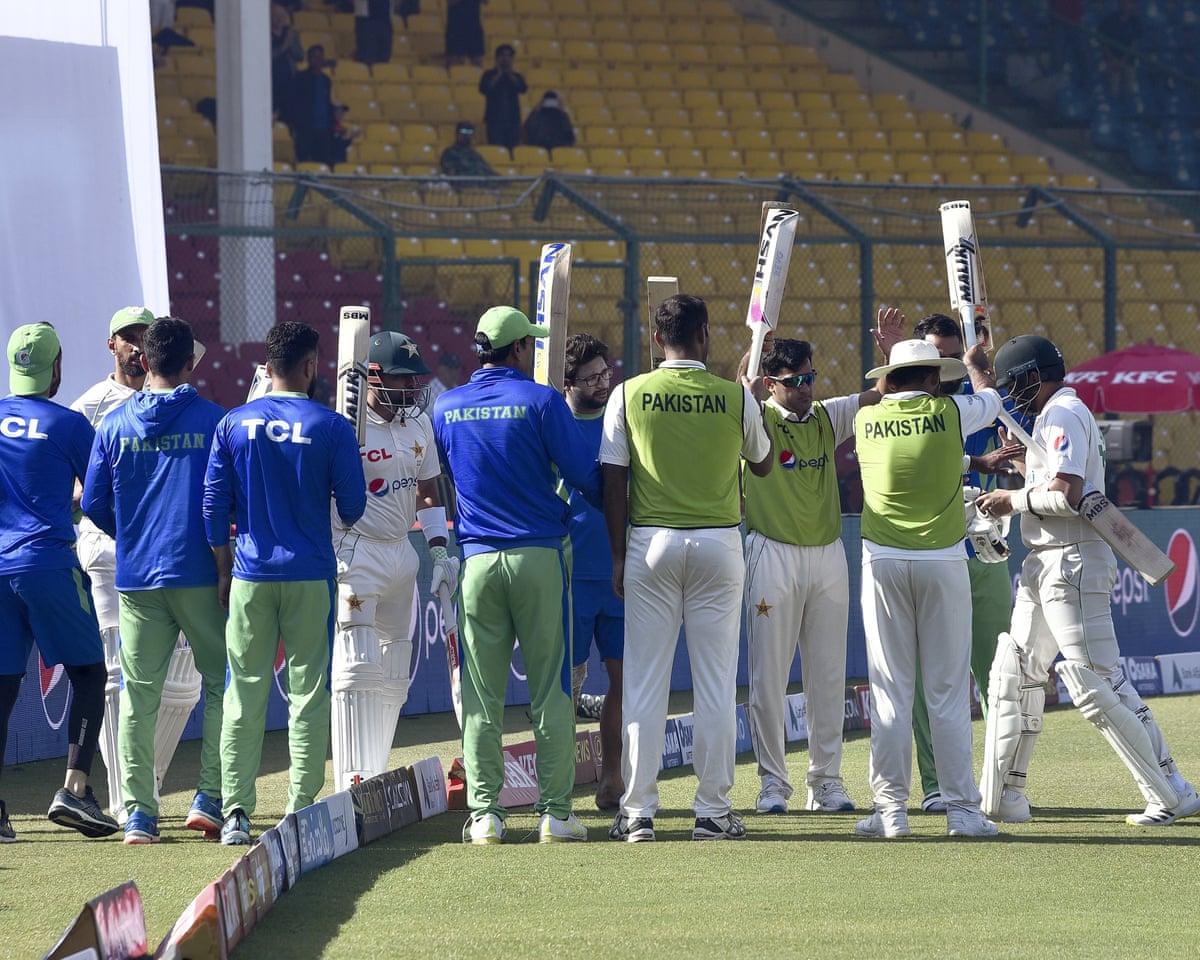
The situation deteriorated sharply when seven players, including experienced wicketkeeper Mohammad Rizwan, were sent home from the touring party on Monday, and head coach Sarfaraz Ahmed was removed from his position. The severity of the circumstances is underscored by reactions from prominent former players: Shahid Afridi denounced it as
"the most shocking decision ever,"while the typically measured Misbah-ul-Haq resigned as a selector in protest.
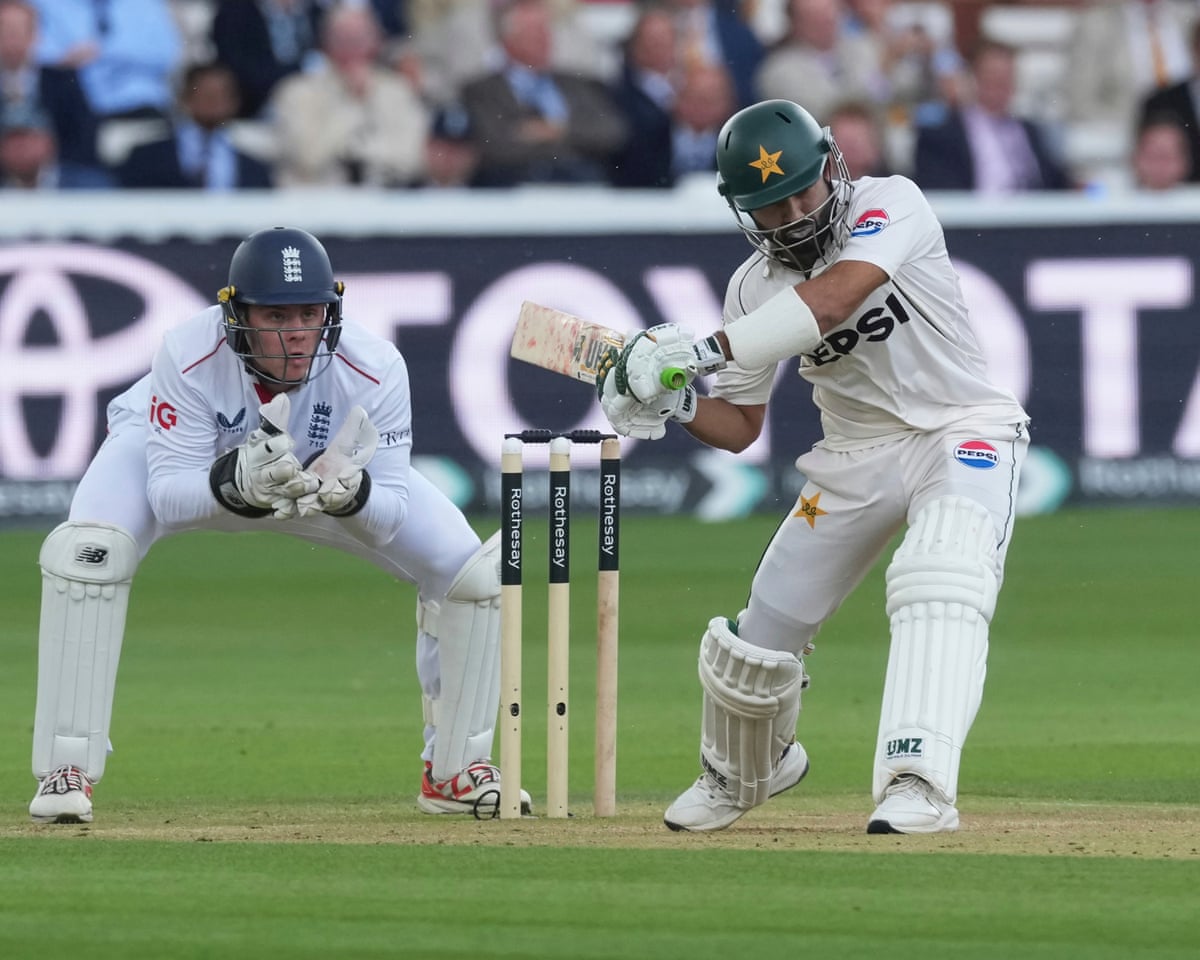
Azhar, a 97-Test veteran who scored 19 Test centuries including a triple hundred and enjoyed successful stints at Somerset and Worcestershire, articulates the deeper malaise afflicting Pakistani cricket.
"People used to say you could expect anything from Pakistan – that any team could turn up on any given day and either be 46 all out or win from nowhere,"he reflects.
"We've become totally consistent – in the most negative way."
The troubles extend far beyond the mass dismissals of players and coaching staff. Pakistan currently sits at the bottom of the World Test Championship for the second consecutive cycle and has lost 15 of their last 20 matches. This deterioration occurs against a backdrop of relentless institutional instability: a succession of coaches, selectors, and captains have cycled through in rapid succession, while the domestic structure undergoes radical overhauls annually.
Ten years after their famous Oval victory, Pakistan arrived in England significantly weakened. The current tour has exposed fundamental weaknesses in the team's resilience and preparation.
What does the future hold for captain Babar Azam?
Azhar expresses sympathy for Babar Azam, who continues as captain despite the turmoil surrounding him.
"You can tell from their body language things are not good,"Azhar observes.
"I would be very surprised if the final Test is a contest."Once regarded as a potential fifth member of cricket's elite quartet—alongside Steve Smith, Joe Root, Virat Kohli, and Kane Williamson—Babar has endured nearly four years without a Test century. At Lord's, he was dismissed in awkward fashion by a Jofra Archer delivery.
Azhar believes the captaincy burden may prove unbearable for the 27-year-old.
"It is probably the worst time to captain Pakistan right now,"he says.
"He has to consider his options too, I believe. Every player goes through periods of low scores but as a nation we just kept expecting him to deliver and criticism followed. It has played on his mind and he has doubted himself, while lacking any internal support."
The former captain draws a comparison with his predecessors, suggesting that Babar lacks the psychological fortitude of earlier leaders.
"I don't think he is as mentally strong as Misbah or, say, Younis Khan. Misbah was not as talented as Babar but he was far tougher. Younis faced criticism. Everyone is different though. We have to realise that and create an environment where he can flourish, not be pulled back."
Who bears responsibility for Pakistan's institutional failures?
Azhar directs particular criticism toward Aaqib Javed, the high performance director since 2024 and the architect of the decision to dismantle the touring party while trailing 2-0. Rather than accepting accountability for the team's collapse, Javed has distanced himself from the leadership structure on tour, instead attributing blame to Sarfaraz and Babar.
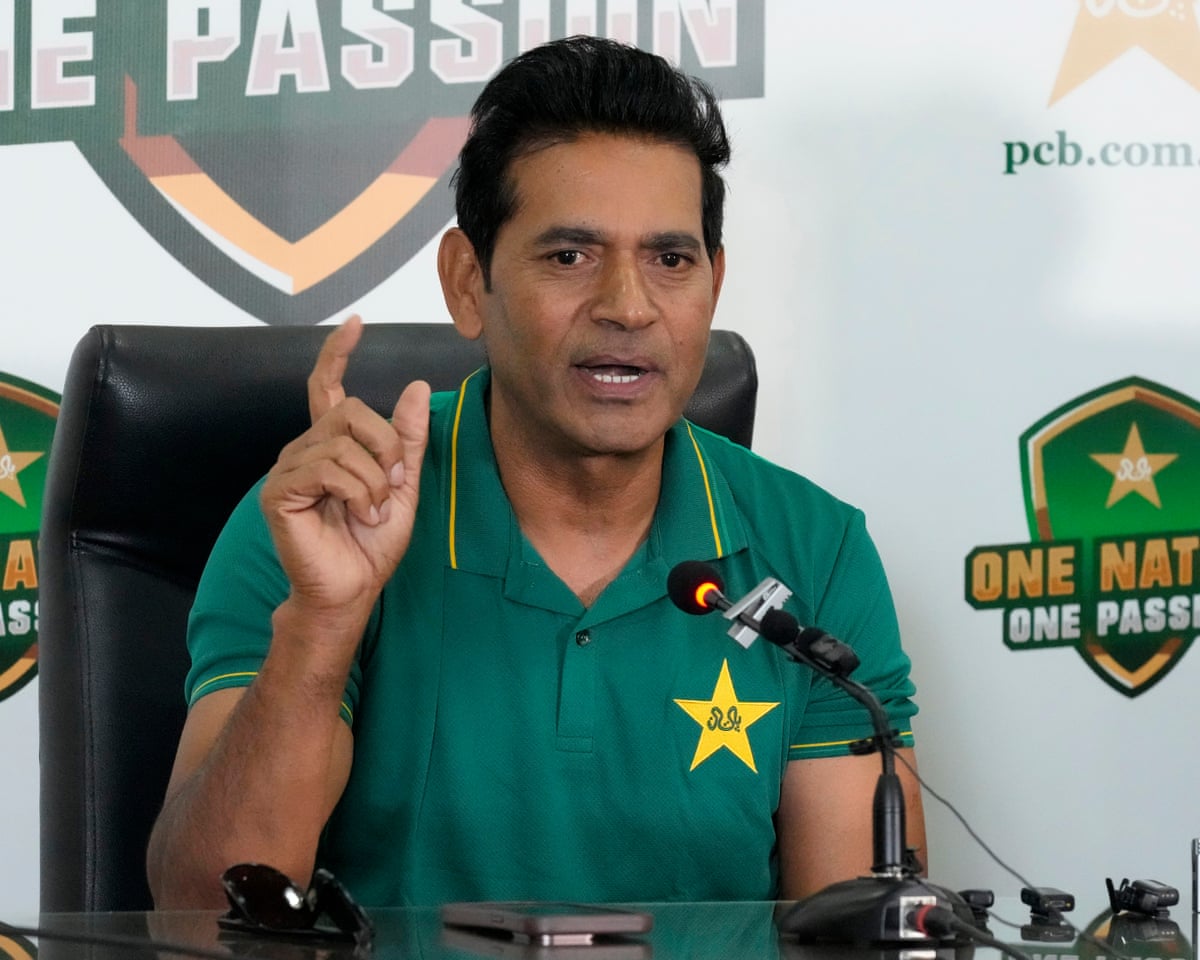
"We have had bad decisions like these for three years now,"Azhar states.
"He should take responsibility for performances. His judgment should be questioned. I listened to his interview this week and he was trying to put the blame on Sarfaraz and Babar. He appointed them just a few months earlier! That was enough for me to judge someone. Every decision he makes backfires and he then says: 'It's not me.' Look at yourself first. And if you cannot control this team, if you cannot make a difference to Pakistan cricket, then step away."

Azhar's own experience within Pakistan's administrative apparatus informs his critique. He served as head of youth development for 12 months before stepping down the previous year, finding his position untenable once Sarfaraz entered the setup and key decisions regarding the under-19 programme began occurring without his consultation.
What structural changes does Pakistan cricket require?
Beyond immediate personnel issues, Azhar's primary appeal to the Pakistan Cricket Board—despite its heavy politicization—centers on establishing a stable domestic framework, investing substantially in pathway coaching, and increasing compensation for elite players to sharpen their commitment. Fast bowling, a traditional Pakistani strength, demands particular reinvestment.
"We have to ask why the fast bowlers are not coming through,"he emphasizes.
"They were not content with just spin at home, they wanted to grow as a cricketing nation and produced a group of fast bowlers who have just. You can't just hope it happens, which is what the attitude feels like in Pakistan these days."
The challenge of developing sustained fast bowling excellence intersects with broader economic pressures.
"How do you develop bowlers who will bend their back all day with 25 overs bowling 140kph? There is also the challenge of T20 leagues. Players are not fools. They can see the money you can earn in a month and will ask themselves why they should dedicate themselves year-round to Test cricket."
According to recent analysis, Test cricket itself faces an existential crisis as matches shrink and the sport transforms at unprecedented speed, with franchise leagues reshaping player priorities globally.
"So you have to create an environment that encourages and inspires the players, where they believe they can get better and not simply do just enough. You have to find that special something inside them, and pay them highly. All nations can find white-ball bowlers. Red-ball fast bowlers are the real gold dust."
"We need a settled structure and one where people are hired and backed for three-to-four years. Right now the under-19s, for example, are leaderless. But that role is arguably more important than the head coach of the senior side."
Can Pakistan recover within a realistic timeframe?
Azhar acknowledges the severity of Pakistan's current predicament while maintaining cautious optimism about long-term recovery.
"We know where this Test team is currently and have to accept that. But major work done by competent people in the pathway – that is how we come back. It's not about quick fixes. We cannot change in the space of a year. That's impossible. But four to five? I believe the talent is there to make it happen."
The pathway to restoration demands sustained institutional commitment rather than reactive measures. Investment in youth development, consistent leadership, and financial incentives for red-ball cricket form the foundation upon which Pakistan must rebuild. Without such structural reform, the cycle of crisis and instability will perpetuate.
Given Pakistan's historical capacity to overcome adversity and the stakes for Test cricket's global health, the cricket world watches to see whether the nation can implement the systematic change its cricket desperately requires.