England's white-ball tour of Australia begins on Friday in Perth, but the focus of Australian cricket remains firmly fixed on Usman Khawaja's recently published autobiography and its explosive allegations about the 2018 ball-tampering scandal. According to The Guardian, the touring side has been largely overshadowed by the controversy engulfing the host nation's cricket establishment.
The contrast with England's previous visit to Perth could hardly be starker. Twelve months ago, the team arrived with considerable fanfare and the aggressive "Bazball" philosophy under Brendon McCullum, only to suffer a crushing defeat at the hands of Travis Head's brilliant batting. This time, the mood is markedly different. The three one-day internationals and five Twenty20 matches that comprise the tour have generated minimal excitement, and the broader strategic philosophy that once dominated discussion has largely faded from view.
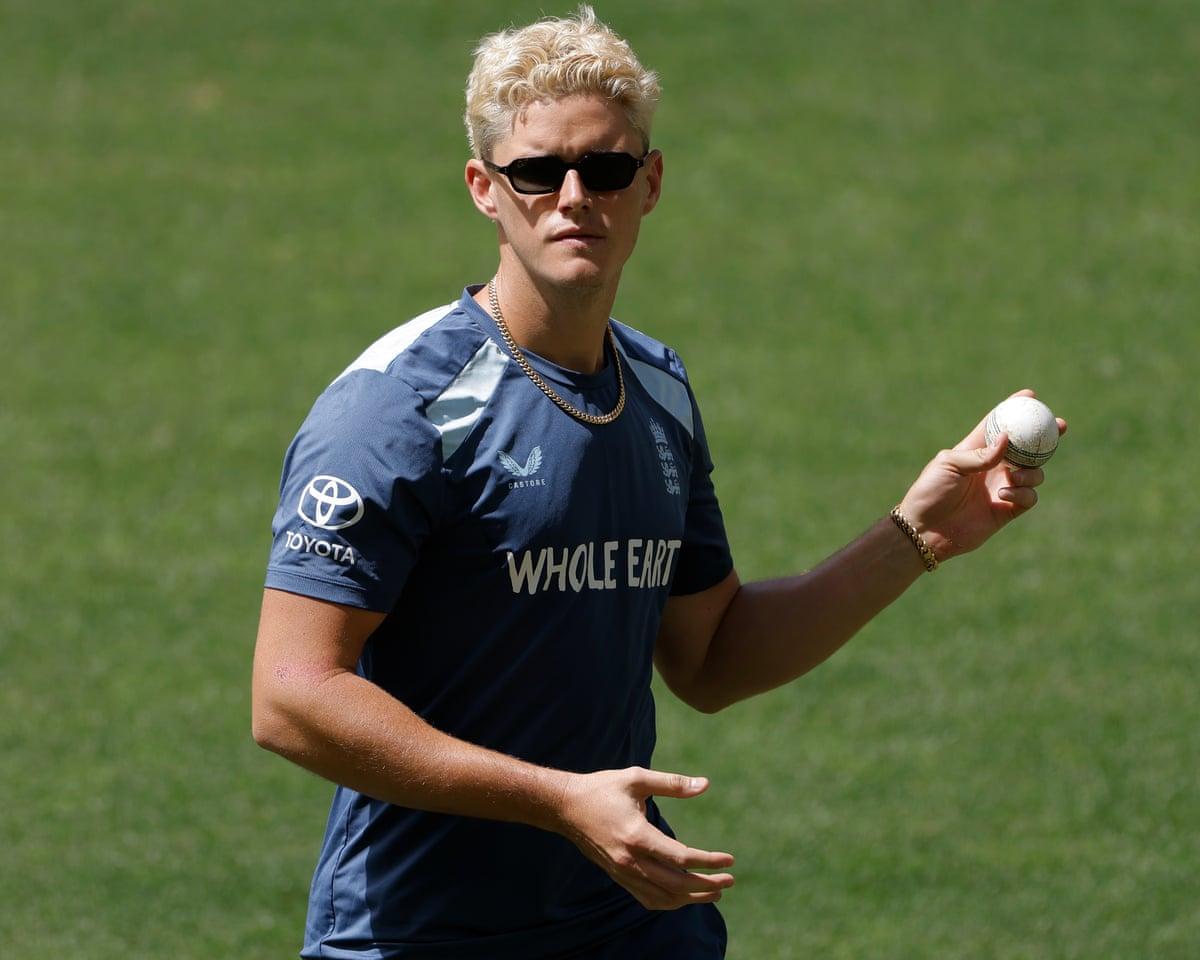
England's preparation for the tour has been substantially more thorough than before the previous Ashes series. The team completed a competitive warm-up match at the Western Australian Cricket Association ground, where England defeated Western Australia by 92 runs on November 7, scoring 251 before dismissing the hosts for 159. The backroom staff is also considerably more robust, with Kevin Pietersen among a number of coaches now supporting the squad, including specialists recruited from the Indian Premier League franchise Kolkata Knight Riders.
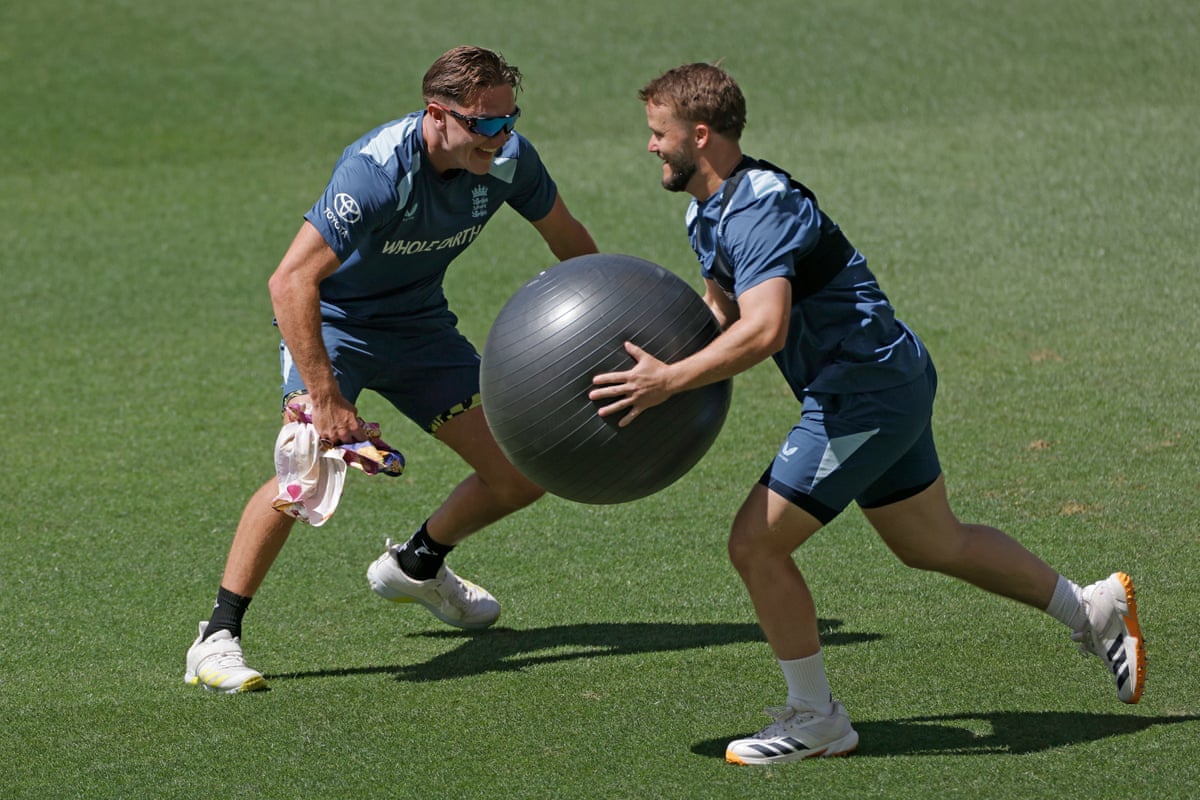
However, England's preparations have been disrupted by injury. Jacob Bethell was ruled out of the white-ball tour after a setback to his right knee, with James Coles and Eddie Jack named as replacements.
Why has the sandpaper scandal resurfaced now?
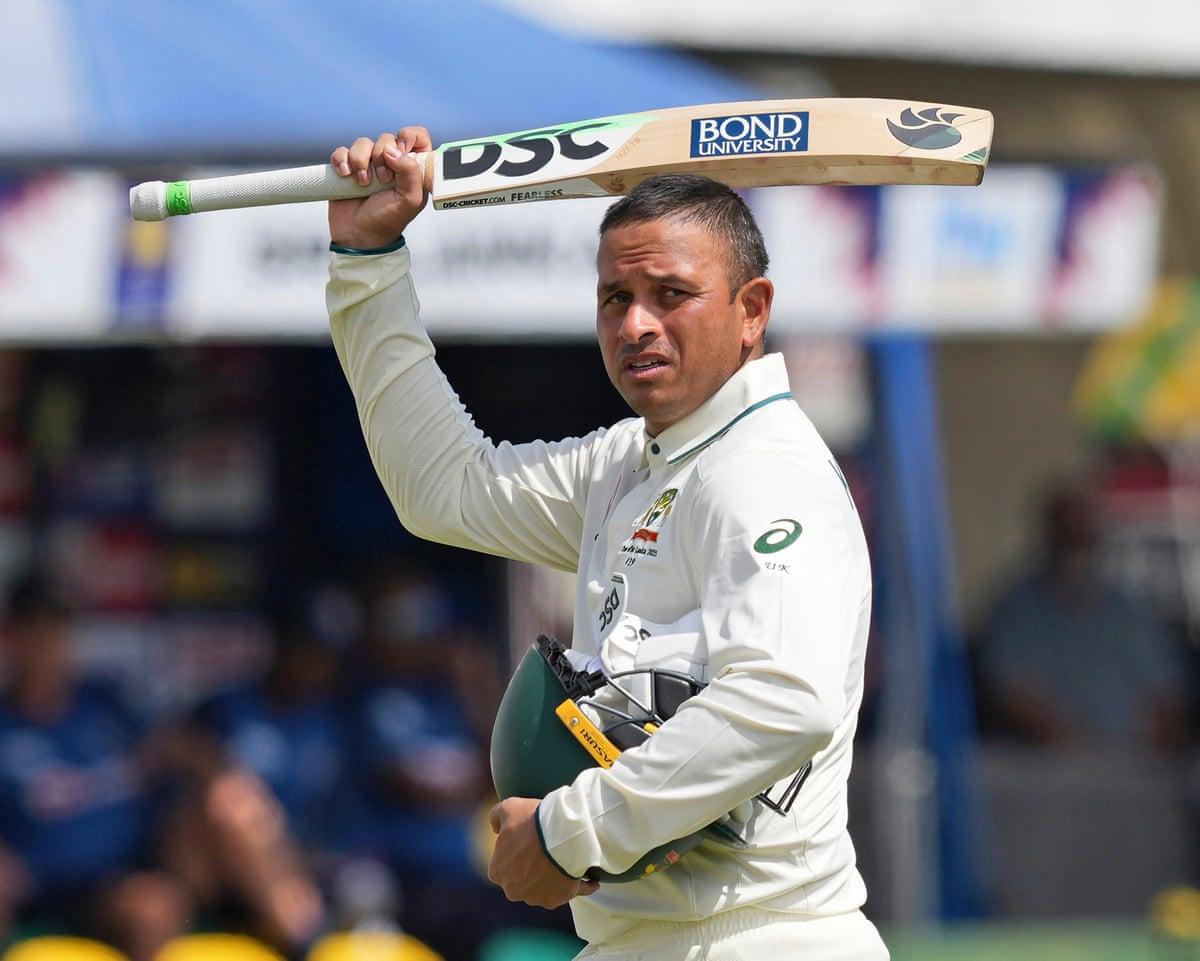
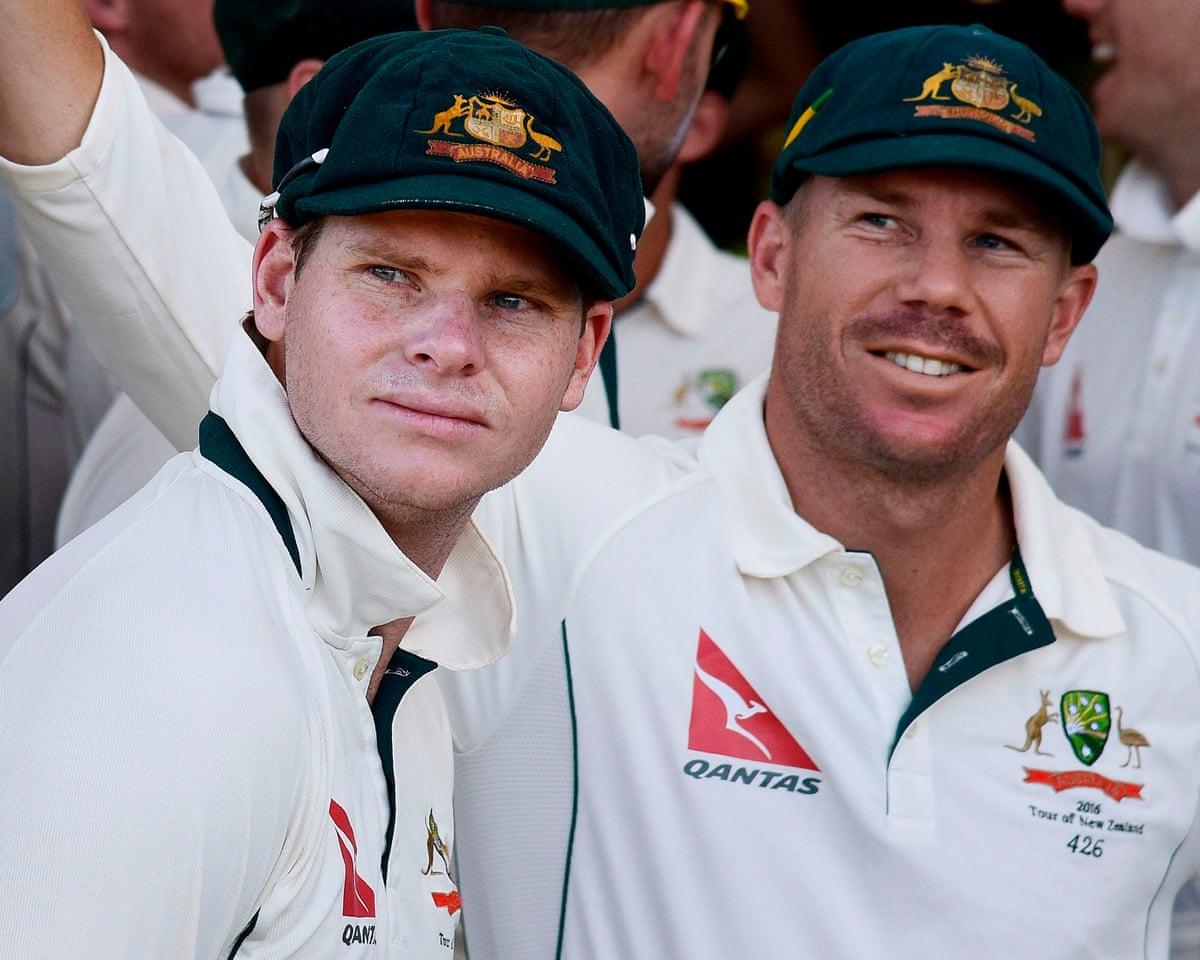
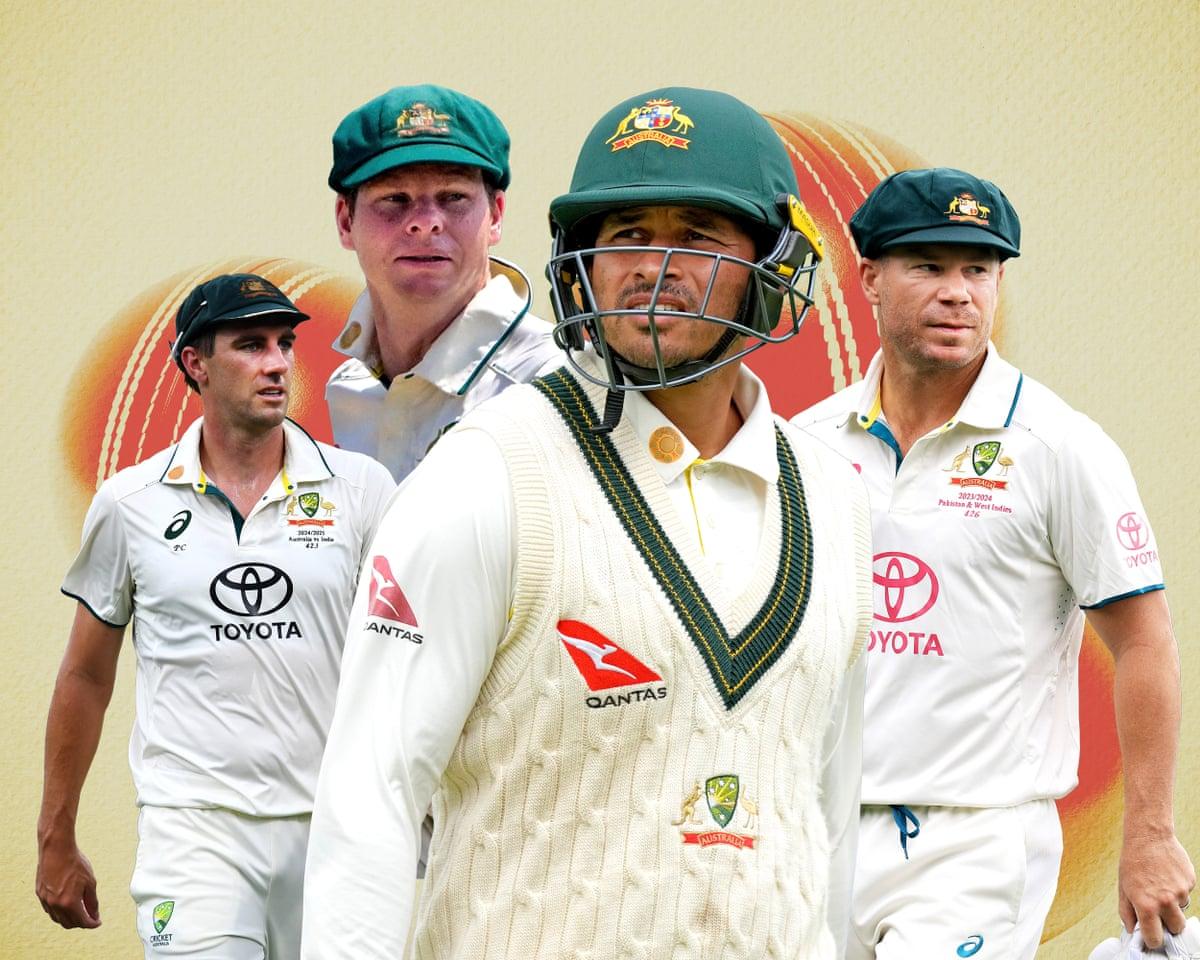
Khawaja's autobiography, titled Sabr, has reignited debate about the ball-tampering incident that occurred during Australia's 2018 tour of South Africa. The book contains 22 pages devoted to the scandal, which resulted in lengthy bans for David Warner, Steve Smith and Cameron Bancroft. According to reporting from the Sydney Morning Herald, Khawaja wrote that he knew about the sandpaper plan and considered himself complicit, while saying he had not personally scratched or otherwise tampered with the ball.
The revelations extend beyond the infamous third Test in Cape Town. Khawaja also alleged that the tactic had been employed in the preceding Test at Gqeberha, and that a coach instructed Cameron Bancroft, "Whatever you're doing, we need more of it." These fresh details have filled gaps in the original narrative while simultaneously exposing inconsistencies in the official account.
The Australian cricket establishment has already signalled its reluctance to revisit the matter. Cricket Australia has ruled out reopening an investigation that was widely regarded as rushed when it concluded eight years ago and has since been confirmed as fundamentally flawed. Yet the appetite for truth appears unlikely to diminish, particularly among those who received what many consider disproportionately severe punishments.
How is England navigating the controversy?
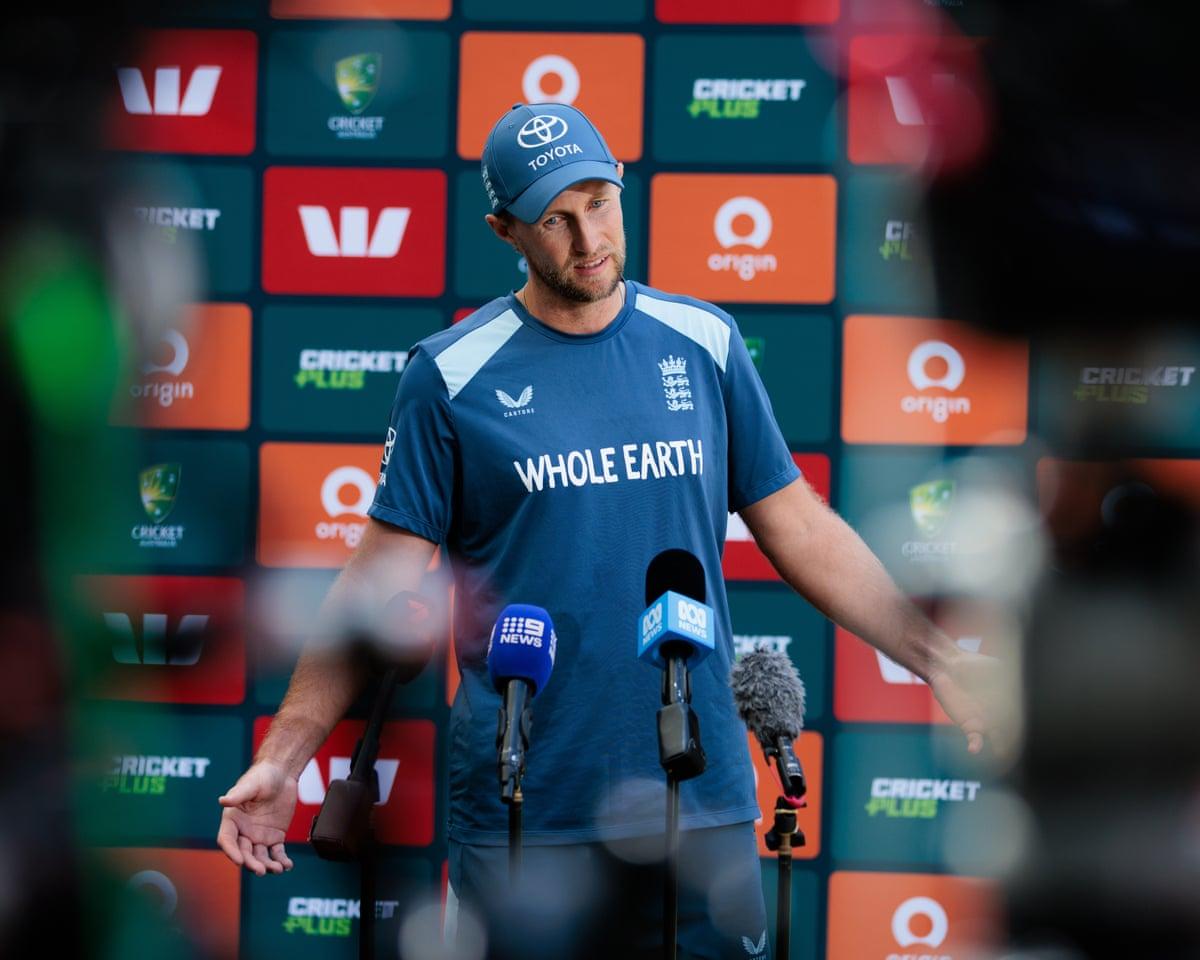
England's approach has been notably cautious. Joe Root, who captained the 2017-18 Ashes tour that Khawaja has now alleged featured ball-tampering, was selected for media duties ahead of the tour. Root is preparing to play his 200th one-day international this week, but he has declined to engage substantively with the sandpaper allegations. When asked directly about the 2017-18 series, he responded with characteristic restraint:
I don't want to speculate.He then pivoted to discussing the cricket ahead.
When pressed on the common assertion in Australian cricket circles—repeated by Khawaja among others—that every team engaged in similar conduct before Australia's Cape Town comeuppance, Root offered a measured response:
I can only speak from my own experiences. That's not how I feel.His refusal to wade into the controversy reflects a pragmatic recognition that England has little to gain from becoming entangled in Australia's internal crisis.
England's primary objective remains straightforward: to develop the white-ball skills of a largely inexperienced squad ahead of next year's World Cup and to restore winning momentum after recent setbacks. The tour provides an opportunity to build depth in limited-overs cricket without the distraction of Test cricket's complexities.
What challenges lie ahead for Australian cricket?
Khawaja's revelations have created a difficult situation for Australian cricket leadership. The batsman has faced considerable backlash following the book's publication, with some criticism being harsh and others arguably misplaced, including suggestions that the autobiography is merely a commercial venture. Yet his account has demonstrably added substance to the historical record and raised questions that the original investigation failed to address adequately.
The absence of key fast bowlers from this series—Mitchell Starc, Josh Hazlewood and Test captain Pat Cummins are being rested—has fuelled speculation about whether the timing is coincidental or strategic. Cricket Australia has attributed the absences to the congested fixture schedule rather than any attempt to shield players from scrutiny. Starc has already spoken publicly this week, though his position that the bowlers were not involved in decision-making appears increasingly difficult to sustain given Khawaja's allegations.
Whether Cummins will address the controversy remains uncertain. Khawaja has alleged that the sandpaper tactic was employed earlier in the 2018 tour than previously acknowledged, potentially implicating the fast bowling group more directly. The Test captain's response, if he chooses to make one, could significantly shape the trajectory of the scandal.
Khawaja himself has demonstrated how treacherous this terrain can be. During an appearance on the ABC's 7.30 programme on Tuesday evening, he faced persistent questioning about his allegations. His decision to name individuals in a broadcast interview, despite avoiding such specificity in the published text, has added another layer of complexity to an already fraught situation.
What happens next?
The first one-day international is scheduled for November 13 at Perth Stadium, with the second match in Adelaide on November 15 and the third in Hobart on November 18. The five-match Twenty20 series begins at the Melbourne Cricket Ground on November 21 and concludes in Canberra on December 2. These fixtures will provide England with valuable preparation for the World Cup while Australia attempts to manage the ongoing fallout from Khawaja's book.
How long the sandpaper scandal will dominate Australian cricket headlines remains unclear. What is certain is that the appetite for clarity and accountability shows no signs of diminishing, regardless of the cricket establishment's preference to move forward.