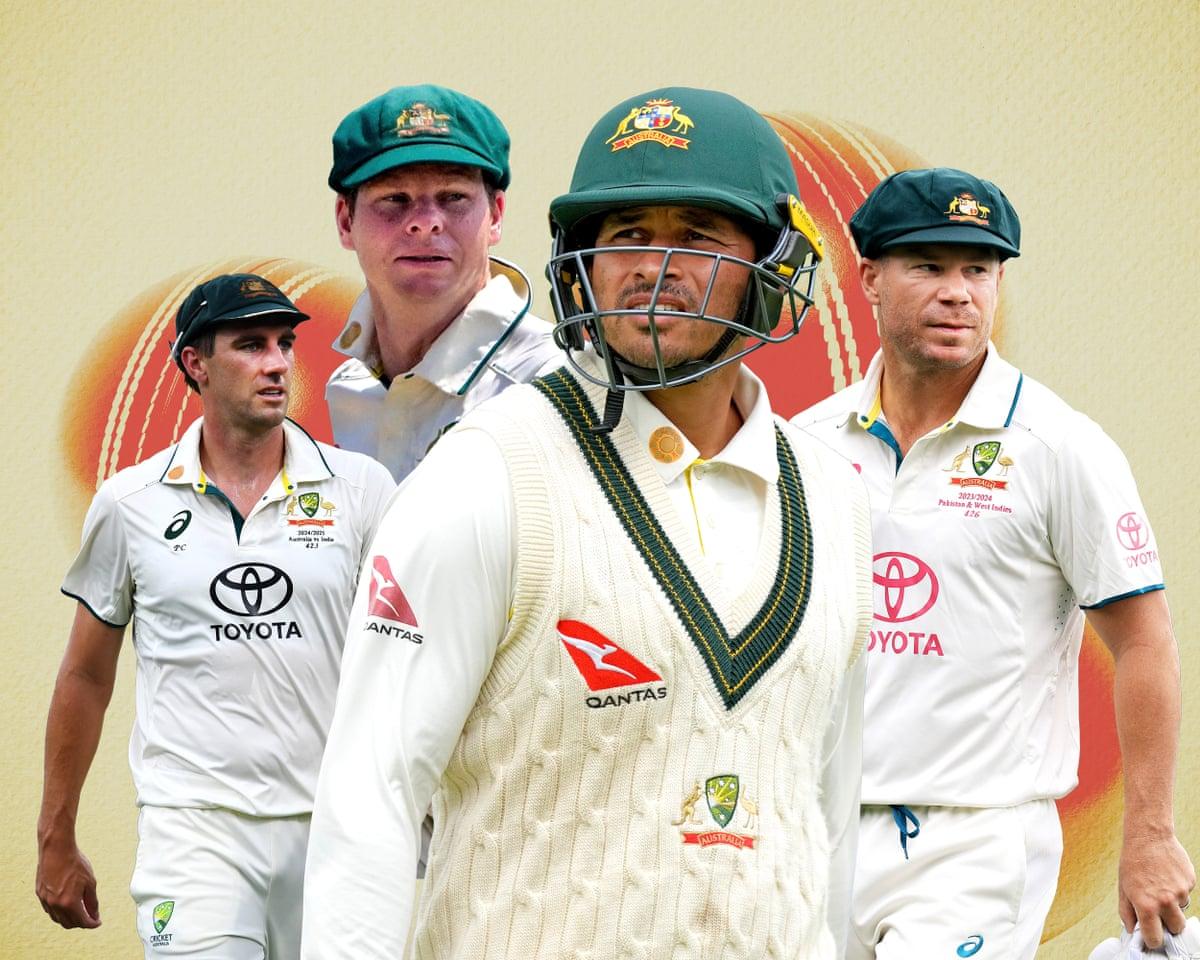
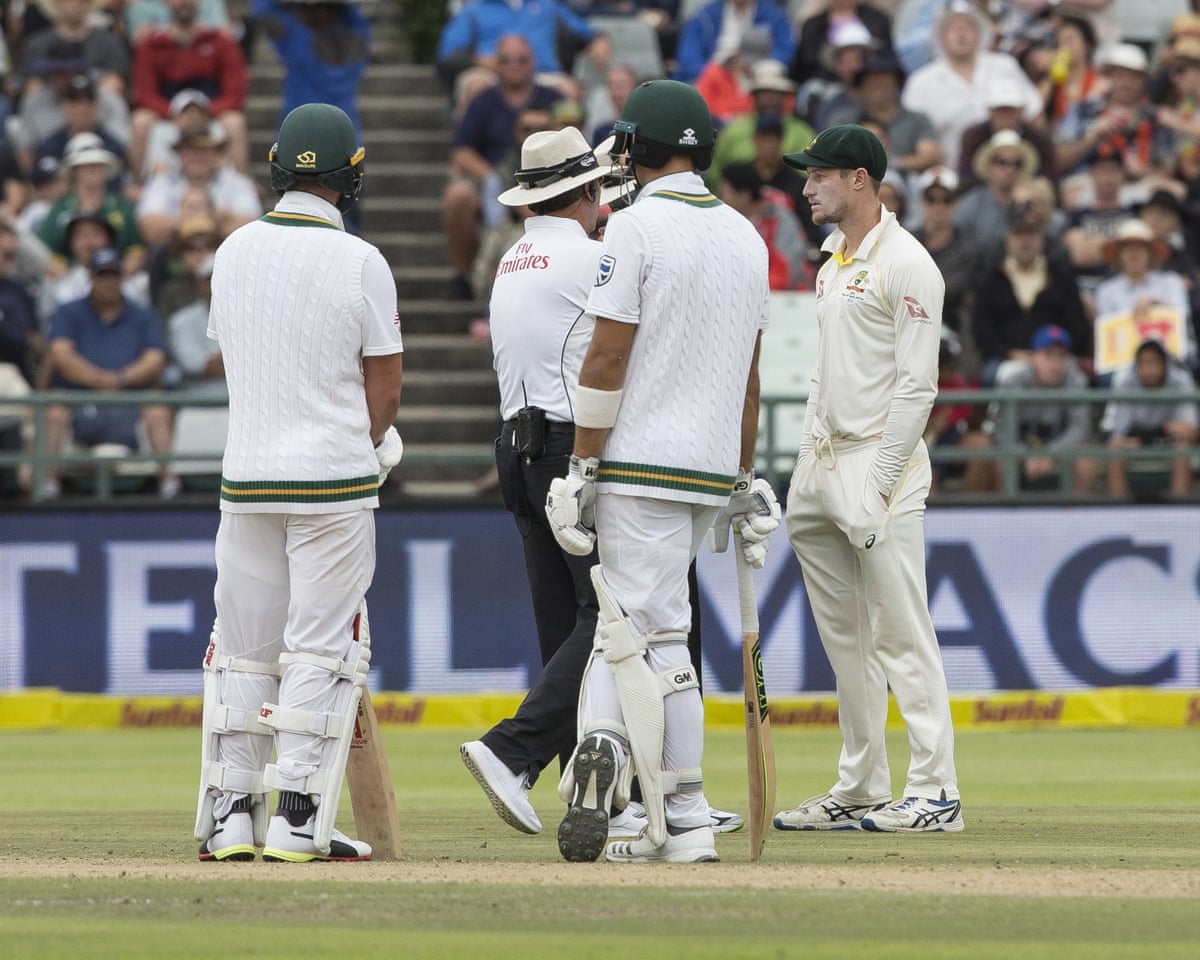
Australian cricket believed it had moved past its defining scandal, consigning it to history after Cameron Bancroft was caught on the big screen in Cape Town inserting sandpaper into his trousers. Yet nearly a decade later, the release of Usman Khawaja's memoir threatens to unravel the carefully constructed narrative that only three players bore responsibility for the transgression. According to The Guardian, Khawaja's book has reignited fundamental questions about who knew what, challenging the integrity of the original investigation and dividing the sport's tight-knit community into opposing factions.
Cricket Australia responded decisively in the aftermath of the Cape Town Test, suspending Bancroft, captain Steve Smith and vice-captain David Warner. However, Khawaja has since criticised the investigation as inadequate, while Warner publicly backed Khawaja's account as "100% accurate" and described the original investigation as "rushed and botched." The controversy threatens to damage reputations of Australian cricket's most respected figures while reopening issues that remain unresolved almost a decade after the humiliation of Cape Town.
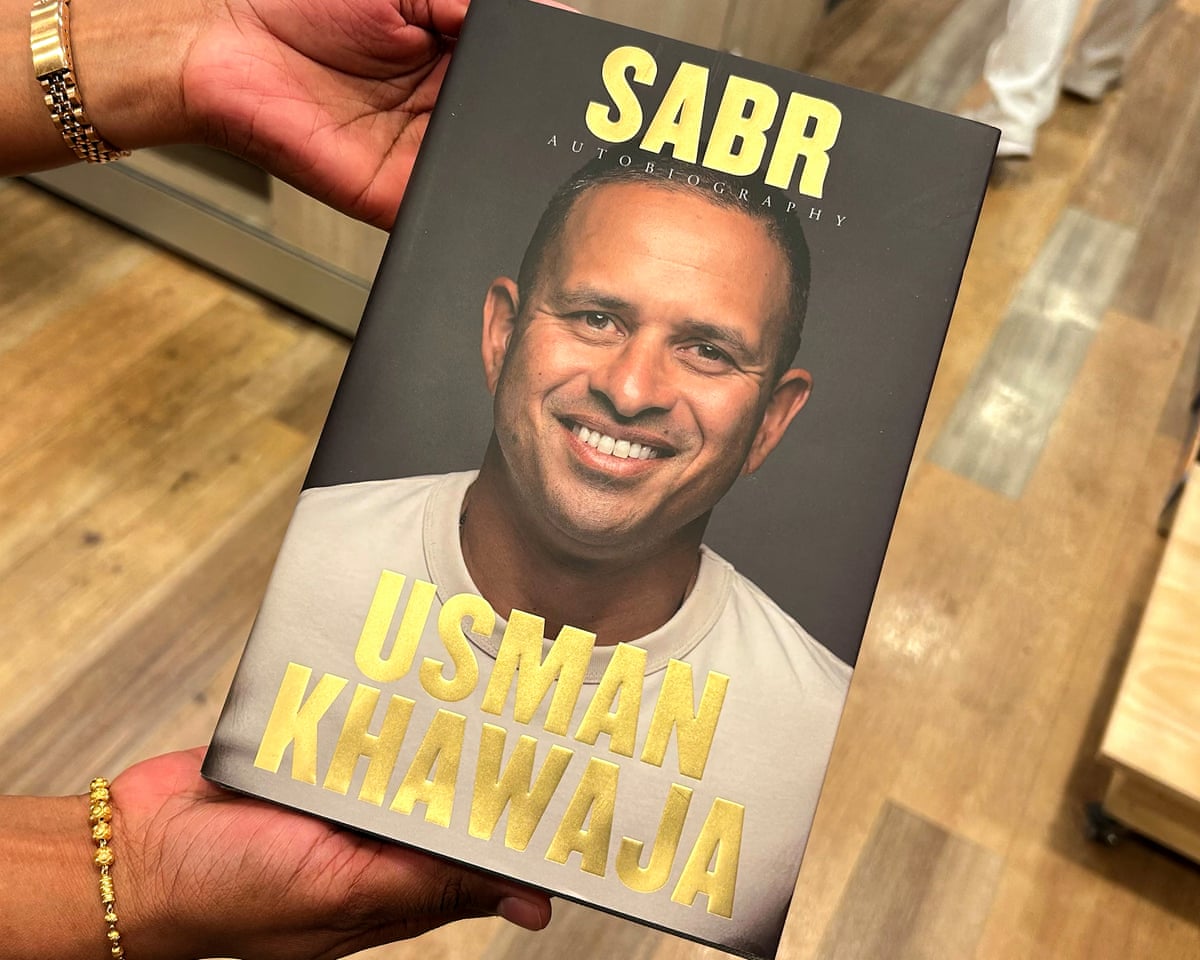
The release of Khawaja's memoir, Sabr, on Tuesday, 10 November 2026, has intensified scrutiny of the scandal. Khawaja wrote that he knew what was happening and was not opposed to it, describing himself as "complicit," while saying he did not personally scratch the ball. His account suggests that knowledge of the sandpaper scheme extended far beyond the three players who were penalised.
How widespread was knowledge of the tampering?
Ball-tampering was an open secret in international cricket, an escalating competition that tested the boundaries of what umpires and officials would tolerate rather than what the rules explicitly permitted. South Africa's Faf du Plessis had already faced two separate punishments before the 2018 series, including an incident two years earlier in Hobart when Australian cameras captured him applying saliva to the ball using a mint. Whether sandpaper—which both dried and roughed the ball's surface—was fundamentally worse than other substances, such as the zipper for which Du Plessis was fined in 2014, became almost irrelevant.
In his book, Khawaja alleged that awareness of the sandpaper extended beyond Bancroft, Smith and Warner to include a coach who approached Bancroft and Khawaja in Cape Town. Darren Lehmann, the then-head coach, told ABC last weekend he was unaware of such a conversation occurring. Khawaja's account did not identify which other players possessed knowledge of the scheme, but he described a moment during the preceding Test when, after one player experimented with sandpaper on a ball in the dressing room,
what we saw was unbelievableand
everyone had a look at the ball and was laughing their heads off.
Khawaja also included a quote from an unnamed bowler later in that match following a dismissal:
Guys, it's going heaps now. Just don't do anything else to it, because it's silly how much it's going.These accounts suggest that multiple members of the squad were aware of the ball's altered condition and its effects on play.
What did the investigation conclude?
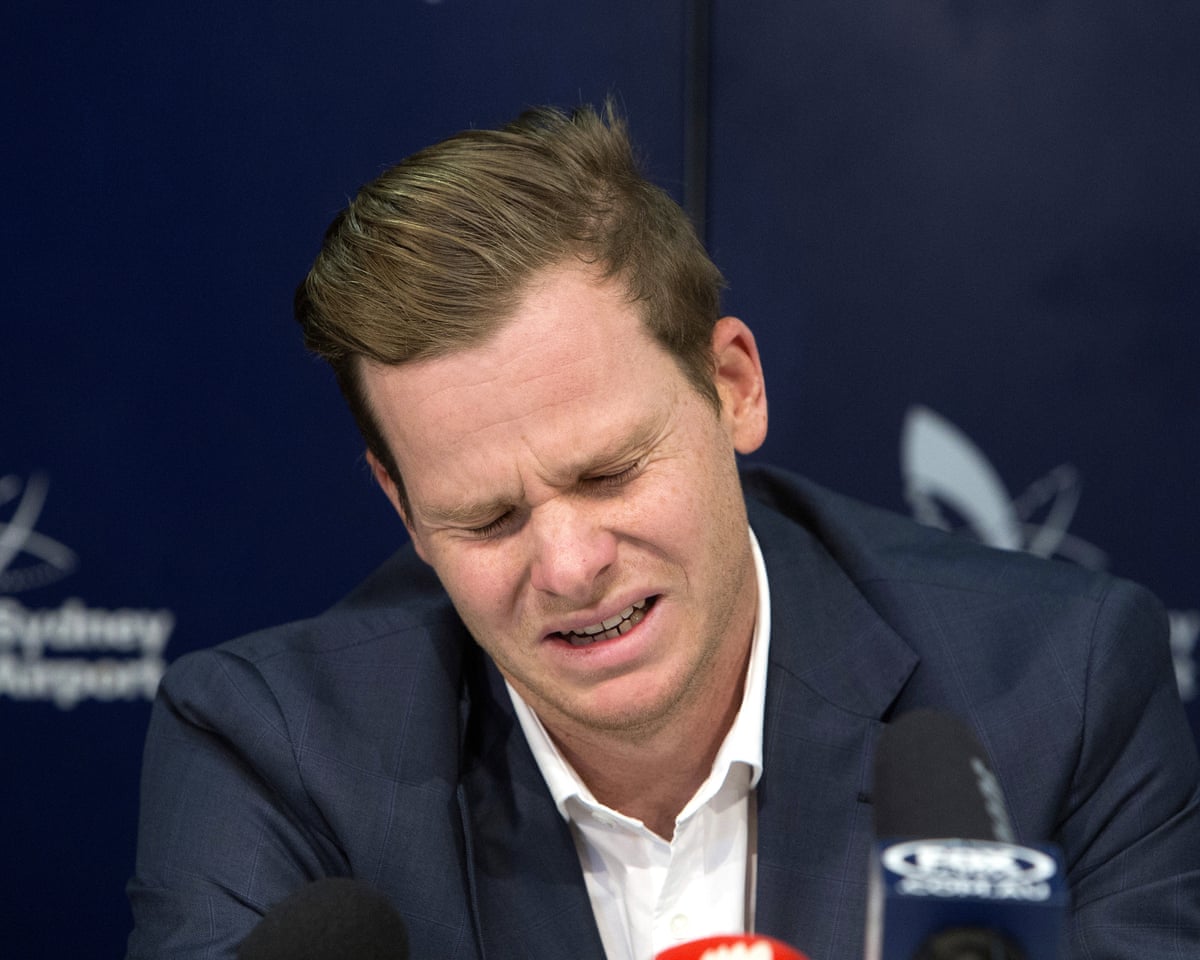
Cricket Australia's original inquiry determined that only Bancroft, Smith and Warner knew of the ball-tampering plan. The three received substantial penalties: Smith and Warner were banned for a year, while Bancroft received a nine-month suspension. The International Cricket Council conducted its own process, fining Smith and banning him for one match, while Bancroft received a fine.
Khawaja was scathing about the investigation in his book, claiming he was not interviewed because he wanted to advocate for the three players who had accepted blame, but investigators
wanted to hear what they wanted to hear. Cricket Australia chief executive Todd Greenberg said on Tuesday that players were
urged to come forwardat the time,
and they had the opportunity to do so over these past eight years, and that remains the case.
Khawaja described the sanctions as
so disproportionate to the crime. In comparative context, England's Mike Atherton retained the captaincy and avoided suspension in 1994 after being caught using dirt in his pocket to manipulate the ball during a Test against South Africa at Lord's. Pakistan's Shahid Afridi received a two-match T20 ban in 2010 for biting the ball. Du Plessis avoided suspension for his two ball-tampering charges. Against this backdrop, Cricket Australia's penalties were extraordinary.
Has the investigation been reopened?
Cricket Australia chief executive Todd Greenberg ruled out reopening the 2018 investigation, saying there was no compelling reason to revisit it and that players' accounts conflict. Greenberg believes there will always be differing accounts of those dark days in Cape Town, but the organisation has determined that no fresh inquiry is warranted.
Khawaja has denied that he negotiated with publisher Penguin to include the scandal in his memoir or raised it to boost book sales. His focus, according to statements made in recent days, has been on setting the record straight about what he witnessed and his own role in the events of 2018.
What did the bowlers say?
Following Bancroft's 2021 interview with The Guardian, Australia's four Cape Town bowlers still representing the country—Pat Cummins, Josh Hazlewood, Mitchell Starc and Nathan Lyon—jointly issued a statement denying knowledge of the plot. They wrote:
We did not know a foreign substance was taken onto the field to alter the condition of the ball until we saw the images on the big screen at Newlands.
The bowlers addressed suggestions that they must have known simply because of their position in the team:
And to those who, despite the absence of evidence, insist that 'we must have known' about the use of a foreign substance simply because we are bowlers, we say this: the umpires during that Test match, Nigel Llong and Richard Illingworth, both very respected and experienced umpires, inspected the ball after the images surfaced on the TV coverage and did not change it because there was no sign of damage.
The statement continued:
None of this excuses what happened on the field that day at Newlands. It was wrong and it should never have happened. We've all learned valuable lessons and we'd like to think the public can see a change for the better in terms of the way we play, the way we behave and respect the game. Our commitment to improving as people and players will continue. We respectfully request an end to the rumour-mongering and innuendo. It has gone on too long and it is time to move on.
Khawaja's claims provide additional context for this 2021 statement, suggesting that the bowlers' insistence on their ignorance may require reassessment given his account of dressing-room conversations and observations.
What happens next for Australian cricket?
Current captain Pat Cummins and his fellow bowlers will face inevitable questions during the upcoming four-Test series against New Zealand. Smith, who remains one of Australia's premier batters, and Mitch Marsh, who was in the Cape Town squad and is now Australia's ODI captain, will also be unable to avoid the subject. Marsh is expected to address media on Thursday in Perth ahead of the white-ball series against England.
Bancroft was approached by reporters at Melbourne airport on Monday and declined to elaborate.
In regards to Uzzy's book and I guess the media that's kind of come about there over the last few days, I don't have any further comments to add,he said, before adding:
At this stage.
Recent days have also intensified criticism of Khawaja from within the cricket community. The batter has always been outspoken, but his book has provoked strong reactions from many quarters. The controversy threatens to overshadow Australia's international commitments and keep the sport's greatest modern scandal in the headlines for months to come.
Did the sanctions achieve their purpose?
If Cricket Australia's severe penalties were designed to eliminate the practice, there is evidence they succeeded. Lehmann observed at the weekend:
You don't see much reverse swing anymore, do you? In fact, you don't see it. So I think the game's in a better place, but that doesn't hide the fact that we did something wrong and we paid the price for it.The dramatic reduction in reverse swing bowling since 2018 suggests that the scandal and its consequences fundamentally altered how teams approach ball maintenance.
Lehmann has denied knowledge of the sandpaper use and was not sanctioned by Cricket Australia, though he resigned as coach at the end of the series. His assessment indicates that the reputational and sporting damage inflicted on Australian cricket may have achieved the deterrent effect authorities sought, even as questions about the investigation's completeness remain unresolved.
What divides the Australian cricket community?
Cricket is fundamentally a team sport, bound by dressing-room traditions and loyalties that unite one side against others. Yet individual brilliance remains essential to success, creating inherent tension between collective responsibility and personal accountability. Khawaja recounted a conversation with then-team manager Gavin Dovey, now Cricket NT chief executive, after the Cape Town Test. According to Khawaja's account, Dovey said:
We need to cop this as a team. We did it as a team, so we cop it as a team.The book claims Dovey agreed Khawaja was
rightbut that
two guys in the team disagreed.
Khawaja wrote:
This was the most disappointing part for me. I knew who those two guys were, and it was ludicrous that, out of everyone, it was them. It showed me their true colours, though. When the going got tough, all they cared about was themselves.This account suggests that the scandal exposed fractures within the team between those willing to accept collective responsibility and those prioritising individual protection—divisions that persist eight years later.
Warner's public support for Khawaja's account contrasts sharply with the silence or resistance from other quarters. Warner stated that
what I did benefits bowlers and the awareness around that, probably, is self-explanatory, acknowledging the bowlers' role in benefiting from the altered ball. This statement, combined with Khawaja's revelations, has intensified pressure on current and former players to clarify their positions and acknowledge what they knew.