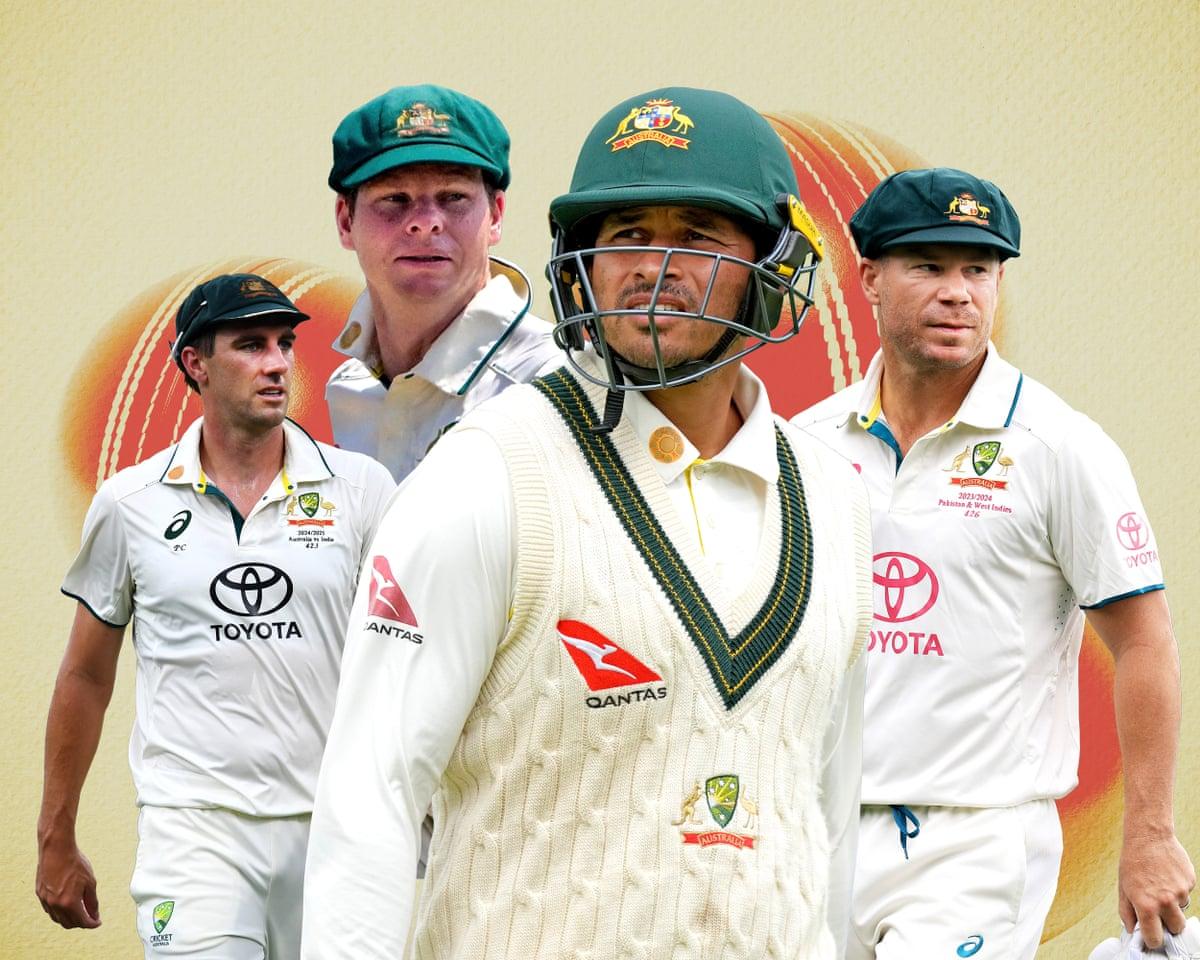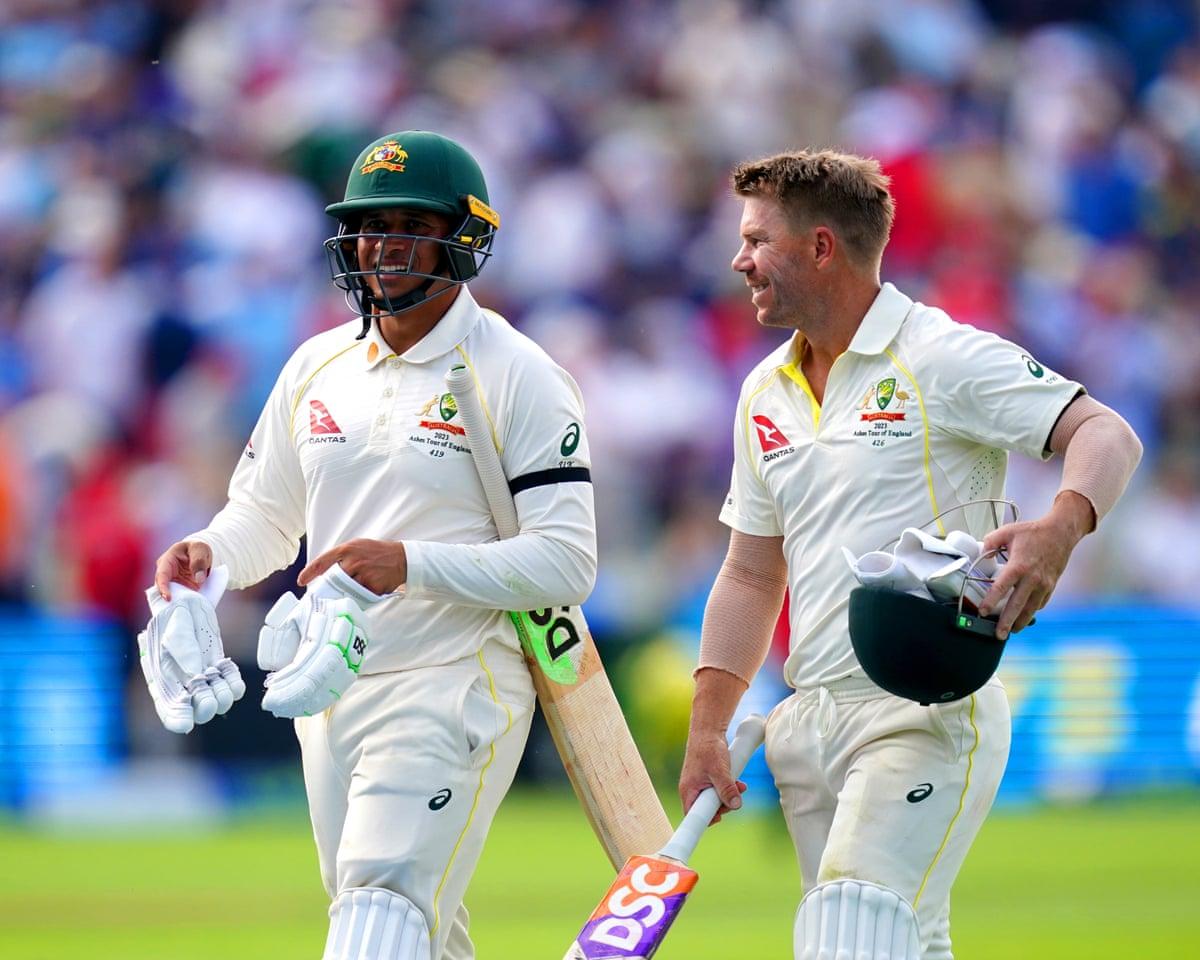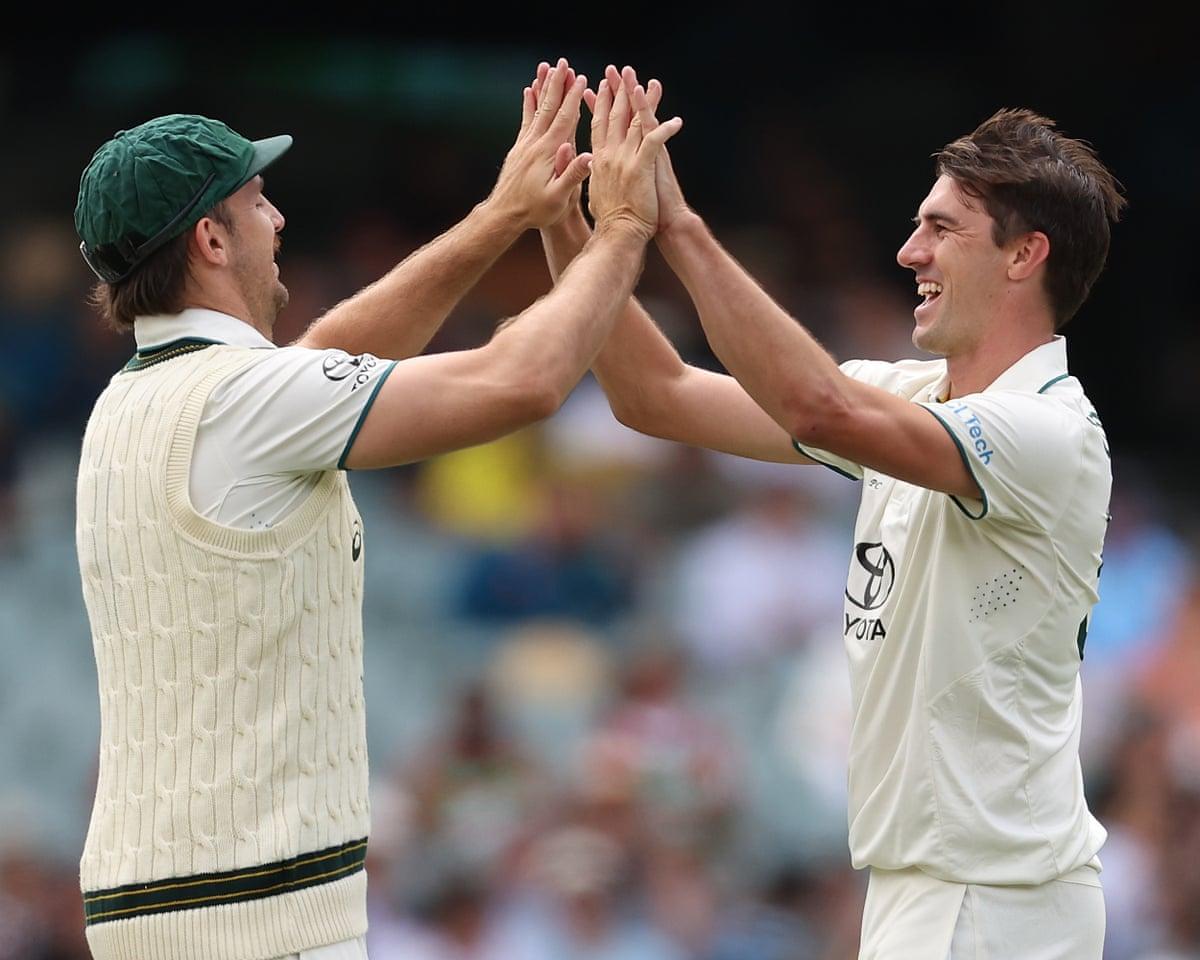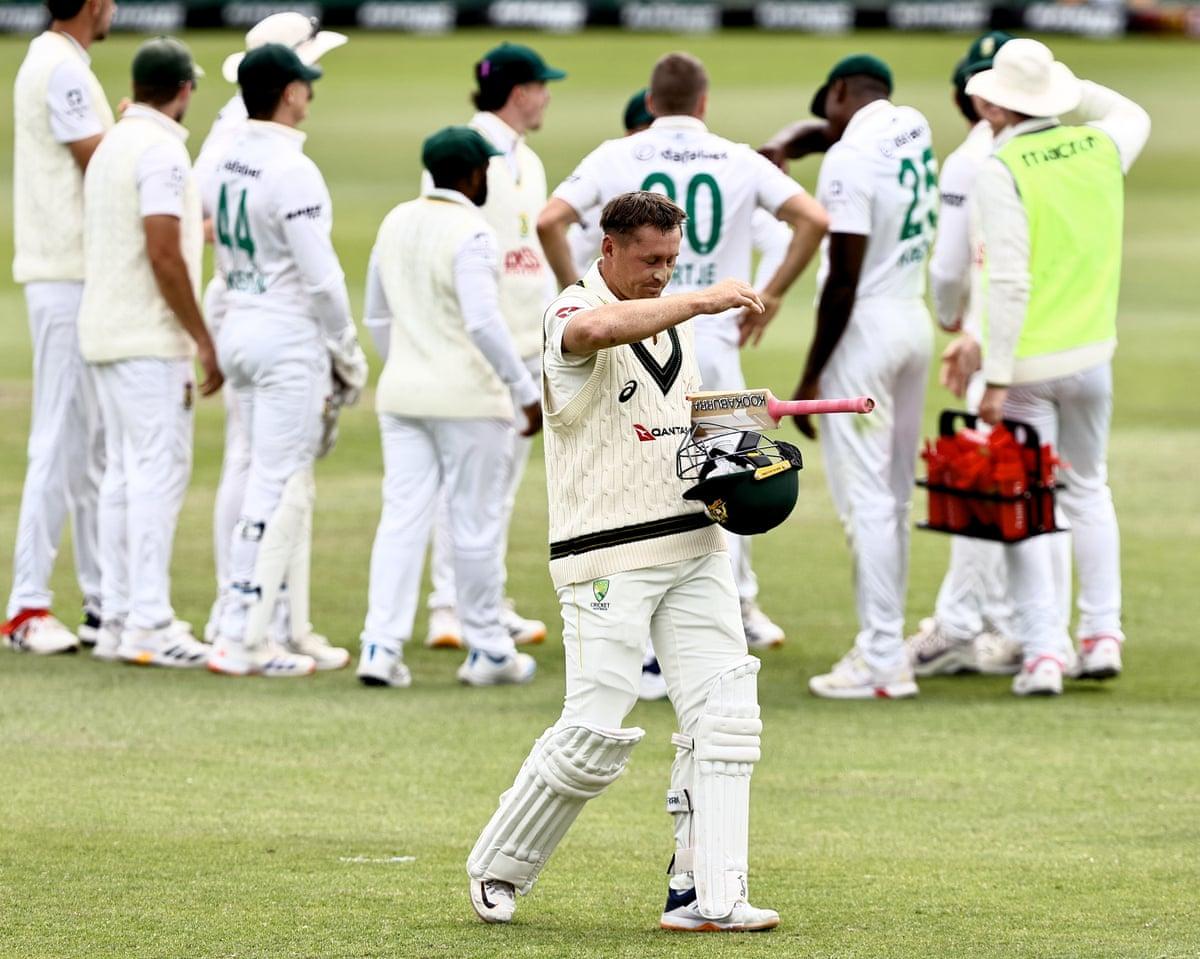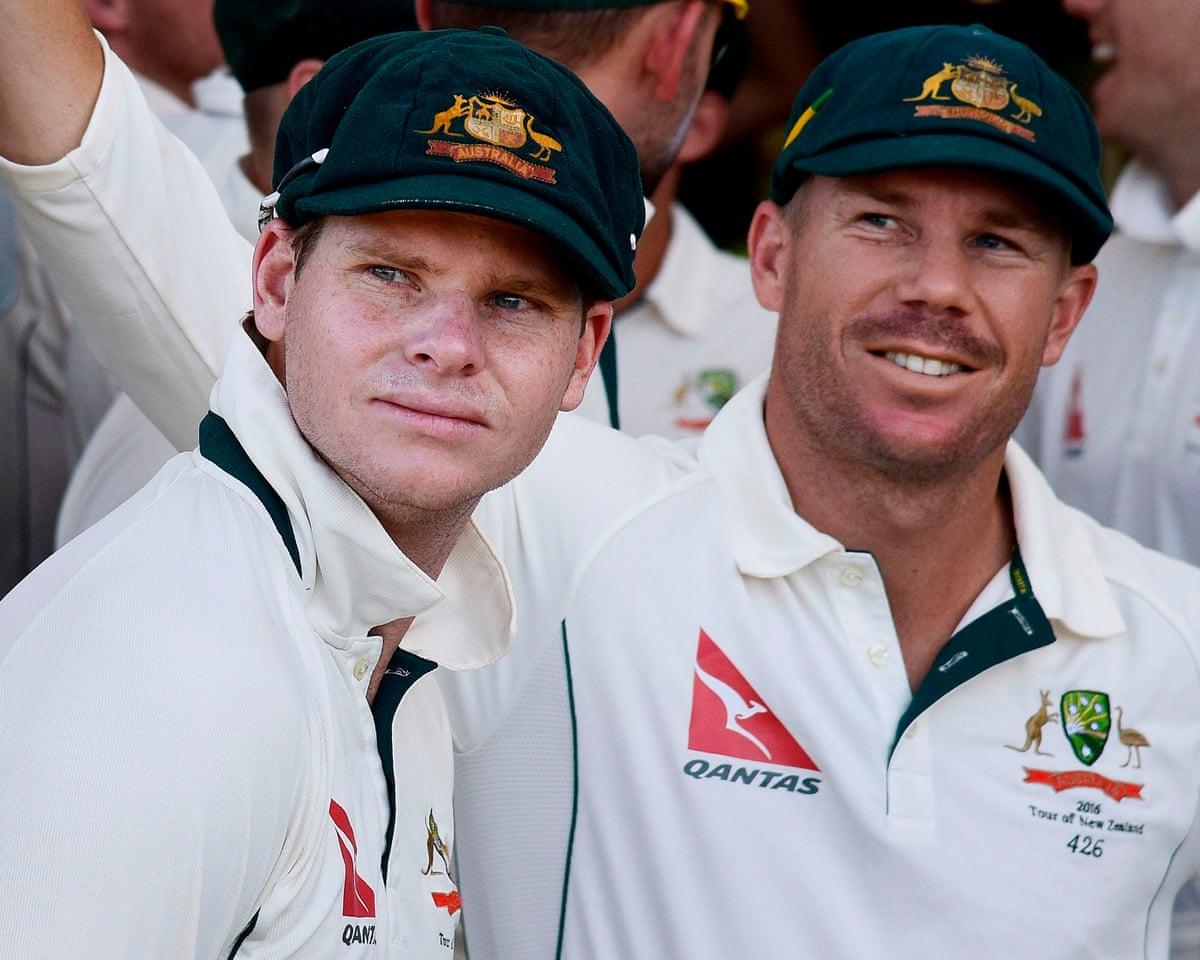
Eight years after the ball-tampering scandal that shook Australian cricket, the sport remains trapped in a cycle of evasion and half-truths. Recent revelations in Usman Khawaja's memoir have reignited questions about what truly happened in Cape Town, yet Cricket Australia's refusal to engage honestly with these claims suggests the controversy will persist far longer than necessary.
According to The Guardian, the organisation's leadership continues to insist the matter is closed, despite mounting pressure to revisit the investigation. This defensive posture, rather than resolving the issue, only ensures it will resurface with each new book, social media post or press conference, festering into something far larger than it needs to be.
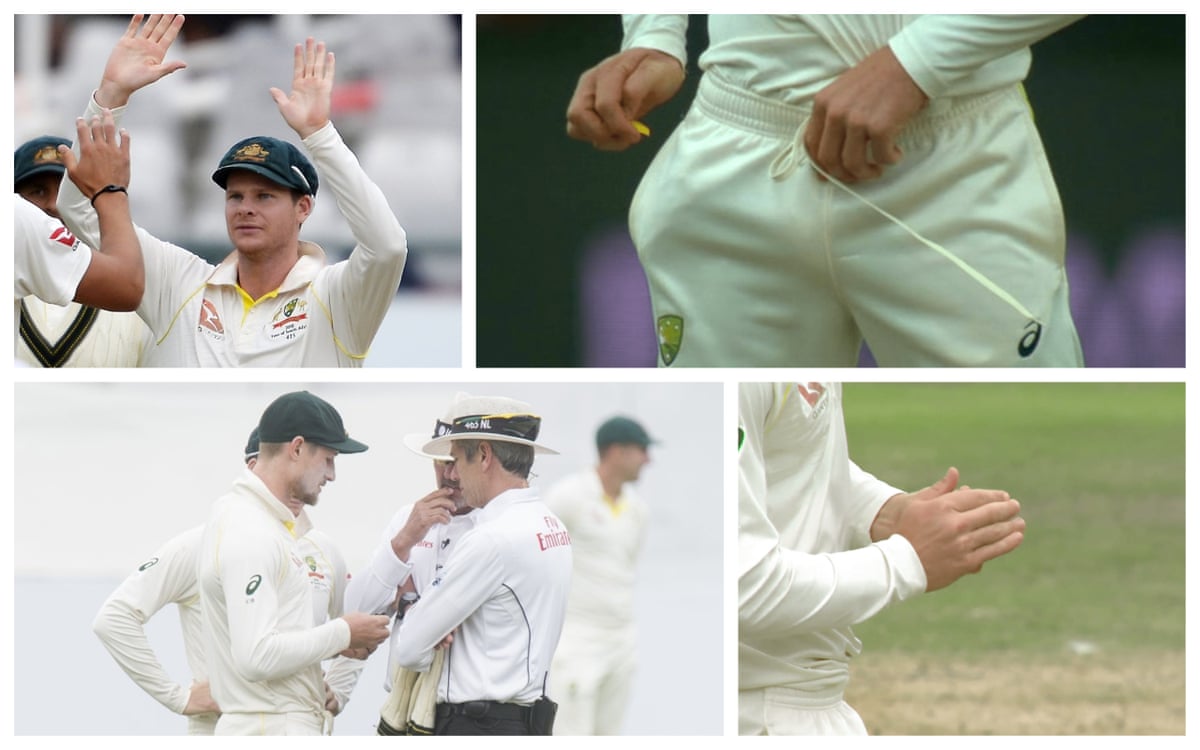
The 2018 scandal erupted when Cameron Bancroft was caught using sandpaper to alter the ball during a Test match in South Africa. What followed was a national reckoning that seemed to consume the country's attention more than banking collapses, political upheaval or institutional failures. Prime Minister Malcolm Turnbull condemned it as a "terrible disgrace" and called for the team to restore the nation's faith in fair play. The subsequent investigation and punishment dominated headlines for months.
Yet the initial response was deeply flawed. The press conference announcing the findings was, by any measure, a shambling affair marked by evasion and incomplete explanations. The investigation itself proved wholly unsatisfactory, leaving fundamental questions unanswered about who knew what and when. The imperative at the time, much like with other major sporting scandals, was for everyone to move on as quickly as possible—careers, reputations and relationships hung in the balance.
For years, this strategy appeared to work. The appointment of Pat Cummins as captain marked a turning point. Under his leadership, the team shed its reputation for aggression and poor conduct. The sledging stopped, the arguments ceased, and the manufactured drama that had characterised the previous era faded. The team became quieter, more professional, and paradoxically more successful. Critics who demanded the return of a "mongrel" spirit were silenced by results.
But the events in Cape Town never truly disappeared. They merely lay dormant, waiting for the right moment to resurface. That moment arrived with the publication of Khawaja's memoir, *Sabr*, which contains claims that the ball-tampering discussion and use extended beyond the famous Cape Town incident. According to The Nightly, Khawaja's account alleges that sandpaper was discussed and used during the preceding Test at Port Elizabeth, now Gqeberha, before the Cape Town scandal broke.
The book has forced the issue back into the spotlight at precisely the moment when Cricket Australia hoped to move past it. CEO Todd Greenberg responded by insisting that the matter was settled, that it was a different administration, a different team, and a different time. "There were a lot of learnings that came out of it," he said in an interview, deploying the kind of corporate jargon that obscures rather than clarifies.
Yet Reuters reported that Greenberg ruled out reopening the investigation, saying the board saw no compelling reason to revisit it, despite new claims from Khawaja and David Warner's support for his account. This decision has drawn criticism from unexpected quarters. Former Australia captain Michael Clarke called for the investigation to be reopened, saying fans "can't trust what's real." Peter Collins, who helped facilitate Cricket Australia's post-scandal player review, urged a fresh investigation into Khawaja's claims.
The refusal to engage with these allegations represents a missed opportunity. Khawaja's book provided the perfect moment for those directly involved and those who inherited this mess to be upfront about what happened. They could have explored the tissue-thin difference between intricate knowledge and collective responsibility. They could have explained that there existed a middle ground between claiming everyone was complicit and adopting the Sergeant Schultz defence of knowing nothing.
Unlike in 2018, such honesty would not destroy careers or spark a national nervous breakdown. The landscape has changed. The players involved have moved on, retired, or found redemption through performance. The public appetite for punishment has long since faded. What remains is simply a desire for truth—or at least an acknowledgment that the truth was never properly established.
The 2018 investigation concluded that only Cameron Bancroft, Steve Smith and David Warner knew of the ball-tampering plan. Yet Australia's bowlers issued a joint statement in 2021 claiming they did not know a foreign substance had been taken onto the field. These two accounts sit uneasily alongside each other, and Khawaja's memoir suggests the picture may be even more complicated than either version allows.
Why the Silence Backfires
The equivocation and constant urgings to "move on" have the opposite effect of what Cricket Australia intends. Rather than allowing the scandal to fade, the refusal to engage honestly with new evidence keeps it alive. Each deflection, each corporate platitude, each insistence that the matter is closed only invites further scrutiny and speculation. The story will not die because the organisation refuses to let it be properly examined and put to rest.
This pattern mirrors what happened in 2018. The initial evasiveness, the incomplete explanations, the sense that something was being hidden—these created a void that public imagination filled with increasingly dark interpretations. The scandal became larger in the retelling than it might have been had the facts been laid bare from the start.
What Happens Next
Australia's first ODI against England is scheduled for November 13, 2026, at Perth Stadium. The team will take the field under the shadow of unresolved questions, with media scrutiny likely to intensify rather than diminish. Unless Cricket Australia changes course and engages seriously with the claims in Khawaja's memoir, the ball-tampering scandal will continue to define the organisation's reputation far more than any on-field performance can repair.