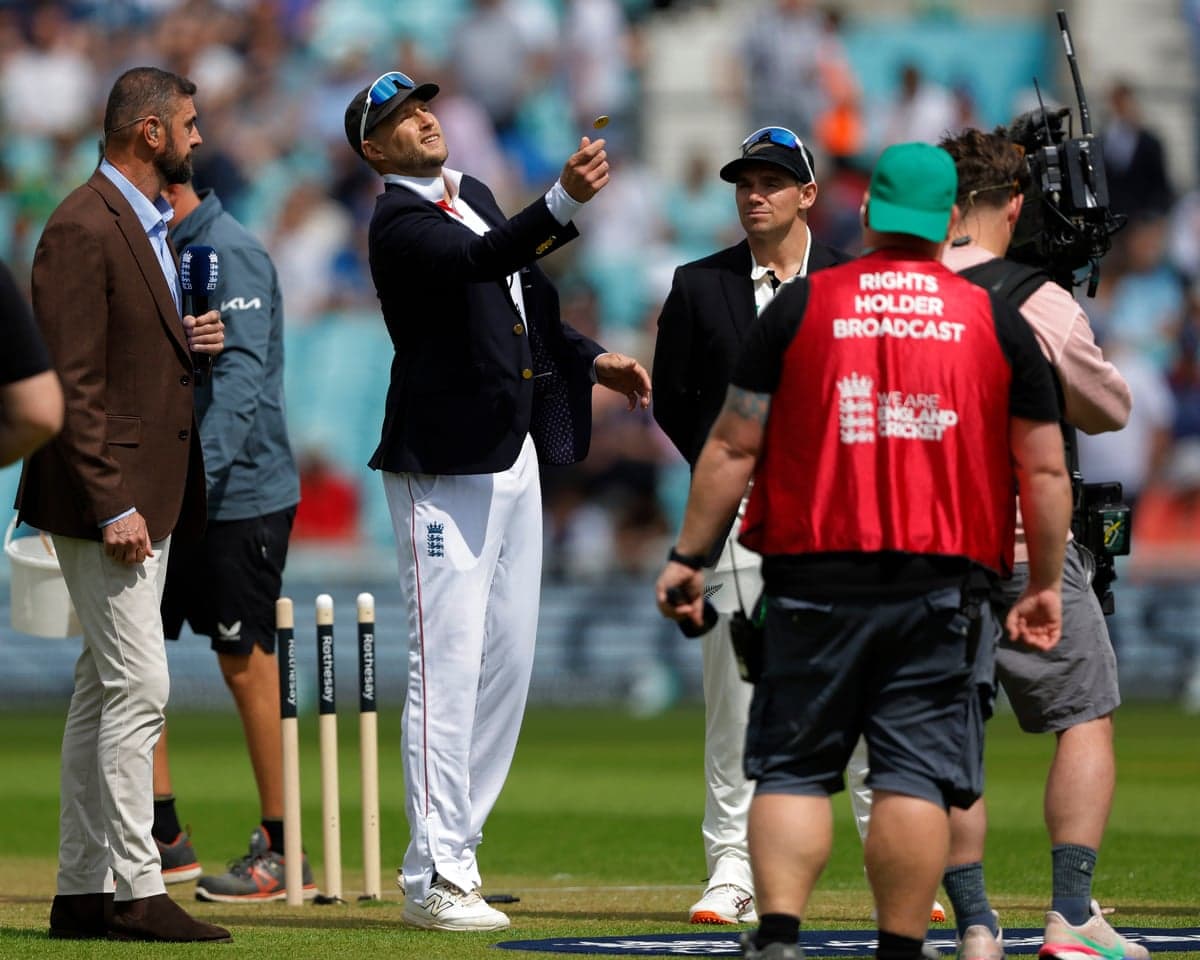
The England and Wales Cricket Board is pursuing a strategy to expand free-to-air cricket coverage in its next broadcasting cycle, which begins in 2029, with long-term partner Sky Sports potentially sharing some of its portfolio with ITV following the media company's acquisition by Comcast.
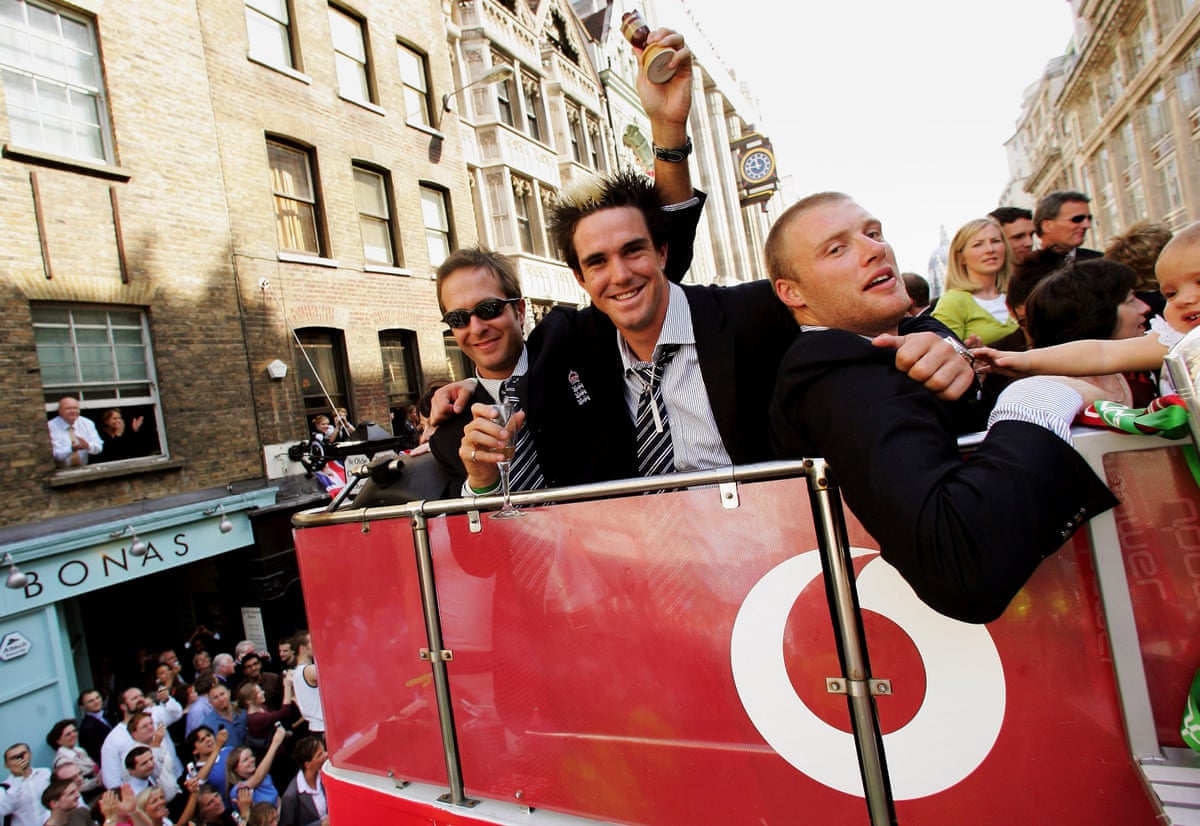
Test matches have remained behind a paywall for nearly two decades. No home Test cricket has appeared on free-to-air television since 's coverage of England's 2005 Ashes victory, marking a significant gap in public access to the format.
While the ECB will not replicate Cricket Australia's approach of offering a dedicated free-to-air Test package, the governing body has indicated that Sky could share certain rights with ITV during the 2029-2033 contract period. ITV has expressed openness to broadcasting a Test match for the first time since 1968, though formal negotiations have not yet begun pending completion of the Comcast takeover, expected next year.
The ECB is also facilitating multiple packages for the Hundred on a non-exclusive basis, with ITV among several broadcasters pursuing their own bids. Beyond the Hundred, the ECB will offer free-to-air packages covering a range of England's men's and women's white-ball matches.
How did Test cricket lose free-to-air status?
The transition of Test cricket to subscription television occurred gradually over decades. The BBC broadcast Test matches from 1938 until 1998, when it lost rights to . Sky Sports then outbid in 2006, moving all domestic Test cricket behind a paywall that has persisted for nearly 20 years.
secured a brief reprieve during the 2021 Covid-19 lockdown, purchasing rights to England's Test tour of India at short notice. However, this represented an exception rather than a shift in the broader landscape. Sky's exclusive domestic rights package, which began in 2006, followed a period in which the subscription channel had focused on covering England's winter tours and International Cricket Council World Cup events, starting with coverage of Graham Gooch's tour to the West Indies in 1990.
What are Sky's current broadcasting commitments?
Sky is currently halfway through a four-year deal valued at £220 million annually, providing live rights to all of England's men's and women's home matches, the Hundred, T20 Blast, and selected county cricket. The broadcaster is expected to retain these rights for the next cycle from 2029 to 2033, though the potential for content-sharing with ITV represents a new development in how those rights might be exercised.
Sky has previously demonstrated willingness to relinquish exclusive rights for events deemed of national significance. In 2019, the broadcaster shared its exclusive rights to England's men's World Cup final victory with , setting a precedent for collaboration on major occasions.
Why is the 2029 cycle particularly significant?
The next rights cycle marks a watershed moment for the ECB's commercial strategy. It will be the final contract in which England matches are sold together with the Hundred as a bundled package. From 2033 onwards, the new franchise owners will take charge of selling rights to the short-form competition as a standalone event, fundamentally reshaping how the ECB monetises its broadcasting portfolio.
This structural change has created urgency around the 2029 negotiations, as the ECB seeks to maximise value during what may be the last opportunity to bundle these assets together. The proposed Comcast purchase of ITV has simultaneously opened new possibilities for free-to-air distribution, creating what the ECB views as an opportunity to broaden the sport's reach.
What is the broader context of Sky and ITV collaboration?
Sky and ITV are already collaborating on sports rights in other domains. ITV currently sub-licenses EFL and Carabao Cup matches from Sky, with 20 games shown simultaneously on both channels throughout the season. This arrangement could be extended further if the Comcast takeover receives regulatory approval, a process expected to take between 12 and 18 months.
The two broadcasters are understood to be open to collaborating on additional sports rights deals beyond cricket. ITV has invested substantially in strengthening its sports portfolio in recent years, securing all of England's matches in the Six Nations and every game in the new Nations Championship, alongside England's men's and women's football qualifiers.
How will free-to-air cricket be distributed?
The ECB's approach to free-to-air expansion extends beyond Test cricket. The governing body has already begun implementing this strategy: Channel 5 has agreed a new four-year deal to show four live international T20 fixtures on free-to-air television each year, with two men's and two women's matches simulcast with Sky Sports.
For the Hundred specifically, the ECB intends to take a different approach to the free-to-air market than in previous cycles. The BBC currently holds free-to-air rights and is expected to bid again when the auction takes place next year. However, the BBC's current free-to-air package includes live coverage of The Hundred, with 15 matches a season under the 2025-2028 deal.
The ECB may force the BBC to share rights, with Channel 5 and YouTube also expressing interest in either live or clips rights for the Hundred. The competition generated more than 30 million page views for the BBC during the summer, demonstrating the format's audience appeal.
What regulatory hurdles remain?
Any decision by Sky to share content with ITV would not take effect until the start of the next contract in 2029. Sky has declined to comment on its plans for content-sharing while the regulatory approval process for the Comcast takeover remains ongoing. A source close to the broadcaster stated it was premature to discuss such arrangements while regulatory uncertainty persists.
The ECB maintains a close relationship with Sky despite the inevitable tensions that arise during rights negotiations. A move to increase public access to cricket by sharing occasional events with ITV aligns with the governing body's broader strategic objectives, particularly regarding the Hundred and its ambition to broaden the sport's appeal beyond subscription television audiences.
What happens next?
The ECB's next media-rights cycle begins in 2029, with current deals running to the end of 2028. Formal discussions with ITV regarding Test cricket and other rights packages are expected to commence once the Comcast acquisition receives regulatory clearance. The Hundred's media-rights sale is anticipated to become a standalone process after the current bundled contract period concludes in 2028, fundamentally altering how the ECB structures its broadcasting negotiations in future cycles.