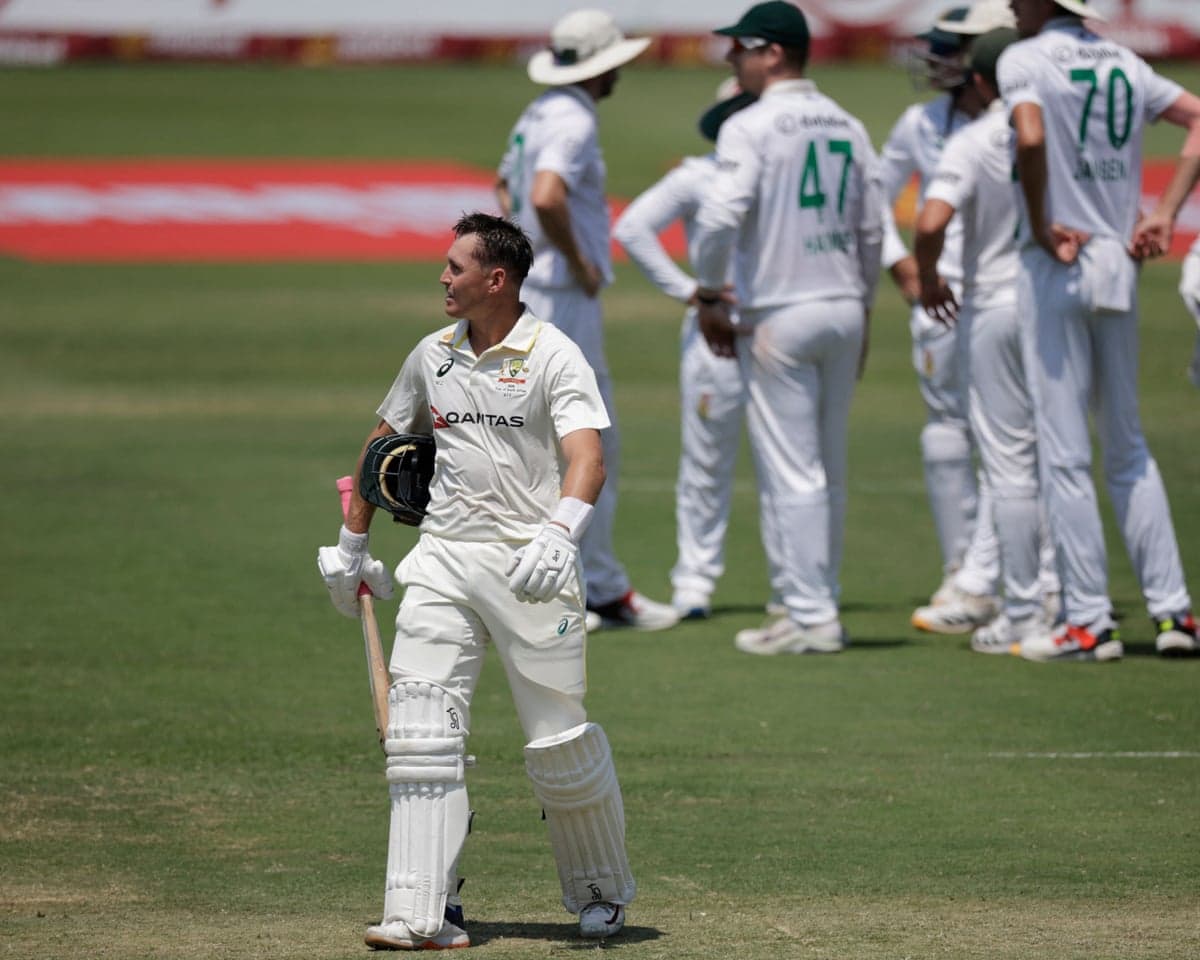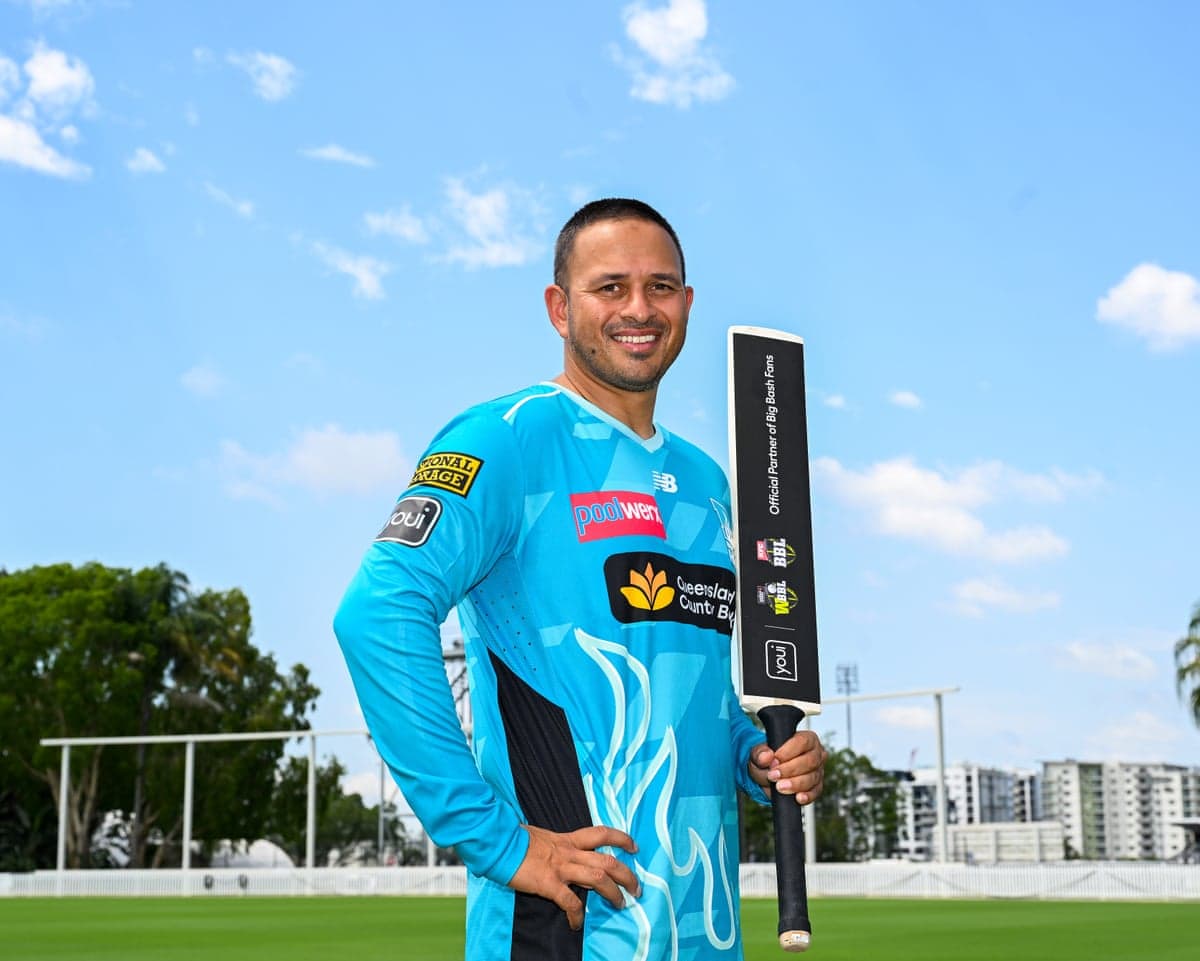
Usman Khawaja has disclosed why he concealed a rheumatoid arthritis diagnosis that jeopardised his cricket career throughout his entire Test tenure. According to The Guardian, the former Test opener played through significant pain to establish himself as a cricketer, fearing that revealing the condition would give opponents ammunition against him.
Khawaja, who accumulated 6,229 Test runs with 16 centuries, will detail his struggle with the illness in his autobiography Sabr: Finding my way in cricket and life, scheduled for release on 10 November 2026. The 448-page hardback, priced at A$49.99, marks his first major public reflection on a career defined by both sporting achievement and personal adversity.
Why did he keep the diagnosis hidden?
Khawaja chose silence because he feared the condition would be weaponised against him.
"I didn't want anyone to use it against me,"he explained during an interview in Brisbane on Monday.
"I felt like I already had all these stereotypes I was trying to beat in Australian cricket, and I didn't want to use that as an excuse."
The secrecy extended even to his closest relationships.
"Even my best friend from high school, Ardil, didn't know until one year ago."Only staff at New South Wales, Cricket Australia, and medical professionals were aware of the condition, and Khawaja credited them for maintaining confidentiality throughout his playing years.
How severe was the arthritis?
The condition was debilitating from its onset. According to SEN, Khawaja initially feared he was dying when diagnosed at age 22, after experiencing pain so severe in his left knee that he could not walk even 10 metres to the bathroom. He credited medication he described as a
"god-send"with enabling his return to cricket and allowing him to live normally.
According to India Today, the diagnosis came during the 2009 off-season while he was playing for New South Wales, and he returned to batting approximately six months later following treatment. Regular injections became essential to his career.
"I took an injection last night,"Khawaja revealed, noting that the condition contributed to back injuries later in his career.
"It was part of the reason that I did my back at the end of my career, but I couldn't tell anyone. I never got injured before I had my arthritic illness, but after that I got injured quite a lot and had to find a way to get my body in the right spot."
What does the autobiography cover?
Khawaja wrote the memoir without a ghost writer, believing only he could authentically capture his journey.
"I didn't think anyone could encapsulate my story like I could because no one has been through the same journey in Australian cricket like I have,"he said.
"The immigrant, brown, Pakistani Muslim kid coming from overseas to play our national game is something I didn't feel comfortable someone else writing about."
The book addresses his subcontinent background and his life as a cricketer in Australia, incorporating what he described as
"funny stories"and
"great learnings."It also tackles difficult subjects.
"There are also some tough times with racial vilification, but amalgamated together it is a different story to anything you would have read in a cricket autobiography,"he explained.
Khawaja met with Australia captain Pat Cummins to discuss the book's treatment of the 2018 ball-tampering scandal in South Africa, commonly known as Sandpapergate.
"I didn't come out in my book to shock and awe,"Khawaja said with a grin.
"It is my story. People have learned over time that I am pretty open and honest about most things. My goal for my story was to relate to everyone."
He emphasised that his motivation differed from many cricket autobiographies.
"I love autobiographies, and cricket ones in particular. I found that people talked a lot about the cricket but not a lot about themself a lot of the time."
What is his legacy in Australian cricket?
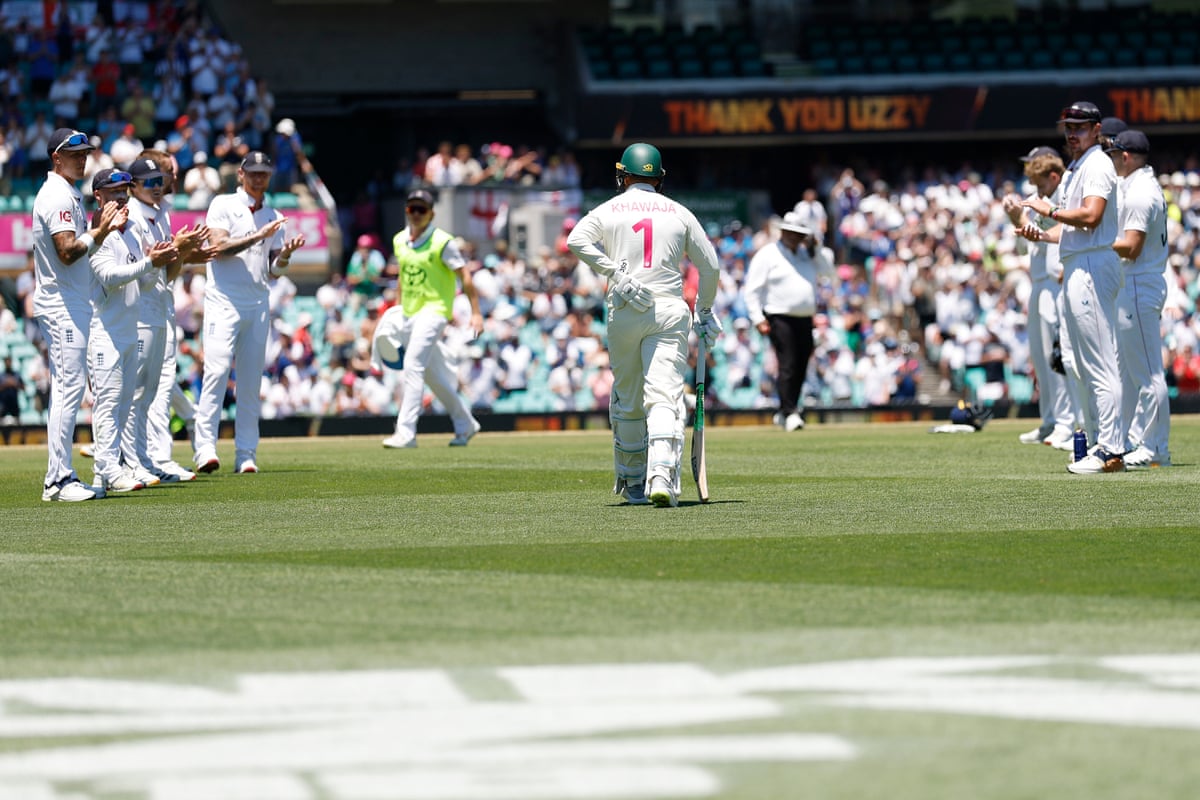
Khawaja has emerged as a trailblazer who opened pathways for players from subcontinent backgrounds. According to the ABC, Khawaja retired from international cricket after Australia's fifth Ashes Test against England in January 2026, making his arthritis disclosure public only after his playing career had ended. He became the first Pakistan-born player to represent Australia in Test cricket and scored twin centuries in the 2021–22 Sydney Ashes Test after returning to the side.
"There hadn't been another me before me, but now there are plenty of players with a subcontinent background coming in,"Khawaja observed. He cited Jason Sangha, Tanveer Sangha, and Gurinder Sandhu as examples of players following the path he established. Tanveer Sangha and Sandhu have both represented Australia in white-ball cricket, though neither has yet cracked the Test team.
"They haven't cracked the Tests, which is the hardest. That is always the goal. When we start seeing the Test team represented by the multicultural community, that is when you know you have started to make headway."
When will the book be available?
Sabr: Finding my way in cricket and life will be published on 10 November 2026 in hardback format at a recommended retail price of A$49.99.