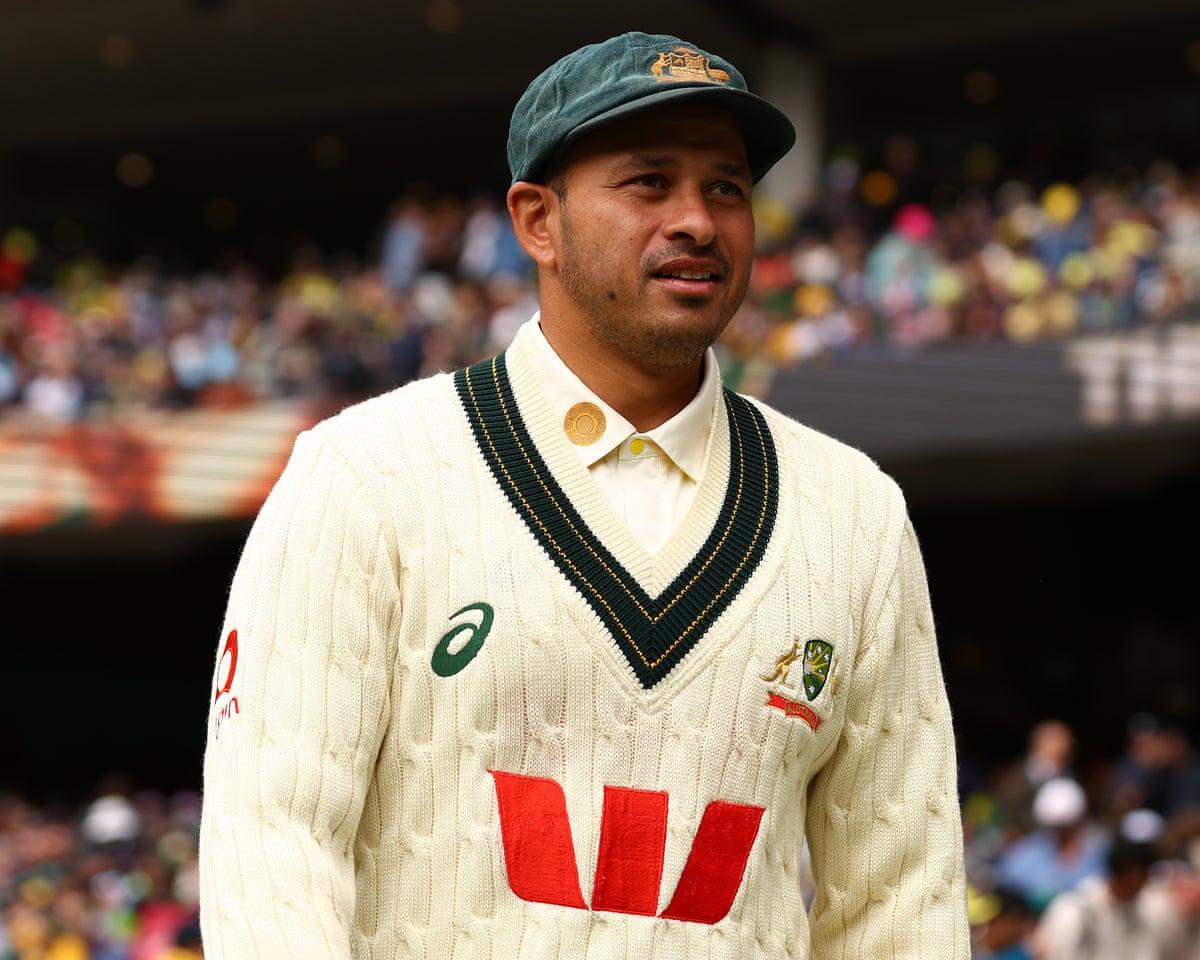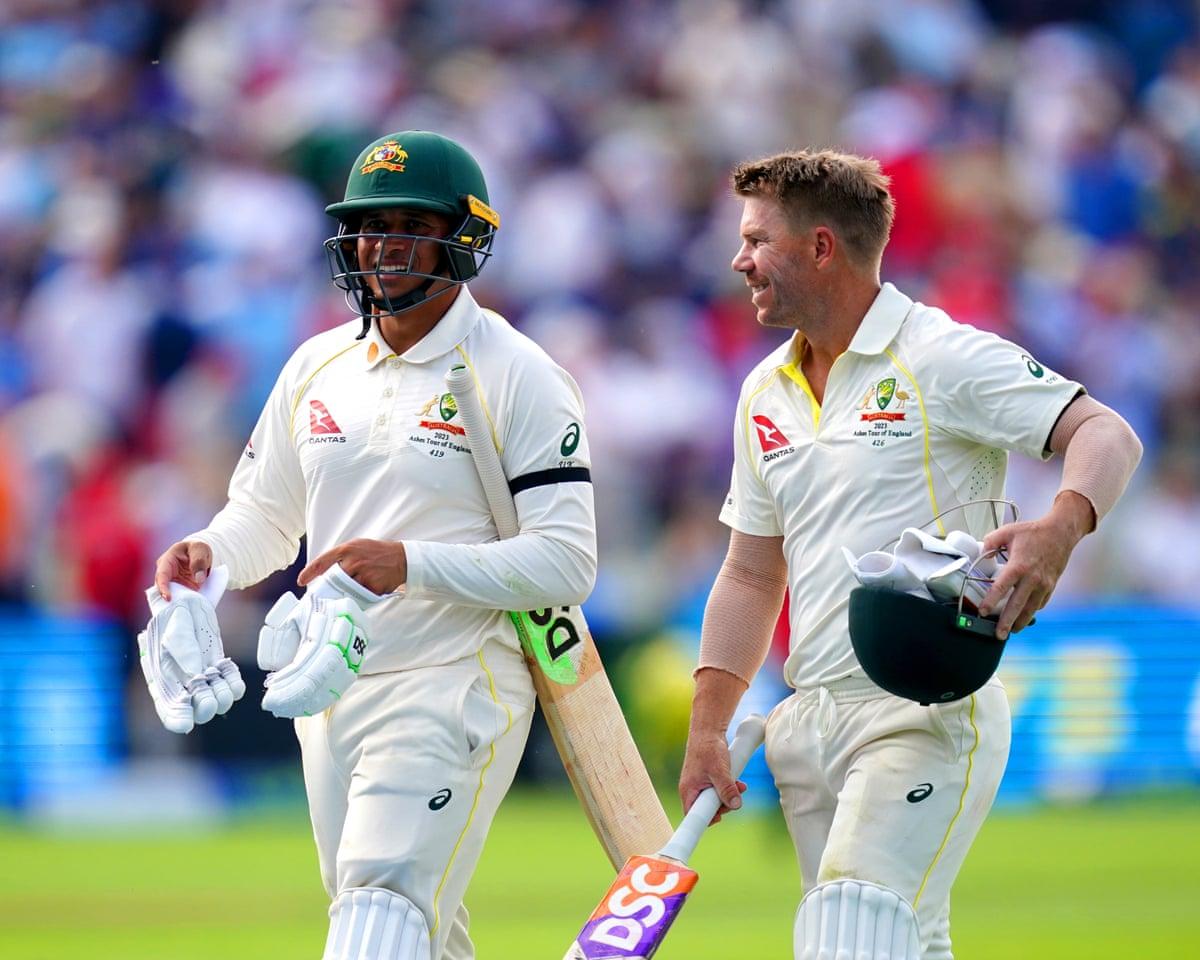
Cricket Australia will not launch a fresh investigation into the 2018 ball-tampering scandal, despite claims in Usman Khawaja's newly released autobiography that knowledge of the incident extended beyond the three players who received suspensions. According to The Guardian, Cricket Australia chief executive Todd Greenberg stated there is no "compelling reason" to revisit the matter, even as contradictions emerge between Khawaja's account and earlier statements from other players.
Captain Steve Smith, vice-captain David Warner and batter Cameron Bancroft were suspended following Cricket Australia's initial inquiry into the incident. Khawaja's book, titled Sabr and released on November 10, 2026, alleges that more than those three individuals were aware of the team's ball-tampering scheme and claims his calls for collective responsibility were rejected at the time.
Greenberg, who took the chief executive position last year but previously served as chief executive of the Australian Cricketers Association in 2021, acknowledged that Khawaja's book contains "specific details" that contradict versions provided by others. However, he argued that reopening the investigation would yield no benefit.
"You end up at the same intersection where one person's version of events contradict the others, and I'm not sure what outcome people are searching for," Greenberg said. "I think what people want is a single outcome that everyone is aligned up on, but I don't think that's possible on this occasion because we have such conflicting views from the same moment in time."
What does Khawaja say about the allegations?
Khawaja has rejected suggestions that his book was designed to capitalise commercially on the sandpaper controversy. He stated on Instagram that his publisher, Penguin Random House, and manager were unaware of his intention to revisit the 2018 events when he signed the book deal in 2023, and that he is unlikely to benefit financially from the ensuing controversy.
"With all due respect guys, I played cricket for a long time, I'm very fortunate, I don't need the money. This has never been about commercial gain."
Khawaja elaborated on the financial realities of publishing, explaining that he would receive the same payment regardless of the book's content and that royalties would only accrue after substantial sales.
"I could have written blah blah blah blah blah throughout the whole book and I'd be paid the same. And before you even start to think about royalties and book sales and all this other jabber, I have to sell so many books for royalties to even kick in, I don't reckon I will ever get there. And even if it does. It's pennies. Anyone who's written a book will tell you the same."
How have other players responded?
David Warner has publicly endorsed Khawaja's account, calling it "100 per cent accurate" and praising him for speaking out. This support from one of the three suspended players adds weight to Khawaja's claims about the broader knowledge of the ball-tampering scheme within the team.
Former coach Darren Lehmann has disputed some of Khawaja's claims while saying ball tampering had been common practice for "150 years", contextualising the incident within a longer history of the sport.
What was the original investigation's conclusion?
Cricket Australia's 2018 investigation concluded that only Smith, Warner and Bancroft possessed knowledge of the ball-tampering plan, and exonerated the other players. This finding now sits in direct tension with Khawaja's allegations that the knowledge was more widespread and that he had advocated for the team to accept collective responsibility.
The 2018 incident occurred during Australia's tour of South Africa and resulted in significant damage to the team's reputation. The three suspended players faced lengthy bans, with Smith and Warner receiving 12-month suspensions and Bancroft receiving a nine-month ban. The scandal prompted widespread debate about cricket culture and accountability within the Australian team.
What happens next?
Australia's first ODI against England is scheduled for November 13, 2026, in Perth, meaning the team will move forward without a reopened investigation into the ball-tampering matter. The decision by Cricket Australia to decline a fresh inquiry suggests the organisation intends to focus on current cricket rather than revisiting the contested events of eight years ago, despite the renewed public attention generated by Khawaja's memoir.