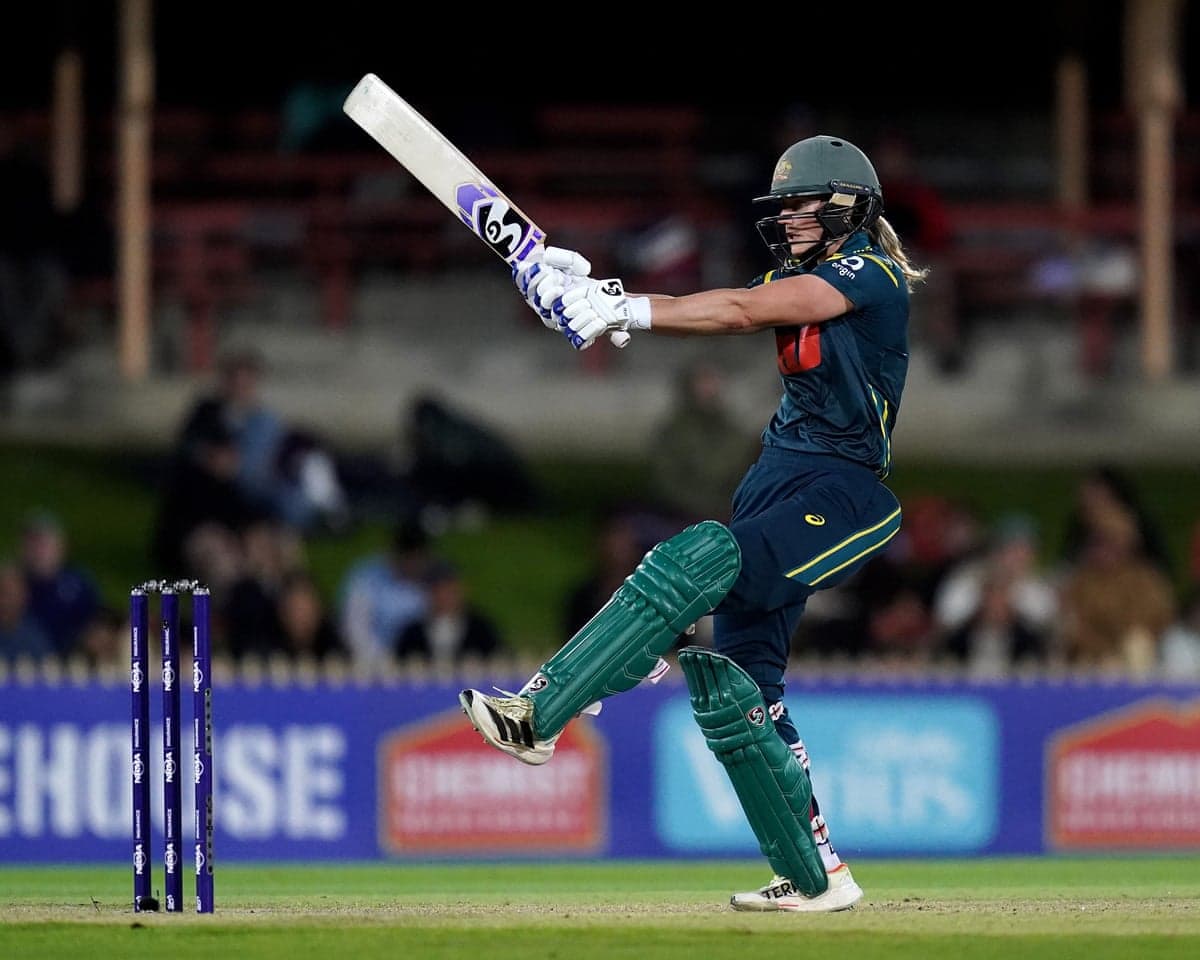
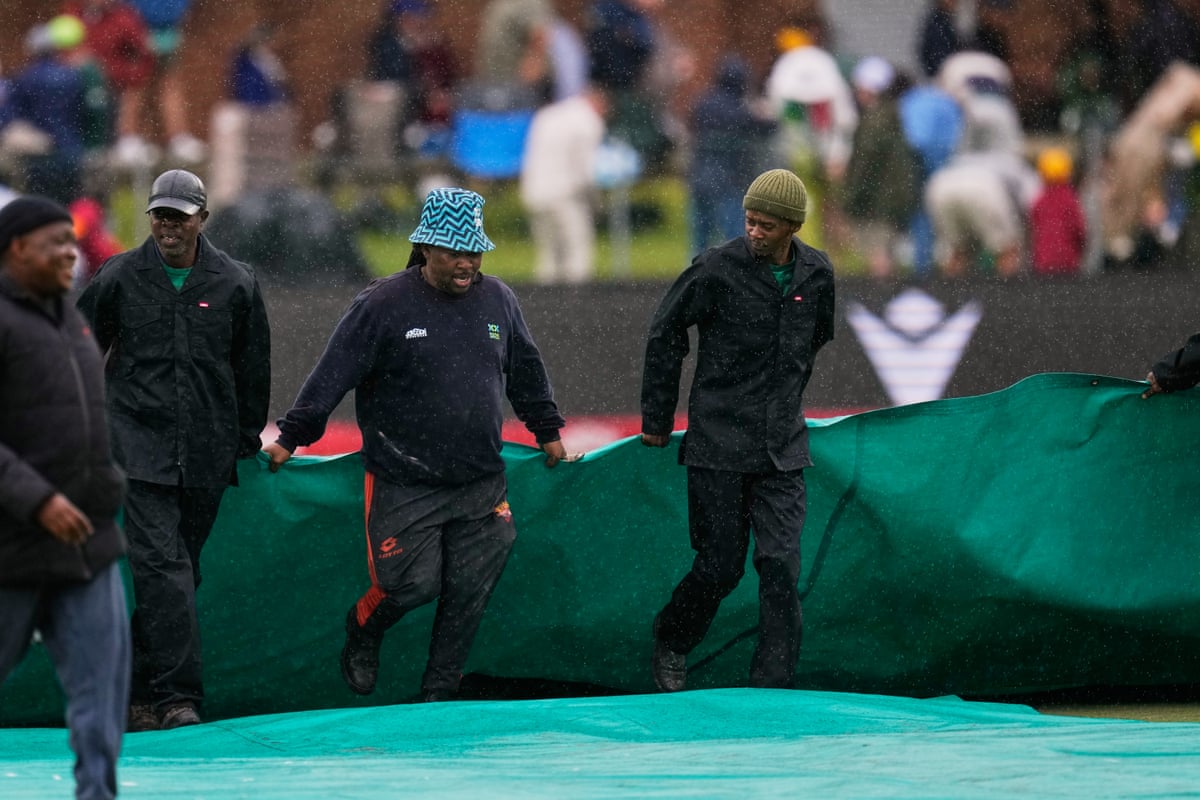
Scott Boland struck twice in two deliveries on the opening day of Australia's second Test against South Africa in Gqeberha, claiming the wickets of Aiden Markram and David Bedingham to leave the hosts struggling at 20 for two. The match was severely disrupted by rain, with only 12.2 overs possible as drizzle escalated into downpour, yet Boland's brief spell demonstrated once again his ability to make an outsized impact in limited opportunities. According to The Guardian, Boland's performance underscored Australia's reliance on their pace attack in conditions that offered little encouragement for batting.
Australia won the toss and elected to field first, with the match beginning approximately two hours late due to overnight rain. South Africa's opening partnership faced immediate pressure from the Australian bowlers, though the early overs from Mitchell Starc and Josh Hazlewood yielded little reward. Starc struggled with his footing on damp ground and bowled predominantly wide of the stumps, while Hazlewood, despite beating the edge of debutant opener Marques Ackerman on several occasions, had not yet established the threatening rhythm he displayed during Australia's 214-run victory in Durban. An early lunch break followed, and after three further interrupted deliveries from Hazlewood, Boland was called upon to replace Starc.
Boland's opening over to Ackerman appeared routine, but the debutant would have been relieved to survive it. Within four additional balls, however, the Australian quick had dismantled South Africa's batting lineup. His first dismissal came when Markram, who had struck two cover drives to the boundary off Starc's bowling and appeared in command, faced a delivery of precise length. The ball offered an illusion of fullness—sufficiently advanced to tempt a drive yet fractionally too short to reward the attempt. Markram attempted to get down on one knee but lacked the time to execute the shot; the ball nipped off the pitch, took a thin inside edge, and cannoned into the top of middle stump.
Bedingham, having witnessed Markram's dismissal, was forced to play at the next delivery. The ball was nearly identical in character, perhaps half a diameter wider and a couple of diameters shorter, and seamed away marginally rather than in. Bedingham lunged toward it in an attempt to neutralise the threat, but his bat merely brushed the ball on its way through to the wicketkeeper. Two wickets in two deliveries—a pattern that has defined Boland's Test career.
How does Boland's record compare to other Australian quick bowlers?
Boland's efficiency at Test level is remarkable given his limited opportunities. In 20 Tests, he has claimed 84 wickets at an average of 18.2 runs per wicket, with a strike rate of one wicket every 38.2 balls. Sky Sports reported that Boland finished with figures of 2 for 5 from 3.2 overs on the opening day. Historically, only five bowlers have taken more Test wickets at a superior average, and only one has achieved a better strike rate—none of whom played after 1914. This places Boland among the most efficient fast bowlers in cricket history, a distinction earned despite his unconventional path to the Test arena.
Why was Boland selected ahead of Nathan Lyon?
Boland's inclusion came at the expense of Nathan Lyon, Australia's premier spinner and a veteran of 144 Tests with 573 wickets to his name. Cricket Australia confirmed that Boland was the only change from Australia's first Test XI, with the four-man pace attack replacing Lyon. This decision reflects a strategic calculation: when Australia's four premier fast bowlers are available and a Test is reduced by weather to less than four days, the need for specialist spin diminishes. The damp conditions at Gqeberha further favoured pace bowling over spin. However, omitting Lyon for the third time in eight matches in which he has been fit raises questions about selection philosophy. Historically, omitting specialist spin has been considered contrary to principle, yet the logic of deploying four world-class fast bowlers in conditions that suit their strengths is difficult to dispute.
What changes did South Africa make to their team?
South Africa made three alterations to their XI for the second Test. Channel NewsAsia reported that debutant Marques Ackerman and Matthew Breetzke came in for Tristan Stubbs and Kyle Verreynne, while Kagiso Rabada returned from injury to replace Keshav Maharaj. Rabada's return was viewed as crucial to South Africa's hopes of levelling the three-Test series, which Australia leads 1-0 following their victory in Durban. Ackerman's debut came on a day when conditions offered little mercy, as he faced the Australian pace attack on a damp pitch with minimal preparation time.
What is the significance of Boland's career trajectory?
Boland's Test career has been defined by making the most of limited opportunity. He broke into the Australian team in 2021 when it appeared his chance had passed, remaining fourth in line for three fast-bowling spots and playing largely at the whim of injuries to senior bowlers. Yet in those moments when called upon, he has consistently delivered, taking early wickets, threatening hat-tricks, and once achieving one. His return to Test cricket came after a seven-month layoff; his previous competitive red-ball match was the Sheffield Shield final in March. Despite this absence, he demonstrated no loss of edge or accuracy, immediately justifying his selection with two crucial dismissals. For Australia, Boland represents both a difficulty and an opportunity: his exceptional efficiency means leaving him out is costly, yet his selection requires omitting a spinner of Lyon's calibre and experience.
What happens next in the second Test?
Play was abandoned at 4:15 p.m. local time on the opening day, with the match having begun two hours late. Day two is scheduled for 19 October at St George's Park, with the second Test running through 22 October. South Africa, already behind in the match despite their limited time at the crease, will need to rebuild their innings substantially when play resumes. Australia's bowling attack, having made early inroads, will seek to press their advantage in conditions that continue to favour pace bowling. The weather forecast will be critical to determining how much cricket can be played over the remaining days.
Key Facts
- Only 12.2 overs were bowled on the opening day due to rain disruptions, with play beginning two hours late and finishing at 4:15 p.m. local time
- Scott Boland claimed 2 for 5 from 3.2 overs, removing Aiden Markram and David Bedingham in consecutive deliveries
- Australia leads the three-Test series 1-0 after winning the first Test in Durban by 214 runs
- Boland has taken 84 wickets in 20 Tests at an average of 18.2, placing him among the most efficient fast bowlers in cricket history
- South Africa made three changes to their XI, with debutant Marques Ackerman and Kagiso Rabada returning from injury among the alterations