England's one-day international squad for the upcoming tri-series in Pakistan reflects a deliberate shift in priorities. While teenagers Thomas Rew, 18, and Eddie Jack, 21, will join the touring party for the Twenty20 leg next month, neither has been selected for the 50-over competition. The omission sends a clear message: with the World Cup less than a year away, England's focus in ODIs must be on winning tournaments, not blooding youth.
According to The Guardian, England's recent resurgence in the format has been striking. After a disastrous World Cup defence in late 2023 and a winless Champions Trophy in early 2025, captain Harry Brook and coach Brendon McCullum have overseen three consecutive series victories this year. Each series went to a decider, and on each occasion England deployed the aggressive approach that once made them revolutionary under Eoin Morgan, consistently posting totals above 350 and using scoreboard pressure to overwhelm opponents. Even India's star batsmen Virat Kohli and Rohit Sharma, in form at Lord's, fell short against this intensity.
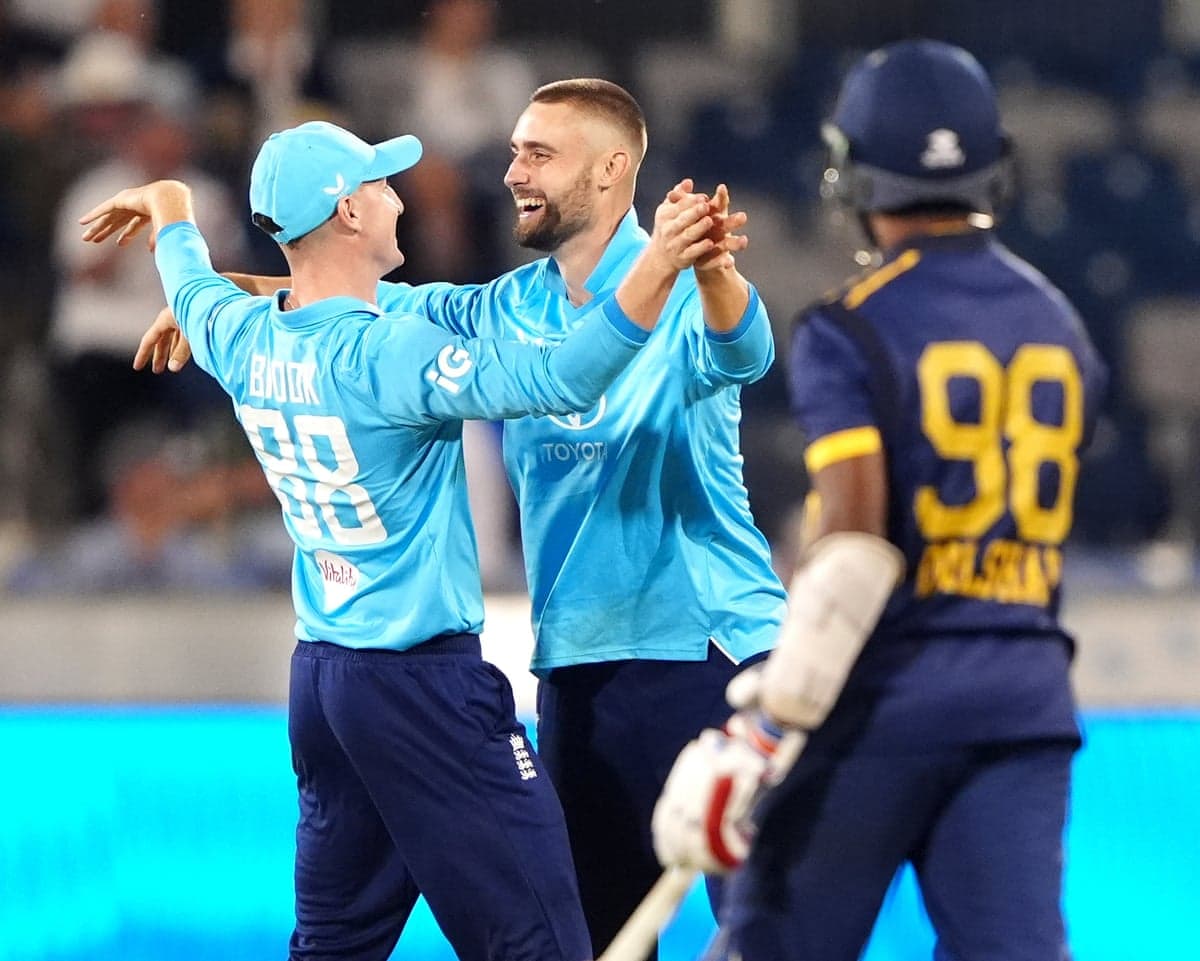
England's most recent series victory came against Sri Lanka, where the team demonstrated both batting depth and bowling variety. The tri-series beginning on Tuesday in Rawalpindi will test whether that formula translates to subcontinental conditions, where Pakistan and Sri Lanka will provide stiffer resistance than the opposition England has recently faced.
What makes Will Jacks England's most intriguing white-ball player?
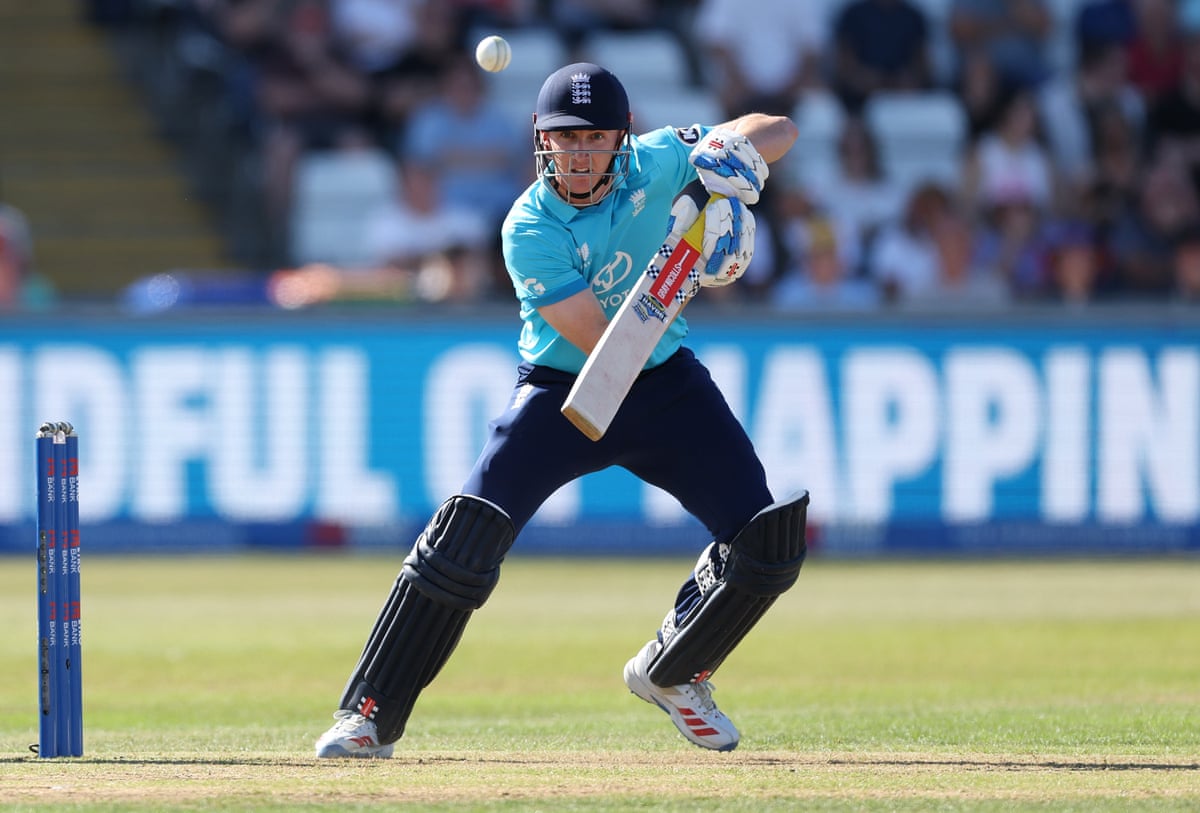
Will Jacks has emerged as the most fascinating talent in England's limited-overs setup. Once deployed as an opener, he has settled into the middle order as an established finisher under Brook's captaincy, a role that has unlocked his natural aggression while adding tactical depth. His bowling has been equally impressive: he has claimed more ODI wickets than any England player this year, turning off-breaks with enough bite to trouble quality batsmen.
Jacks made his international debut four years ago in Pakistan, but remained in and out of the side until Brook, his roommate during their England Under-19s days, took over as white-ball captain and gave him a defined role in the batting order. The 21-year-old has always possessed explosive power—he struck six sixes in a single over during a pre-season match at age 20—but what has developed is a maturity in his shot selection. When England's middle order struggled against Sri Lanka last month, Jacks played with patience for an unbeaten 46 before returning to take five wickets, a performance that encapsulated his dual value to the team.
How will England's spin attack function in Pakistan?
Jacks will share bowling duties with Adil Rashid and Mason Crane, the latter making a remarkable return to international cricket after nearly nine years away from the senior setup. Crane earned his sole Test cap in 2017 but has rebuilt his career at Glamorgan following a revival at Hampshire, earning selection to this squad as a potential long-term successor to Rashid when the veteran off-spinner eventually departs.
The inclusion of uncapped players James Coles and Henry Crocombe reflects England's confidence in their depth. Crocombe, in particular, has been granted an extraordinary show of faith: a two-year central contract before he has bowled a single ball in international cricket. This investment suggests the selectors view him as a significant part of England's bowling future.
The absence of Jofra Archer through rest is potentially problematic for a side that remains somewhat short on fast-bowling incisiveness, while injuries to Jacob Bethell and Jos Buttler have forced changes to the batting lineup. However, their replacements have performed admirably. Tom Banton, 27, hit his first international century against Sri Lanka, while Jordan Cox struck a rapid 76 in the same series. Both are age-group teammates of Brook, having come through England's development system together, and both appear to be settling into international cricket after earlier false starts.
What is the significance of Pakistan's home advantage?
Pakistan have just returned from a difficult tour of England where they faced the red-ball challenge, but conditions in their home grounds will favour their strengths considerably. When an under-strength Australia visited in June, Pakistan presented turning pitches in Rawalpindi and Lahore where the highest total across three matches was 231. Shaheen Afridi's side won that series 2-1, extending their run of consecutive home series victories to three. The one-day format should prove tighter than those Test matches, with Pakistan's spinners likely to play a significant role.
Brook's personal record in Pakistan adds another dimension to England's prospects. He has accumulated four Test centuries in the country, including a triple, and earned respect long ago for his success with Lahore Qalandars in the Pakistan Super League. His familiarity with local conditions and opposition bowlers could prove invaluable as England navigates the tri-series format.
How have England's younger players developed under Brook's leadership?
The evolution of England's white-ball squad under Brook reflects a broader maturation of the team's approach. Tom Banton and Jordan Cox, like Jacks, had uncertain starts to their international careers but have found stability and form under the new captain's regime. Banton had a spell with England in his early 20s but has only recently begun to settle at this level, while Cox had a false start against West Indies a couple of years ago before establishing himself as a strong candidate for all-format selection.
Brook himself has grown into the ODI format despite limited experience with Yorkshire's one-day cricket. His development, alongside that of Jacks, Banton, and Cox, demonstrates that England's recent success is built on players who have worked through their growing pains rather than established stars. With at least 20 ODIs remaining before the World Cup begins next year against Bangladesh in Namibia, England has sufficient time to refine their approach and build consistency across different conditions.
What happens next for England?
The tri-series in Pakistan will serve as a crucial test of England's World Cup credentials. Victory would extend their recent run of success and provide momentum heading into the tournament, while defeat would raise questions about their ability to perform in subcontinental conditions where the World Cup will be contested. The squad's balance between youth development in T20 cricket and experienced, focused selection in ODIs suggests England's leadership believes they have found the right formula for the 50-over game, even if the next few weeks will determine whether that confidence is justified.