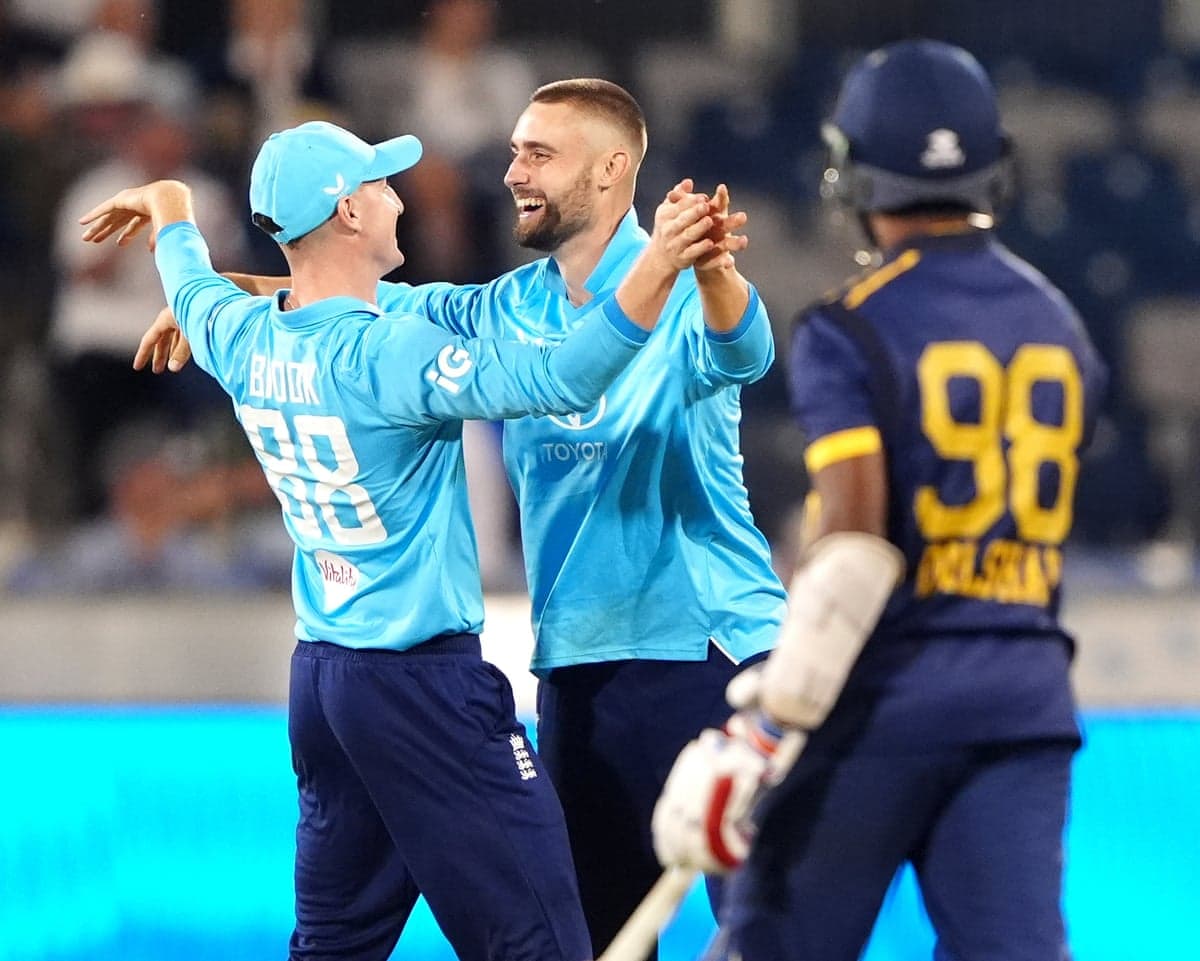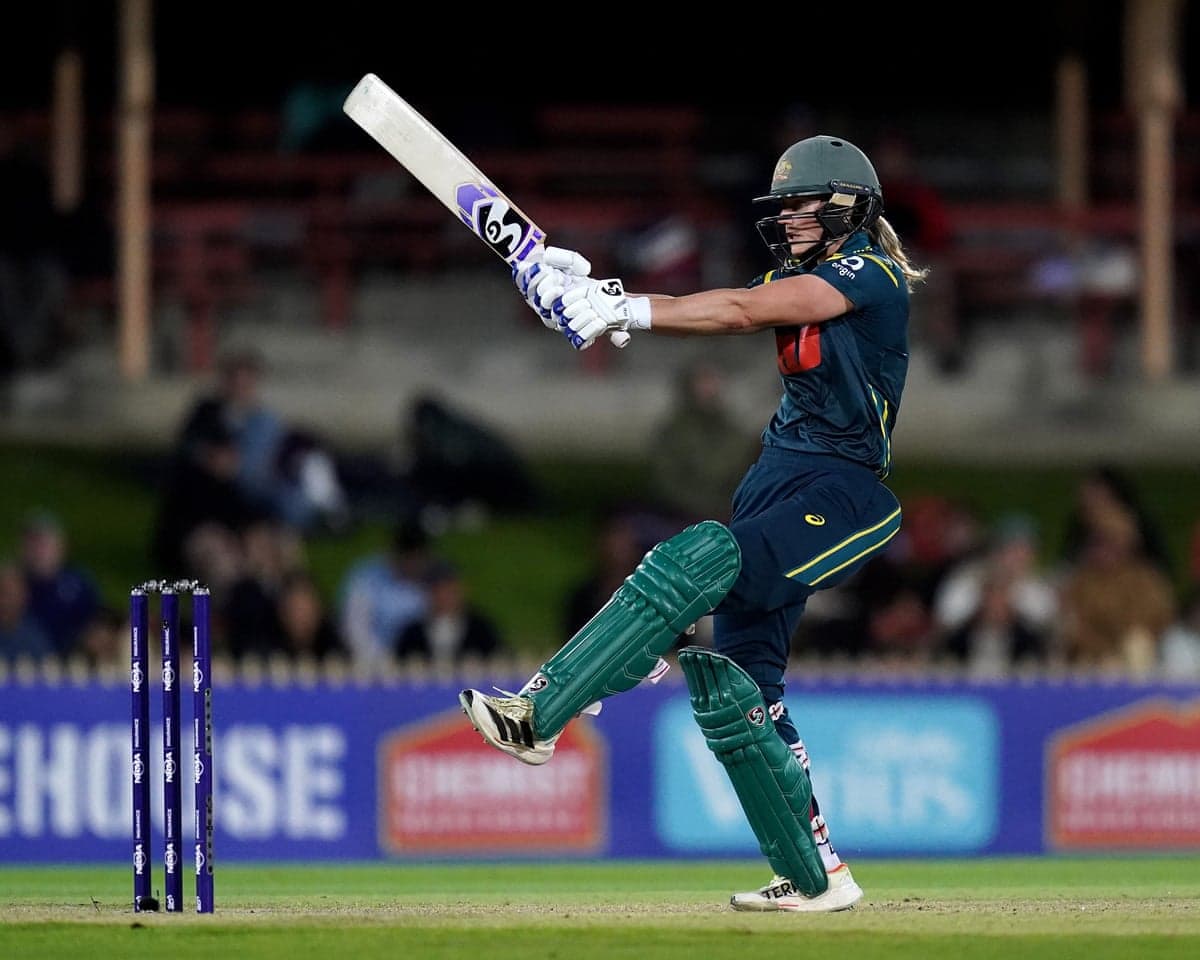
Australia claimed a tense two-wicket victory over New Zealand in the opening Twenty20 International of the Rose Bowl series at North Sydney Oval on Sunday night, with the reigning T20 World Cup champions scoring 165-8 in pursuit of the visitors' 162-2. According to The Guardian, Australia secured the win with seven balls remaining, extending their winning streak in the format. The result gave the home side a 1-0 lead in the three-match series, with matches scheduled for Tuesday and Thursday at the same venue.
The match showcased both the attacking prowess and fragility of Australia's middle order. After Australia won the toss and chose to field, the hosts appeared well-positioned when Georgia Voll fell early to an lbw decision. Beth Mooney and Ellyse Perry then steered the chase with authority, taking the score to 86 in just 8.2 overs before a catastrophic sequence of events unfolded.
How did the collapse unfold?
Mooney's dismissal triggered the downward spiral. After being struck on the pad, she attempted an ambitious run that Perry immediately rejected. Mooney's hesitation in turning back proved fatal, and she was run out well short of her ground for 38 runs from 25 balls. The loss of the experienced batter seemed to destabilise the entire middle order.
Perry, who had raced to her equal fastest T20 half-century in just 27 balls, fell shortly after for 52 when she dragged a short delivery from Jess Kerr to deep backward square, where Issy Sharp took a running catch to her right. Georgie Wareham then sliced a leg-spinner from Kerr's younger sister Amelia straight to point for 10 from seven balls. Ash Gardner contributed 23 from 17 balls before becoming Jess Kerr's third victim on review, and Annabel Sutherland managed only 9 from five balls before pulling a short ball to deep square leg.
Nicole Cary was run out by recalled Tahlia McGrath for 4 from three balls, and captain Sophie Molineux fell for 11 from five balls. In the space of just 62 runs, Australia had lost seven wickets and appeared to be heading towards an unlikely defeat. However, the lower order held their nerve to secure an 11th consecutive T20 victory, while New Zealand suffered their sixth loss in nine matches.
What was New Zealand's approach?
The White Ferns' batting performance demonstrated both promise and vulnerability. After a difficult start, Georgia Plimmer and Maddy Green combined for an unbeaten partnership of 127 runs from 80 balls to guide New Zealand to 162-2. Plimmer's career-high 85 from 68 balls represented a significant breakthrough for the 22-year-old, marking her fourth T20 half-century in 54 matches for the national side. Before this match, she had averaged just 16 with a strike rate of 104, making this performance a notable step forward in her international career.
Green contributed 56 from 37 balls to support Plimmer's innings. The partnership was built on opportunities created by Australia's fielding, as Plimmer benefited from two difficult chances—a stumping and a catch—both offered to wicketkeeper Beth Mooney while standing up to seamers Annabel Sutherland and Alyssa Healy.
What changes has New Zealand made?
New Zealand's squad reflects a significant generational shift following the retirements of key veterans Sophie Devine, Suzie Bates and Lea Tahuhu after a disappointing T20 World Cup campaign in the United Kingdom in June and July 2026. The White Ferns are rebuilding around younger players, with Eden Carson returning to the squad after elbow surgery in December 2025. This new-look side will be tested further as the series progresses.
What happens next in the series?
The second T20 International is scheduled for Tuesday, October 20, at North Sydney Oval, with play beginning at 7:15pm AEDT. The third and final match of the series will take place on Thursday, October 22, also at North Sydney Oval and starting at 7:15pm AEDT. Australia will look to extend their advantage, while New Zealand will seek to level the series and prove their rebuilding efforts are bearing fruit.
The Rose Bowl trophy, which has been awarded to Australia since February 2000 in the traditional ODI format, now has a separate T20 iteration. The 2026 T20 series and the three ODIs scheduled for March 2027 will each have their own Rose Bowl competition, marking a new chapter in this historic rivalry between the two nations.