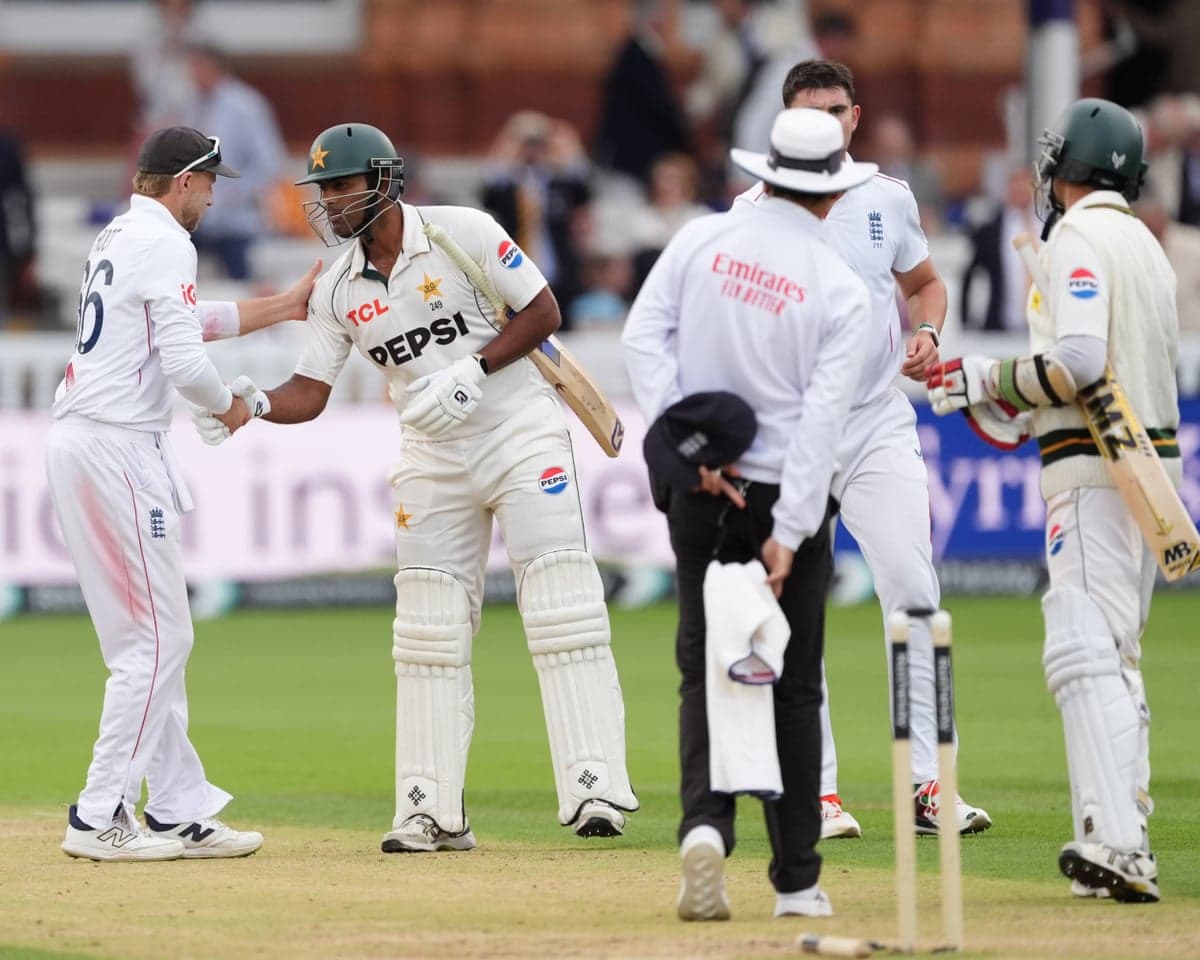
A peculiar quiet settled over Lord's on the final day of England's second Test against Pakistan last week. It was a bank holiday Sunday, Jofra Archer was delivering occasional deliveries of genuine pace, and the home side stood on the verge of sealing victory over their visitors. The ground was not packed – advance ticket sales for day-four play have become harder to shift – and there was an unmistakable sense that the conclusion lacked drama. The English supporters celebrated the win, though many would have welcomed a more competitive finish.
What followed was equally telling. The Pakistan Cricket Board responded to the defeat with a statement so abrupt and severe it resembled the recall of a faulty product. Some observers interpreted this as the kind of decisive leadership that Aaqib Javed, Pakistan's director of high performance, wishes to project. Others, familiar with the board's turbulent history, saw merely another chapter in its pattern of erratic decision-making.
The act was undoubtedly extraordinary and peremptory – the sort of moment that might once have dominated sporting headlines as a watershed event. Yet it merged seamlessly into a cricketing landscape where almost every administrative choice appears increasingly bewildering to ordinary followers, from the labyrinthine international schedule to the seemingly inexplicable selections that define modern Test cricket.
According to match reports from the fixture, England's 194-run victory came inside four days, with Pakistan finishing on 194 all out in their chase. The match, which ran from 27 to 31 August 2026, saw England's pace attack led by Ollie Robinson and Jofra Archer dismantle Pakistan for 110 in the first innings, establishing a commanding position by the end of day two. Jamie Smith top-scored for England with a counter-attacking 61 in the first innings, while Pakistan were bowled out for 110 in 37.2 overs in their opening innings.
This victory gave England an unassailable 2-0 series lead, following their earlier triumph at Headingley by an innings and 103 runs. Yet the speed and decisiveness of these results exemplify a broader transformation reshaping the sport.
How is the global game changing?
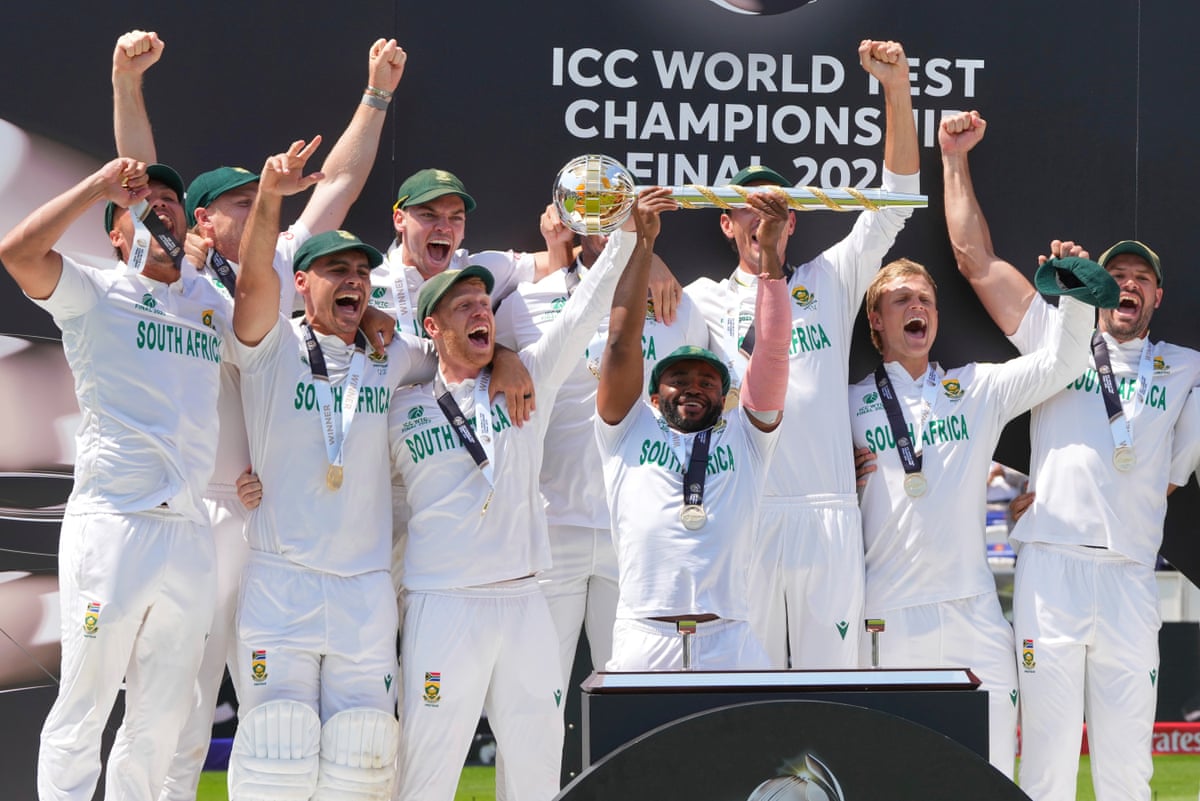
The international cricket landscape is evolving at a pace that unsettles most observers, yet appears unstoppable. Franchise leagues with their short-form spectacles have become the primary career destination for ambitious professionals. World Cup tournaments increasingly reflect the geopolitical interests of major cricket nations. The official world Test champions – South Africa – have not taken the field in Test cricket since November 2025, a striking symbol of the sport's fragmented priorities.
English cricket culture has long portrayed the sport as a traditional pursuit struggling against the dominance of football in the modern age. Yet few sports have adapted and reshaped themselves as dramatically as cricket has in recent years. The game has rebranded its formats, compressed its timescales, migrated its audience and redistributed its power. It has repeatedly transformed itself into bite-sized content optimised for digital consumption. Even its most hallowed and time-honoured incarnation – the five-day Test – cannot resist the gravitational pull toward shorter attention spans.

Are Test matches genuinely getting shorter?
The impression that Test matches are contracting is not mere nostalgia for an earlier era when batsmen like Trevor Bailey could occupy the crease for entire sessions without scoring. The data confirms it: between 2019 and 2025, the proportion of matches concluding in under 200 overs tripled. The 39 Test matches that reached a result in 2025 – only two ended in draws – lasted an average of 272.1 overs, equivalent to just over three days of play.
Occasional dramatic collapses or spells of exceptional bowling have always been part of Test cricket's appeal. However, in recent seasons – a period some have termed the "Bazball era" – the mounting sense of anticlimax as teams capitulate and matches fail to extend their natural course has intensified anxieties about the format's viability. The narrative of Test cricket approaching terminal decline is not new. During the 1950s, commentators expressed serious concern that the format had become too tedious to survive. In 1996, Wisden editor Matthew Engel created the world Test rankings specifically to address what he perceived as an impending crisis of relevance.
Why does the current situation feel uniquely alarming?
The traditional story of Test cricket's decline has centred on entropy and eroding public appetite. Today's reality is far more chaotic and contradictory. The global Test schedule persists, but in compressed two-match series that lack the narrative arc of longer contests. The batting techniques now visible in these abbreviated series increasingly mirror the frantic, aggressive style that dominates franchise cricket – a stylistic convergence that should, logically, be elevating overall standards but instead seems to be flattening them.
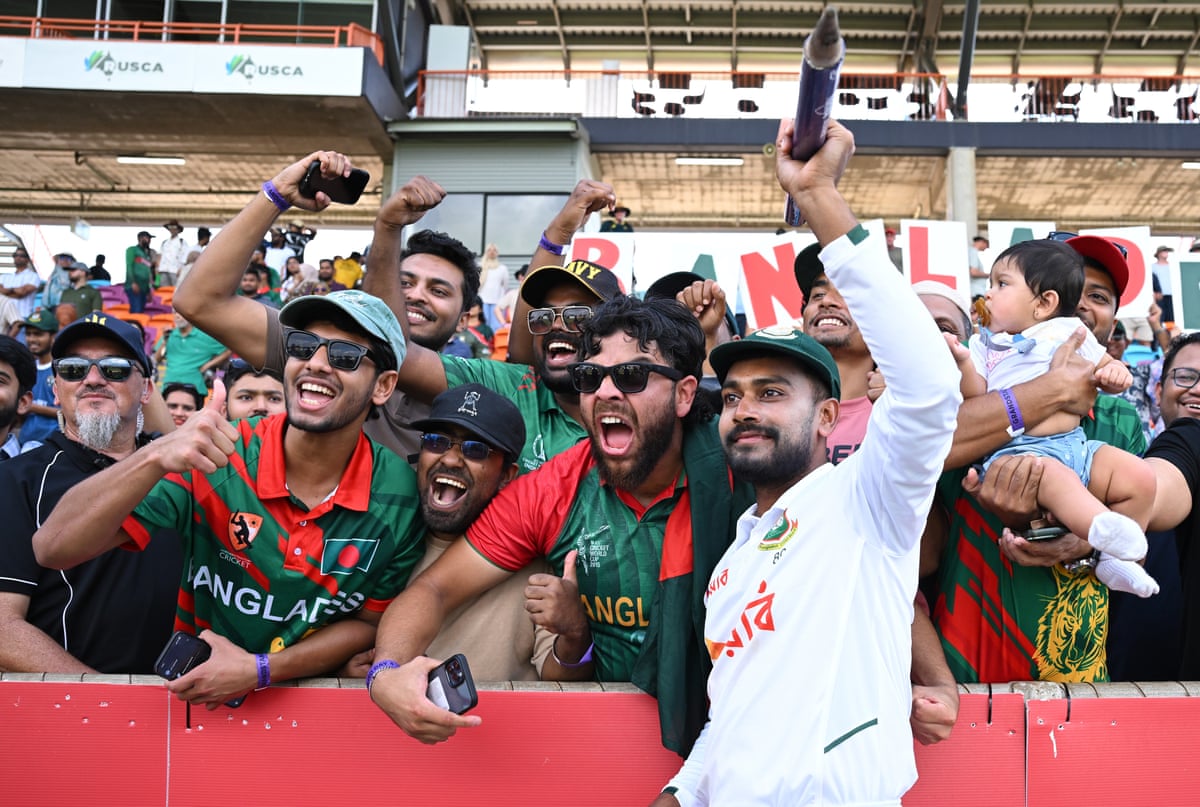
Pockets of genuine excitement remain within this turbulent environment. Recent years have produced compelling individual performances and unexpected results. Bangladesh's first-Test victory over Australia in August 2026 demonstrated that upsets remain possible, offering glimpses of the drama that Test cricket can still generate.
Yet the uncomfortable truth is that while everyone in cricket's administration claims to champion Test cricket's long-term health, no one – including those nominally responsible – appears to possess a coherent strategy to secure it. The current Future Tours Programme expires next summer, and the replacement schedule, still to be finalised, is anticipated to emphasise one-off Tests rather than longer series.
What made Test cricket distinctive?
Test cricket, as befits a format capable of consuming as many hours as an entire television series, has historically represented one of sport's most enduring and substantial creations. This durational quality has always been central to its identity – a form of long-form entertainment with genuine dramatic stakes. Its grand narratives have frequently possessed an epic quality: the West Indies' dominance across the 1970s and 1980s, Australia's stubborn excellence in the 1990s and 2000s, or England's extended period of underperformance. These were stories that unfolded across years and decades, shaped by tectonic shifts in cricketing power. Now the sport's very foundations appear to be destabilising. Players transit through Test teams as stepping stones toward lucrative T20 contracts. Matches and series conclude before they have fully registered in the public consciousness.
What do these changes mean for cricket's future?
For many Test cricket devotees, this represents a troubling and unsettling moment. The sport they cherish is undergoing rapid and destabilising transformation. They feel unable to influence the trajectory and events are unfolding with alarming velocity. The prospect that something as significant – and monumental, and institutionally embedded – as Test cricket could disintegrate during this generation's watch, much like a collapsing ice shelf or eroding democratic norms, appears simultaneously inconceivable and increasingly probable. And yes, there is an awareness that for some observers, the fate of Test cricket functions as a metaphor for broader contemporary anxieties and societal concerns. The implicit question – save Test cricket, save the world – captures something of this deeper unease about the pace and direction of change itself.