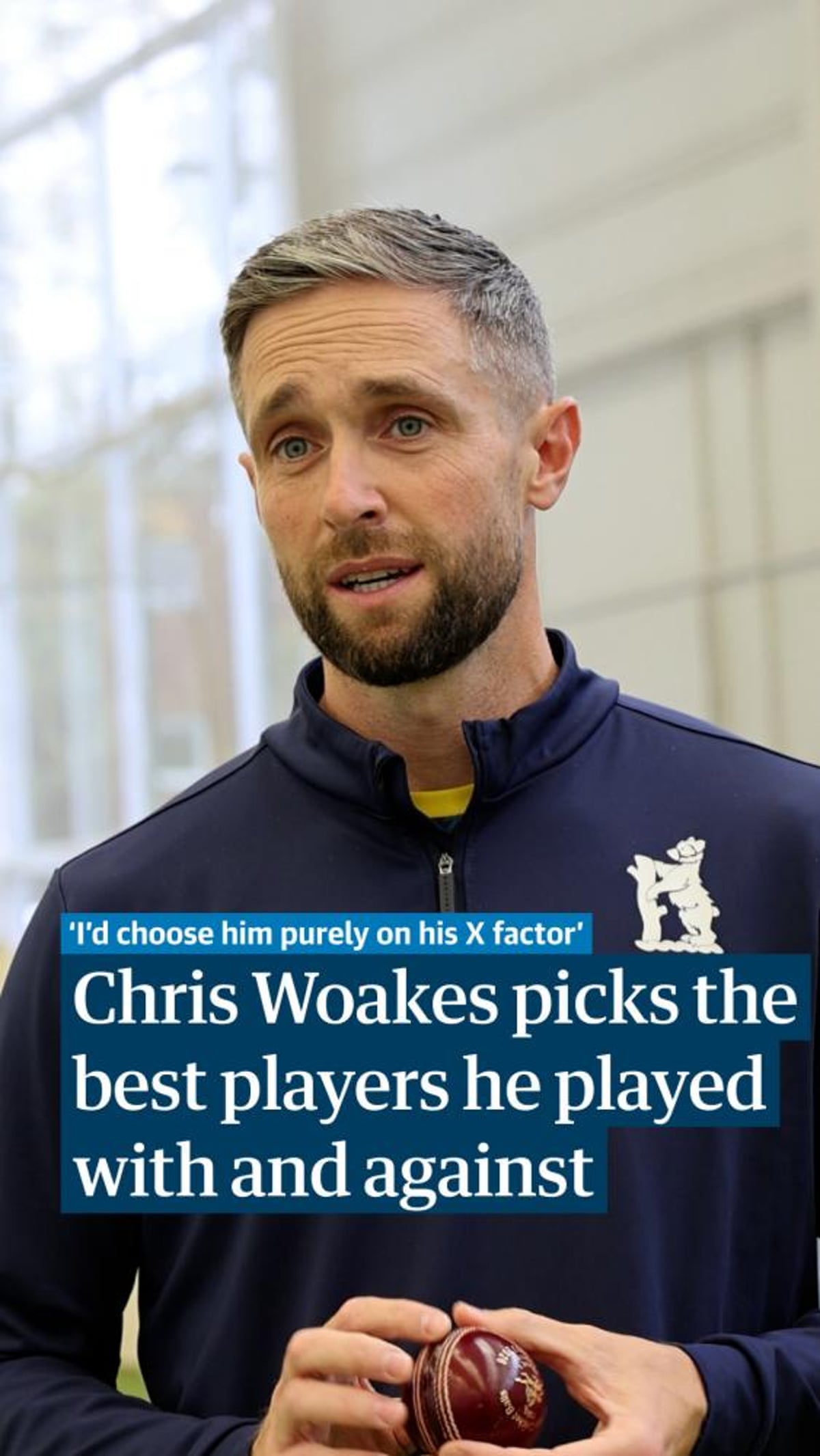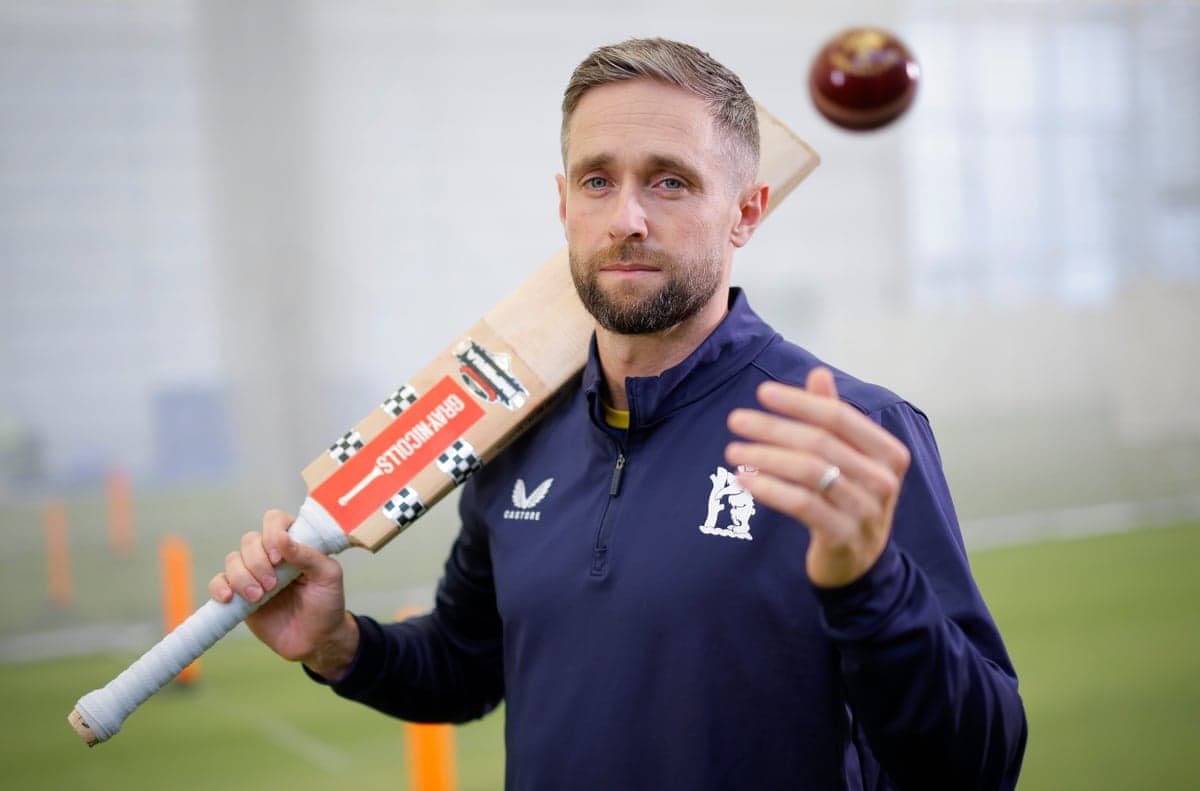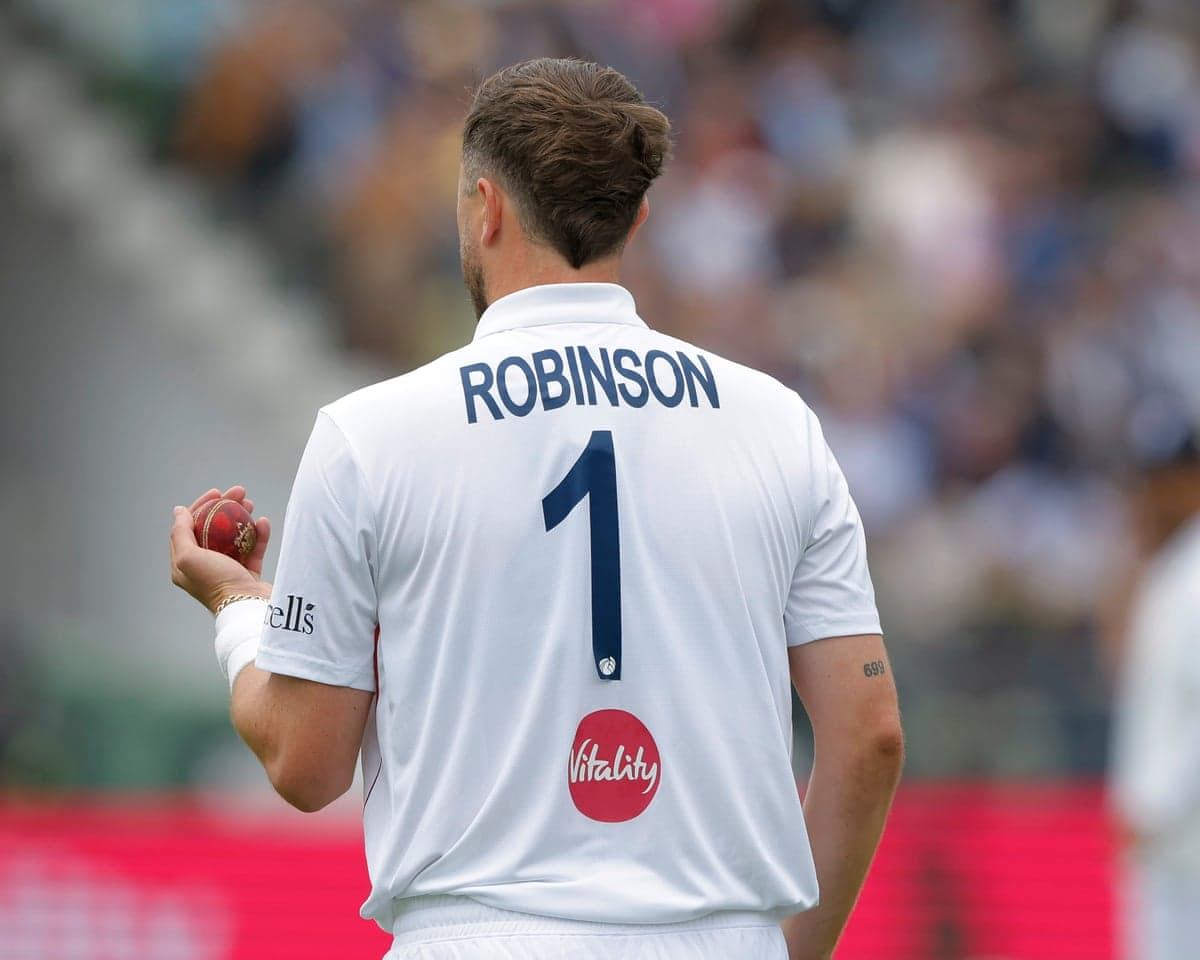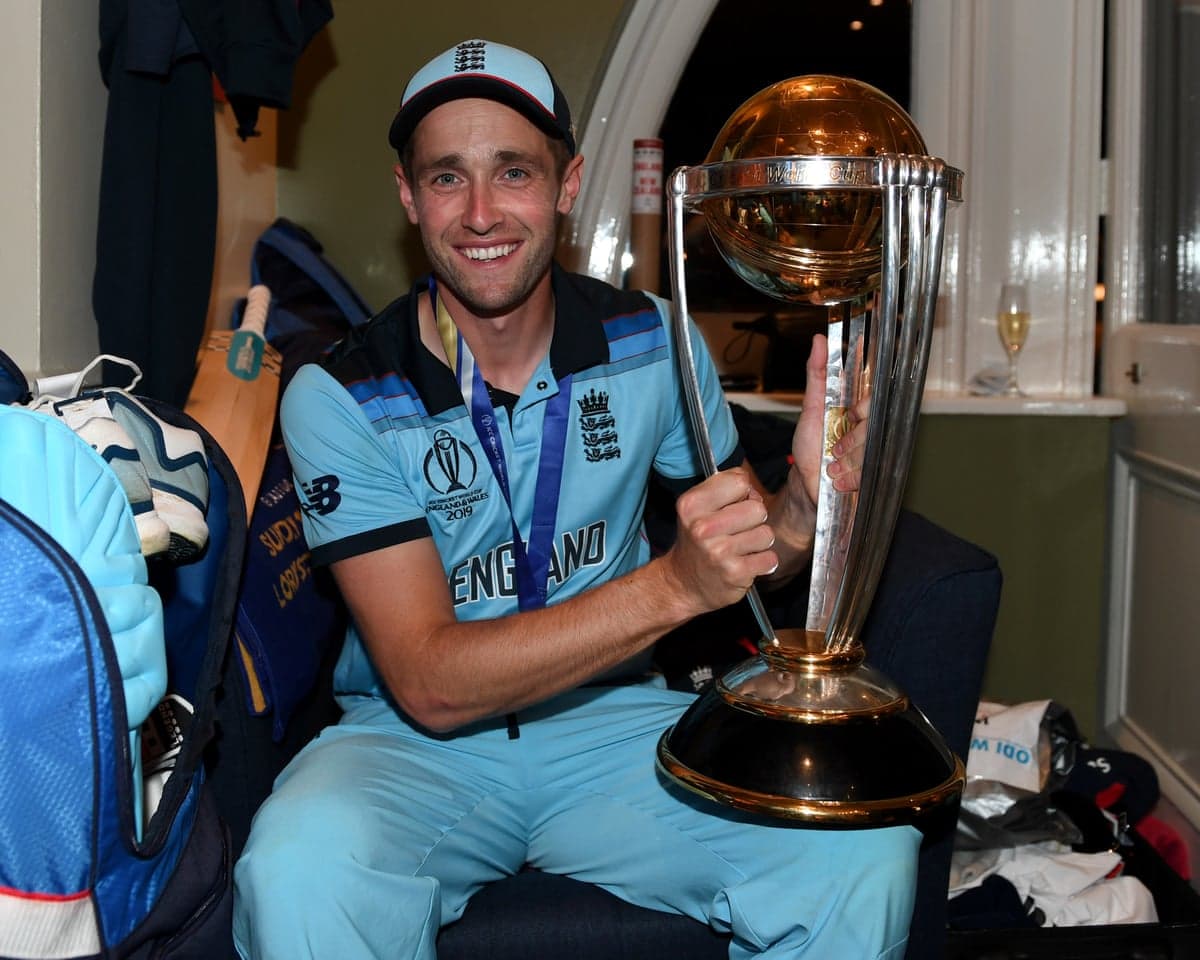
In an extract from his new book, England bowler Chris Woakes reflects on one of cricket's greatest achievements and the team's frustration when administrators imposed restrictions on their victory celebrations.
According to The Guardian, Woakes has documented his memories of England's 2019 World Cup triumph in his memoir The Wizard, which offers an insider's account of the team's emotional journey through that final day and the hours that followed.
As Eoin Morgan raised the World Cup trophy amid a cascade of fireworks and ticker tape, the weight of achievement became real. Lord's remained filled with supporters, the celebration in full momentum. Standing on the podium, Woakes felt a surge of pride and relief—and found himself laughing uncontrollably at his teammate Mark Wood, who had grabbed Jason Roy's shirt at the crucial moment, pulling it upward as the players jumped around in jubilation. Roy spent the pinnacle of his career fighting to keep his composure while his shirt rode up.
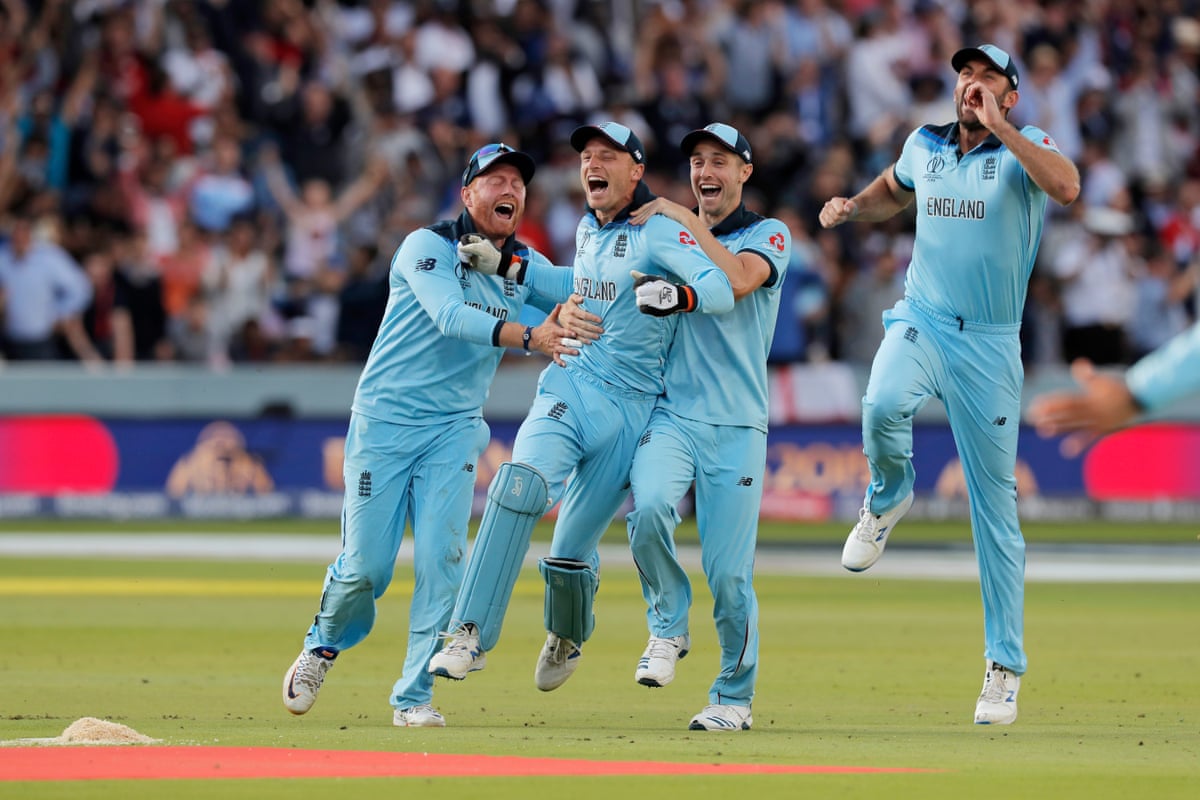
The immediate aftermath was chaotic. After Jos Buttler's final delivery removed the stumps, the players raced across the outfield in a frenzy. They briefly returned to the dressing room, where a bottle of beer vanished almost instantly. Woakes recalls moving back through the pavilion, which had transformed from one of cricket's most formal spaces into something resembling a mosh pit. Several grown men stood in tears, overwhelmed by what they had just accomplished.
While the stage was being prepared on the outfield, the England squad mingled with New Zealand's players and observed the medal presentations. Woakes noted that few teams in world cricket would have conducted themselves with such grace in defeat. The New Zealand side, despite losing their second successive World Cup final after the 2015 loss to Australia, showed genuine warmth. Kane Williamson carried a composed presence, and his teammates offered sincere congratulations without diminishing England's moment. It was a mark of respect that Woakes appreciated deeply.
The trophy itself represented four years of ambition. Each player took their turn in a lap of honour, creating spontaneous moments that would endure in memory—selfies, champagne showers, and teammates embracing. Woakes's personal highlight involved spotting three close friends in the Nursery End stand and making eye contact across the ground. He managed to bring them over the rope past security, along with his wife Amie and family members, for photographs that would become treasured keepsakes. The victory belonged as much to them as to the players.
Head coach Trevor Bayliss initially refused to hold the trophy, insisting that players alone deserved credit for winning. Though refreshing compared to coaches who seek personal glory, the squad had other ideas. Mark Wood essentially forced the trophy into Bayliss's hands during the lap of honour. After holding it briefly for a photograph, Bayliss casually set it down without breaking stride.
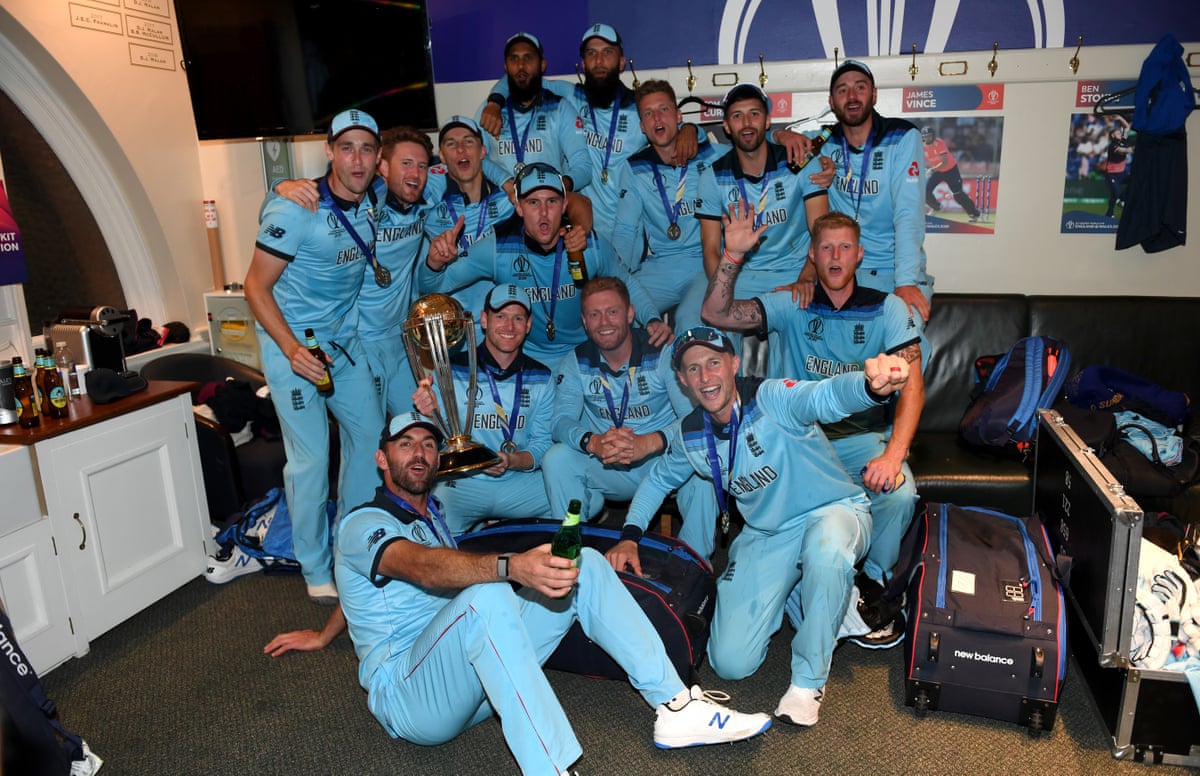
The dressing room erupted with a song that Jos Buttler had written on his bat in black marker pen—an adaptation of Jamie Webster's Allez Allez Allez:
We've conquered all the world! We're never going to stop!
From Lord's down to Sydney, we've won the fucking lot!
Our heartbeat is Mark Saxby. Our captain is Morgan.
Taking the cap forward, as a world champion!
The lyrics honoured Mark Saxby, the longstanding massage therapist whose role in maintaining dressing-room harmony was central to the team's success, and Morgan, the architect of England's four-year transformation. After a squad photograph, Morgan thanked the players for their commitment to the project's methods before delivering a final instruction:
Let's drink some winners' piss!
The official World Cup beer, an Indian brand called Bira91, was unremarkable in taste, but nobody was selective. Bottles of Veuve Clicquot erupted at random intervals, and cigars circulated. Players took breaks on the balcony, watching the sun fade over the outfield and absorbing the magnitude of their achievement.
Around 1am, the squad returned to the Landmark hotel, where family members who had joined them on the outfield for the start of the dressing-room celebration were waiting at the hotel bar. Stepping off the coach felt like a moment of genuine celebrity, with photographers present in numbers and cameras flashing continuously. The night extended deep into the following morning, with some players continuing through to daylight. Woakes departed around 6am, exhausted and asleep the moment his head touched the pillow.
After two hours of sleep, the team boarded a coach heading south of the river to the Oval. The England and Wales Cricket Board had identified a Chance to Shine event scheduled at the ground that day and seized the opportunity to promote the legacy of a World Cup victory that was barely hours old.
Heads pounded but smiles remained—except for James Vince, who appeared notably unwell that morning. The occasion felt somewhat incongruous: coaching and signing autographs for approximately 1,000 local schoolchildren while managing significant physical discomfort, including the effects of an icebox full of beers that the dressing-room attendant Darryl had left waiting upon arrival. These sessions held genuine value, and Woakes appreciated the chance to give back as he had benefited from similar opportunities as a child. Yet with press, photographers, and television news crews present, the event seemed to miss a larger opportunity.
Woakes reflected on the contrast with football's celebrations. Football clubs deploy open-top buses for League Cup victories, and supporters line streets to honour their heroes. England's men's cricket team had just delivered the nation's first World Cup in the sport's history, yet received no comparable recognition. The final had captivated a record 15 million viewers across Sky and Channel 4's shared coverage—a decision that demonstrated the broadcasters' commitment to the sport's greater good. Yet the ECB appeared reluctant to amplify the celebration, seemingly concerned about overindulgence with an Ashes series approaching days later.
It still makes my blood boil to this day,Woakes wrote, viewing the restraint as a missed opportunity to reach thousands more people and cement the team's achievement in public consciousness.
The next appointment was 10 Downing Street. When Liam Plunkett boarded the coach with a bottle of red wine tucked under his arm, Woakes sensed the afternoon might become unpredictable. Plunkett had pushed through on no sleep, his eyes half-closed yet beaming. During the 45-minute journey across London, he consumed most of the wine directly from the bottle, arriving with stained teeth.
After passing through security and entering the lobby—a surreal experience after seeing the famous door countless times on television—Plunkett, for reasons known only to himself, decided to embrace Trevor Bayliss and plant a kiss on his lips. Bayliss deflected the advance twice before snapping and throwing him off. It was, Woakes reflected, one of the funniest and most bizarre moments he had witnessed—the corridors of power suddenly filled with a sleep-deprived World Cup-winning England team. Phil Neale, the team manager and longstanding backroom member alongside Saxby, grew increasingly anxious.
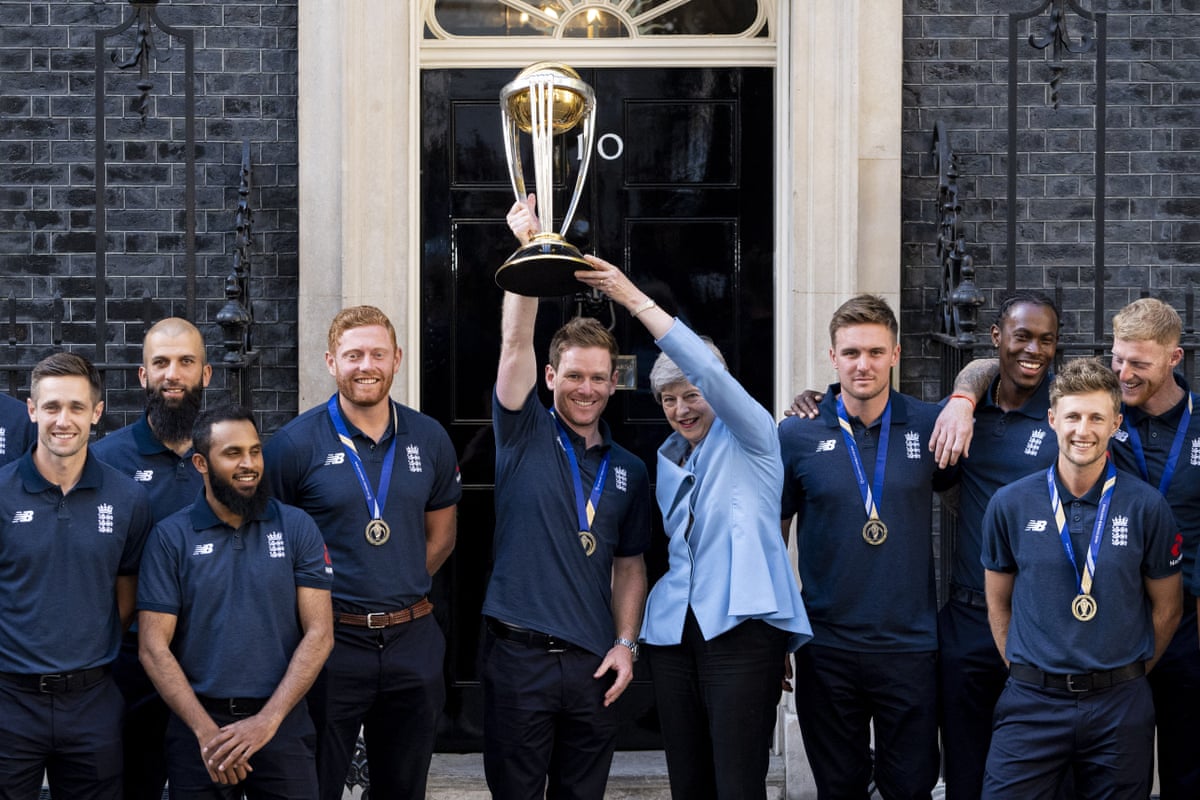
The Downing Street staff proved remarkably welcoming, showing little concern about the team's exuberance and providing additional alcohol at a reception in the No 10 garden. Somehow, despite his condition, Plunkett managed to hold a conversation with Prime Minister Theresa May. What they discussed remained unclear, though May announced her resignation two weeks later.
Back at the Landmark hotel around 10pm, tension emerged. A midnight curfew remained in place, making any venture into town pointless unless lifted. Ashley Giles, the director of cricket since the previous year, refused to relax the restriction. Some players reacted strongly, particularly since Giles himself had participated in the legendary 2005 Ashes celebrations. The ECB appeared overly cautious about potential complications. The squad settled into the hotel bar feeling aggrieved, confined to the same surroundings as the previous night when exploring fresh locations seemed appropriate for a World Cup-winning team.
Woakes captured the frustration succinctly:
We had won a World Cup, for heaven's sake – if you can't milk it then, when can you?Like the absence of a public parade, the curfew felt unnecessarily restrictive for a team that had delivered England's first men's World Cup victory.
About the memoir and Woakes's career
Woakes's memoir The Wizard represents a comprehensive reflection on his international cricket journey. The 400-page book carries ISBN 9780241849125 and offers detailed accounts of his experiences throughout his career. Woakes played 62 Tests for England and won two white-ball World Cups, establishing himself as a significant figure in English cricket across multiple formats.
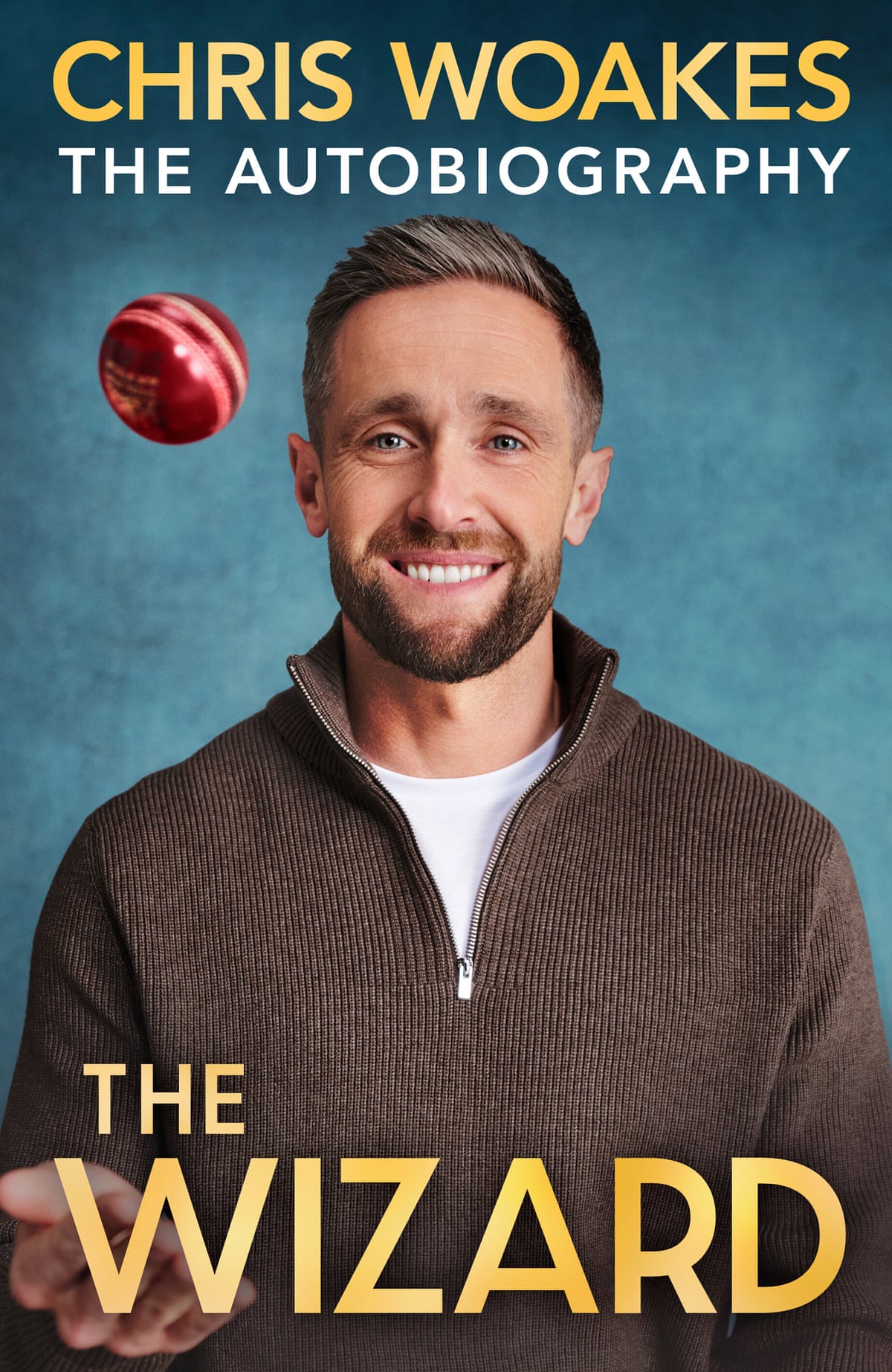
Woakes retired from international cricket in summer 2025, after a 14-year career, bringing an end to a period that saw him contribute to England's transformation under Morgan's leadership and beyond.
What happens next
The Wizard is scheduled for publication on 22 October 2026. Woakes is also scheduled to discuss his career and memoir at an event in Manchester on 20 October 2026, offering supporters the opportunity to hear directly from him about the experiences documented in the book.