

Retired Royal Air Force pilot Andy Green, 64, has recorded a new speed milestone for hydrogen-powered vehicles, reaching 406mph (654km/h) at the Bonneville Salt Flats in Utah. The figure was calculated as the average of two runs in a car fitted with two hydrogen internal combustion engines producing a combined 1,600 brake horsepower. The result more than doubles the previous hydrogen combustion benchmark of 185.5mph, which had stood since 2004.
Green is already known in motorsport circles as the only person to have broken the sound barrier on land. In 1997 he piloted the jet-powered ThrustSSC across Nevada's Black Rock Desert, and according to Wikipedia's entry on ThrustSSC, that run was officially recorded at 763.035mph (1,227.985km/h) and was subsequently homologated by the sport's governing body as the first land vehicle to exceed the speed of sound.
How does this compare with his earlier records?
Twenty years before this hydrogen run, Green set a world record for a diesel-powered vehicle in the JCB Dieselmax, also at Bonneville. The original figure was reported as just over 350mph (563km/h), though a biographical entry on Green lists the precise figure as 350.092mph (563.418km/h). That diesel record gave JCB the benchmark it hoped to beat with hydrogen power two decades later.
Was the record confirmed at the time of the run?
Not immediately. According to a wire report carried by ABC News, the 406mph figure was still awaiting formal ratification by the Fédération Internationale de l'Automobile, since the car had at that stage only achieved a practice top speed rather than a certified record run. The same report noted that Green had already reached 368.347mph (592.797km/h) in a practice session the previous week, setting a new performance benchmark ahead of the official attempt.

What did those involved say?
Green described the achievement as the product of years of collaborative engineering work.
"Setting a world land speed record with hydrogen power, 20 years after Dieselmax, is a huge privilege. This record is a huge achievement by a world class team and superb technology," Green said.
He had previously said that his wife's encouragement played a decisive role in his decision to take on the challenge after receiving a call from JCB chairman Lord Anthony Bamford. Bamford himself framed the run as a continuation of the company's engineering legacy.
"Twenty years ago we came to Bonneville with JCB Dieselmax and showed what British engineering could do with diesel power. Today we have done it again - this time with engines powered by hydrogen," Lord Anthony said.
How was the car developed?
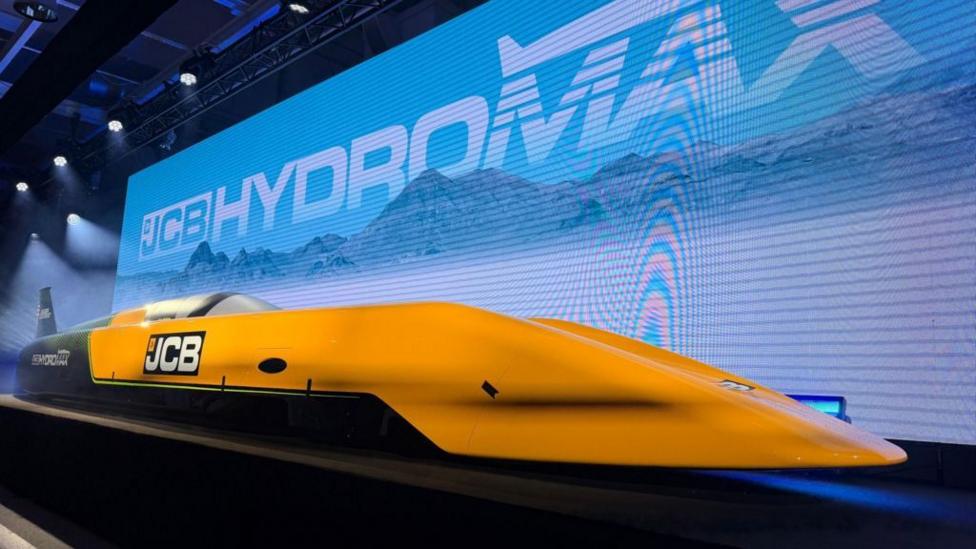
JCB built the Hydromax specifically to pursue a new hydrogen land speed record, unveiling the vehicle at the company's global headquarters in May 2026. Ahead of the Utah attempt, the car reached 208mph (335km/h) during testing at RAF Wittering in Cambridgeshire, giving engineers an early indication of its performance before the Bonneville runs.
The record attempt follows a broader tradition of British land speed engineering. Earlier this year, enthusiasts marked the centenary of Babs, the car driven by JG Parry-Thomas to a land speed record at Pendine Sands in 1926, an event that drew family members and fans celebrating a century of British record-breaking on land.
What happens next?
The next formal step is ratification of the 406mph figure by the Fédération Internationale de l'Automobile, the body responsible for certifying land speed records, according to the ABC News report. Until that confirmation is granted, the run will continue to be treated as a pending rather than an officially sanctioned record.
- Andy Green, 64, recorded an average speed of 406mph (654km/h) at Bonneville Salt Flats in a hydrogen-powered car.
- The car used two hydrogen internal combustion engines with a combined 1,600 brake horsepower.
- The figure more than doubled the previous hydrogen combustion record of 185.5mph, set in 2004.
- Green previously reached 368.347mph in practice runs before the official attempt, according to ABC News.
- Formal ratification of the record by the FIA was still pending at the time of reporting.


