

Historic Return of Babs to Pendine Sands
The racing car known as Babs, renowned for breaking the land speed record, has returned to Carmarthenshire to commemorate its 100th anniversary.
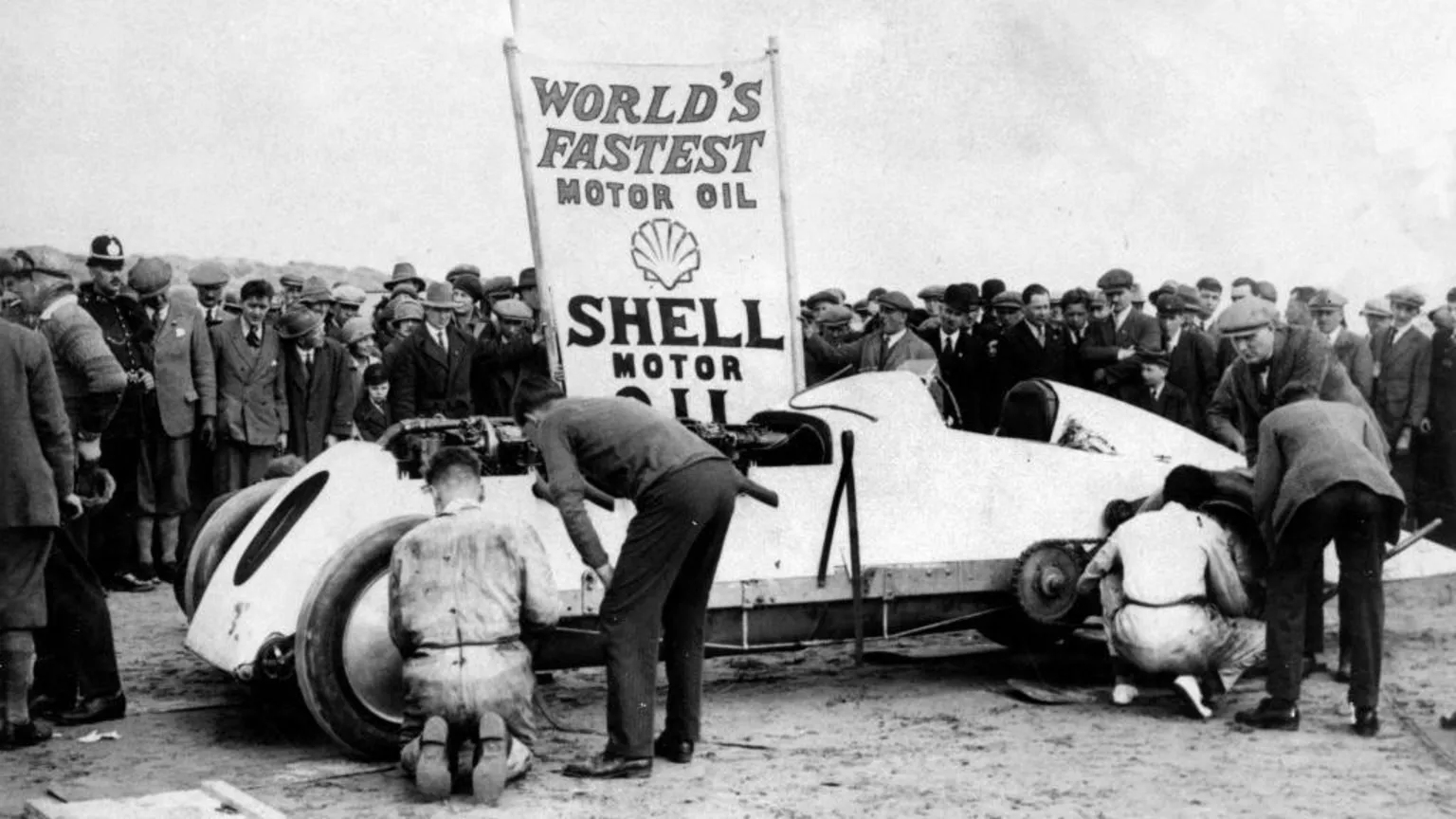
Babs achieved a world record on the sands of Pendine a century ago, driven by Welsh racing driver JG Parry-Thomas.
In April 1926, Parry-Thomas reached an average speed of 170 mph (273 km/h), surpassing records previously set at Southport by Henry Segrave the month before and Malcolm Campbell at Pendine in 1925.
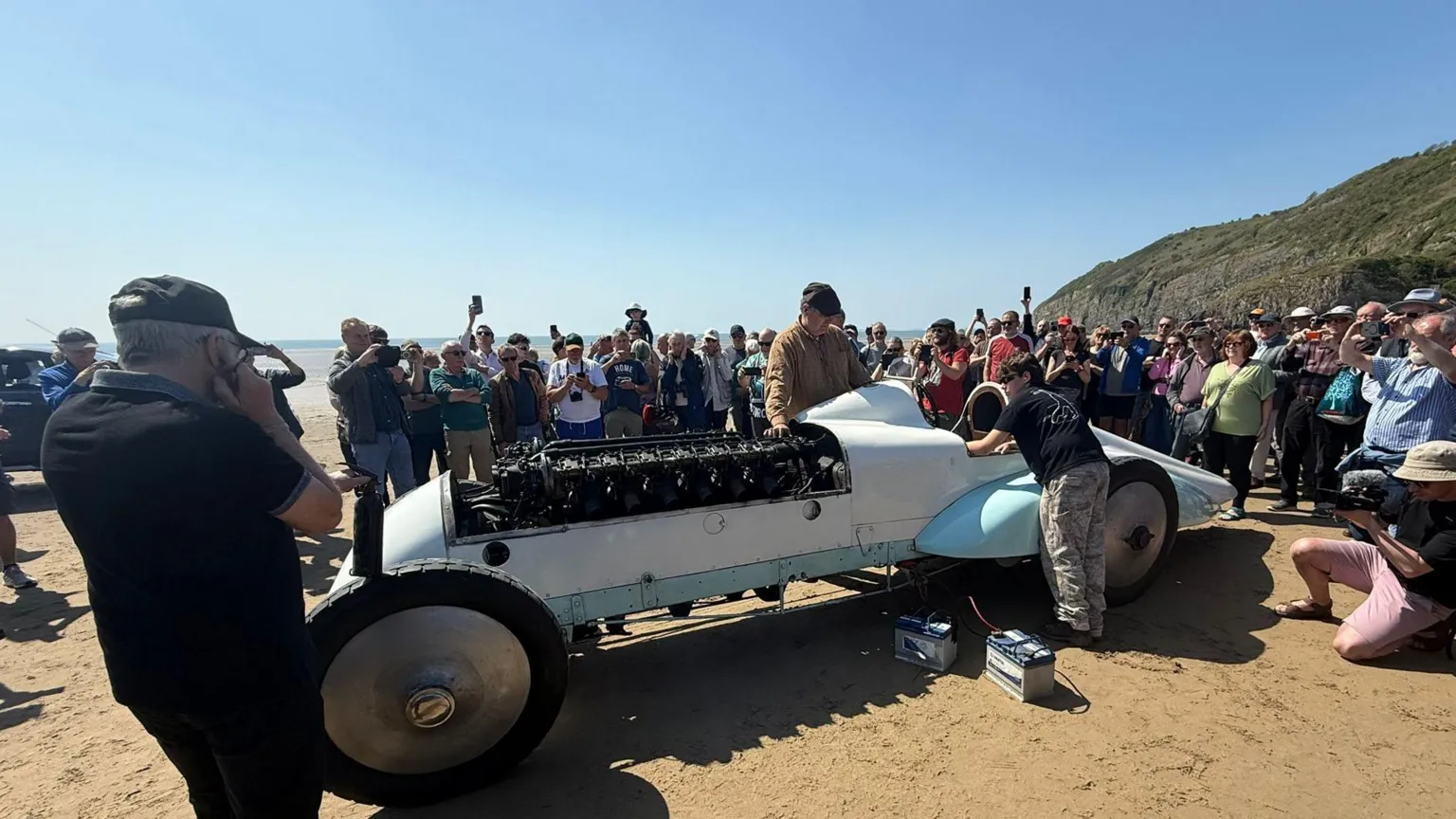
On Monday, over 2,000 spectators gathered at Pendine to witness Babs, including several members of Parry-Thomas's family.
Pendine Sands and the Land Speed Record Legacy
During the 1920s, Pendine Sands gained prominence in the history of the World Land Speed record as one of the few locations where such high speeds could be safely attempted.
Malcolm Campbell set a record there in 1925 by reaching 150 mph (241 km/h), which was then surpassed by Henry Segrave with 152 mph (244 km/h) in March 1926.
The following month, Parry-Thomas became the first driver to exceed the 170 mph threshold.
With two runs along the beach, Babs—a 27-litre, aero-engined vehicle—achieved speeds of 169.30 mph (271 km/h) and 171.02 mph (275 km/h), breaking the existing record.

The record stood until January 1927, when Campbell recorded a speed just under 175 mph (281 km/h).
Parry-Thomas made an attempt to reclaim the record two months later but tragically died when Babs rolled at high speed.
Recognition and Family Reflections
Parry-Thomas's family received an award as he was inducted into the Welsh Sports Hall of Fame's Roll of Honour.
"It's emotional to see the car today, to think that he did this 100 years ago and lost his life in his second attempt a year later. It's wonderful to see [that] everyone thinks he's the number one race driver for Wales."
These words were spoken by relative Liz Lewis, expressing the significance of the recognition.
Personal Memories and Historical Significance
Emma Parry Clements, Parry-Thomas's great niece, shared that stories about her great uncle were often recounted during family tea times.
"It's amazing to see this turnout and him honoured in this way," she said. "It was a part of history but I feel a part of it today standing here."
Recovery and Restoration of Babs
After the fatal accident, Babs was buried in the dunes, remaining there for 42 years until its recovery in 1969. The car underwent a 16-year restoration process.
Racing engineer Owen Wyn Owens conducted the restoration at his garage in Capel Curig. Since then, Babs has been displayed at the Pendine Museum of Speed.
Owen Wyn Owens's son, Geraint Owen, drove Babs for two laps along the beach earlier during the centenary event.
"It was just an idea he had to dig the car up because [Parry-Thomas] didn't have the same recognition as Malcolm Campbell and my father wanted to change that," Geraint Owen added.


