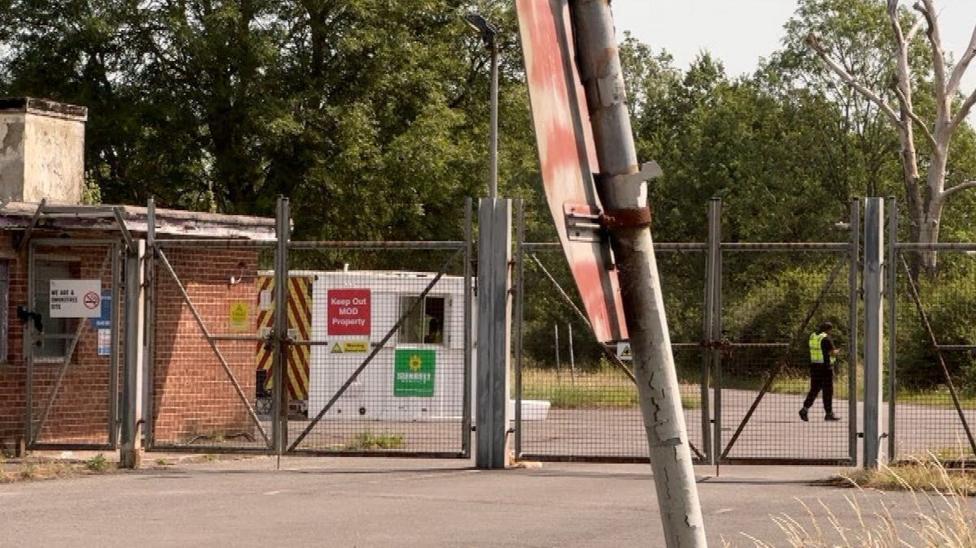
Cerys and Patrick embody a generational divide reshaping Welsh politics. Both are young, Welsh, and deeply engaged with political questions, yet they hold fundamentally opposing views on whether Wales should pursue independence or remain part of the United Kingdom.
According to BBC News, the conversation around Welsh independence "has become normalised" amongst younger people, according to leading academics. This week, the Plaid Cymru Welsh government established a new body to examine the case for Welsh independence alongside options for enhanced devolution to Cardiff Bay.
Patrick, a 20-year-old student from Newport, believes Wales would be better served by remaining in the UK while securing greater devolved powers. Cerys, a 35-year-old from Bridgend, contends that independence would unlock greater opportunities for Welsh people. Their contrasting perspectives reflect a broader demographic shift in Welsh politics.
What is driving younger Welsh voters towards independence?
A Survation poll commissioned by the pro-independence group YesCymru found that people under 35 in Wales expressed notably stronger support for independence than their older counterparts. The survey of 1,023 Welsh residents aged 16 and over conducted from 13–24 August 2026 revealed significant generational differences in constitutional preferences.
Patrick articulated the frustrations animating younger voters. "People feel left behind, especially my age," he said, acknowledging that many of his peers are "energised and enthusiastic" about independence due to concerns including "student loans, the cost of living, the geopolitical scene". Yet despite understanding these pressures, he remains unconvinced. "As of right now, I just do not think there is a case for it," he stated, citing unanswered practical questions such as whether a border would exist between Wales and England.
Cerys's journey towards independence advocacy followed a different path. Learning Welsh as an adult and deepening her historical knowledge prompted a "realisation" that Wales "in reality deserved a lot better than we had been given in the past and in the present". She emphasised that
"I think if we were independent, we could offer people more opportunity here."
Cerys has focused particularly on devolved powers over policing and justice, currently controlled by Westminster.
"People seem to be kind of dangling the carrot of more devolution and never actually giving it to us,"she said, expressing scepticism that Westminster would deliver on promises of enhanced powers.
"More powers would be great but I will believe in those powers when I see them and until then, I think our best option is independence."

How has Welsh politics changed since the 2026 election?
The May 2026 Senedd election marked a significant turning point. Nationalist party Plaid Cymru formed a Welsh government for the first time, winning 46 seats. While the party has not called for an independence referendum, its constitution states: "As the National Party of Wales, the party's aims shall be: to secure independence for Wales in Europe."
Pro-union party Reform UK emerged as the second-largest force in the Senedd after winning 34 seats. The National Commission for Wales, established by Plaid Cymru, will examine three constitutional options: independence, enhanced devolution and a federal UK. The commission's co-chairs are Dame Menna Rawlings, a former British ambassador, and Professor Emyr Lewis, a constitutional law expert, with the body set to cost approximately £500,000 annually.
Reform UK's Welsh leader Helen Jenner strongly opposed the commission's establishment, saying voters "do not want to see Wales ripped out of the United Kingdom" and dismissing the inquiry as "ridiculous".
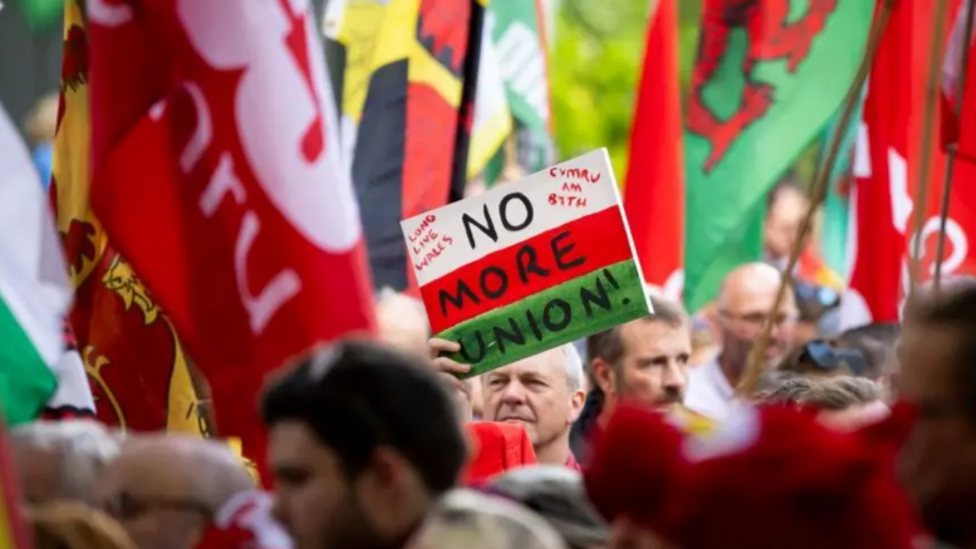
What do academics say about the independence debate?
Prof Laura McAllister from Cardiff University's Welsh Governance Centre emphasised the significance of generational attitudes.
"It's staggeringly important that young people are a majority in favour of independence. They see nothing strange or impossible about Wales becoming independent in the future."
McAllister highlighted a stark generational divide, noting "great scepticism" among people aged over 65 and describing a "real demographic schism". She stressed that
"There's going to need to be something much closer to support at least half the population supporting independence before there is any chance of a referendum being won."
McAllister cautioned against complacency about the union's future, arguing that
"the concept of the United Kingdom has no God-given right to survive in its current form"and that
"What we've seen in politics in recent times is that the potential for change is intrinsic to everything that happened."In 2024, McAllister co-chaired a commission which concluded Wales leaving the United Kingdom is a "viable" option.
Dr Jac Larner, a pollster and political analyst from Cardiff University, drew comparisons to Scotland's political trajectory.
"In some ways the situation here looks similar to Scotland in 2007,"he observed, referencing when the Scottish National Party first took power. However, Larner identified crucial differences:
"What's different here [in Wales] is that we still have a lot more hostility to the idea of devolution. You have about a third who want to get rid of the devolution altogether, maybe just less than a third who want independence."

What is the Welsh government's position on independence?
First Minister Rhun ap Iorwerth expressed his personal commitment to independence while acknowledging current political realities.
"I have a vision for Wales, I support an independent Wales."He framed independence in terms of practical outcomes:
"It's about improving a lot for the people of Wales, tackling injustices, tackling unfairness, tackling inequalities, creating prosperity."He added:
"In the here and now, I deal with those issues dealing with the UK prime minister."
In October, ap Iorwerth met with Prime Minister Andy Burnham in Glasgow for the National Economic Council, where devolution and funding were discussed. Ap Iorwerth reported that Burnham demonstrated "a new understanding of the injustice of rail expenditure in Wales" and acknowledged that this issue "hasn't been given enough attention politically by UK governments in the past".
However, ap Iorwerth expressed frustration with the 2026 Autumn Budget allocation, telling BBC Wales there were "paltry sums of money coming on rail, when they've said there's £14bn on the way" and a "real terms cut in the money we have to spend on public services".
What is the UK government's response?
A UK government spokesman reaffirmed Westminster's position on the constitutional question. The statement said:
"The prime minister passionately believes in our union and is optimistic about the future of the United Kingdom. Our position on referendums is clear - the prime minister is focused on practical solutions to help people with the cost of living and make a positive difference in people's everyday lives, not constitutional questions. Through the convening power of No10 North, the prime minister will build a constructive working relationship with each devolved government to explore how we can together contribute to regional empowerment, reindustrialisation and achieving good growth in every postcode."
What happens next?
Plaid Cymru has ruled out an independence referendum during its current term, which ends in 2030, and the commission's reporting timeline has not been set. The establishment of the National Commission for Wales signals that the independence debate will remain central to Welsh politics in the coming years, even as immediate constitutional change appears unlikely.