Consultancy firms are marketing services to help migrants fabricate credentials as accomplished artists and technology specialists in order to submit fraudulent applications for the UK's Global Talent visa scheme, according to an undercover investigation by BBC News. The scheme, designed to attract exceptional talent from overseas, has become a target for organised deception involving counterfeit artwork, fabricated media coverage, and forged endorsements from respected critics.
Following the investigation's findings, the Home Office has begun revoking visas granted to two Nigerian nationals who presented themselves as fine art photographers but obtained their visas through fraudulent means. Officials have characterised the situation as "extremely serious" and confirmed that at least one company offering these services was already under investigation before the BBC's report.
The Global Talent visa, introduced in 2020, was established to recruit world-class scientists, researchers, and creative professionals. Successful applicants avoid the standard interview process, must demonstrate exceptional talent or promise in their field, and gain the ability to bring family members to the UK with a potential pathway to permanent residency within three to five years.
How are consultants helping migrants cheat the system?
Wealthy migrants seeking to exploit the scheme are being offered complete packages that include fabricated art portfolios, staged exhibitions, manufactured media reviews, and letters of recommendation—all for substantial fees. An undercover reporter posing as a prospective client was told by a consultant at a London-based firm that artwork could be produced in China and supplied to applicants, who would then present it as their own creations.
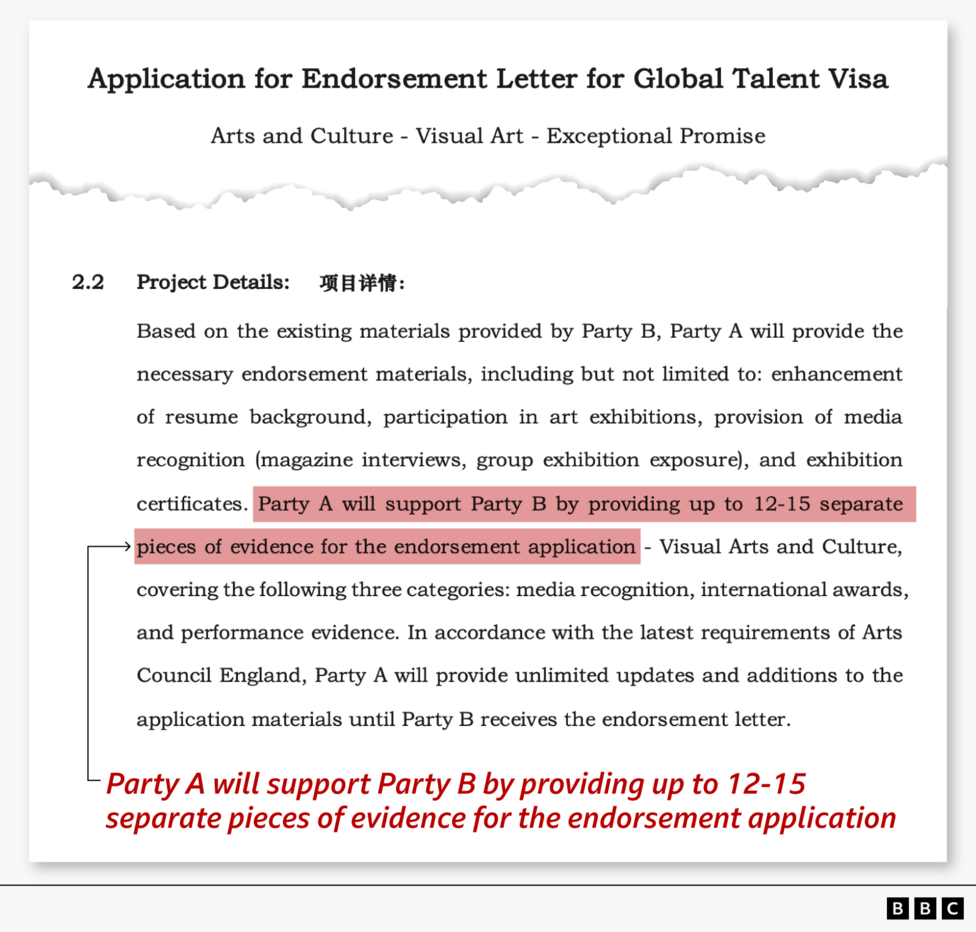
The consultant, who identified himself as Peter from iCareer Consultancy UK based in Canary Wharf, told the reporter that clients purchasing the "fully inclusive" package—priced at more than £100,000—had never been refused a Global Talent visa. He outlined a process in which the company would commission up to 15 artworks from Chinese artists at a cost of approximately 10,000 yuan (£1,120) for postage from Beijing to London. Fine art options included oil paintings, illustration, sculpture, installation, digital art, and photography.
To strengthen applications, Peter explained that iCareer would arrange exhibitions and media coverage reviewing the applicant's supposed work, with some information backdated to create the appearance of an established artistic career. He also described how the company could supply an employee to pose as the client and network at gallery openings, building a false professional history.
When the undercover reporter expressed concern about her lack of artistic background and inability to speak English, Peter dismissed these obstacles.
"It doesn't actually matter whether you're an artist… Our Global Talent visa service in the arts is fully inclusive, with guaranteed approval… We say we can do it even if you aren't an artist, because we include the artworks as well."He further noted that the Global Talent route was preferable because other immigration pathways carried "extremely high English language requirements."

What additional services were offered?
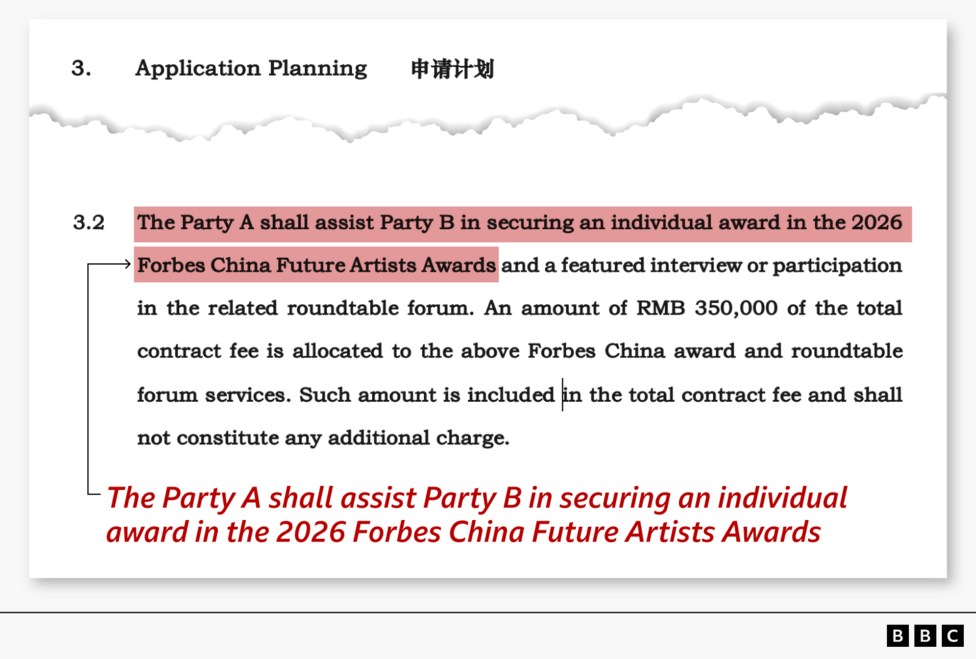
For an extra 250,000 yuan (approximately £28,000), Peter offered to help the reporter win a prestigious award in the Forbes China Future Artists Awards, which he said would significantly strengthen her visa application. Money would be refunded if she failed to win. The BBC confirmed with Forbes that the awards are genuine and that ADArt, iCareer Consultancy's sister company, is indeed a sponsor. Forbes stated that judging follows "high standards of Forbes globally" and is managed by the Forbes China editorial team with assistance from professional judges.
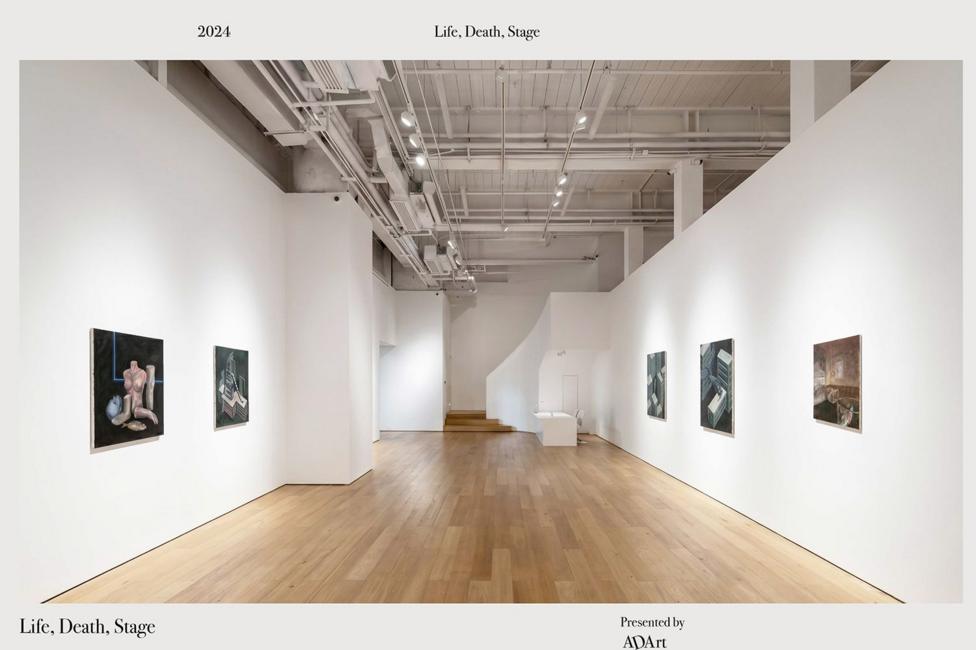
Peter also proposed that the reporter undertake "work experience… online or in person," though when she asked how this was feasible given her lack of English proficiency, he responded that one of his colleagues could perform the work on her behalf and also impersonate her at gallery openings.
"Officials administering the visas don't look at photographs,"he claimed.
The entire process would require a minimum of two years, meaning the application would not be ready until the end of 2028 or early 2029. The full cost for the "fully inclusive" service was quoted as 880,000 yuan (approximately £98,000) payable in three stages, with an additional 20 per cent VAT if paid in sterling.
What did the contract reveal?
Peter provided the undercover reporter with a formal contract outlining how iCareer would supply "necessary endorsement materials" for a visa application. When asked whether there was any possibility the application might fail, Peter responded:
"There's no such possibility. We keep working for you until we get the result."He added that the reporter would receive a full refund if her application was rejected due to materials provided by iCareer.
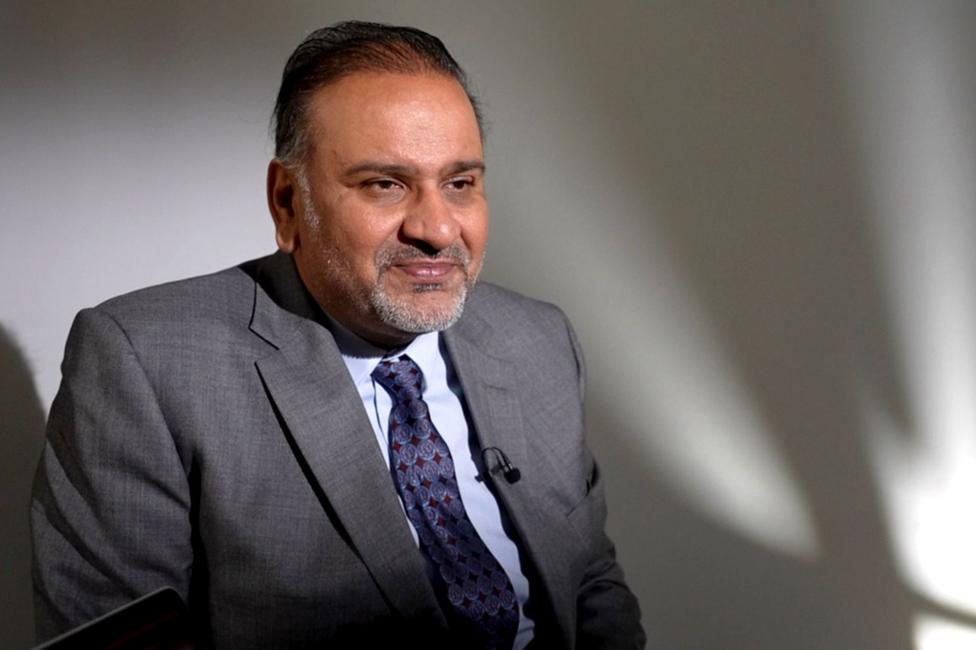
Immigration lawyer Harjap Singh Bhangal, who reviewed the BBC's findings, characterised the contract as
"a contract to break the law."He explained that the scheme amounted to "sophisticated fraud" designed to "attempt to defraud the Home Office and convince them, and an endorser, that I'm a genuine person, a genuine artist."
How did the fraud come to light?
The investigation into iCareer began following a tip-off received after the BBC's earlier reporting on fraudulent asylum claims. That previous investigation had exposed how law firms and immigration advisers were helping migrants falsely claim to be gay in order to obtain asylum protection. The current inquiry into Global Talent visa fraud emerged from similar patterns of organised deception within the immigration system.
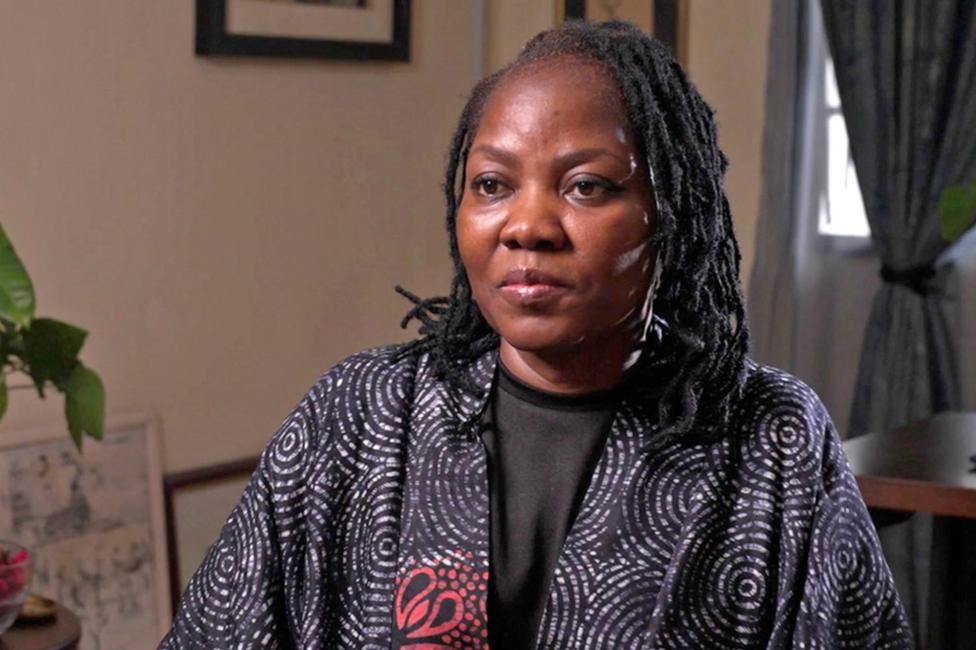
The two Nigerian men whose visas have now been revoked—Silva Ndifon and Adanu Emmanuel Okoko—claimed to be fine art photographers. Their deception was uncovered when art critic Molara Wood discovered articles reviewing their work published in the Nigerian Tribune under her byline, despite the fact that she had not written them.
Wood told the BBC that her name had been attached to online reviews praising the work of two obscure artists.
"There is a real problem whereupon fake articles are being implanted onto newspaper websites using bylines of reputable culture journalists,"she said. The articles were subsequently removed after Wood alerted the Tribune's editors.
The Tribune confirmed it had identified a staff member who had posted the articles without authorisation. That employee admitted that an individual outside the organisation had supplied the articles but denied being paid for doing so. Wood characterised both the criticism attributed to her and the artworks themselves as poor quality.
"It is writing that I would not want associated with me. The images were not worthy of comment."
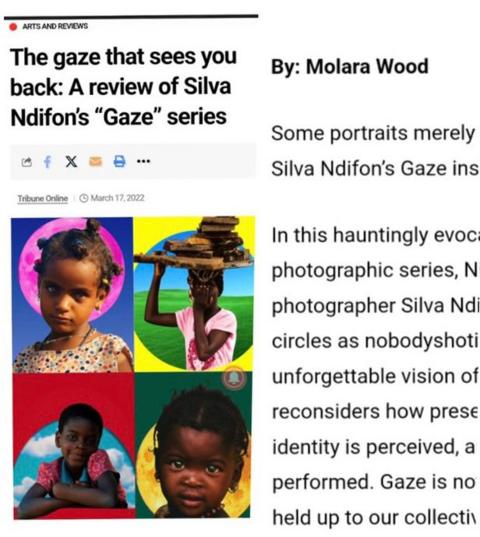
Other critics have reported similar experiences, with their bylines appearing on articles they did not write. Artists applying for Global Talent visas are required to provide at least two examples of recent press coverage reviewing or profiling their work, making fabricated media coverage a critical component of fraudulent applications.
While one of the two men maintains an online portfolio, it does not feature the fine art photography described in the article Wood did not write. The other appears to have little connection to photography or any other artistic field beyond the fraudulent article. Both men are believed to be living in the UK, and neither responded to the BBC's requests for comment. Following contact from the BBC, the Home Office began the process of revoking their visas.
What happened when confronted?
When the BBC contacted Peter to confront him about the claims made to the undercover reporter, he denied being willing to help people pose as artists or commission artwork.
"We are not doing anything wrong or illegal, all of our artists are real artists,"he stated.
iCareer subsequently responded through its legal representatives, claiming that Peter's employment had ended in early October, shortly before he met with the undercover reporter. The company strongly denied "offering any visa services whatsoever" and stated that
"The meeting described by the BBC was not authorised by iCareer."It added that the company did not endorse the representations or purported services attributed to Peter.
iCareer said it had been unaware that Peter and another employee had made social media posts promoting these services and would conduct an investigation. The company noted that ADArt, which shares the same owner as iCareer and was described by Peter as another division within the group, "signs artists and helps them curate exhibitions and develop professional relationships."
Peter remained listed as an employee on iCareer's website and on his own LinkedIn profile until the BBC made contact with the company, which iCareer described as an oversight. The undercover meeting took place in the same Canary Wharf building where both iCareer and ADArt maintain offices in a co-working space. Peter also provided an iCareer brochure and sent a contract bearing a corporate iCareer email contact address.
How widespread is the problem?
The Home Office described the BBC's findings as "extremely serious" and confirmed that the company offering the £100,000 package was already under investigation. A spokesperson stated that officials "will not tolerate anyone cheating the UK immigration system" and noted that the Global Talent route was undergoing review, with the home secretary prepared to "take whatever action is needed to stop it being abused."
The Global Talent visa scheme has expanded significantly in recent years. Approximately 6,600 visas were granted in 2025, with applications in the arts and culture category nearly doubling between 2023 and 2025. Applications must be approved by the relevant endorsing body—for arts and culture, this is Arts Council England, which endorsed just under half of the nearly 3,500 applications it received in the previous year.
According to the Royal Academy of Engineering, Global Talent applicants generally require endorsement from a relevant body; arts and culture applications are directed to Arts Council England, while digital technology applications go to Tech Nation. The only pathway to bypass this endorsement requirement is if applicants have won a major award—in film and television, for example, the award must be an Oscar, Bafta, or Golden Globe in one of the main categories.
Arts Council England told the BBC that it took allegations of fraud seriously and investigated cases where evidence was "suggested to have been misleading or fraudulent." According to Home Office guidance from November 2026, an endorsement can be withdrawn; the endorsing body must notify the Global Talent caseworking team, which records the information for monitoring purposes.
What about other fraud routes?
A woman from India who attempted to obtain a talent visa through the technology route reported that a company she engaged had fabricated evidence for her application, including a made-up mentoring award and material falsely suggesting she had been a speaker at an event. Her application was ultimately rejected.
Immigration lawyer Harjap Singh Bhangal expressed confidence that some fraudulent claims would succeed despite detection efforts. The scheme represents part of a broader pattern of organised immigration fraud that the BBC has documented in recent investigations, including cases where law firms and advisers have helped migrants fabricate asylum claims based on false allegations of persecution.
Although the Global Talent visa was introduced by the Conservative government, it has been enthusiastically championed by the current Labour administration, even as the government has tightened rules elsewhere in an effort to reduce net migration. The scheme's expansion and the emergence of organised fraud networks exploiting it highlight tensions between attracting international talent and preventing abuse of the immigration system.