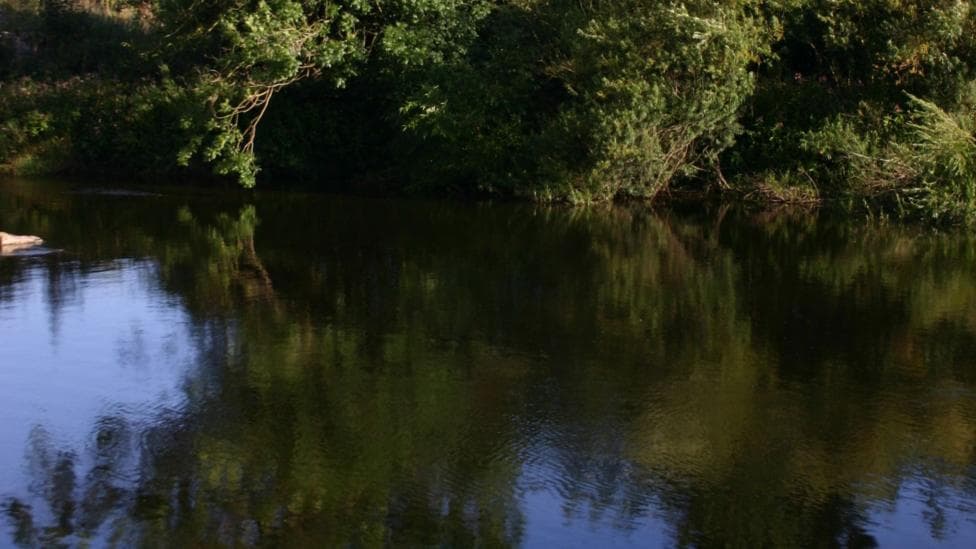
Yorkshire Water has acknowledged that a £1.5 million investment intended to curb storm overflow discharges into the River Ure in Ripon has underperformed significantly against its original targets.
When the company announced the scheme in 2024, it projected a 75% reduction in overflow events at the Clock Tower combined sewer overflow (CSO) near the Ripon by-pass bridge. However, recorded discharges from that site fell from 75 in 2021 to 43 in 2025—a reduction of approximately 43%, less than two-thirds of the promised improvement.
The company characterised the outcome as disappointing but attributed part of the shortfall to weather patterns. A Yorkshire Water spokesperson noted that 2025 was unusually dry, which would have naturally suppressed overflow events regardless of infrastructure improvements.
"As such, whilst there has been a reduction, the scheme did not perform as expected, which is disappointing."
How do combined sewer overflows work?
Combined sewer overflows function as pressure-relief mechanisms on sewer networks that transport both wastewater and rainwater together. During intense rainfall, they discharge excess flow into nearby watercourses to prevent sewers from becoming dangerously overloaded and backing up into homes, businesses and streets. The Environment Agency permits such discharges under specified conditions.
What does the broader data show?
Environment Agency figures offer a wider perspective on overflow activity across the River Ure catchment. According to reporting from March 2026, discharge duration from sites in Ripon, Masham and Sharow into the River Ure fell from 1,665 hours in 2024 to 643 hours in 2025, though the report noted that unusually dry weather partly explained the decline.
The Ripon project itself involved constructing 955 metres of new surface-water sewer across Red Hills Road, Springfield Close, Kings Mead and Palace Road to divert rainfall away from the combined sewer system. A 2025 River Ure water-quality assessment indicated that 17 storm overflows along the river were scheduled for upgrades during the 2025–30 investment period, with eight already upgraded in the preceding five years.
What pollution concerns have been raised?
Recent testing by campaign group Stop Ure Pollution and the Yorkshire Dales Rivers Trust has raised alarm about bacterial contamination and other pollutants in the river. According to Stop Ure Pollution's weekly monitoring from June 2025 to June 2026, 88.2% of samples collected at Aysgarth Falls fell into its "High Risk" category, with only 2.9% indicating low risk.
Green Party councillor Andy Brown, representing the Skipton and Ripon branch of the North Yorkshire Green Party, described the sewage discharges as
"deeply disgusting"and characterised the latest testing results as
"far from reassuring."The party has submitted an Environmental Information Regulations request seeking details from Yorkshire Water about the Clock Tower scheme's performance and changes in discharge patterns following 2025 work.
What action are local representatives taking?
Ripon City Council and campaign organisations have intensified pressure on Yorkshire Water to improve river protection. According to reports from September 2026, Ripon City Council was due to consider a motion calling on Yorkshire Water to cease discharging sewage into local rivers and inviting chief executive Nicola Shaw to a future meeting to discuss the issue.
Councillor Brown stated that campaigners and organisations would continue pressing for improvements.
"Yorkshire Water must play its part. It must act, and it must deliver the facts – straight-up and undiluted."
What are Yorkshire Water's next steps?
Yorkshire Water confirmed it is investigating further projects in Ripon as part of a broader £1.5 billion investment programme aimed at reducing reliance on storm overflows. The company acknowledged the scale of remaining work needed.
"We know there is much more to do to protect local watercourses,"a spokesperson said.
Stop Ure Pollution has committed to continuing its weekly monitoring programme throughout 2026 and will publish further data and analysis as results become available, providing an independent check on water quality improvements in the coming months.
Key Facts
- The £1.5 million Ripon scheme achieved a 43% reduction in Clock Tower CSO discharges, falling short of the promised 75% improvement
- Stop Ure Pollution's testing found 88.2% of River Ure samples in the "High Risk" pollution category between June 2025 and June 2026
- Environment Agency data showed discharge duration across Ripon, Masham and Sharow sites fell from 1,665 hours in 2024 to 643 hours in 2025, partly due to dry weather
- Yorkshire Water is investigating additional projects in Ripon as part of a £1.5 billion wider investment to reduce storm overflow use
- Ripon City Council has called for Yorkshire Water's chief executive to address the ongoing sewage discharge issue