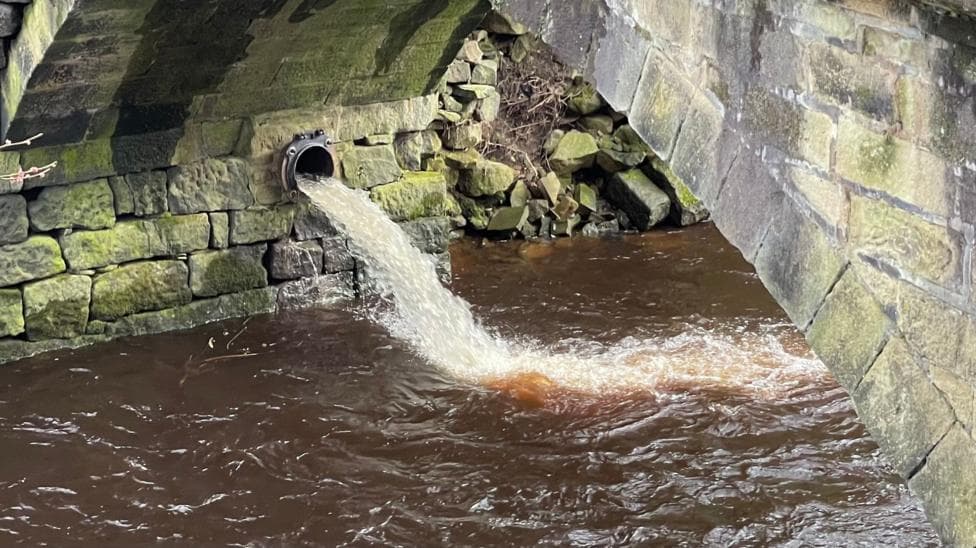
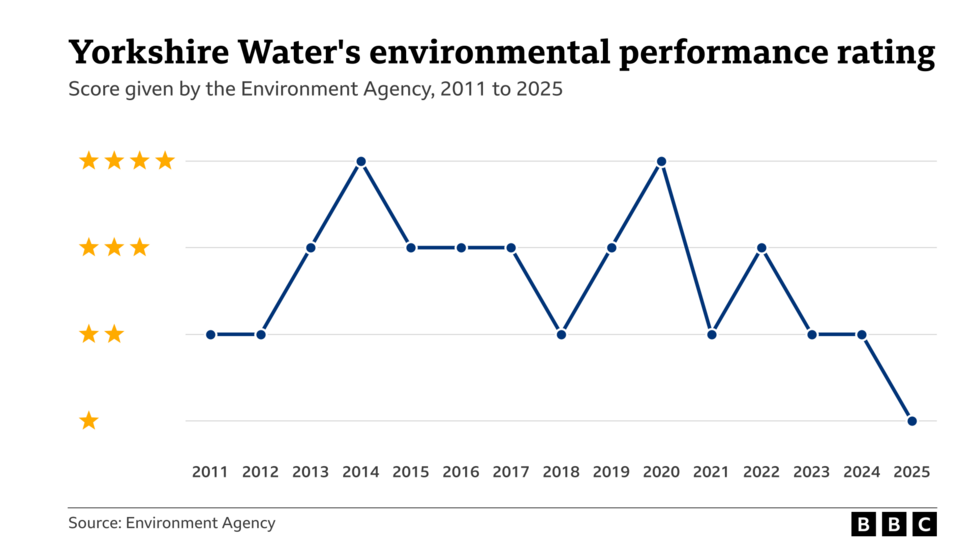
Yorkshire Water is being downgraded to the lowest possible environmental rating by the Environment Agency following a dramatic increase in pollution incidents across its network. The regulator will formally reduce the company's grade from two stars out of four to one star, placing it in the category of "poor performing company" for environmental impact. According to BBC News, the company serves 2.4 million homes across the region and has acknowledged that its environmental performance falls short of required standards.
The Environment Agency's annual Environmental Performance Assessment evaluates England's nine water and sewerage companies primarily on the frequency of pollution incidents affecting rivers, streams and coastal waters. The EA's 2025 assessment confirms Yorkshire Water received one star, marking its first lowest rating since the assessment began in 2011. This represents a significant reversal from 2020, when the company achieved the top rating of four stars and was described as "industry leading."
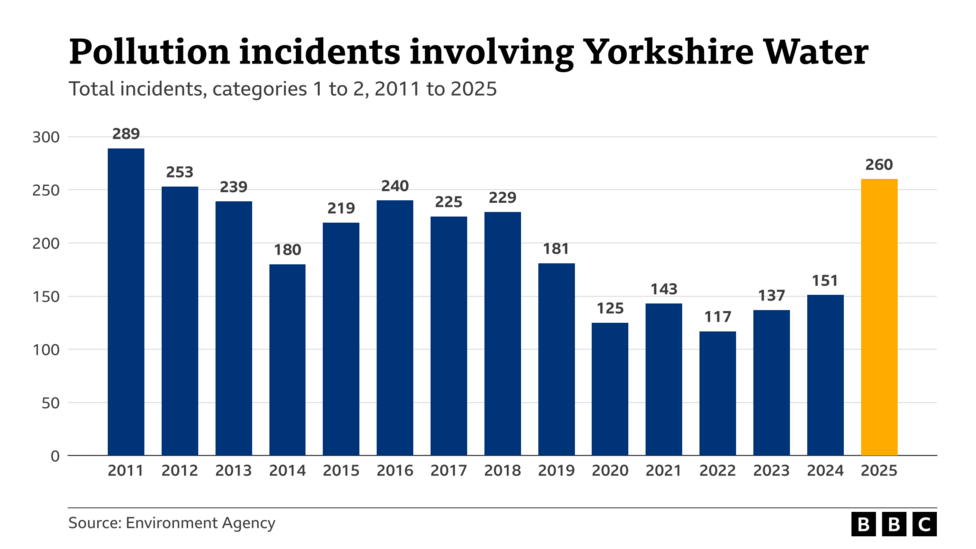
The scale of the deterioration is evident in the pollution data. Yorkshire Water recorded 260 pollution incidents in 2025, compared with 151 in 2024—a rise exceeding 70% and the highest annual total since 2011. The company's March 2026 pollution plan reports 339 pollution incidents in 2025 when including additional categories, with 11 serious incidents recorded and two further serious cases still under review. The company also failed to complete six legally required environmental schemes in west Leeds within the scheduled timeframe.
The broader water industry is facing similar pressures. The EA rated four of England's nine water and sewerage companies one star in 2025, with the sector's combined score of 16 stars representing its lowest in the assessment period. This systemic challenge reflects mounting pressure on water infrastructure across the country.
What is driving the pollution increase?
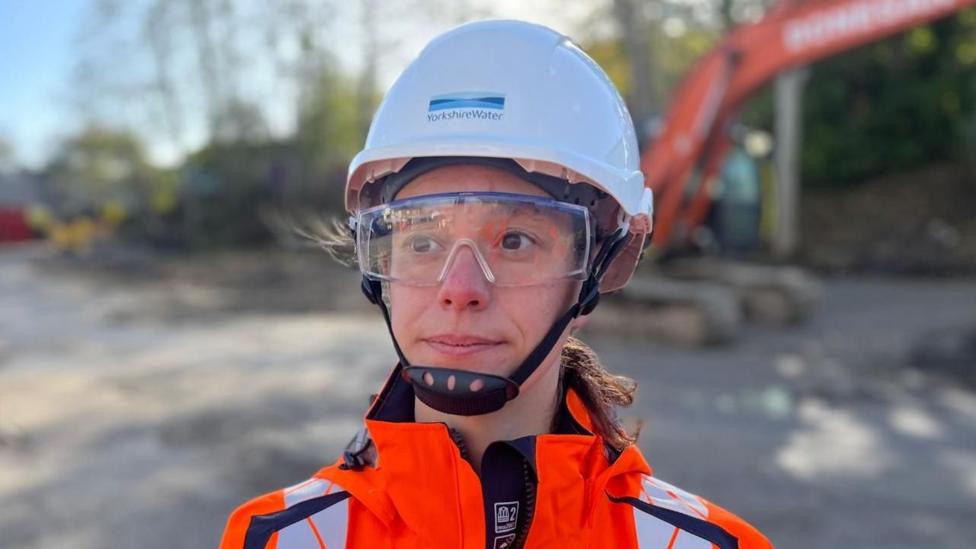
Stephanie Pullan, Yorkshire Water's Director of Asset Management, acknowledged the severity of the situation.
Our pollution performance isn't where it needs to be, and we haven't delivered on time six of our Water Industry National Environment Programme schemes.The company attributed some of the deterioration to operational challenges and infrastructure limitations. Yorkshire Water's own analysis cited prolonged drought and extreme weather as contributing factors that left smaller rivers and streams with insufficient water to dilute wastewater discharges, exacerbating the impact of pollution releases.
The company's performance metrics reveal additional shortcomings. Yorkshire Water's 2025–26 performance report indicates the company missed its target of fewer than 25 category 1–3 pollution incidents per 10,000 kilometres of sewer and failed to achieve its target of zero serious pollution incidents. The company ranked 17th out of 17 water companies on its service metric during the first year of its current five-year investment cycle.
How much is the company investing to improve?
Yorkshire Water has committed to spending £8.3 billion between 2025 and 2030 to address environmental failures and upgrade infrastructure. Of this total, £1.5 billion is earmarked specifically for reducing discharges from storm overflows, which release diluted sewage into rivers during periods of heavy rainfall. The company reported that 300 schemes had been delivered across the region since April 2025, with £990 million invested in projects during the first year of the five-year plan.
When asked about the funding source for these improvements, Pullan stated that customers would bear the larger share of the financial burden. The company's latest annual report revealed that shareholders had contributed £500 million over the preceding five years to support the improvement programme and had committed a further £600 million by March 2027, but customer bills remain the primary funding mechanism.
How are customer bills being affected?
Households in Yorkshire have experienced substantial bill increases in recent years. Average bills rose by approximately 30 percent in April 2025 and increased by a further 5.6 percent in April 2026. When questioned about whether customers could understand their anger at funding improvements while experiencing service failures, Pullan acknowledged the frustration but emphasised that the bill structure was set in accordance with Ofwat, the Water Services Regulation Authority, to ensure delivery of the £8.3 billion investment programme.
What is the context of wider water industry challenges?
Yorkshire Water's environmental crisis occurs within a broader context of water sector difficulties. Only around one in seven of England's rivers, lakes and coastal waters are in good ecological condition, with no waterway passing a chemical pollution test, reflecting systemic environmental pressures across the country. Additionally, Yorkshire Water's £1.5 million scheme to reduce storm overflows into the River Ure achieved only 43 percent of its promised 75 percent reduction, with independent testing revealing high pollution levels in the river, demonstrating that even targeted investments have not consistently delivered promised improvements.
The company also faced drought conditions in 2026. Yorkshire entered official drought status after recording its fifth driest April-to-September period on record, with the Environment Agency citing low reservoir and river levels despite recent rainfall. These environmental pressures have compounded the challenges facing the company's operational performance.
What role has executive pay played in the controversy?
Yorkshire Water's environmental failures have coincided with scrutiny over executive compensation. Chief Executive Nicola Shaw, who took charge in 2022 when the company was rated three stars, received £732,000 from Yorkshire Water in the year to March 2026. Over the preceding three years, she also received three additional payments totalling £1.98 million from Kelda Holdings, the Jersey-registered parent company of the water firm.
The company stated that the Kelda payments were for separate work undertaken for the broader group and were funded by shareholders rather than customers. Ofwat, the industry regulator, determined that these payments were not performance-related compensation. Shaw has waived some bonuses in response to public criticism. In 2025, a group of local Labour MPs wrote to the company describing the additional payments as "disgraceful."
York Outer Labour MP Luke Charters drew attention to the environmental failures during parliamentary proceedings. He recounted witnessing "sewage pouring into the River Ouse whilst doing a BBC interview on pollution" and called for "stronger public control" of the region's water infrastructure. Prime Minister Andy Burnham responded by characterising the water industry as "a symbol of what has gone wrong."
What happens next for Yorkshire Water?
Yorkshire Water has outlined expectations for improvement over the coming years. The company anticipates that pollution incidents will decline and river health will improve by 2030, though it acknowledges that infrastructure improvements require substantial time to deliver measurable results. The company's pollution reduction plan includes training for 74 staff members in pollution response procedures during 2026, representing part of a broader operational improvement strategy.
The Environment Agency's one-star rating will intensify regulatory scrutiny and pressure on the company to demonstrate rapid progress. The downgrade represents the first time since the ratings system began in 2011 that Yorkshire Water has received the lowest possible grade, marking a dramatic decline from its position as an industry leader just six years earlier.