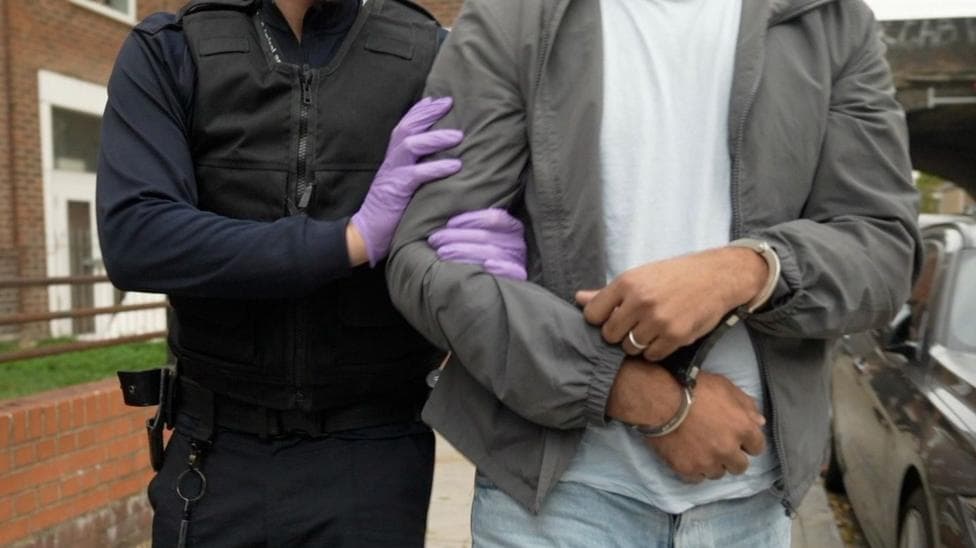
A woman who observed a senior male colleague viewing explicit images of women on his computer at the Department of Education has reached a settlement of £25,000 in her sexual harassment case. The Equality Commission for Northern Ireland supported her claim, and the settlement was reached without any admission of liability by the department.
The woman reported feeling distressed by the department's response to her complaint. When she raised the matter with human resources, she was offered the choice to either work from home or relocate to another office if she wished to avoid working near the colleague—a response she experienced as punitive rather than protective.
The Department of Education issued a statement acknowledging that it "acknowledged and regretted the upset and distress" caused to the woman throughout the process.
What did the woman witness?
The incident occurred in an open-plan office environment where the woman observed her colleague accessing material featuring women in various states of undress. According to the Equality Commission's confirmation, the images constituted pornography.
The woman described her reaction in stark terms:
"I felt shocked by what I witnessed while I was sitting at my workstation."She went on to characterise the material as wholly unsuitable for a workplace setting, stating:
"[The images] were of a sexual nature and totally inappropriate for the workplace. I felt annoyed and vulnerable, particularly as I was the only other person present."
She documented what she had seen by taking photographs as evidence. However, the human resources department instructed her to delete these images, citing data protection concerns—a decision that would later become a point of contention in her complaint.
How did management respond?
When the woman reported the incident to management, she was informed that the male colleague would not be relocated, would not have his internet access restricted, and would not be suspended while the investigation proceeded. This response prompted her to lodge formal complaints addressing both the colleague's conduct and the manner in which management had handled her report.
The woman's initial complaints were rejected, and a subsequent appeal also proved unsuccessful. The entire process extended from April 2024 until June 2025—a timeline she found unacceptably prolonged.
"I was extremely disappointed by how I was treated after making a complaint. I also believed the time it took for my complaints to be considered was unnecessarily long. It led me to believe that neither I nor my complaint were taken seriously by my employer."
According to reporting on the case, the woman had lodged her tribunal case in July 2024, with the Equality Commission beginning its support in September 2024.
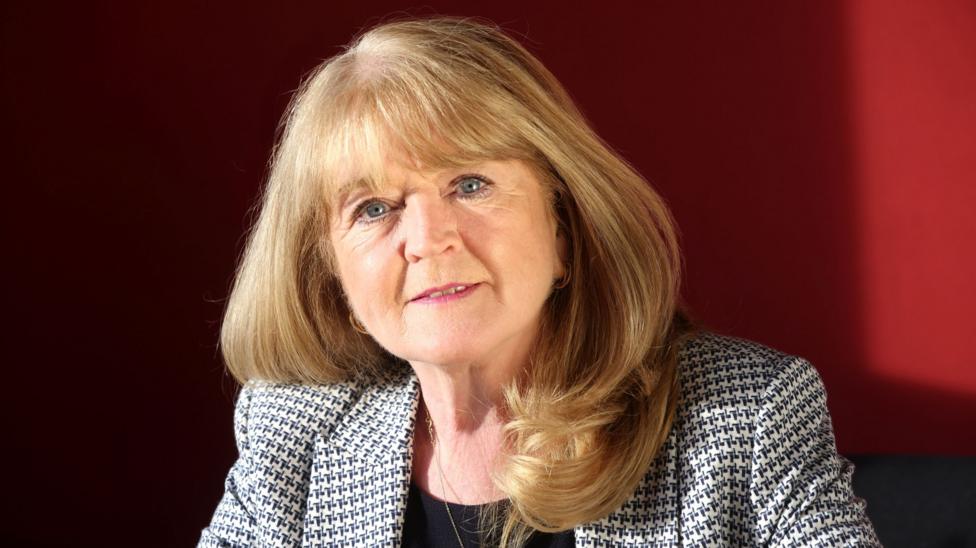
What did the Equality Commission say?
Geraldine McGahey, the chief commissioner of the Equality Commission for Northern Ireland, expressed serious concerns about both the original incident and the department's handling of it. Speaking on a radio programme, McGahey stated that she was
"shocked"by the nature of the complaint and
"equally shocked"by how the Department of Education had responded.
McGahey emphasised the importance of the woman retaining photographic evidence, noting that such documentation was crucial for demonstrating the impact of the wrongdoing. She criticised the decision to require the woman to relocate, arguing that this approach contradicted standard investigative practice:
"To ask this woman to move, she had done nothing wrong, that really goes against what you would expect [in] an investigation process. It's really important for the wellbeing of everyone else around a person or in that situation that they're protected and the person who is the perpetrator gets moved to another location."
McGahey concluded by expressing sympathy for the woman's experience:
"It's really unfortunate this poor woman was put through such a distressing time in trying to have her voice heard."
What is the Department of Education's position?
The Department of Education stated its commitment to maintaining the highest standards of equality and compliance with relevant legislation. A departmental spokesperson said the organisation was working with the Equality Commission and Northern Ireland Civil Service HR colleagues to address the issues raised.
According to the department's statement, it was taking a proactive approach to ensure that staff involved in internal processes received appropriate support and that acceptable standards of workplace behaviour were clearly communicated and understood across the organisation.
Key Facts
- The woman witnessed her colleague viewing explicit material in a shared office space and reported the incident to management
- She was instructed to delete photographic evidence she had taken, citing data protection concerns
- The department declined to move the colleague, restrict his internet access, or suspend him during the investigation
- Her formal complaints and subsequent appeal were both rejected, with the process lasting over a year
- The case was settled for £25,000 without admission of liability