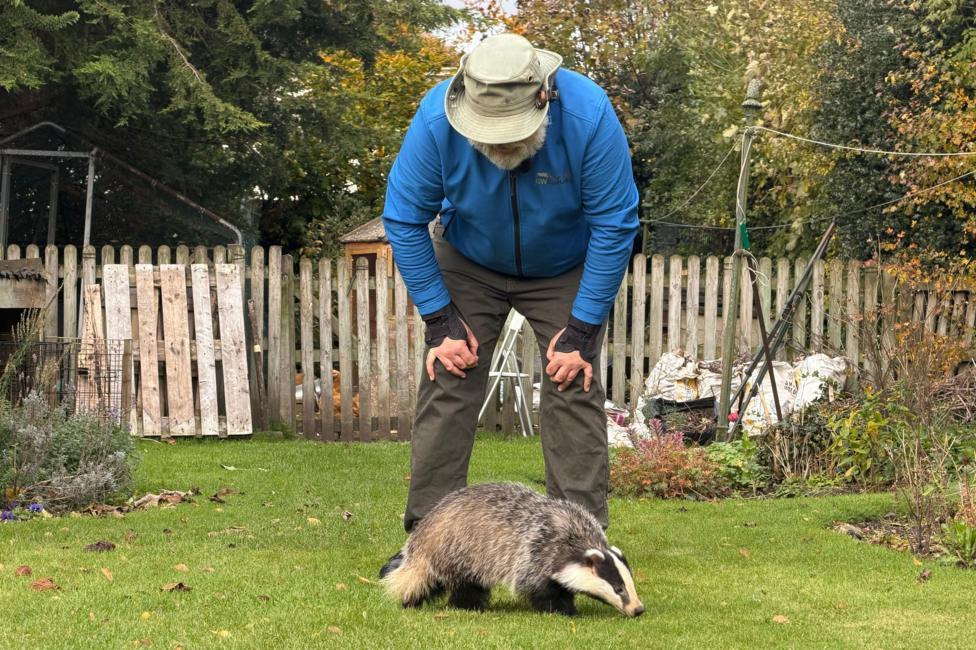
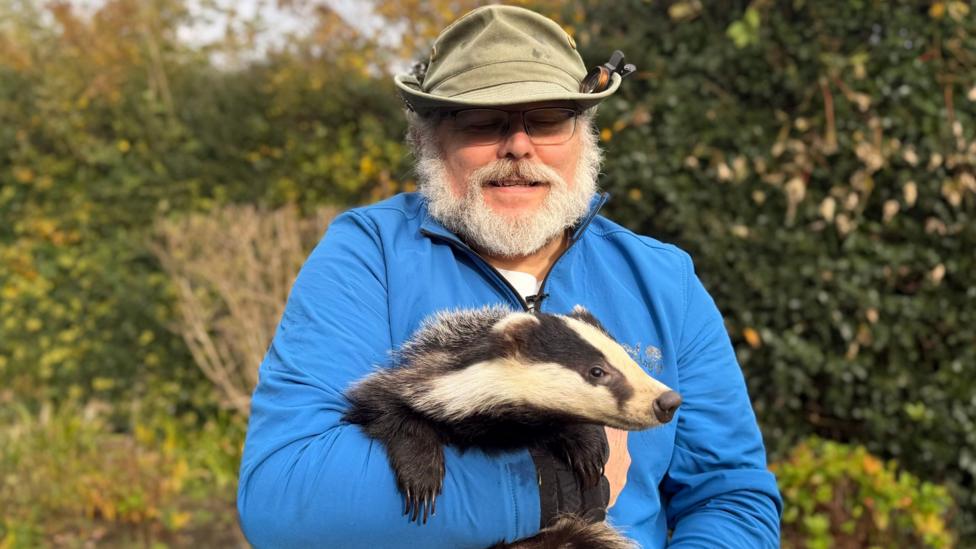
Three wildlife welfare charities have publicly criticised a Scottish ecologist who is seeking to keep a badger he rescued and nursed back to health, with the British Wildlife Rehabilitation Council suspending his membership over the dispute. According to BBC News, Graeme Wilson was called to help the badger, named Harriet, after she was discovered in a cattle trough 300 feet from her sett in the Scottish Borders.
Wilson believes Harriet was hand-reared before he found her and would not survive if released into the wild. He applied to NatureScot for permission to keep the animal permanently, but the organisation rejected his application. The British Wildlife Rehabilitation Council, Scottish Badgers and the Badgers Trust have now issued a strongly-worded joint statement opposing his position.
Why did the charities suspend Wilson's membership?
The BWRC suspended Wilson's membership because he did not uphold their principles regarding wildlife rehabilitation. The organisation firmly opposes the permanent captivity of any native British wild animal and maintains that such animals should be humanely euthanised in all but exceptional circumstances.
In their joint statement, the three charities described the situation as a "deeply sad outcome" and argued that wildlife rehabilitation should not involve hand-rearing animals, becoming emotionally attached to them, and then deciding they should spend their lives in captivity. They stated:
"Wildlife rehabilitation is not about hand-rearing animals, becoming attached to them and then deciding they should spend the rest of their lives in captivity because improper practice has made them accustomed to human contact."
The charities emphasised that when Wilson first found Harriet, he should have sought professional help from a licensed wildlife rescue centre rather than caring for her himself.
"Her finder clearly had a good heart and good intentions but professional help from a reputable licensed wildlife rescue centre with the appropriate facilities should have been sought [when he found her]."
What does Wilson say about his actions?
Wilson, who runs GW Ecology, a small independent wildlife rehabilitation service from his home in Denholm, remains convinced he acted correctly. He holds a licence to keep unreleasable bats and has adopted a philosophy that if an animal cannot be released but can be kept humanely in captivity, that should be the outcome. He stated:
"I've always taken the view that if it cannot be released, but it can be kept humanely in captivity, then that's what would happen. If it can't be kept in captivity under humane conditions, then obviously euthanasia is the route to go."
Wilson insists he did not hand-rear Harriet but rather took in an already hand-reared animal that was severely ill and malnourished.
"She was very thin. She needed critical care formula and food inside her very quickly. That's what happened. Over the next few weeks she put on weight. She was not engaged with at all, which was in line with various rehab recommendations."
He explained that when he attempted to return her to her sett, she became distressed, tried to climb a tree and
"was freaking out"so he felt compelled to bring her home. Wilson sought an educational licence so he could use Harriet to demonstrate to the public why hand-rearing badgers is problematic.
"I didn't hand rear a badger. I took in a very, very, very ill, very hungry, dehydrated badger into care that had been hand reared... there is quite a big difference there."
What are the welfare concerns raised by the charities?
The three organisations argued that at the age Harriet was found, she should have been "rewilded and grouped with other cubs for release later in the year," regardless of whether she had become accustomed to humans. They contended that the current situation demonstrates a fundamental misunderstanding of badger behaviour and welfare needs.
The charities stated that the available options for Harriet are "extremely limited" and include euthanasia or placement in a zoo or sanctuary. However, they rejected the notion that such facilities represent appropriate alternatives, arguing:
"To suggest that a zoo or sanctuary is an appropriate alternative demonstrates a fundamental lack of understanding of the behavioural, social and welfare needs of badgers. The current situation with the finder is not acceptable, appropriate or suitable for a badger."
What developments have occurred since the initial rejection?
Wilson applied for an educational licence in June, but NatureScot rejected it in September, stating it did not meet the legal tests required. However, the situation has evolved since then. NatureScot says it is discussing a "pragmatic solution" with Wilson and other organisations, with Harriet's welfare remaining central to those discussions.
According to ITV News, NatureScot has proposed that Wilson might release Harriet from his property with free access to roam, while continuing to provide food and shelter, as long as her movements are not restricted and she is not put on display. This arrangement would allow the badger to live semi-wild while remaining under Wilson's care.
Wilson has stated that he attempted to release Harriet at two sett locations, but she became distressed and returned toward him, and appeared uncomfortable around other badgers. A release date was initially planned for 9 November but was postponed after Harriet injured a back leg; a veterinary assessment advised waiting until one week after she is walking properly before attempting release.
What happens next?
The release date remains uncertain following Harriet's leg injury. NatureScot continues discussions with Wilson and other relevant organisations, though no final arrangement or decision has been reported. The outcome will depend on Harriet's recovery and whether the proposed semi-wild arrangement meets the welfare standards and legal requirements set by the regulatory body.
What should you do if you find a sick badger?
The Badger Trust advises that if you encounter an injured or unwell badger, you should contact a reputable and experienced wildlife rescue centre, a local badger group, the RSPCA or the Scottish SPCA for guidance. A cub found alone is not necessarily orphaned, so it is important to seek professional advice before intervening.
If it is safe to do so, keep your distance from the animal, note the location where you found it and what you observed, and keep people and dogs away from the area. Do not feed the badger, move it, take it home or handle it. Allow experienced rescuers to advise on the appropriate next steps.