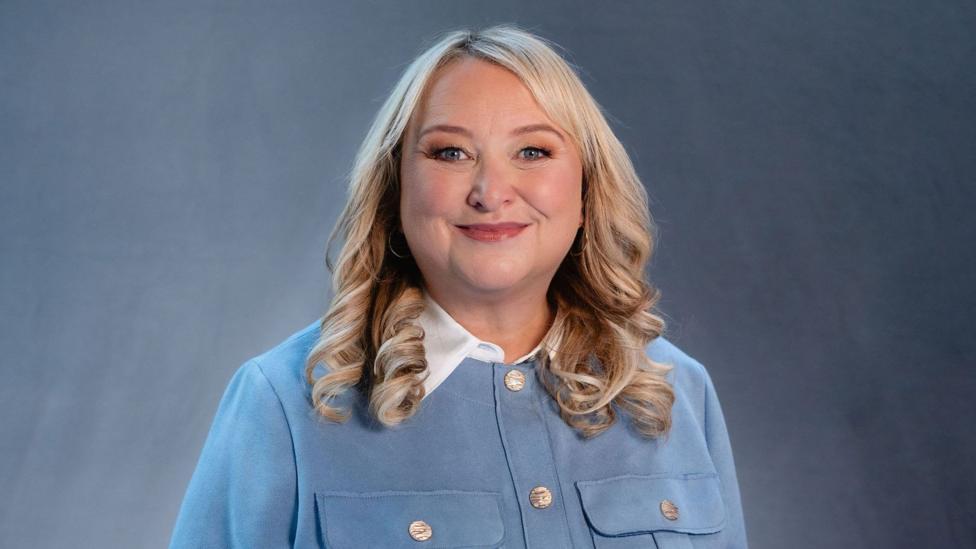
The BBC's newly confirmed Director of Nations has described the financial crisis facing the corporation as the most serious she has witnessed, as the organisation pursues sweeping job losses and programming reductions across the UK to achieve £500m in savings. According to BBC News, Rhuanedd Richards, from the Cynon Valley, pledged to defend Welsh-language broadcasting "while there is breath in my body" despite the challenging circumstances affecting every part of the corporation.
Richards, who has taken on the permanent role leading BBC operations across the devolved nations and English regions, acknowledged the severity of the situation while speaking on BBC Radio Cymru.
I have never seen such a serious situation for the corporation, and that is after a decade of cuts that have already taken place in real terms,she said, emphasising that the financial pressure affects
every single part of the BBC.
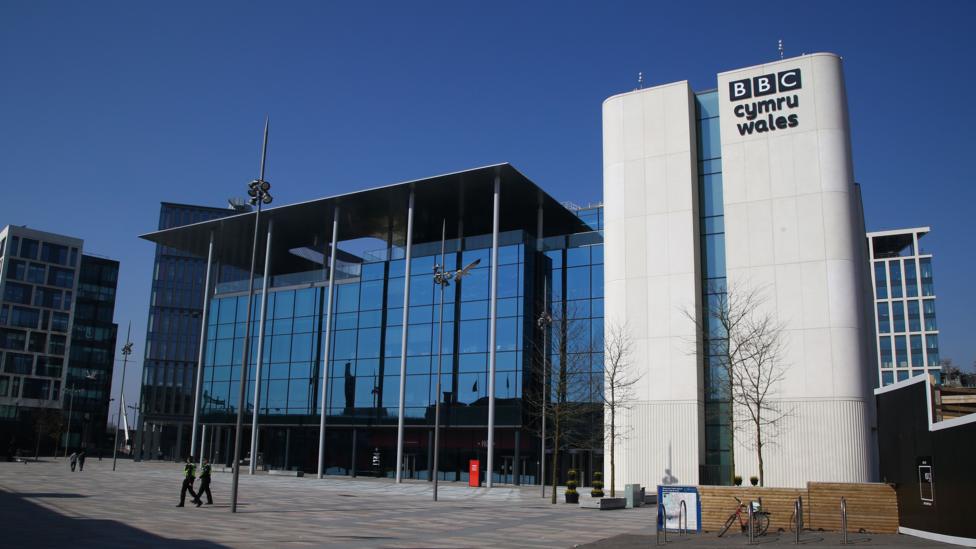
In September, BBC Wales announced the elimination of 58 individual roles, representing approximately 45 full-time-equivalent positions, alongside a reduction of 20 hours in annual television programming. The Welsh Government responded with concern about the corporation's ability to meet its public service obligations. First Minister Rhun ap Iorwerth and Culture Minister Heledd Fychan jointly sent a letter to BBC Director-General Matt Brittin warning that the changes could breach the BBC's Royal Charter commitments to Wales. The letter was also sent to UK Culture Secretary Lisa Nandy.
Brittin responded by assuring Welsh leadership that the BBC takes its obligations to Wales
extremely seriously.However, the concerns raised by Welsh politicians reflect broader anxiety about the impact of the corporation's financial restructuring on devolved services.
How are Welsh-language services being affected?
Richards stated that Welsh-language services have not been disproportionately affected compared to other BBC departments and have been
somewhat protected, compared to a number of other departments in the BBC.Nevertheless, she expressed disappointment at the loss of programmes on Radio Cymru, acknowledging that the financial constraints left limited alternatives.
The planned cancellations include the daily current-affairs programme Dros Ginio, the Saturday edition of Dros Frecwast, and the 35-year-old football discussion show Ar y Marc. Richards, who began her career as a journalist at BBC Wales, drew on her personal connection to Welsh-language broadcasting to explain her commitment to preserving these services.
I'm Welsh-speaking - the language is a core and important part of me and, of course, I will fight for it while there is breath in my body. Radio Cymru was responsible for opening my eyes to culture in the Welsh language, and I come from a non-Welsh speaking family so I understand how important this is.
She emphasised the unique responsibility the BBC holds toward Welsh-language provision.
There is something unique about the BBC's responsibility to the Welsh language, because if we miss something the audience can't necessarily go somewhere else to get the same service in Welsh.Richards also highlighted the importance of English-language radio services in Wales, noting that
there is nowhere else for English radio audiences to go to hear news from Wales either.
What is the broader context of BBC cuts?
The reductions affecting BBC Wales form part of the corporation's wider £500m savings strategy. BBC News previously reported that the BBC plans to cut 550 jobs in the initial phase of this savings plan, with further reductions expected before 2027. The cuts extend across news, radio, and television content across all UK nations and regions.
In October, the BBC announced plans to close BBC Three, BBC Scotland, and BBC Radio 4 Extra as linear services in spring 2027, eliminating approximately 100 jobs at BBC News and 10 positions in Scotland. These closures represent a continuation of the financial pressures that have accumulated over the past decade.
The Welsh Government has raised concerns about the devolved nature of broadcasting decisions. At a Senedd session in October, ap Iorwerth called for broadcasting to be devolved to Wales, arguing that this could provide stronger protections for Welsh-based journalism and local services.
Industry bodies have also voiced concerns about the impact on Welsh broadcasting. On 6 November, the Television and Content (TAC) association called for safeguards for Welsh broadcasting, warning that BBC cuts could reduce opportunities for independent production companies working in Wales.
What is Richards' vision for BBC services across Wales?
Richards insisted that Welsh-language services remain paramount within the corporation's remit and argued they hold an exceptional place within the organisation. She committed to ensuring that
the BBC serves and reflects all of our devolved nations on these islands, along with all the regions of England.
She stressed the importance of representing all communities across Wales.
The BBC has to represent every part of Wales, every corner of Wales and every community.Drawing on her experience as Director of BBC Wales, she indicated her opposition to centralising services in Cardiff, stating that
as Director of BBC Wales I have spent quite a bit of time campaigning for more jobs and more services to move from London to Wales, so I won't be making the case for centralising services in Cardiff.
Richards expressed confidence that the BBC's presence would continue throughout Wales as part of the corporation's mission, though she acknowledged that further cuts were likely in the coming years. However, she suggested that the situation was not inevitable and that action could be taken to secure a sustainable future for BBC funding.
What happens next?
BBC Director-General Matt Brittin is scheduled to meet with First Minister ap Iorwerth and Culture Minister Fychan on 18 November to discuss the impact of the cuts on Welsh broadcasting services. This meeting will provide an opportunity for Welsh leadership to press the BBC on its commitment to maintaining services in Wales and to explore potential solutions to the financial pressures facing the corporation.