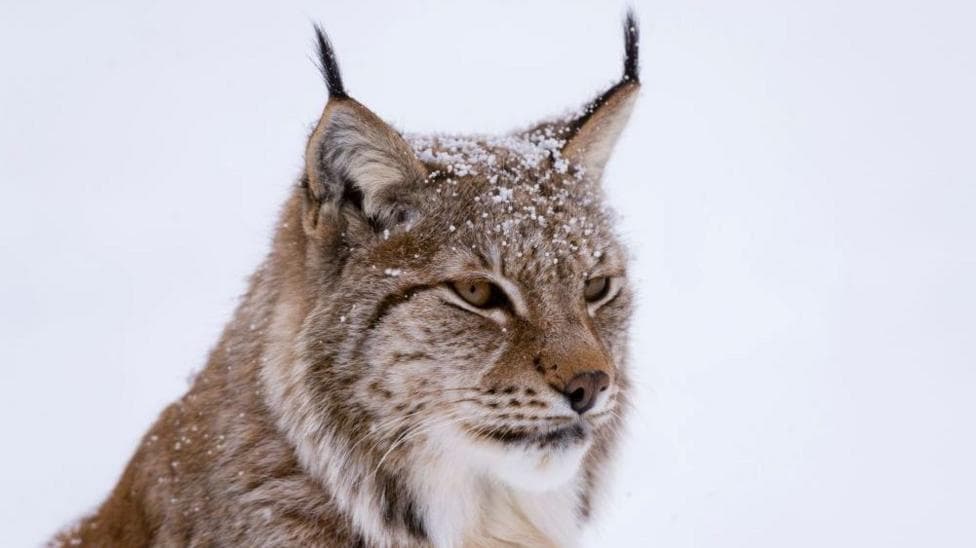
An organisation seeking to reintroduce lynx to northern England has failed in its High Court challenge against a refusal to proceed with the plan. BBC News reported that Lynx UK Trust applied for a three-year trial in 2022 which could have seen three animals from Sweden released into Kielder Forest, but Natural England rejected the application.
The trust challenged the environmental body's decision, but on 30 October 2026, Ms Justice Obi dismissed the claim in the case of R (Lynx UK Trust Community Interest Company) v Natural England [2026] EWHC 2761 (Admin). The judge stated:
On Natural England's understanding of the law, the proposed release could not lawfully be implemented.
The proposed group comprised two female lynx and one male, according to Chronicle Live. Supporters of reintroduction have argued it would benefit biodiversity and help control deer populations, while the species has been absent from Britain's wild for approximately 800 years.
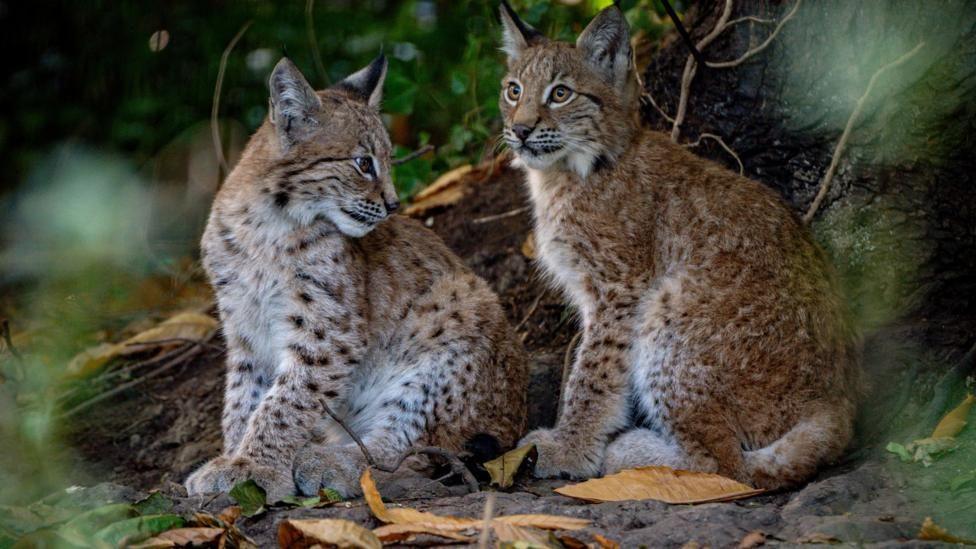
The trust's initial application in 2017 sought to release six lynx into the forest as part of a five-year trial, but the Department for Environment, Food and Rural Affairs (Defra) refused this proposal in 2018. The revised 2022 application scaled back the ambition to three animals over three years, yet Natural England again rejected it on the grounds that such a release was prohibited by the Dangerous Wild Animals Act 1976 (DWAA), which makes it an offence to release certain animals into the wild.
At the hearing on 14 and 15 October 2026, Lynx UK Trust's legal team argued that the animals could still be released under the Wildlife and Countryside Act 1981 (WCA). This legislation allows authorities to issue licences for the release of animals which are not ordinarily resident in the wild in the UK, despite the terms of the DWAA. The trust also contended that the DWAA's relevant provisions had been impliedly repealed by the later enactment of the WCA.
The trust's lawyers additionally argued that reintroducing lynx would support compliance with international conservation obligations to study the desirability of reintroducing species. In March 2026, the High Court had ordered a full hearing of the challenge, indicating the case raised serious legal questions.
Natural England and Defra opposed the claim throughout the proceedings. In her 16-page judgment, Obi rejected both of the trust's legal arguments. She stated:
Properly construed, the DWAA continues to apply to lynx as a scheduled dangerous wild animal. I am unable to accept either the claimant's primary submission that the Act ceases to apply upon deliberate release pursuant to a licence under... the WCA, or its alternative submission that the relevant provisions have been impliedly repealed by the later enactment of the WCA.
The judgment also refused permission on a second ground because the challenge was brought too late, according to the National Archives case law database.
Public and political divisions
Public opinion on lynx reintroduction remains divided between local communities and broader populations. A consultation conducted last year found that 72% of people in the North East supported the reintroduction of the big cats. However, in July, Northumberland County Council backed a motion stating it would not support any effort to release lynx into the wild.
Non-aligned Rothbury councillor Steven Bridgett, who proposed the council's motion, called the High Court result excellent. His position reflected concerns among some local stakeholders about the potential impacts of reintroduction on rural livelihoods and existing wildlife management practices.
Broader context for wildlife reintroduction
The lynx case reflects wider debates about species reintroduction in the UK. White-tailed eagles, the UK's largest bird of prey, will be released in Exmoor despite farmer concerns over lamb losses, with that reintroduction approved by Natural England and aimed at boosting populations while working with local stakeholders. Meanwhile, between 2020 and 2025, 15 big cat sightings including a panther, leopard, and Canadian lynx were reported across Wales, though investigations found no evidence for action.
Conservation efforts in the region have also advanced through other channels. The Wildlife Trusts completed a £30 million purchase of the 9,500-acre Rothbury Estate in Northumberland, backed by Sir David Attenborough and over 25,000 donors, enabling habitat restoration across the historic property.
Historical context
Lynx vanished from Britain approximately 800 years ago due to hunting and loss of their woodland habitat. The species once roamed across the British Isles before being eliminated through human activity. Reintroduction advocates have pointed to successful examples elsewhere in Europe, where lynx populations have been restored to areas from which they had disappeared, suggesting similar outcomes could be achieved in the UK with appropriate management and legal frameworks.