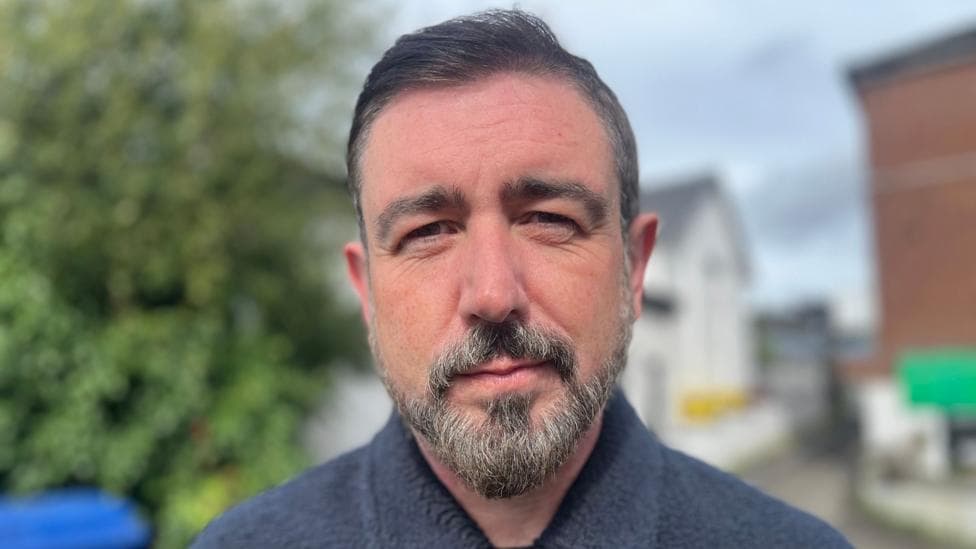
Residents in west Belfast expressed deep anxiety on Saturday night after a group of approximately 30 young people, some as young as nine years old, threw fireworks across the area, prompting fears that homes could catch fire. Independent councillor Paul Doherty warned that the incident could have resulted in serious injury or death, and highlighted the escalating pattern of anti-social behaviour affecting the neighbourhood.
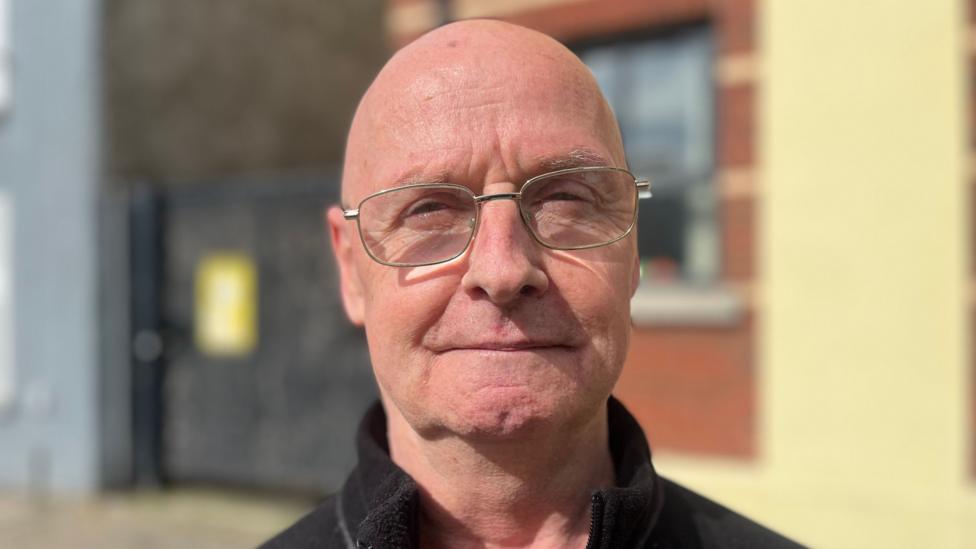
A long-time resident named Gerard, who has lived in the area for two decades, described the experience as terrifying and said he feared further intimidation. He explained that residents had contacted the Police Service of Northern Ireland (PSNI) but were informed the matter was not classified as an emergency and officers would not attend the scene.
The incident forms part of a broader pattern of disorder in west Belfast. A community meeting previously heard that criminal elements have encouraged young people into disorder, with teenagers and residents describing persistent anti-social behaviour as frightening following similar Saturday night disturbances on the Stewartstown Road.
Councillor Doherty expressed alarm at the specific dangers posed during the Saturday night incident.
People were fearful their homes were going to be burned down - as some of these rockets had bounced off windows in the front of their houses, he said, noting that residents felt both petrified and angry at the situation.
Gerard conveyed the psychological toll on residents.
We have to contend with all that has happened, with no backup whatsoever, he stated.
It's very frightening and it's causing a lot of anxiety with the residents. These people are banging our windows at all hours and it could turn into something serious.He characterised the trouble as a regular occurrence rather than an isolated incident.

What dangers do fireworks pose in these circumstances?
Fireworks present significant hazards when used recklessly in residential areas. During the Saturday night disorder, young people deliberately targeted vehicles, firing fireworks across roads at each other and putting themselves and others at serious risk. Councillor Doherty emphasised that
Fireworks are dangerous. Year in, year out when it comes to this stage of the year, we see a real increase.He called for stronger enforcement, stating that
The message from myself and many others in the community is we need to crack down on those who are selling these fireworks illegally.
Why is anti-social behaviour increasing in the area?
Councillor Doherty attributed the rise in anti-social behaviour to inadequate resourcing of youth services and community outreach programmes. He argued that if youth workers had been present on Saturday night, they could have intervened with the young people involved and redirected them away from the area.
If they were there last night, they would have been in a position to talk those young people down, to make better decisions, and for them to be turned away from that area. That's missing and that's the consequences of cutting that funding.
The funding constraints facing youth services are substantial. Belfast youth clubs and centres were only guaranteed funding until June 2026, with the annual youth-services budget of about £37 million no longer protected. This reduction has severely limited the capacity of youth workers to engage with young people in the community.
The disorder in west Belfast is not isolated. The area has experienced escalating incidents involving scrambler bikes, e-bikes and e-scooters alongside fireworks-related trouble. Councillor Doherty stressed that police must address both the immediate fireworks issue and the broader pattern of ongoing anti-social behaviour affecting west Belfast and across the city.
What is the wider context of disorder in west Belfast?
West Belfast has a history of serious disorder. In April 2021, the area experienced major riots in which petrol bombs and fireworks were deployed against police, resulting in officer injuries. Police later determined there was no evidence of organisational involvement by the UVF, though some individuals within the group had been suspected of encouraging the trouble at that time.
Recent months have seen multiple incidents of significant disorder. A separate west Belfast disorder incident in July 2026 led to a police appeal for the public to avoid the area while council clean-up crews dealt with damage including a charred motorcycle, burnt bins and broken roll cages. Another July 2026 disturbance prompted politicians to condemn the scenes as "complete chaos" and "shameful," with large crowds blocking Stewartstown Road.
Key Facts
- Approximately 30 young people, including children as young as nine, were involved in throwing fireworks on Saturday night in west Belfast
- Residents reported that rockets bounced off house windows, raising fears of fire, but the PSNI classified the incident as non-emergency and did not attend
- Youth services funding in Belfast is no longer protected, with annual budgets of approximately £37 million facing cuts that have reduced community outreach capacity
- The incident is part of an escalating pattern of anti-social behaviour in west Belfast involving fireworks, scrambler bikes, e-bikes and e-scooters