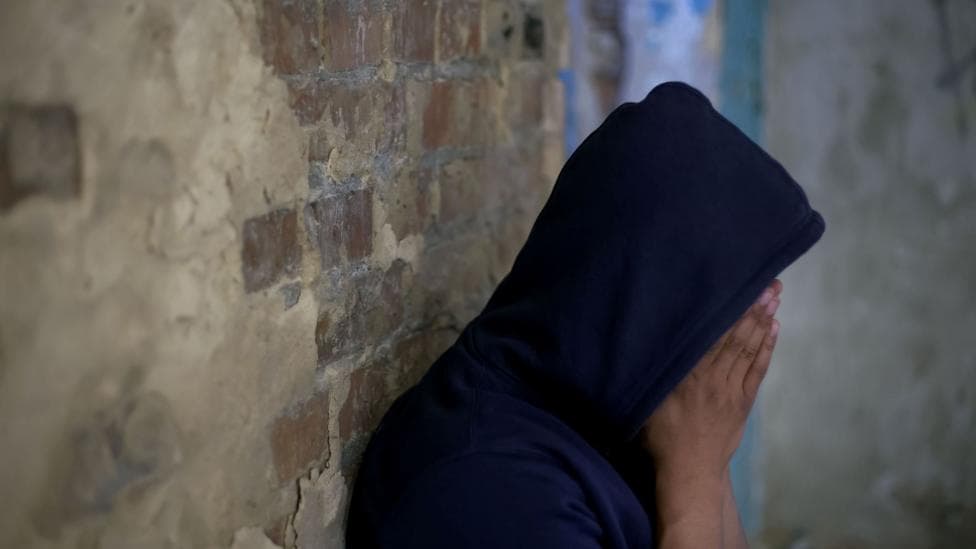
Highland Council has been allocated a "significant increase" in unaccompanied asylum-seeking children through a revised Home Office algorithm, creating what officials describe as substantial operational challenges for the local authority. According to BBC News, the council now receives five children per allocation cycle instead of the previous one, representing a fivefold rise in intake. The local authority has received national recognition for its work with these young people, many of whom are fleeing war or persecution, but says the expansion will strain its already limited housing resources.
Unaccompanied asylum-seeking children (UASC) are those under 18 who arrive in the UK to seek international protection without an adult guardian. Many flee their home countries due to political or religious persecution, war or famine. As of 31 July 2025, there were 380 UASCs in care across Scotland, with Highland Council responsible for 72 of them. The council was notified in July 2026 by Cosla, the local authorities body, about the revised Home Office rota allocation formula that would fundamentally alter its caseload.
Highland Council officials have raised serious concerns about the algorithm's effectiveness, arguing it fails to account for local circumstances.
"The Home Office algorithm by itself is not an adequate tool without some understanding of local conditions. For example, the fact that Highland has significant housing challenges, both in terms of housing availability and cost, coupled with a lack of available workforce, means Highland is not an attractive option for asylum support providers."The council has previously identified a need for an extra 24,000 houses over the next decade to address a long-standing shortage of affordable homes.
According to Highland Council's report, the revised allocation rate began rising in May 2026, escalating from one child per cycle to four or five, with the increase to five or six per cycle not yet fully implemented. The council report also notes that Highland's current threshold is 41 young people without leave to remain, though those granted leave may remain within the council's continuing-care or aftercare duties for up to eight additional years.
How does funding compare to the demand?
Highland Council receives core funding of £143 per child per day for those under 18, and £270 per week for those over 18. According to the Home Office's 2026–27 funding instructions, support funding is set at £143 per eligible child per night. Eligible UASCs, like other young people in foster, kinship or residential care, can remain under local authority care until age 21, with some care leavers eligible for support up to their 26th birthday.
Why has the allocation increased so dramatically?
Officials attributed part of the rise to the Home Office's decision not to place adult asylum seekers in the Highlands.
"This lack of adult asylum seekers in Highland has had the effect of increasing the number of UASC in 2026,"they stated in their report. This contrasts with earlier government plans: in June 2026, the UK government scrapped proposals to house up to 300 male asylum seekers at Cameron Barracks in Inverness following local opposition and logistical concerns.
The allocation system operates through the National Transfer Scheme, which became mandatory for UK local authorities in February 2022. Highland's earlier allocation was based on a 0.1% quota of its child population, but the revised formula has fundamentally altered how responsibilities are distributed across councils.
What is the Home Office's position?
The Home Office maintains that councils have a statutory duty to support children arriving in the UK without a parent or guardian. A spokesperson said:
"Local authorities have a statutory duty to support unaccompanied asylum-seeking children and care leavers, and we are committed to working closely with them to help them meet these obligations. Through the National Transfer Scheme, we work with local authorities across the UK to ensure responsibility for supporting unaccompanied children is shared fairly."The department stated it was a priority to ensure vulnerable children received the care and support they needed.
What happens next?
Highland Council's Health, Social Care and Wellbeing Committee is scheduled to discuss the UASC update on 11 November 2026 at 09:30 in Inverness, where officials are expected to present further details on managing the increased allocation and any additional support requirements.