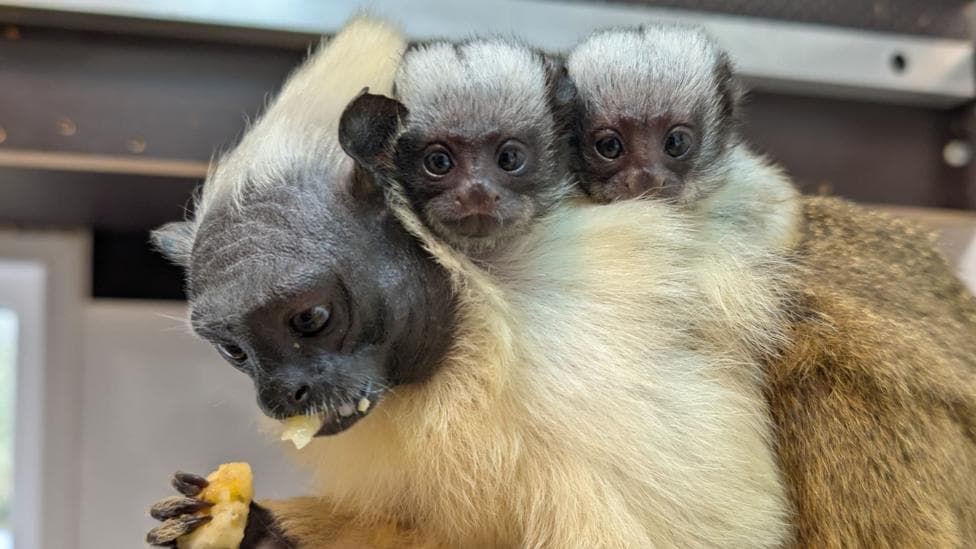
Shaldon Wildlife Trust, a compact accredited zoo in Devon, has announced the birth of critically endangered pied tamarin twins, marking a significant achievement for the species' survival. According to BBC News, the infants were born on 29 September to parents Bobby and Pedra. The trust's director, Zak Showell, described the arrival as an "unbelievable proud moment" for his small team, noting that only one other European zoo achieved this breeding success during the same year.
"For a zoo of our size to achieve this and to be one of just two European zoos to manage it this year is an unbelievable proud moment for our small team,"Showell said. He added that pied tamarins are exceptionally delicate animals and that breeding them successfully presents a significant challenge. The young primates are already thriving and have begun riding on their parents' backs as they move through their habitat.
Zoo staff deliberately withheld news of the births for several weeks to provide the vulnerable family with complete peace and quiet during their critical early development period. The trust emphasised that pied tamarins demand stress-free environments and specialist care to survive in captivity.
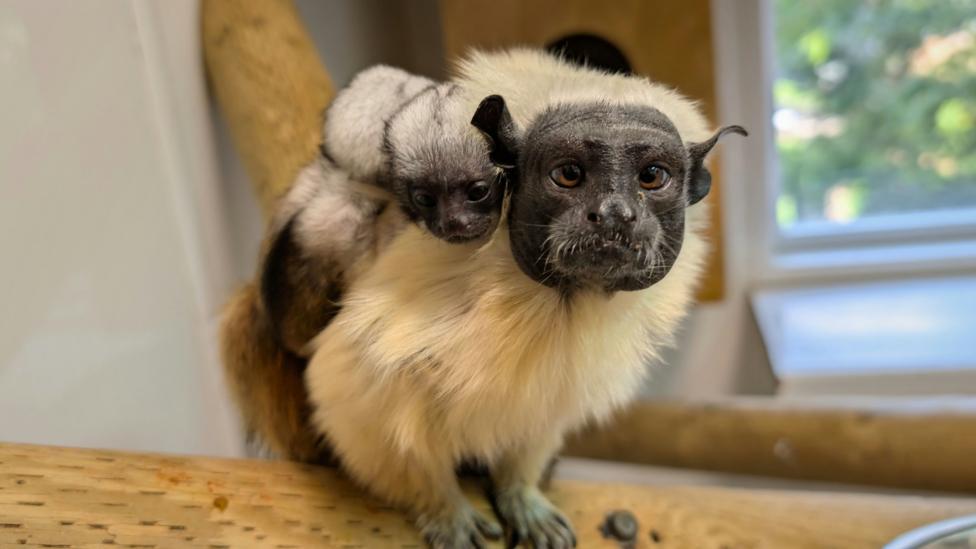
The pied tamarin is classified as critically endangered on the International Union for the Conservation of Nature's Red List. In their natural habitat, these primates are confined to a rapidly shrinking pocket of rainforest near Manaus in Brazil. Recent research has identified the species' range at approximately 8,300 square kilometres, spanning Manaus and neighbouring municipalities Rio Preto da Eva and Itacoatiara, according to a 2026 conservation study.
What conservation efforts are underway?
Brazil established a 15,000-hectare Pied Tamarin Wildlife Refuge in June 2024 to protect the species in its native environment. However, conservationists have noted that the refuge still requires institutional implementation and forest corridors to connect fragmented habitat areas. A 2026 study found that although protected areas cover approximately 20 per cent of the study region, most offer only partial protection and continue to experience vegetation loss. The same research identified 56.1 per cent of the pied tamarin's distribution area as a priority for conservation, encompassing both urban and rural zones surrounding Manaus.
Why is captive breeding important?
Successful breeding programmes in zoos contribute significantly to maintaining genetic diversity within the species and provide a safety net against extinction. The birth of these twins at Shaldon demonstrates that even smaller facilities can play a vital role in species conservation. Showell remarked that it had been an incredible year for births at the trust overall, but these twins held special significance for the organisation's conservation mission.