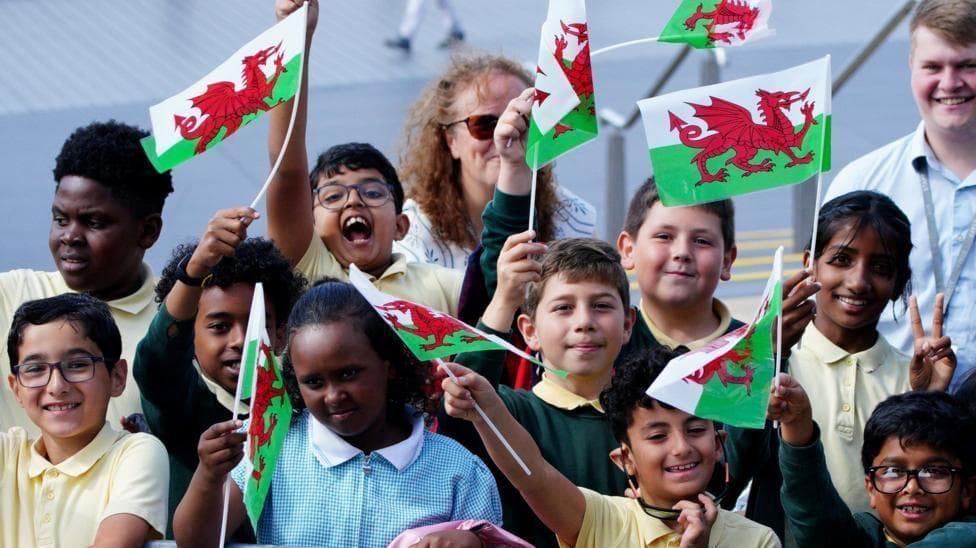
The proportion of children aged 3 to 15 who can speak Welsh has declined significantly, dropping from 59% in March 2019 to 48% by June 2026, according to new population survey data. This represents a loss of 40,700 young speakers, falling from 275,000 to 234,300 children. According to BBC News, the latest figures have prompted calls for urgent government intervention to expand Welsh-language education provision.
The Welsh government has reaffirmed its commitment to reaching one million Welsh speakers by 2050 and pledged to fully implement the Welsh Language and Education Act to ensure every child gains the opportunity to become a confident and independent Welsh speaker.
Children aged 3 to 15 remain the age group most likely to report Welsh-language ability compared with any other demographic. Across the broader population, the Annual Population Survey for the year ending 30 June 2026 estimated that 27.4% of people aged 3 or over could speak Welsh, equivalent to approximately 845,200 people. This represents a marginal increase of 0.2 percentage points from the previous year's estimate of 27.2%, though statisticians note this rise is not considered statistically significant due to changes in survey methodology between the two periods.
The Office for National Statistics sampled 17,486 people for the Welsh language questions. Beyond speaking ability, the survey found that 31.5% of respondents (972,300 people) could understand spoken Welsh, while 25% (771,400) could read the language and 22.5% (693,800) could write in Welsh.
Why has the number of young Welsh speakers fallen?
Heini Gruffudd, chairman of Dyfodol i'r Iaith, attributed part of the decline to disruption during the Covid-19 pandemic, which he suggested affected Welsh language learning in schools. He described the overall reduction as disappointing but urged caution when interpreting the figures for children under 15.
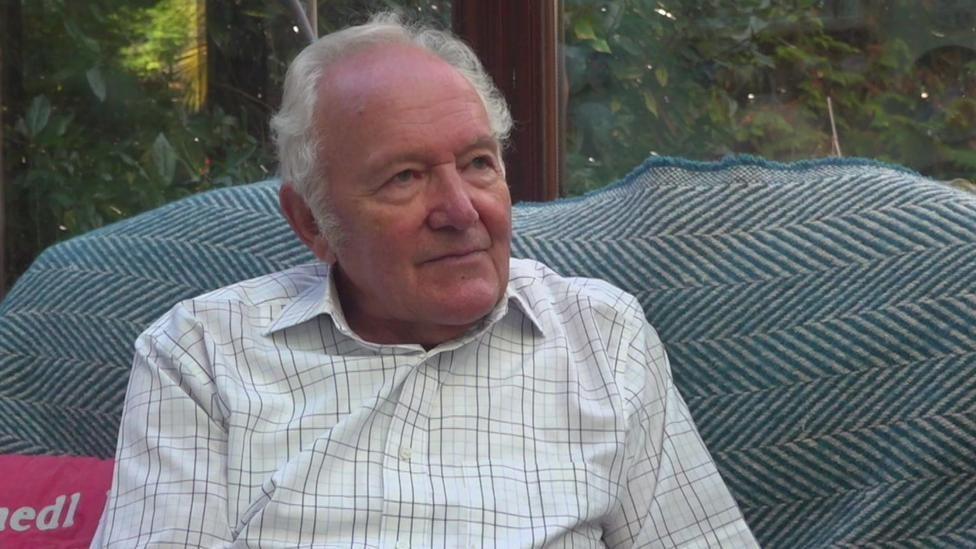
Gruffudd highlighted a significant discrepancy between the proportion of pupils enrolled in Welsh-medium education and the reported number of Welsh speakers. He noted that approximately 23% of primary pupils and fewer than that in secondary schools receive Welsh-language education, yet the survey suggests twice as many children can speak Welsh.
"We need to know what the parents' idea of 'speaking Welsh' is, and it is quite possible that this falls short of our own idea of 'speaking Welsh'."
He emphasised that Welsh-language schools have not expanded at the anticipated rate over the past decade, particularly in urban areas where growth potential remains untapped.
"The government needs to look for new ways of establishing Welsh-language schools, especially in urban areas. This will offer growth in the actual number of Welsh speakers under the age of 15."
What is the government doing to reverse the decline?
The Welsh government has committed to implementing the 2025 Welsh Language and Education Act to its full potential. According to the Welsh Government's 2026–27 action plan, implementation includes promoting Welsh-medium education across all learning phases. The Act establishes school language categories with minimum Welsh-language education levels of 80%, 50% or 10%, depending on the category assigned to each school.
Local Welsh in Education Strategic Plans include commitments to establish 23 new Welsh-medium primary schools and expand 25 existing schools by 2032, representing a significant expansion of provision. A Welsh Government update published on 23 October outlined that the Act's implementation programme is overseeing work on a revised Welsh-language strategy, a national education framework, a Welsh-ability code and a new learning institute.
Where are Welsh speakers concentrated?
Welsh speakers are unevenly distributed across Wales. Cardiff has the highest absolute number with 93,900 speakers, followed by Gwynedd with 93,300 and Carmarthenshire with 85,500. By contrast, Merthyr Tydfil has the lowest number at 7,400 speakers, with Blaenau Gwent at 8,500.
When measured as a percentage of the local population, Gwynedd leads with 75.9% of residents able to speak Welsh, followed by Anglesey at 64.6%. The lowest percentages are found in Merthyr Tydfil and Blaenau Gwent, both at 12.3%, and Bridgend at 12.7%.
What does the longer-term trend show?
The two-year decline in Welsh speakers contrasts with a longer historical pattern. Since March 2010, when 25.2% of the population (731,000 people) could speak Welsh, the overall number has generally increased, reversing a gradual decline that occurred between 2001 and 2007. However, the 2021 Census recorded 538,300 Welsh speakers, a decrease from 562,000 in 2011 and 582,400 in 2001, indicating volatility in measurement and underlying trends.
The latest available Annual Population Survey data for the year ending 31 March 2026 estimated 231,600 Welsh-speaking children aged 3–15, or 47.7%, with the Welsh Government cautioning that the census is the key source for measuring Welsh speakers.
What happens next?
The Welsh Government plans to launch a consultation in autumn 2026 on a revised Cymraeg 2050 strategy, a draft National Framework for Welsh Language Education and Learning Welsh, and a draft code for describing Welsh ability. The National Institute for Learning Welsh is scheduled to become operational on 1 August 2027, providing a dedicated institution to support Welsh language acquisition and use across the population.
Key Facts
- Welsh-speaking children aged 3–15 fell from 275,000 (59%) in March 2019 to 234,300 (48%) by June 2026
- Overall Welsh speakers represent 27.4% of the population aged 3 or over, approximately 845,200 people
- Gwynedd has the highest concentration of Welsh speakers at 75.9%, while Merthyr Tydfil and Blaenau Gwent have the lowest at 12.3%
- The Welsh government plans 23 new Welsh-medium primary schools and expansion of 25 existing schools by 2032
- A National Institute for Learning Welsh will launch on 1 August 2027 to support the one million speakers target by 2050