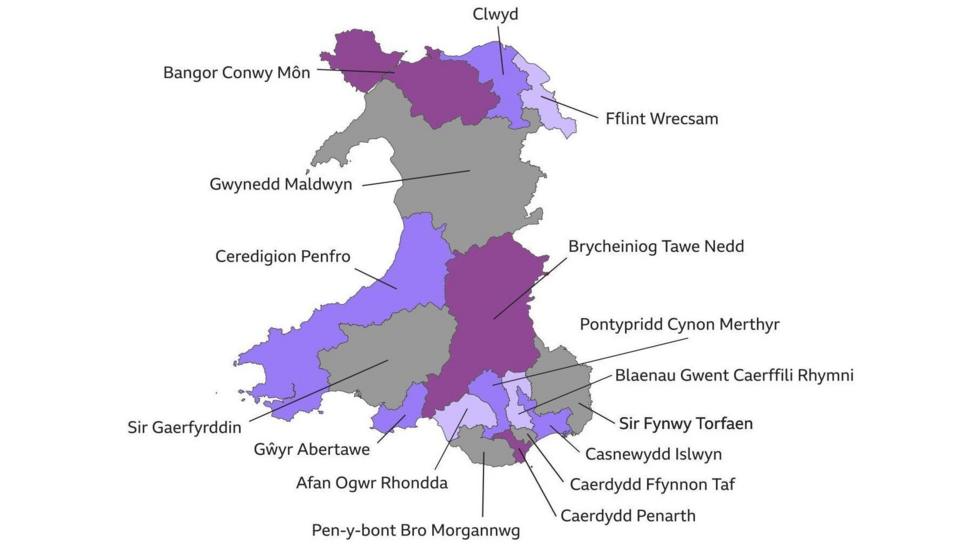
Wales' 16 Senedd constituencies, which debuted in May's election with Welsh-only names that drew mixed public reaction, are set to undergo a comprehensive review with potential changes arriving in time for the 2030 vote.
The Democracy and Boundary Commission Cymru announced the review will examine whether current constituency designations adequately represent their communities, taking into account cultural heritage and patterns of Welsh language use. The process reflects broader concerns that the newly introduced names failed to resonate universally with voters and residents.
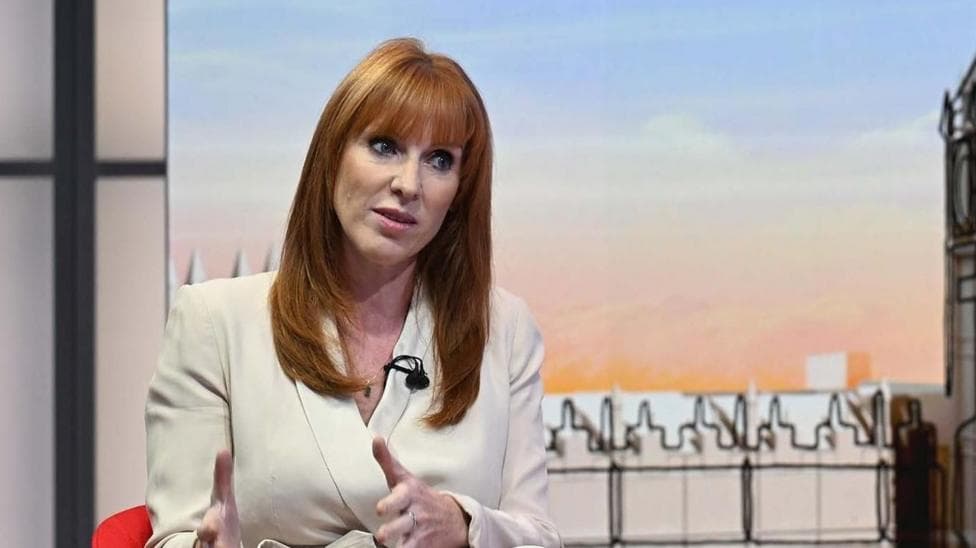
Shereen Williams, chief executive of the Democracy and Boundary Commission Cymru, explained that the review would work from the existing framework rather than starting afresh.
These set of boundaries that were used for the recent set of elections were always meant to be temporary. We're not starting from a blank slate. Some people thought we would be wiping off all the boundaries and rebuilding them. No, we are going to start from the boundaries that were used in the recent Senedd elections and go from there.
The current legal framework prioritises single-name designations for constituencies, though the Commission retains discretion to adopt bilingual titles if a single name proves inadequate or fails to meaningfully connect with the area it represents. According to the Commission's guidance on the 2026 review, this flexibility exists to ensure names genuinely reflect local identity.
How did the current system come about?
The 16-constituency arrangement emerged from the Senedd Cymru (Members and Elections) Act 2024, which fundamentally restructured Welsh parliamentary representation. The March 2025 final determinations by the Commission established these constituencies for the 2026 Senedd election, replacing the previous 40-constituency model. This expansion increased the total number of Members of the Senedd from 60 to 96, with each of the 16 areas now represented by six MSs.

The transition involved pairing UK parliamentary constituencies—those used for Westminster elections—with former Welsh Senedd areas to create the new framework. Senedd Research confirmed that the Commission reversed an earlier Cardiff pairing change in its final report and established single Welsh names for each constituency. However, only four of the 16 constituencies were initially expected to have names in both Welsh and English, indicating that the predominantly Welsh-only naming convention was deliberate but ultimately contentious.
What population targets will guide the new review?
The Commission aims to ensure roughly equal population distribution across all 16 constituencies based on the latest census data, targeting approximately 150,000 residents per area within a 10% margin—meaning between 135,000 and 165,000 people per constituency. This population-balancing exercise will run alongside efforts to align constituencies with communities sharing cultural and linguistic characteristics.
When will the public have input?
The Commission will conduct a formal public consultation process before finalising any changes. According to Nation Cymru, initial proposals for the next constituency review are due in early 2027, with an eight-week consultation to follow. The Commission's updated process includes two written consultation periods, with final decisions published after considering representations from both rounds.
Williams told BBC Radio Wales' Sunday Supplement that officials would work to identify names reflecting the identity of each area before considering whether bilingual alternatives might be necessary. The consultation framework allows residents and stakeholders to voice concerns about proposed designations and suggest alternatives grounded in local geography, history, or cultural significance.
What is the timeline for implementation?
The Democracy and Boundary Commission Cymru has confirmed that all changes resulting from this review will take effect at the 2030 Senedd election. This provides a five-year window for consultation, deliberation, and legislative preparation. A further review is scheduled for 2038, which could trigger additional boundary or naming adjustments depending on population shifts and community feedback gathered in the intervening years.
The phased approach reflects lessons learned from the rapid transition to the 16-constituency model. By building in extended consultation periods and allowing time for public engagement, the Commission hopes to develop constituency names and boundaries that command broader acceptance than the current arrangement.
Key Facts
- The 16 Welsh Senedd constituencies introduced in May 2024 will be reviewed, with changes implemented by the 2030 election
- The Commission will use the 32 current UK parliamentary constituencies as the basis for creating the next 16 Senedd constituencies
- Public consultation is expected to begin in early 2027, with an eight-week feedback period
- Each constituency will target approximately 150,000 residents, within a 10% margin (135,000–165,000)
- A follow-up review is scheduled for 2038 to assess whether further adjustments are needed