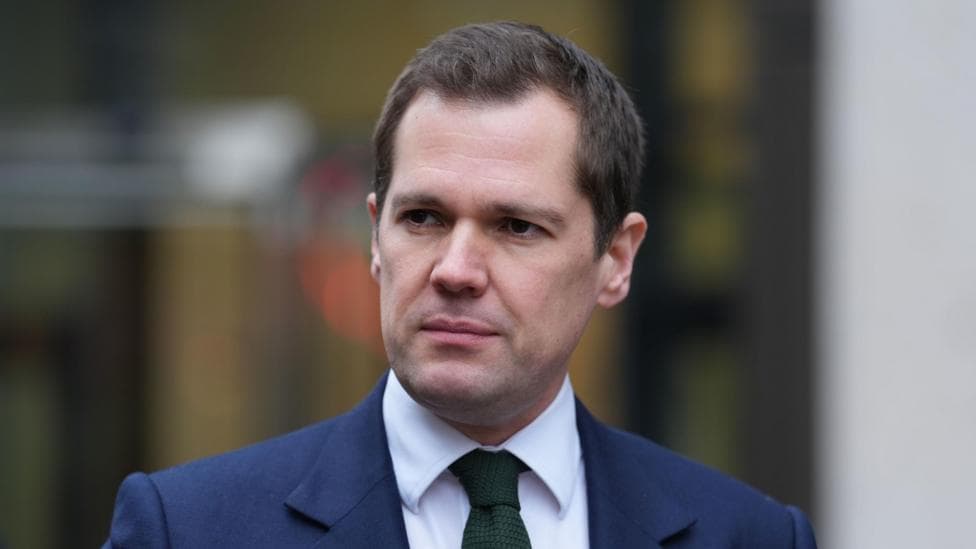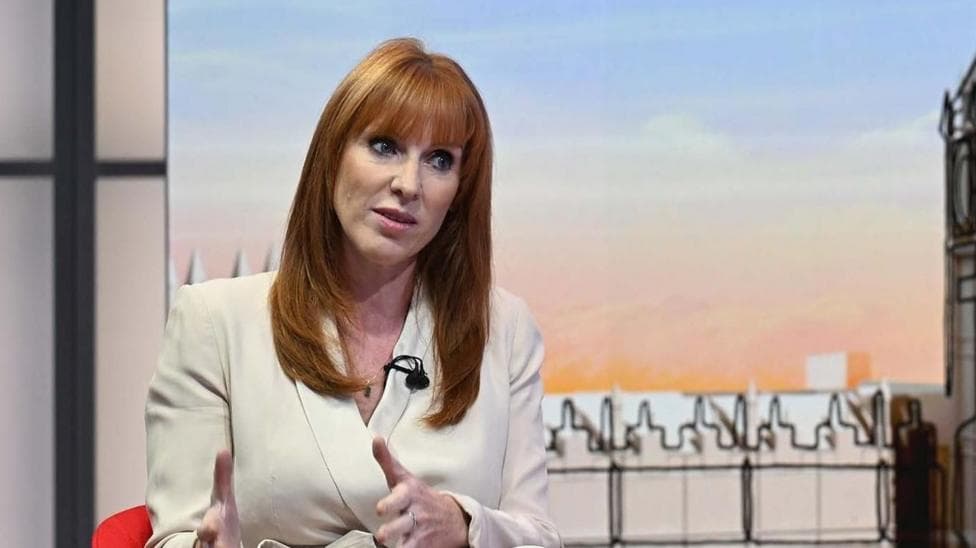
Housing Secretary Angela Rayner has acknowledged there is only a "slim chance" the government will achieve its manifesto commitment to build 1.5 million homes in England by the next election, citing geopolitical and economic obstacles that have complicated delivery of the ambitious target.
Speaking to the BBC's Sunday with Laura Kuenssberg programme, Rayner described "headwinds" including the Iran war and elevated construction costs as significant barriers to meeting the goal. Despite these challenges, she insisted the government remained committed to the pledge and was "making a difference" through substantial investment in social and affordable housing.
The 1.5 million target represents an average of 300,000 new properties annually—a construction rate unseen for decades. Labour committed to delivering this through a combination of private and social housing by the end of the current parliament, which runs until summer 2029 at the latest.
Why is the target proving difficult to hit?
Multiple factors are constraining housing delivery. Data available through March 2026 indicated the government was falling behind the construction rate required to meet the goal, a concern housebuilders have long flagged as unrealistic. Bloomberg Intelligence estimated in May 2026 that the UK could miss the target by at least 40%, with projections of little more than 200,000 dwellings annually for 2026-2029.
Analysts point to multiple headwinds: house prices remain elevated relative to average incomes, global conflict has driven up construction expenses, and labour shortages persist following Brexit. On 24 July 2026, Rayner acknowledged the target had become "more challenging" due to higher construction costs, while maintaining her refusal to abandon it.
Rayner's predecessor, Steve Reed, conceded last year that a sharp acceleration in construction would be necessary to reach the goal, though he predicted it would "just" be met once planning reforms took effect. Construction News reported Rayner describing the pledge as a "really difficult stretch target" and comparing it to running the London Marathon in under five hours.
What progress has been made so far?
The government has recorded some early gains in housing delivery. Rayner highlighted a 15% increase in home starts during the previous year as evidence of progress. Government housing-supply figures released on 15 January 2026 indicated an estimated 309,600 new homes had been delivered since the start of the parliament, representing more than a fifth of the 1.5 million target.

More recently, on 17 August 2026, Rayner stated the government was still sticking to the 1.5 million-home target and pointed to nearly 400,000 new homes completed since Labour took office. However, this trajectory falls short of the 300,000-per-year average required.
BBC Verify analysis revealed a decline in new house construction during Labour's first year in power, continuing a downward trend that began under the previous Conservative government.
What is the government's strategy to increase delivery?
Prime Minister Andy Burnham has pledged
"the biggest council house building programme since the post-war period", though specific details remain limited. Rayner stressed that the Prime Minister had made council house construction
"absolutely, fundamentally clear"as a priority.
The government has introduced planning reforms designed to boost long-term construction, including changes to green belt rules that expand the area available for residential development. Ministers announced where more than 70,000 social and affordable homes will be built in England over the next 10 years as part of an initial nearly £10bn allocation, with the wider plan aiming for 300,000 social and affordable homes.
Rayner emphasised the importance of maintaining the target as a "stretch goal" while being transparent with the public about the difficulties involved.
"It's a slim chance, but I'm definitely not giving it up,"she told the BBC.
What do independent forecasters predict?
External assessments paint a sobering picture. A February 2026 forecast suggested the government would deliver approximately 806,000 homes by the end of the parliament—nearly 700,000 short of the target. Analysis from a major policy institute in April 2026 found that just over 300,000 homes had been added in the first 18 months, nearly a third below the pace required to meet the 2029 deadline.
What happens next?
The government's wider £39bn social housebuilding programme is intended to deliver 300,000 social and affordable homes over the coming years, with the first tranche covering the next 10 years. Rayner has committed to pursuing the target through the end of the parliament in 2029, meaning the government's success or failure will be judged against the 1.5 million figure by that deadline.
Key Facts
- The 1.5 million homes target requires an average of 300,000 new properties annually—a construction rate not achieved in decades
- Government figures show nearly 400,000 homes completed since Labour took office, but this falls short of the required pace
- External forecasters predict the government could miss the target by 40% or more, with delivery of around 200,000 homes per year through 2029
- Planning reforms and a £39bn social housebuilding programme are intended to accelerate delivery, though their impact remains uncertain
- The deadline for assessing success is summer 2029, the end of the current parliament