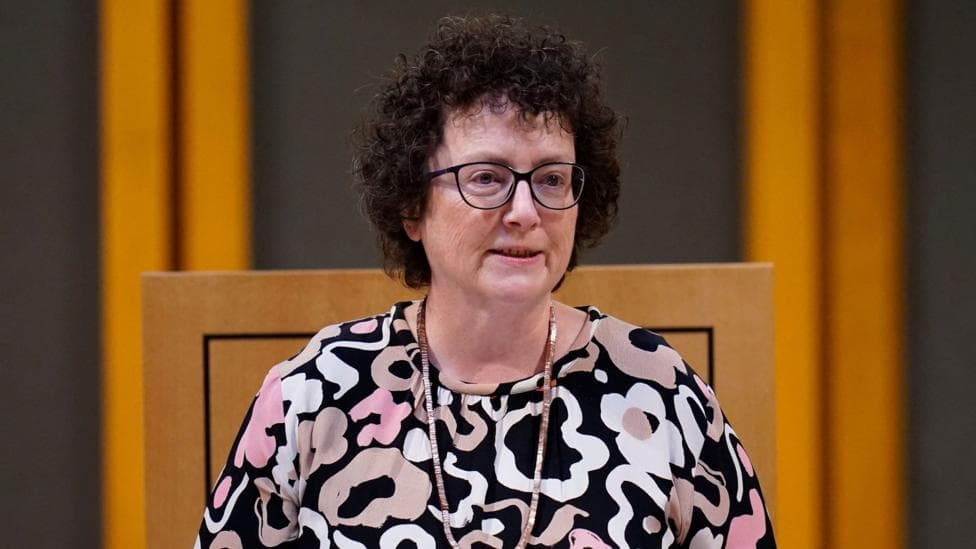
Finance Minister Elin Jones has cautioned that Wales faces potentially its most severe budget allocation since before the coronavirus pandemic unless the Welsh government receives additional funding in the UK government's budget announcement on Wednesday. She warned that day-to-day spending allocations for the coming year—covering areas such as health and education—are projected to experience a real-terms reduction of 0.7%, creating significant challenges for public services across the nation.
According to BBC News, the Welsh government's financial outlook depends heavily on decisions made in Westminster, as increased spending commitments in England can trigger corresponding funding increases available to Welsh ministers through the devolution settlement mechanism.
Speaking to Politics Wales, Jones articulated the scale of the challenge ahead:
"This will be very possibly then the worst settlement that we've had since the period before Covid. It will mean, given the inflation in the system as well, that the NHS and other aspects of public services in Wales will face a very difficult and challenging year."
What powers does Jones want for Welsh ministers?
Jones is advocating for Welsh government ministers to receive equivalent authority to their Scottish counterparts in accessing reserves to support spending commitments. She believes this flexibility would help mitigate the impact of the anticipated budget constraints and allow for more strategic financial management across the devolved administration.
What investment commitments remain unfulfilled?
A significant portion of Jones's focus centres on rail infrastructure investment. She highlighted that a £14 billion commitment to rail investment exists from both the previous Labour Welsh government and the current Labour UK government, yet these funds have not yet materialised in budget allocations. Jones stated:
"There is a £14bn commitment to rail investment from the previous Labour Welsh government and the Labour UK government to deliver real meaningful investment in rail infrastructure in Wales. It is not a wishlist, it is what was promised from this UK government. All we are asking for is for that to start appearing in the spreadsheets."
Jones has identified the release of these already-pledged rail investment funds as a practical starting point for improving Wales's financial position without requiring new commitments from the UK government.
How does England's budget settlement affect Wales?
The UK government's budget decisions carry substantial implications for Wales through the devolution funding formula. Mayors and regional leaders across England are anticipated to receive additional funding for social and affordable housing, along with enhanced flexibility and authority over investment decisions. However, the precise mechanisms by which these English spending increases will translate into additional resources for Wales remain unclear at this stage.
What are the concerns about Welsh borrowing restrictions?
Dame Nia Griffith, the Labour MP for Llanelli, has called on the chancellor to ease the constraints that currently limit Welsh government ministers' ability to borrow funds for investment purposes. She emphasised that existing fiscal framework rules create unnecessary obstacles compared to other parts of the UK. Griffith stated:
"We need to look at that fiscal framework, so the ridiculous rules which make it more difficult for the Welsh government, for example, to borrow money and to carry money over from one financial year to another than for some local councils. We want to look at the way that it can be as flexible as possible for the Welsh government and obviously respecting the fact that they choose what they actually spend the money on."
Griffith defended the Labour government's record on devolution funding since taking office in 2024, while simultaneously pressing for structural reforms to the fiscal arrangements governing Wales's relationship with Westminster.
Prime Minister Andy Burnham has previously indicated support for devolving powers and funding across the United Kingdom's nations and regions, suggesting potential openness to the kinds of reforms that Welsh politicians are requesting.
Key Facts
- Wales faces a projected real-terms cut of 0.7% in day-to-day spending for health, education and other public services in the coming financial year
- A £14 billion rail investment commitment from the UK government remains unfulfilled in budget spreadsheets
- Welsh ministers currently face stricter borrowing restrictions than some English local councils under the existing fiscal framework
- England's regional leaders are expected to receive additional housing funding and greater investment flexibility in Wednesday's budget