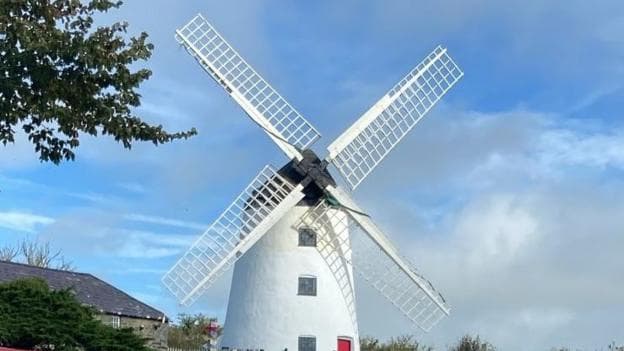
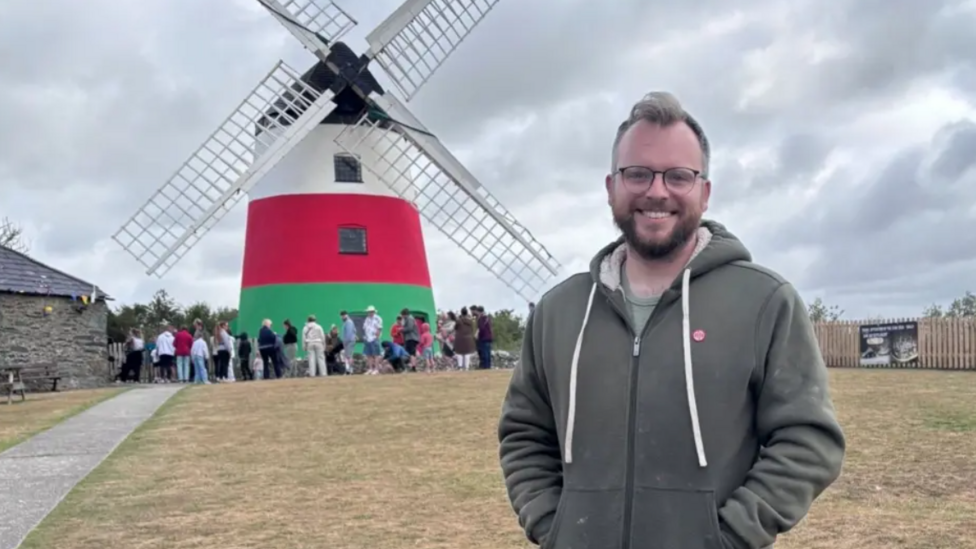
Melin Llynon, Wales' only working windmill, has been repainted white after its owner removed an unauthorised red, white and green makeover that sparked a dispute with Anglesey County Council. The Grade II-listed structure on Anglesey was given the tricolour treatment to celebrate the island hosting youth movement Urdd Gobaith Cymru's Eisteddfod festival earlier in the year, but the work violated planning regulations.
Owner Richard Holt initially intended the colourful redesign to be temporary, lasting only for the week-long festival of music, dance and literature. However, he decided to keep the new appearance after receiving what he described as overwhelmingly positive public feedback. In August, facing council enforcement action, Holt apologised and acknowledged he had not realised permission was required, stating he understood he had "broken the rules".
Anglesey County Council maintained regular contact with Holt throughout the dispute, with officials emphasising their goal of seeing the mill "fully restored" to its original white colour. When Holt suggested he might apply for retrospective permission to retain the tricolour design, the council confirmed no such application had been submitted. The authority stated: "We are aware that the mill has now been repainted, but we have not yet inspected the work. It is therefore not possible to confirm that all issues have been resolved."
Why the windmill mattered to the community
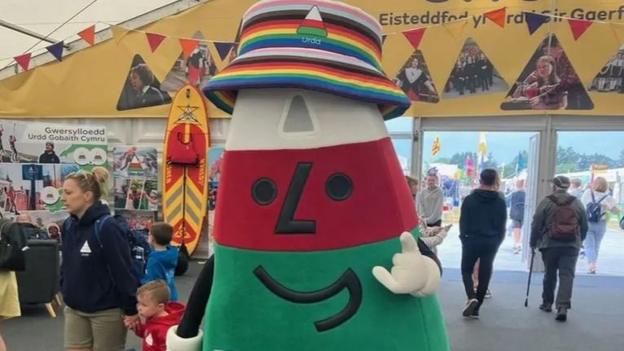
The 2026 Urdd Eisteddfod, which ran from 23 to 29 May, was a significant event for Anglesey, according to Nation.Cymru. The competition received 118,089 entries across Wales, with more than 14,000 coming from Anglesey—the island's highest total ever recorded. Holt's decision to paint the mill in the colours of Urdd Gobaith Cymru's mascot, Mistar Urdd, was intended as a tribute to this cultural celebration.
Holt said he was "amazed by the positive response to the new colours", claiming that "hundreds said they liked it". This public enthusiasm appeared to influence his initial reluctance to restore the mill to white, despite the council's clear position that the unauthorised work breached planning regulations for a listed building.
The mill's historical significance
Melin Llynon holds considerable importance to Welsh heritage. The structure was built between 1775 and 1776, making it over 250 years old. According to Anglesey County Council, comprehensive repairs completed between 2022 and 2023 were essential to maintaining its status as Wales' only working windmill. These restoration efforts underscored the council's commitment to preserving the building, which made the unauthorised repainting particularly contentious from a conservation perspective.
Resolution and inspection
According to BBC Cymru Fyw, the mill returned to its previous white colour by early October. The council's inspection process will determine whether the repainting fully resolves the compliance issues raised by the unauthorised work. Holt's experience reflects broader tensions between community sentiment and formal heritage protection requirements, particularly when listed buildings are involved.
The dispute also echoes similar planning controversies across Wales. In July, a mural of 19th-century engineer Isambard Kingdom Brunel in Briton Ferry was painted over after the property owner objected, highlighting how artistic expression and property rights can conflict with formal permissions processes.
Key Facts
- Melin Llynon is Wales' only working windmill and dates from 1775–1776
- The mill was painted red, white and green without council permission to mark the 2026 Urdd Eisteddfod, which attracted 118,089 competition entries
- Owner Richard Holt apologised in August after being ordered to restore the Grade II-listed structure to white
- The mill has now been repainted white, though Anglesey County Council has not yet completed its formal inspection