

Thousands of pupils across Wales are receiving GCSE and vocational qualification results on Thursday, 20 August 2026, in a year marked by sweeping changes to the qualifications system. For the first time, Year 10 students are getting marks under reformed GCSEs introduced a year ago, courses that have drawn criticism from staff and pupils for placing what has been described as "extreme pressure" on schools.
Wales' main exam board, the WJEC, said it had already made adjustments and was doing what it described only in part as an effort to keep results "fair and balanced for all learners". Alongside GCSEs, pupils are also receiving results for vocational qualifications, and the Welsh Baccalaureate is being awarded for the final time at this level before being replaced by new skills-based courses.
In 2025, 62.5% of pupils achieved grades A* to C, an increase of 0.3 percentage points on 2024.
Who are this year's candidates?
Yaroslav, a Year 11 pupil who moved to Wales from Ukraine in 2022 with his mother, is collecting his results with ambitions of becoming an engineer.
"I need to connect my life with engineering and after maybe help my own country," he said.
Yaroslav credited staff at Caldicot School in Monmouthshire with easing his transition, calling their support "amazing", and said he was looking forward to sharing lessons with classmates who share his enthusiasm for the subjects, as well as continuing to learn Welsh.
"I am a guest and I want to respect the language."
Fifteen-year-old Miriam is among the first cohort to study the reformed curriculum and said the jump from Year 9 had been considerable.
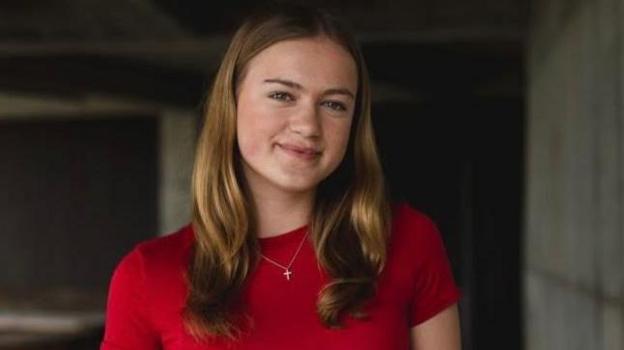
Year 10 pupils are the first to be taught under new-look qualifications that replace the previous generation of GCSEs. Subjects including maths and numeracy, English language and literature, and Cymraeg (Welsh) language and literature were introduced in September 2025 as part of the reformed Curriculum for Wales. Many of these subjects have moved away from a reliance on final exams toward greater use of class-based assessment, and the first pupils on these courses receive their Year 10 results on Thursday.
In July, the WJEC confirmed that changes would be made to the English language and literature, Cymraeg language and literature, core Cymraeg and religious studies GCSEs in response to concerns about workload. Those changes apply to students beginning courses in September but will not affect the current Year 10 cohort, who are already halfway through their studies.
The exam board has since gone further. According to Qualifications Wales, additional amendments to non-examination assessment requirements in GCSE English Language and Literature, GCSE Cymraeg Language and Literature, GCSE Core Cymraeg and GCSE Religious Studies will apply to cohorts starting in September 2026, with some changes only achievable from September 2027. The regulator said the timing reflects the fact that some centres had taught and completed assessment units in a different order, making it impossible to apply identical amendments fairly to every learner in the present Year 10 group.
This follows earlier reporting that Wales was expected to make major revisions to its new GCSEs amid burnout concerns among staff and pupils, as covered in our earlier coverage of the consultation on reducing oracy tasks and supervision requirements. A national broadcaster's report has also indicated that broader changes are likely, potentially including reductions to oracy assessment and adjustments to planning and research tasks, timed for the September 2026 intake, according to a national broadcaster's report.
Miriam described her experience of the new coursework-heavy structure in detail.
"It's been really good, it's been filled with coursework and straight to exams but doing a new course is really exciting."
"At the start of the year we didn't have enough time so we had to start [coursework] straight away. So every lesson we have had has been on coursework or for exams."
With the additional assessments already under way, Miriam said she was ahead on work intended for Year 11.
"In some subjects I have done 50% of the coursework so I'm not too worried because I don't think the work will get any bigger."
Ian Morgan, chief executive of the WJEC, said the exam board had taken on board feedback from the sector.

He said he had "listened intently to comments from schools and college leaders and put some solutions in place."
Morgan acknowledged the difficulties that come with change but argued the new qualifications allow learners to "properly demonstrate what they know, what they understand and what they can do."
"I need to be clear that there'll be no learner that would be at a detriment as a result of this being the first iteration of those qualifications."
He added that this summer's results were likely to show "stability in terms of GCSE outcomes for this academic year."
What do previous years look like?
Not every pupil is moving straight into further academic study. Will, 15, is planning to take art, geography, biology and religious studies at A-level, balancing his creative and academic interests.
"I'm so happy about GCSEs being over, I didn't enjoy forcing myself to revise for subjects I wasn't interested in."
Will said he had spent his free time on writing and art, and praised his family for their support throughout his exams.
"I have a loose plan for my career but who knows what will happen."
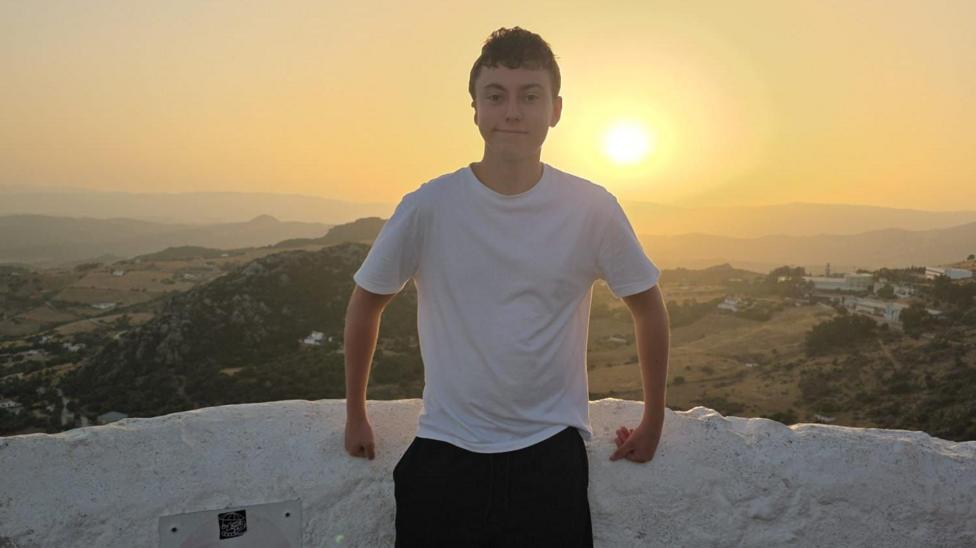
Other pupils are choosing more practical, vocational routes rather than A-levels. Lola, 16, wants to take a Level 2 childcare and development course with a view to working in a nursery or becoming a primary school teacher. She studied media, textiles and health and social care, and described "lots of stress and meltdowns over exam period", though she said a supportive community at school and at home had helped her through it.
She said she was looking forward to her next step.
"I think it is going to be really fun. I am really looking forward to it."
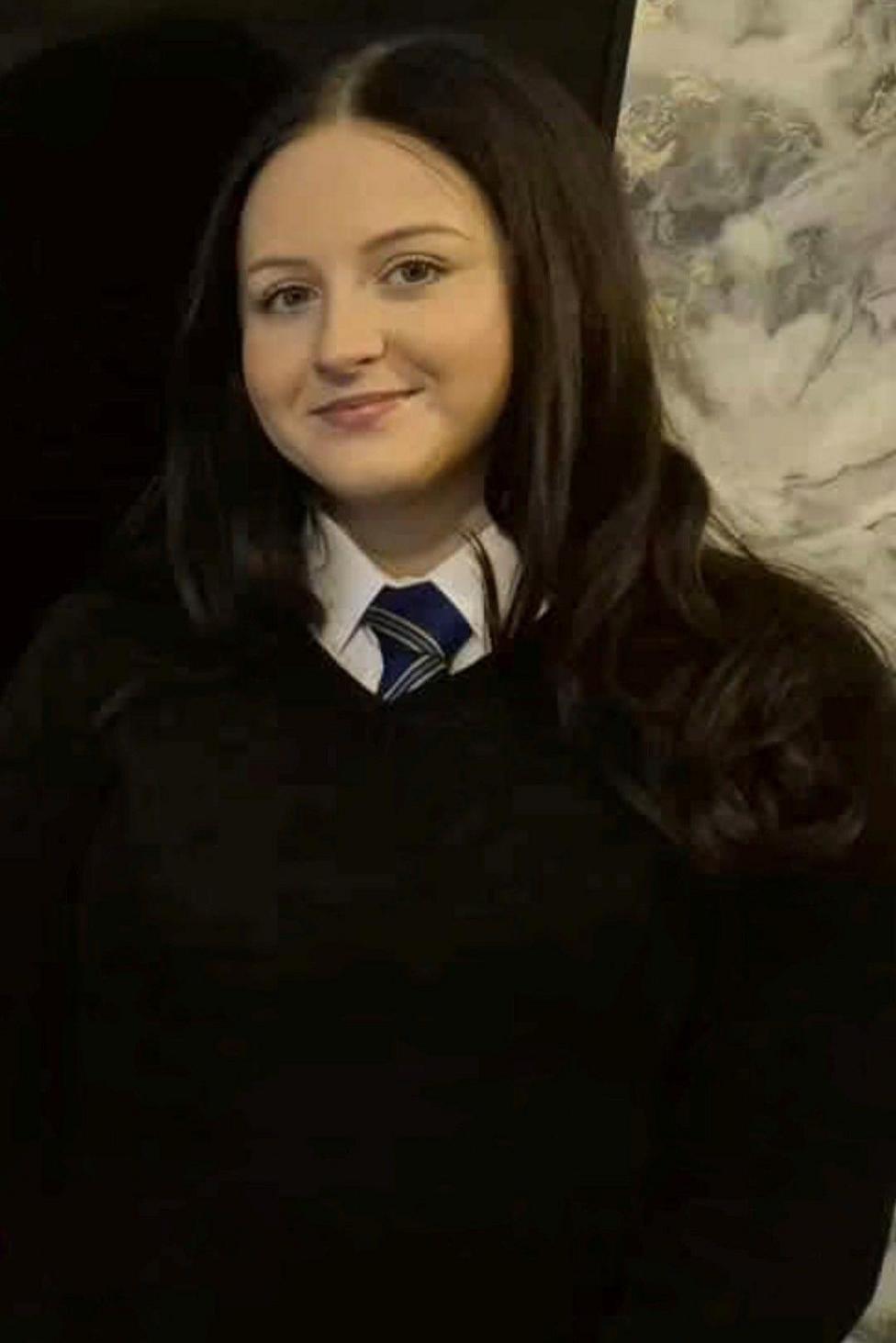
What are the new GCSEs and VCSEs?
Every GCSE offered to 14 to 16-year-olds in Wales has been reviewed and updated as part of the reform programme, with entirely new subjects added to the list. Further changes are due from September, including the introduction of a delayed history GCSE and a new double science GCSE. An earlier plan to scrap physics, chemistry and biology as separate subjects has been shelved until at least 2031. Brand new courses being introduced include dance and digital media and film.
The Vocational Certificate of Secondary Education, intended to widen the range of options available to pupils, is due to be introduced for 14 to 16-year-olds from September 2027. Qualifications Wales has said it hopes the new vocational certificates will eventually be as widely recognised as GCSEs and "valued in the same way".
Dr Llinos Jones, head teacher at Ysgol Gyfun Gymraeg Bro Myrddin in Carmarthen, said the pace of reform had been significant.
"There is particular concern about this year's Year 10 results, as this is the first cohort to sit the new qualifications and we do not have the same level of experience or certainty about what the outcomes will look like."
What happens next?
According to the WJEC's published results timetable, GCSE results for the June 2026 series are formally released on Thursday, 20 August 2026, with schools able to access results from midnight the previous day and candidates able to view their own results from 08:00 on the day itself. A WJEC results guide for 2025–2026 also states that media statements about results should not be issued before 09:30.
This year's results day also comes with a technological change: as detailed in our earlier report on results day arrangements, pupils in more than 750 schools across England, Wales and Northern Ireland are able to view their GCSE, BTec and other Level 2 results on their phones through a new app for the first time.
Further reform is scheduled to continue beyond this results day. The next wave of curriculum changes begins in September 2026 for pupils starting the reformed courses, while more limited amendments affecting Welsh-language GCSEs are set for September 2027, according to a national broadcaster's report. Results day for Wales follows closely on from record A-level results in Northern Ireland, where more than 26,000 students received results on 13 August 2026 with provisional figures showing 44% achieving A*–A grades, part of a wider pattern of A-level results across the UK that day.
Key Facts
- GCSE and vocational qualification results in Wales are released on Thursday, 20 August 2026.
- Year 10 pupils are receiving marks under reformed GCSEs for the first time, a year into the new courses.
- In 2025, 62.5% of pupils achieved A* to C grades, up 0.3 percentage points on 2024.
- Further amendments to non-examination assessments in several GCSEs will apply to pupils starting in September 2026, with some changes delayed until September 2027.
- New Vocational Certificates of Secondary Education are due to launch for 14 to 16-year-olds in September 2027.


