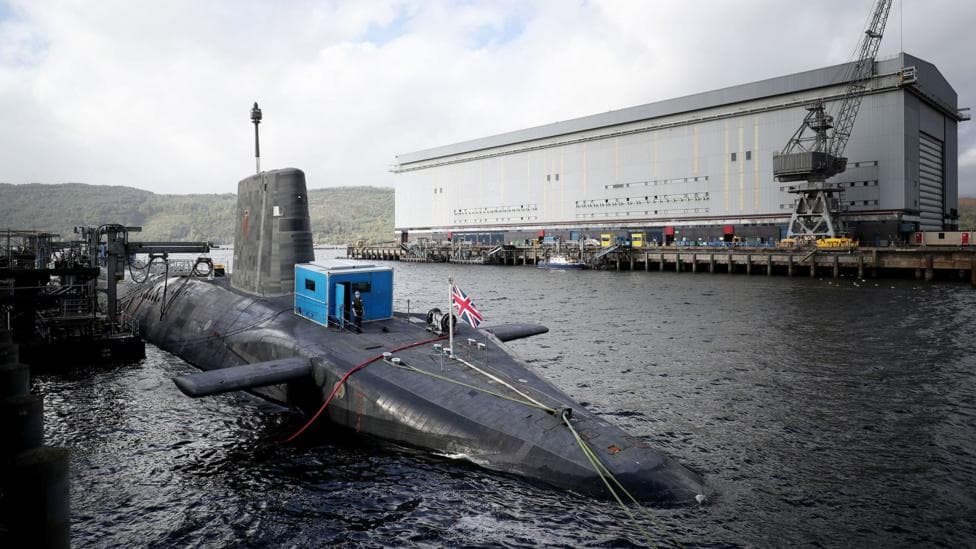
The government has committed £6 billion to construct three floating dry docks at the Faslane naval base on Scotland's Firth of Clyde, with the work reserved exclusively for UK shipyards. Chancellor John Healey announced the decision at the Labour conference, framing the investment as essential to national security and part of a broader industrial strategy. The docks will significantly expand maintenance capacity for the Royal Navy's nuclear-powered submarine fleet.
Healey told delegates in Liverpool:
"I want to confirm today that we, this government will commit to £6bn of contracts for our British shipyards. They'll build the new docks for the submarines that will defend us all for decades to come, built in Britain by British workers because of the decisions of this Labour government."
The floating dry dock initiative, formally known as Programme Euston or the Additional Fleet Time Docking Capability (AFTDC), represents a major upgrade to one of Scotland's most strategically important military installations. Faslane is Scotland's largest military establishment and second-biggest employment site, with over 6,500 military and civilian personnel. The dock project sits within a wider £15.1 billion Defence Investment Plan for the base over the coming decade.
How will the bidding process work?
A UK-only commercial competition will determine which shipbuilder receives the contract, with foreign companies barred from bidding. Navantia UK, the Spanish state-owned shipbuilder's British division, is widely regarded as the frontrunner. The company operates the Harland & Wolff shipyard in Belfast, alongside fabrication facilities at Methil in Fife, Arnish on the Isle of Lewis, and Appledore in Devon. The GMB union has previously urged Healey to distribute the work between the Methil site and Belfast to maximise employment across the UK.
Other potential bidders include Cammell Laird in Merseyside, now owned by Balaena, and Babcock, which operates facilities at Rosyth. The procurement process represents a significant opportunity for British shipbuilding, with the docks expected to enter service in the early 2030s.
What are floating dry docks and why are they needed?
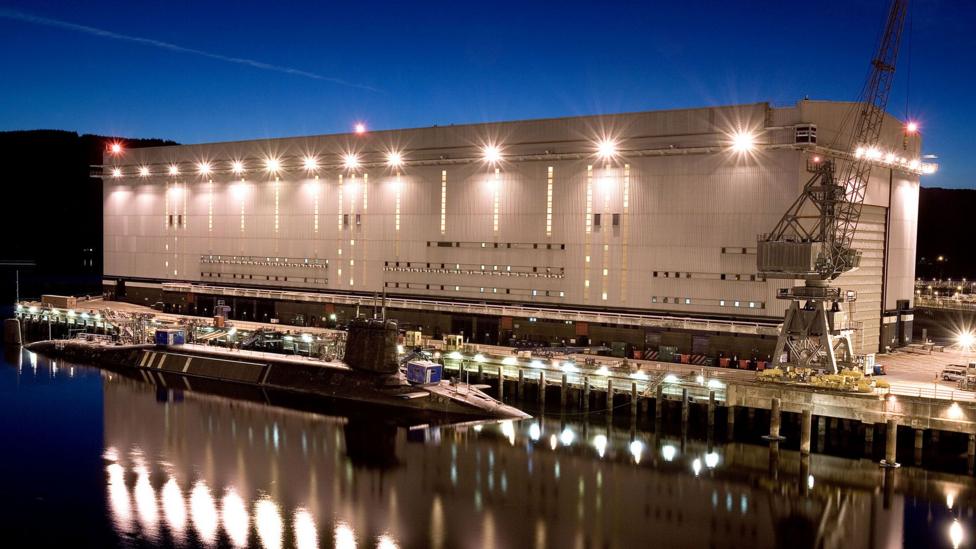
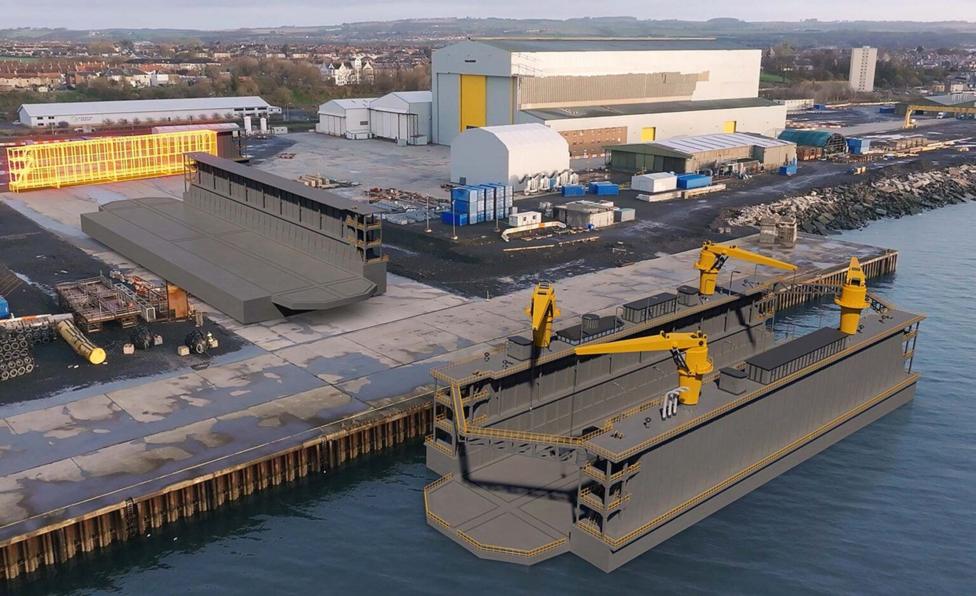
Floating dry docks are specialised structures that can be submerged to allow a vessel to enter, then raised and emptied of water to enable inspections, maintenance and repair work. Unlike land-based equivalents, their floating capability allows them to be towed to different locations. The last floating dry dock manufactured in the UK was Admiralty Dock 60, constructed during the 1960s and stationed at HMNB Clyde at Faslane until the late 1990s, when it was sold for commercial use.

Currently, Faslane relies on a single shiplift—an elevator-type device housed in a large maintenance building that hoists submarines clear of the water. The new docks will dramatically expand the base's capacity to service and maintain the submarine fleet simultaneously, addressing a critical operational bottleneck. The scheme was first outlined in 2023 as part of preparations for the next generation of British submarines, with design work already underway before the formal procurement announcement.
What about the new research vessel?
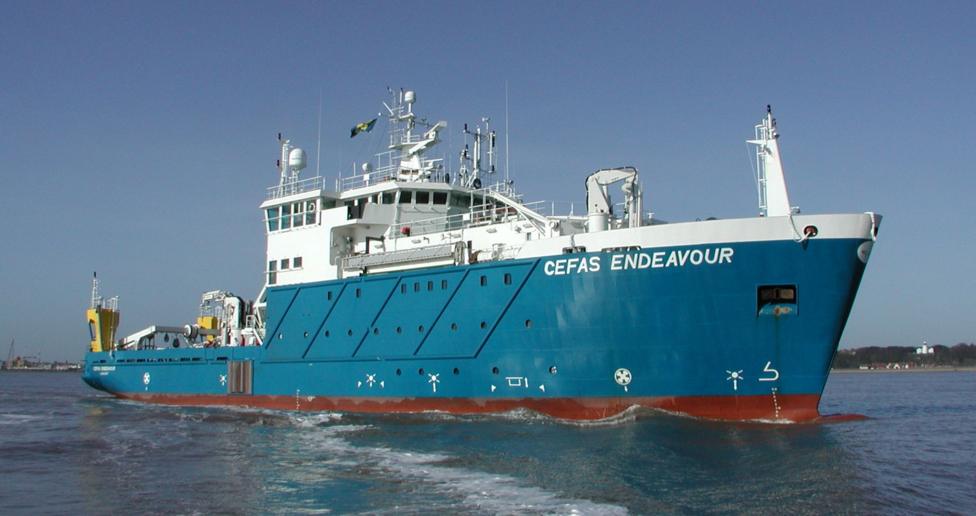
Healey has also pledged £115 million for construction of a replacement marine research vessel to succeed Cefas Endeavour. The Centre of Environment, Fisheries and Aquaculture Science (Cefas) operates the current vessel from its base in Lowestoft, Suffolk. Cefas Endeavour was launched in 2002 by the Ferguson shipyard in Port Glasgow on the Clyde and entered service the following year. After more than two decades of active service, the replacement is expected to be delivered in the early 2030s.
The new research ship, expected to reach approximately 85 metres in length, will incorporate advanced capabilities for modern marine science. The vessel is intended to use automation, robotics and artificial intelligence for marine monitoring and seabed mapping, enhancing the UK's capacity for fisheries management and environmental research. Ferguson's may bid to construct the replacement given the yard's experience with the original vessel, though it will face competition from commercial yards including Navantia and Cammell Laird.
Cefas Endeavour presented technically demanding construction challenges, with exacting specifications for noise and vibration control to avoid disturbing fish during survey operations. The replacement will need to meet similarly rigorous scientific standards.
What other industrial commitments did the chancellor announce?
Beyond the naval infrastructure projects, Healey announced that Rolls-Royce will invest an additional £300 million into its British factories located in Derby, Bristol, Glasgow and Rotherham. The announcement underscores the government's stated commitment to what Healey described as a "new age of industrialisation" for the UK, with defence and advanced manufacturing at its core.
What happens next?
The next phase involves the UK-only commercial competition to award the floating dock construction contract to a British shipbuilder. Following the procurement decision, the selected yard will begin manufacturing the three docks, with entry into service anticipated in the early 2030s. The new research vessel will proceed through its own UK procurement and construction process after the funding commitment, with delivery also targeted for the early 2030s. Both projects represent substantial long-term commitments to British shipbuilding capacity and naval infrastructure modernisation.