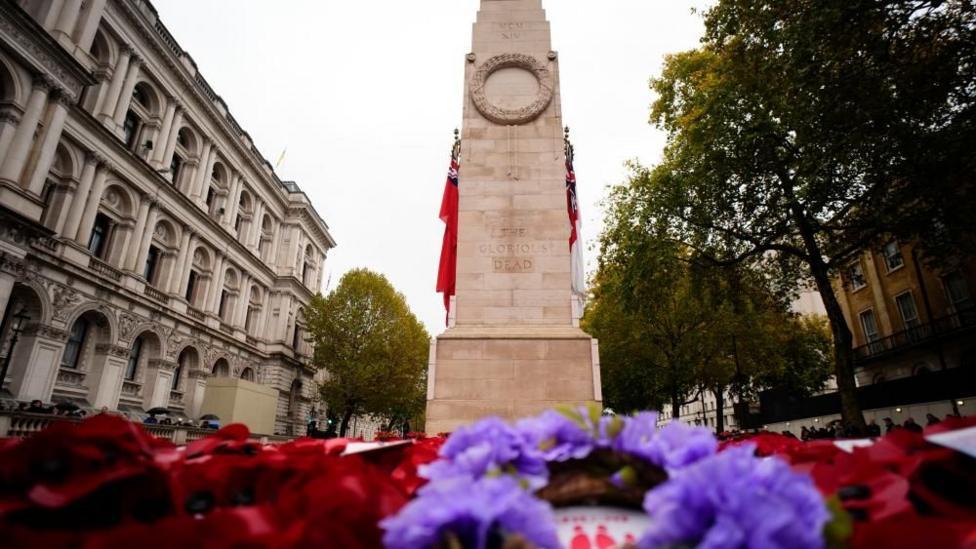
Poppies and floral tributes have been placed at the Cenotaph in Whitehall as the United Kingdom observed Armistice Day on 11 November 2026, marking 108 years since the guns fell silent at the end of World War One. According to BBC News, a national two-minute silence took place at 11:00 GMT to honour those who died in that conflict and in all subsequent wars.
Commemorative services were held across the UK and internationally, with government ministers, senior military figures, schoolchildren and cadets gathering at major venues. The occasion followed Remembrance Sunday on 8 November, when King Charles III led the nation in a solemn tribute at the Cenotaph, laying a wreath before a march-past by 10,000 armed forces veterans.
What happened at the main Cenotaph service?
The ceremony at the Cenotaph memorial in Whitehall drew senior figures from government and the military. Commons Speaker Sir Lindsay Hoyle and Lord Speaker Lord Forsyth laid wreaths during the proceedings. Massachusetts Senate President Karen Spilka participated by reading a poem in Westminster Hall, reflecting the international significance of the commemoration.
Where else were services held?
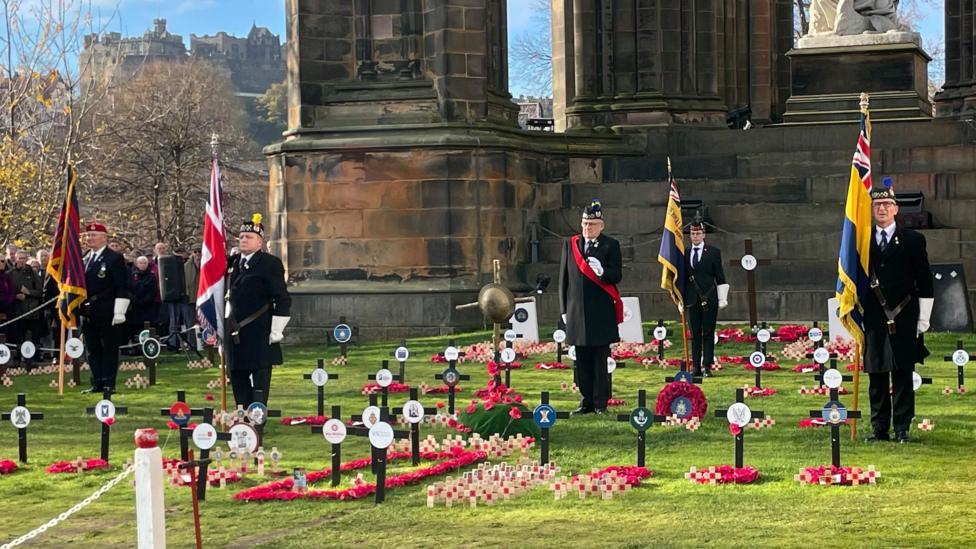
A ceremony took place at the National Memorial Arboretum in Staffordshire, led by Squadron Leader Mandeep Kaur MBE with RAF and Army chaplains and the Band of the Coldstream Guards. In Portsmouth, the Guildhall Square Cenotaph service began at 10:45 with readings and poems preceding the silence. Communities across southern England observed Remembrance with services and parades at war memorials in towns including Southampton, Oxford, Reading and Bournemouth.
How was Armistice Day marked internationally?
Commemorations took place across Europe on 11 November. In Paris, French President Emmanuel Macron attended a ceremony where a wreath was laid at the Tomb of the Unknown Soldier. The French Embassy's observances in the UK included an 11:00 ceremony at Brookwood Military Cemetery's French plot and a 16:30 tribute at Marshal Foch's statue in London.
What is the historical significance of Armistice Day?
The Armistice was an agreement to end the fighting of World War One as a prelude to peace negotiations. It came into effect at 11:00 on 11 November 1918, making this date the focal point for annual remembrance. The two-minute silence at 11:00 GMT honours not only those who died in the First World War but all those who have fallen in conflicts since.
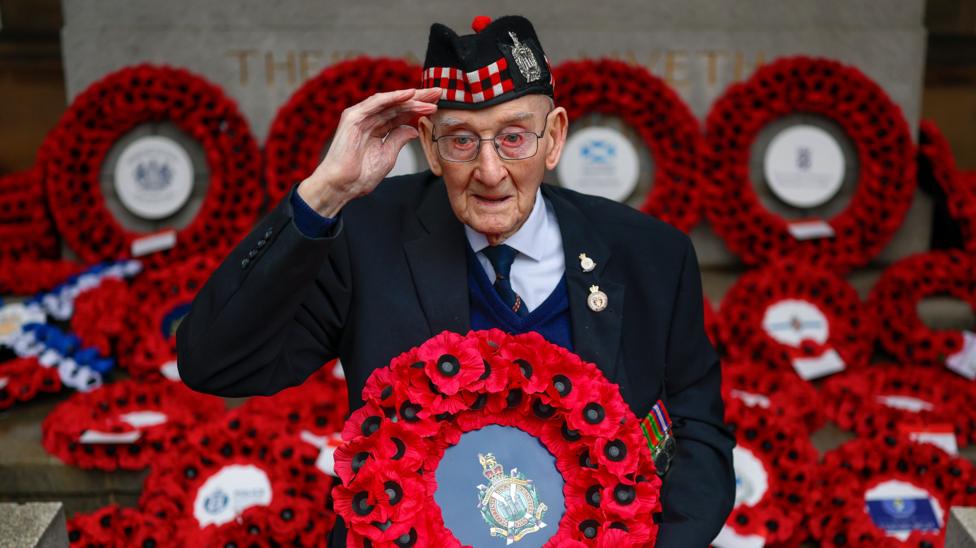
One hundred-year-old George McLeod, who served in the Kings Own Scottish Borderers, held a wreath during Remembrance Sunday tributes, representing the dwindling generation of those who witnessed the wars being commemorated.
What happens next?
The French Embassy's final listed commemoration was a tribute to Marshal Foch at his London statue at 16:30 on 11 November. BBC Radio 3 scheduled a live broadcast of Benjamin Britten's War Requiem from Coventry Cathedral on 11 November from 19:30 to 21:45, continuing the nation's remembrance observances through the evening.
Key Facts:
- The national two-minute silence took place at 11:00 GMT on 11 November 2026, marking 108 years since the Armistice
- Services were held at the Cenotaph in Whitehall, the National Memorial Arboretum in Staffordshire, and venues across the UK and Europe
- King Charles III led Remembrance Sunday on 8 November, with 10,000 armed forces veterans marching past the Cenotaph
- International participation included French President Emmanuel Macron in Paris and Massachusetts Senate President Karen Spilka in Westminster Hall
- The Armistice, signed at 11:00 on 11 November 1918, ended the fighting of World War One as a prelude to peace negotiations