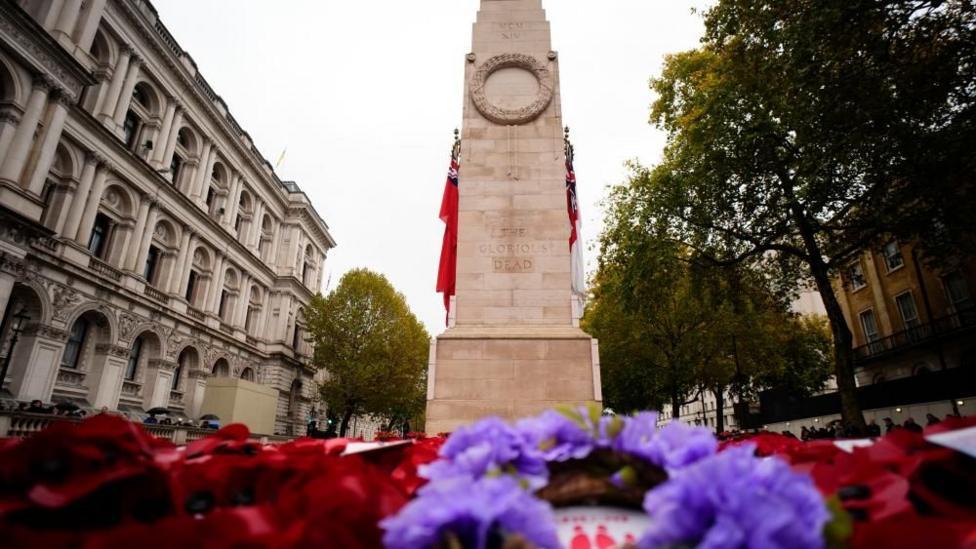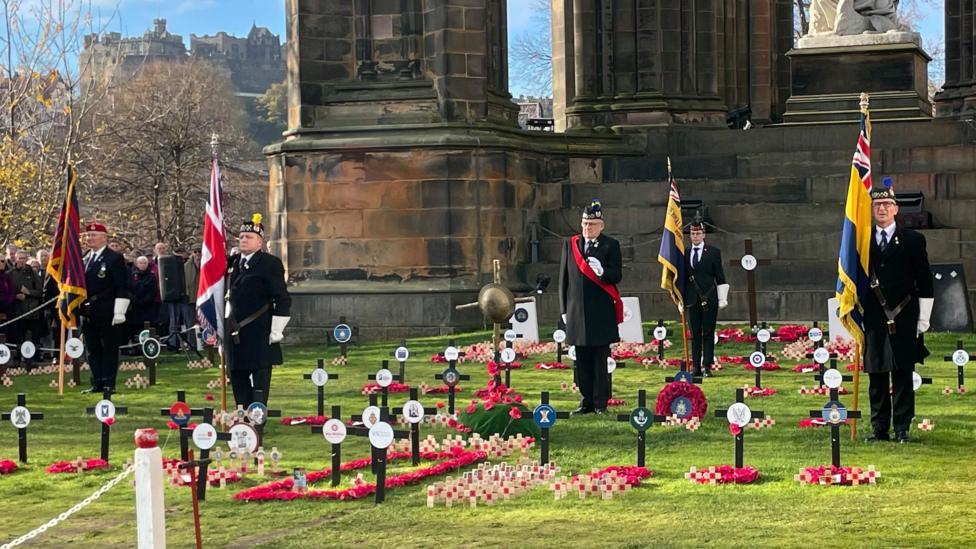
Communities throughout Scotland observed a solemn two-minute silence on Armistice Day to honour those who died in armed conflicts worldwide. The pause for reflection occurred at 11:00 GMT on 11 November, marking the moment when the armistice agreement ended fighting in World War One in 1918. According to BBC News, ceremonies and two-minute silences were observed across Scotland, Wales and Northern Ireland, with wreaths laid at war memorials in communities from Edinburgh to the Orkney Islands.
The first UK two-minute silence was established on Armistice Day in 1919, following a proposal by King George V, and the tradition has endured for more than a century as a moment of national reflection.
In Edinburgh, the commemorations were particularly poignant. Edinburgh Castle was illuminated in red ahead of Armistice Day, and the One o'clock gun was fired at 11:00 during the two-minute silence. The RAF Central Scotland Pipes and Drums led a parade from the Castle to the City Chambers, accompanied by veterans, tri-service cadets and military representatives. Wreaths were laid at the Stone of Remembrance outside Edinburgh City Chambers, where First Minister John Swinney, Scottish Secretary Douglas Alexander and Edinburgh's Lord Provost Robert Aldridge paid their respects.
Swinney emphasised the importance of honouring those who made the ultimate sacrifice to safeguard freedom. At the same time, King Charles III laid a wreath in London before a march-past involving 10,000 armed forces veterans. A record number of former prime ministers attended the London Cenotaph ceremony alongside party leaders including Andy Burnham, while Queen Camilla and the Princess of Wales also participated in the service.
Where Scots gathered to remember
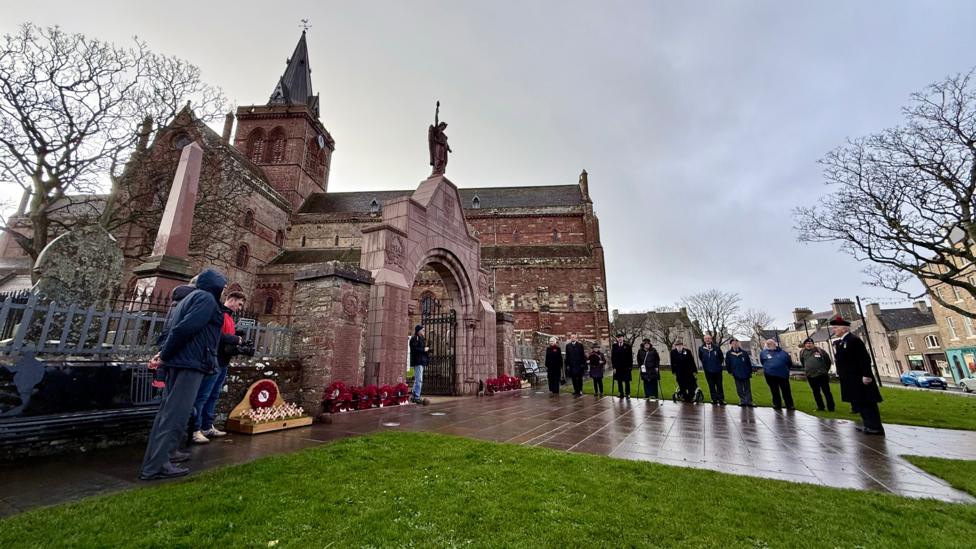
Across the nation, Scots gathered at significant locations to observe the silence and lay wreaths. At the Scott Monument in Edinburgh, one of the city's most iconic landmarks, people assembled to pay their respects. Glasgow Central Station hosted a commemorative gathering, while St Magnus Cathedral in Kirkwall, Orkney—Scotland's oldest cathedral—was the setting for solemn reflection.
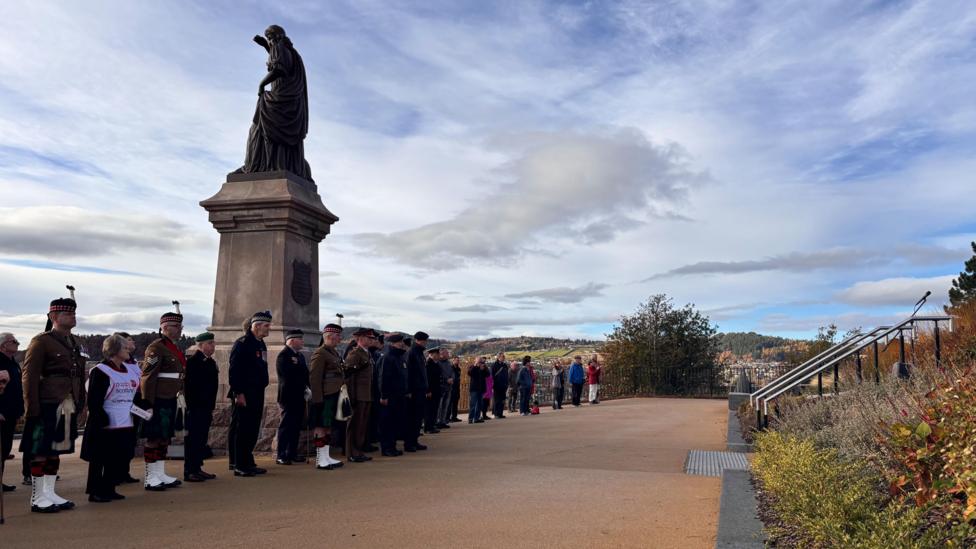
In the Scottish Borders, the war memorial in Galashiels drew residents seeking to honour the fallen. Inverness Castle hosted a commemorative event, and the Erskine Veterans Activity Centre in Forres saw wreaths placed in tribute to those who served.

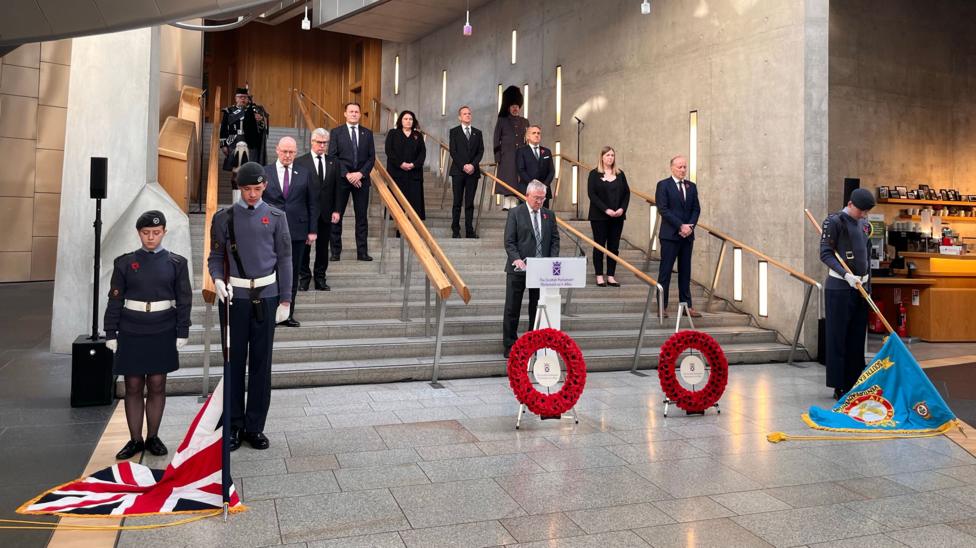
Members of the Scottish Parliament gathered at Holyrood to pay tribute to fallen service personnel, ensuring that the nation's elected representatives participated in the remembrance.
The significance of the poppy symbol
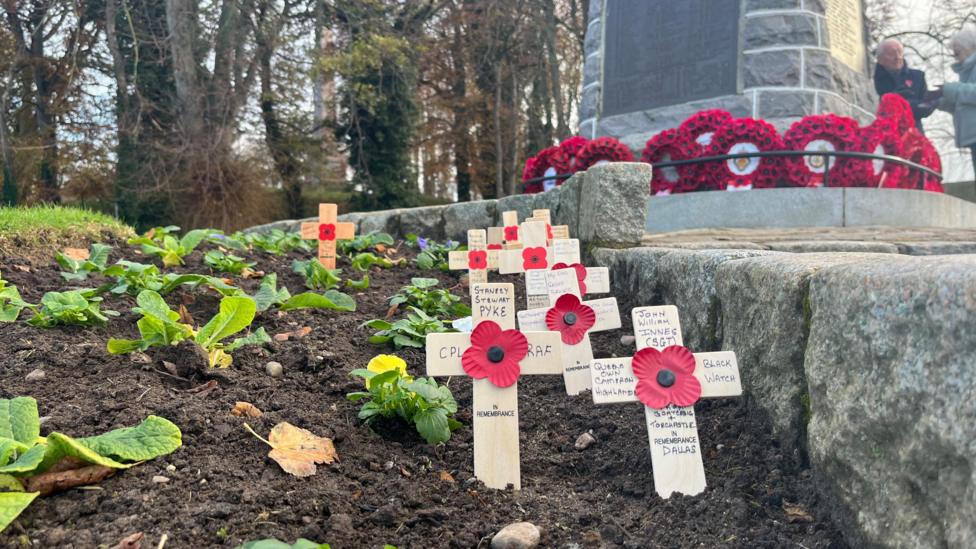
The red poppy has become synonymous with Remembrance across the UK. Scotland's red poppy features four petals and no green leaf, and is manufactured by the Lady Haig Poppy Factory in Edinburgh, ensuring that the symbol of remembrance is produced locally and supports veterans' causes.
Understanding the Armistice
The Armistice was the agreement that halted the fighting of World War One, signed on 11 November 1918 at 11:00, serving as a prelude to formal peace negotiations. The timing of the two-minute silence—at the eleventh hour of the eleventh day of the eleventh month—commemorates the exact moment when the guns fell silent after years of devastating conflict. This date and time have been observed annually since 1919 as a moment when the nation pauses to reflect on the cost of war and the sacrifice of those who served.